Published: 2 March 2026
The English Chronicle Desk
The English Chronicle Online
With just three months to go until the 2026 FIFA World Cup kicks off across the United States, Canada and Mexico, geopolitical tensions between Iran and the United States are casting a rare shadow over one of the world’s biggest sporting events. The crisis began with a U.S.‑Israeli military strike on Iran, sparking an escalation of violence in the Middle East and raising questions about whether Iran’s national football team will be able to participate in the tournament.

Iran, which qualified for the World Cup and is drawn in Group G alongside Belgium, Egypt and New Zealand, had been slated to play all three of its group matches on U.S. soil — two in Los Angeles and one in Seattle in June. However, Mehdi Taj, president of the Iranian Football Federation, has said he does not know if the team can travel to or compete in the United States given the current conflict and the broader political circumstances following the U.S. strikes. Taj suggested that “after this attack, we cannot be expected to look forward to the World Cup with hope,” underlining the uncertainty Iran now faces.
Beyond the immediate impact of conflict, practical issues complicating Iran’s presence include U.S. travel bans on Iranian passport holders, which were part of broader immigration and security policy changes in recent years. These restrictions mean Iranian fans and officials could face additional hurdles if the team does travel to the tournament — even in peacetime — intensifying the diplomatic strain tied to the team’s potential participation.
The governing body of world football, FIFA, has said it is closely monitoring developments and wants to ensure the tournament goes ahead “with everybody participating,” but it has stopped short of committing to a definitive plan if Iran ultimately withdraws or is unable to attend. FIFA secretary‑general Mattias Grafstrom said it is too early to draw conclusions and emphasised ongoing communication with the host countries to prioritise safety.
If Iran chooses to withdraw or is unable to attend, the tournament’s structure could face late changes, potentially opening a spot for another Asian team — for example Iraq or the United Arab Emirates — although no decision has been made. Organisers face the challenge of balancing sporting integrity with rapidly shifting international events, all against the backdrop of a tournament that is already historic in scale.
The Iran situation recalls past moments when politics and sport intersected dramatically. In the 1998 FIFA World Cup, Iran and the United States met on the pitch amid diplomatic tensions, in a match widely remembered for its symbolic significance beyond sport. That game did not stop either team playing, but it underscored how football can carry political weight.

As the World Cup opening day on 11 June approaches, football administrators, players and fans alike will be watching closely to see whether this year’s tournament — already set to be the largest in history — can proceed with all qualified teams present despite the geopolitical turmoil surrounding its hosts and participants.
Related News:
 Hopes and Fears as US Iranians Take to Streets After Toppling of Supreme Leader
 US Urges Iran to Make Deal as Military Presence Rises
 Trump’s Foreign Policy Dilemma Laid Bare by Iran Tensions
 US Partially Evacuates Beirut Embassy Amid Rising Iran Tensions
 Israel and Hezbollah Exchange Fire as Conflict Worsens
 Iran’s Regime Still Intact — Coming Days Will Test Its Survival
 Allies of US in the Gulf Bear Brunt of Iran Attacks
 Retaliations Continue on Day Two of US-Israel Attacks on Iran
 At Least 153 Dead After Reported Strike on School, Iran Says
 At Least 153 Dead After Reported Strike on School, Iran Says
 ‘It’s Eerie’ – Dubai on Edge as City Comes Under Attack
 BBC Reports from Beit Shemesh After Deadly Iranian Missile Strike
 Putin Intensifies Territorial Demands Before US Talks
 Trump to Recheck Green Cards from 19 Nations After DC Attack
 Russia losses Ukraine war peace talks intensify amid rising deaths
 Trump Escalates Minnesota Immigration Surge Amid Rising Tensions
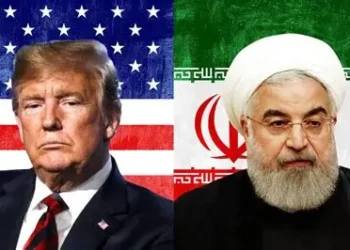 Trump: US Stands Ready to Help Iran Find Freedom Amid Widespread Unrest
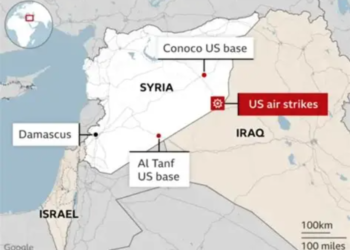 US Conducts Large-Scale Strikes Against ISIS Targets Across Syria
 Trump Says US Will Act on Greenland ‘Whether They Like It or Not’
 Trump Administration Probe of Fed’s Powell Draws Pushback
 Greenland Faces Pivotal Summit Over Arctic Power Struggle
 Trump Threatens Strong Action If Iran Executes Protesters
 Trump Receives Machado’s Nobel Medal in White House Meeting
 Greenland Crisis Forces Europe to Draw a Line With Trump
 Iran Cannot Be Bombed Into Democracy, Only Helped There
 Historic Abu Dhabi Talks Bring US, Ukraine and Russia Together
 Trump Pulls Canada from His Controversial ‘Board of Peace’ Plan
 EU Says US Ties Have Suffered ‘Big Blow’ After Greenland Crisis
 Thousands Protest ICE Operations in Nationwide US Day of Action
 Epstein Files Reveal Trump Officials’ Emails with Financier
 Thousands Protest ICE in New York Against Trump Deportation Campaign
 Trump Praises ‘Terrific’ Petro After White House Talks
 US Must Be Prudent When Supplying Arms to Taiwan, Xi Tells Trump
 Fears of New Arms Race as US-Russia Nuclear Weapons Treaty Expires
 New Nuclear Talks Between US and Iran Begin in Geneva
 ‘He Did It for Us’: US Soldier Recalls Jesse Jackson’s Efforts to Free Him and Two Other POWs
 Under Pressure From Trump, Venezuela’s New President Has Aces Up Her Sleeve
 Iran Says ‘Guiding Principles’ Agreed With US at Nuclear Talks
 Stephen Colbert Says CBS Spiked Interview With Democrat Over FCC Fears
 US Pushes to Recruit Organised Crime Gangs into Gaza Police Force
 US to Withdraw Troops from Syria
 US Build-Up of Warships and Fighter Jets Tracked Near Iran
 Billionaire Les Wexner Tells US Lawmakers He Was ‘Naive’ and ‘Conned’ by Epstein
 Hamas Holds Vote to Choose New Interim Leader, Source Tells BBC
 Ukraine Negotiator Reveals What It Feels Like Facing Russia
 Mandelson Arrested Amid Political Turmoil as Ukraine Marks Four Years of Conflict
 Inside Kyiv’s resolve as conflict nears five‑year mark
 What to Watch for During Trump’s State of the Union Address
 Trump’s Iran airstrikes decision to be guided by Kushner and Witkoff’s advice
 ‘Anyone who runs is shot’: Russian soldiers describe killings of troops who refuse orders
 Ukraine remembers its dead as war enters a fifth year
 Clinton Testimony Erupts in Fiery Exchange
 American Citizen Killed in Cuba Boat Shooting, U.S. Officials Say
 Hillary Clinton Tells House Panel She ‘Had No Idea’ of Epstein’s Crimes
 Middle East Flights Halted After Iran Strikes
 UK Must Act with Courage and Clarity on Israel-Palestine Conflict, Says Foreign Affairs Committee Report
 Tottenham Takes On Newcastle
 Radioactive Leak at UK’s Nuclear Warhead Base Sparks Outcry Over Safety and Secrecy
 Hong Kong Summons UK and Australian Envoys Following Asylum Grants to Democracy Activists
 Is the UK Ready to Put Boots on the Ground in Ukraine? Assessing Military Capacity and Challenges
 Channel Crossings Surge: Over 1,000 People Arrive in the UK in Small Boats in a Single Day
 Yvette Cooper Signals Global Momentum Towards Gaza Peace Deal Amid Humanitarian Crisis
 Chaos at Ibrox as Martin’s Rangers Era Comes to an End
 Russia’s Latest Push to Win US Favors Shows Deep Desperation
 BBC to Apologise Over Edited Trump Speech Amid Backlash
 Britain deploys RAF specialists to assist Belgium with drone threats
 Trump Urges Herzog to Grant Netanyahu Full Pardon
 Greene Pushes Epstein Files Amid Trump Fallout
 Shadow Fleet at Sea: Europe’s Battle Against Illicit Oil Shipping
 Trump Weighs Response to Iran Crackdown as Tehran Says Communication Open With US
 US Clears Nvidia AI Chip Sales to China in Policy Shift
 ‘Trump Will Be Gone in Three Years,’ Top Democrats Tell Europe
 Australian Families Leave Syrian Camp for Home
 Starmer Weighs Fast-Tracking Defence Boost
 ‘I Would Scream in My Sleep’: Alawite Women from Syria Tell of Kidnap and Rape
 Nine Arrested in France Over Death of Far‑Right Student
 Australian PM Says Former Prince Andrew Has Suffered ‘Extraordinary Fall’ but That Won’t Prompt Republic Referendum
 Farage Chagos Islands Row Sparks Fury
 Chad Shuts Border With Sudan in Bid to Stop Conflict Spreading
 Hilary Knight speaks out on Trump’s recent hockey remarks