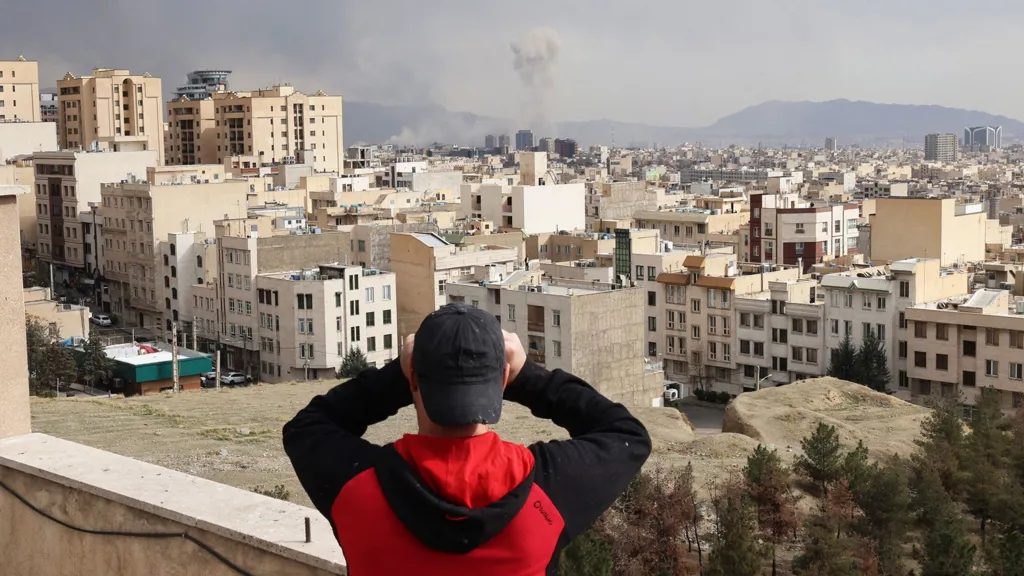
The United States and Israel launched coordinated military strikes against Iranian territory at the end of February and into early March 2026. Official statements from Washington and Jerusalem frame the operation as pre‑emptive and defensive:

Nuclear and missile threat: U.S. and Israeli leaders argue Tehran’s nuclear program and long‑range missile capabilities pose an “existential threat” to Israel and impede U.S. and allied regional security goals. The strikes targeted missile infrastructure, air defenses, command centers, and other strategic assets. Trump and Netanyahu have said the aim is to prevent Iran from obtaining nuclear weapons or the means to threaten regional neighbors and U.S. forces.
Regime change rhetoric: U.S. leadership — particularly former President Trump — has publicly called for Iranians to rise up against their government, portraying the campaign not just as military action but as a potential catalyst for internal political change.
Imminent threat claims: U.S. officials have justified the strikes on the basis of perceived imminent threats, although Iranian and international voices reject this rationale, labeling the attacks illegal and unprovoked.
These strikes marked the most significant U.S.–Israeli military action against Iran in decades and resulted in the reported deaths of Iran’s Supreme Leader and multiple senior commanders, according to Iranian and international accounts.
Why Iran was targeted from a U.S.–Israeli perspective
The strategic narrative from Washington and Tel Aviv has centered on halting Iran’s nuclear ambitions, degrading its missile forces, and weakening the Islamic Revolutionary Guard Corps (IRGC) and associated regional proxies. Iranian support for armed groups across the Middle East has long been cited by these governments as a security concern. However, Iran and its allies strongly deny any intention to develop nuclear weapons and view the intervention as aggression.
How Iran has responded
Iran has launched a broad set of missiles and drones against:
Israel, U.S. bases in Gulf states and at sea, Other countries hosting U.S. assets
Iranian‑backed militias such as Hezbollah in Lebanon have also fired rockets at Israeli territory. Civilian infrastructure — including some residential and public areas — has been reported hit, contributing to ongoing escalation.
How long the war could last
At present, there is no definitive end‑date. Multiple assessments and statements offer a range of possibilities:
U.S. leadership estimate: President Trump has publicly suggested that the major phase of the conflict might last “about four weeks or less,” describing it as a limited period of major combat operations against Iranian targets.
Israeli leadership comments: Israeli officials have said the war could take “some time” but insisted it will not be “endless.”

Regional and expert analysis: Conflict analysts warn that even if the initial phase of strikes is limited, the broader war dynamics — including retaliation, militia engagement, and regional escalation — could spread for months or longer, with unpredictable trajectories. This mirrors how previous Iran–Israel confrontations (e.g., the 2025 “Twelve‑Day War”) thawed quickly into ceasefires, but underlying tensions remained.
In short, the duration is uncertain, spanning from weeks of intense combat to a longer, open‑ended confrontation unless diplomatic engagement or an enforced ceasefire reduces hostilities.
Related News:
 Israel and Hezbollah Exchange Fire as Conflict Worsens
 Iran’s Regime Still Intact — Coming Days Will Test Its Survival
 Allies of US in the Gulf Bear Brunt of Iran Attacks
 Hopes and Fears as US Iranians Take to Streets After Toppling of Supreme Leader
 Retaliations Continue on Day Two of US-Israel Attacks on Iran
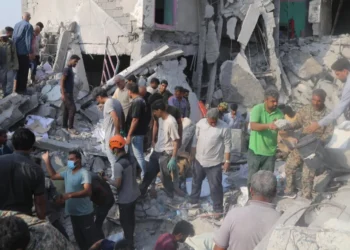 At Least 153 Dead After Reported Strike on School, Iran Says
 At Least 153 Dead After Reported Strike on School, Iran Says
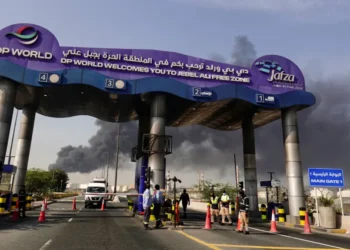 ‘It’s Eerie’ – Dubai on Edge as City Comes Under Attack
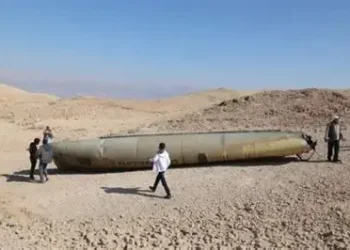 BBC Reports from Beit Shemesh After Deadly Iranian Missile Strike
 Iran, the US, and a World Cup That Starts in Three Months
 Cooper: Joining US Strikes on Iran ‘Not in Britain’s Interest’
 Trump’s Iran Endgame Unclear After Mixed Messaging on War Aims
 Rubio Responds to Reported Strike on Iranian School
 Scots Caught Up in Middle East Crisis ‘Just Waiting for the Next Explosion’
 US Urges Iran to Make Deal as Military Presence Rises
 Trump’s Foreign Policy Dilemma Laid Bare by Iran Tensions
 Hamas Holds Vote to Choose New Interim Leader, Source Tells BBC
 Ukraine Negotiator Reveals What It Feels Like Facing Russia
 Mandelson Arrested Amid Political Turmoil as Ukraine Marks Four Years of Conflict
 US Partially Evacuates Beirut Embassy Amid Rising Iran Tensions
 ‘Anyone who runs is shot’: Russian soldiers describe killings of troops who refuse orders
 Ukraine remembers its dead as war enters a fifth year
 Middle East Flights Halted After Iran Strikes
 Allies of US in the Gulf Bear Brunt of Iran Attacks
 Israeli Attacks Kill 31 in Lebanon, Iran Strikes Across Region, US Warplanes Crash in Kuwait
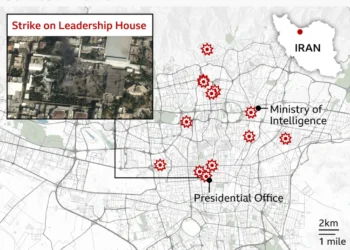 In Maps: Strikes Across Iran and the Middle East
 Months of Planning Behind US‑Israeli Mission to Target Iran’s Supreme Leader
 UK Will Allow US to Use Bases to Strike Iranian Missile Sites, PM Says
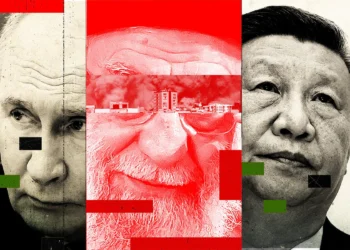 What Khamenei’s Death Means for Russia and China
 Tehran Makes New Threat to Gulf Shipping as US Says ‘Hardest Hits’ on Iran ‘Yet to Come’
 Did Trump Declare War and Did Congress Approve Iran Attacks? What to Know
 Melania Trump Chairs UN Security Council Meeting on Children in Conflict Amid Iran Strikes
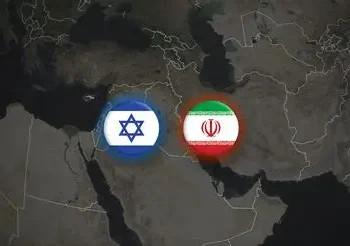 The Third Day of the US‑Israeli War With Iran
 Kinnock’s Rebuke Echoes Loudly as Corbyn Allies Launch Left-Wing Breakaway: “A Gift to Farage”
 Trump Administration Dismisses 17 Immigration Judges, Sparking Debate Over Judicial Independence
 UK Must Act with Courage and Clarity on Israel-Palestine Conflict, Says Foreign Affairs Committee Report
 Radioactive Leak at UK’s Nuclear Warhead Base Sparks Outcry Over Safety and Secrecy
 Mutual Inconvenience: Why Alaska Was Chosen for the Trump-Putin Summit on Ukraine
 Hong Kong Summons UK and Australian Envoys Following Asylum Grants to Democracy Activists
 Is the UK Ready to Put Boots on the Ground in Ukraine? Assessing Military Capacity and Challenges
 Channel Crossings Surge: Over 1,000 People Arrive in the UK in Small Boats in a Single Day
 Widow of Charlie Kirk Forgives Killer at Emotional Memorial Service
 Yvette Cooper Signals Global Momentum Towards Gaza Peace Deal Amid Humanitarian Crisis
 Public Trust in SNP Hits Historic Low Amid NHS Concerns
 Johnson Suggests Mandelson Linked to China Spy Controversy
 Rachel Reeves signals welfare reform ahead of key budget
 Russia’s Latest Push to Win US Favors Shows Deep Desperation
 BBC to Apologise Over Edited Trump Speech Amid Backlash
 Britain deploys RAF specialists to assist Belgium with drone threats
 Trump Urges Herzog to Grant Netanyahu Full Pardon
 Indian authorities demolish Kashmir home linked to Red Fort blast
 Greene Pushes Epstein Files Amid Trump Fallout
 Trump Deploys DHS to Charlotte in Major Arrest Operation
 December Run-Off in Chile as Election Produces No Winner
 Canada Passes Carney’s First Budget in Tight Parliamentary Vote
 Shadow Fleet at Sea: Europe’s Battle Against Illicit Oil Shipping
 India’s COP30 Delay Raises Global Climate Concerns
 Georgians Defy Government Crackdown After Year of Protests
 Russia losses Ukraine war peace talks intensify amid rising deaths
 Albanese Opens Door to Bondi Royal Commission Amid Rising Pressure
 Trump Escalates Minnesota Immigration Surge Amid Rising Tensions
 Iran Protesters Defy Crackdown as Violent Clashes Intensify
 EU weighs response amid Greenland tariff crisis with Trump
 EU Says US Ties Have Suffered ‘Big Blow’ After Greenland Crisis
 Israel Moves to Bar MSF From Gaza Operations
 Australian Families Leave Syrian Camp for Home
 Starmer Weighs Fast-Tracking Defence Boost
 ‘I Would Scream in My Sleep’: Alawite Women from Syria Tell of Kidnap and Rape
 Nine Arrested in France Over Death of Far‑Right Student
 Andrew Arrest Sparks Republic Debate in Australia
 Australian PM Says Former Prince Andrew Has Suffered ‘Extraordinary Fall’ but That Won’t Prompt Republic Referendum
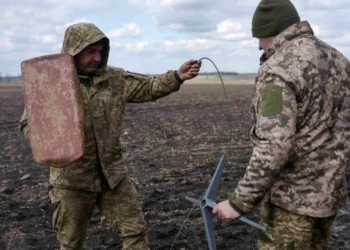 Musk Cuts Starlink Access for Russian Forces – Giving Ukraine an Edge at the Front
 Farage Chagos Islands Row Sparks Fury
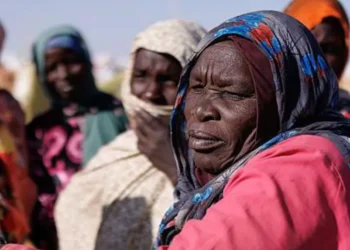 Chad Shuts Border With Sudan in Bid to Stop Conflict Spreading
 French Minister Moves to Block US Envoy Kushner from Government Access
 Orbán Accuses Ukraine of Disrupting Oil Supplies to Hungary
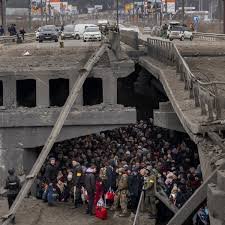 Has Europe truly learned from the failures of 2022?
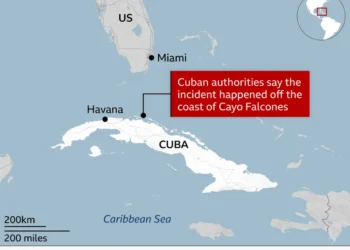 American Citizen Killed in Cuba Boat Shooting, U.S. Officials Say
 Trump Faces Questions Over Iran Conflict Plan
 Limited Flights Leave UAE But Disruption Continues Amid Iran Strikes