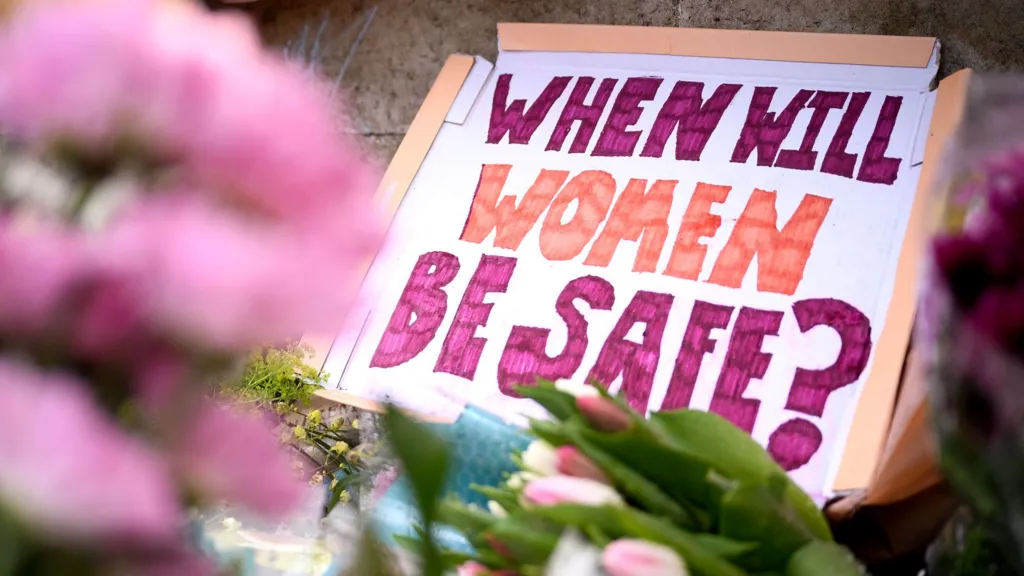
Published: 3 March 2026. The English Chronicle Desk. The English Chronicle Online
It has been five years since the murder of Sarah Everard, whose abduction and killing by a serving Metropolitan Police officer in March 2021 shocked the United Kingdom and ignited national debate about women’s safety and trust in law enforcement. Her death — at the hands of then‑officer Wayne Couzens — was not only a personal tragedy but also a moment that exposed deep problems in policing culture, public safety, and institutional accountability. Couzens was subsequently convicted of her kidnapping, rape and murder and received a whole life sentence, one of the most severe penalties available under UK law.

The impact of Everard’s killing has been felt across legal, social and government arenas ever since. Her name became a rallying cry for action on violence against women, symbolic of wider fears about gender‑based violence in public spaces. The nationwide conversation that followed led to vigil movements such as Reclaim These Streets, which pressed for legislative and cultural change in how women’s safety is prioritised and how police conduct is scrutinised.
However, five years on, many advocates and campaigners argue that insufficient change has actually taken place. Recent reports and surveys suggest that women’s confidence in policing remains low, with a large proportion saying they still do not feel safe walking alone at night. Public campaigns continue to highlight this enduring sense of insecurity and distrust, underlining that the murder did not resolve fundamental safety issues on UK streets.
Reform efforts in policing have been uneven. While some forces introduced enhanced vetting procedures, misconduct reviews and training on sexual offences, independent reviews and inquiries have found that not all recommendations have been fully implemented. Reports from late 2025 indicated that a significant proportion of police forces still lacked basic policies on handling sexual offences committed by officers, a shortfall that critics say undercuts public trust in accountability mechanisms.
There has also been broader scrutiny of police culture and institutional responsiveness. High‑profile cases of police officers convicted for crimes including sexual misconduct since 2021 have underscored the fear among critics that systemic issues were not fully addressed in the wake of Everard’s murder. Although disciplinary actions and vetting reforms have been introduced across multiple UK police forces, the pace and scope of change remain contested among activists and affected communities.
Official voices, including law‑enforcement leadership, have publicly acknowledged the lasting harm caused by the crime, noting it was a “profound betrayal” of public trust and mourning the impact on Everard’s family and society. However, these expressions of remorse coexist with criticism that deeper cultural reform — not just procedural modifications — is required to deliver the safety guarantees that were promised in the aftermath of her death.

In public discourse, the legacy of Sarah Everard’s murder continues to shape debates about women’s safety, policing practices and societal attitudes toward violence against women. While incremental changes have been made, activists argue that significant structural reform and societal commitment are necessary to translate the outpouring of outrage among the public into lasting and measurable improvements in how women’s safety is protected in law and in life.
Related News:
 Madeleine McCann Case: German Woman at Centre of Hit-and-Run Theory Speaks Out
 UK Home Office to Launch French Beach Signage to Warn Asylum Seekers of Risks
 Charlie Kirk Killing Used to Mobilise UK’s Largest Far-Right Rally in Decades
 UK and Ireland Set to Unveil New Proposals to Address Northern Ireland’s Troubles Legacy
 UK Recognises State of Palestine in Push to Preserve Hope for Peace
 Jailed Georgian Opposition Leaders Warn UK of Iranian Links to Ruling Party
 Cooper Unveils £4m Cyber Plan Against Russian Hackers
 China’s Mega Embassy in London Faces Further Delay
 Prince Andrew met alleged Chinese spies during Pitch@Palace China trips
 Kosovo agrees to host Britain’s refused asylum seekers
 UK Gamer Recruited by Wagner Group Found Guilty of Arson
 Trump Speaks on Prince Andrew’s Royal Scandal Fallout
 Pregnant UK Teen to Be Freed from Georgian Jail
 Just Stop Oil Protesters Convicted Amid Climate Defence Row
 British Grandmother to Return Home After Death Sentence in Bali
 Second world war veterans honoured as King leads Remembrance Sunday
 New review urges UK to repatriate Shamima Begum, others from Syria
 Emails Show Epstein Funded Mandelson’s Husband After Jail
 London Pedicab Regulations Target ‘Rip-Off Fares’ and Nuisance Behaviour
 How Much Could Andrew’s Arrest Hurt the Royal Family?
 Two Arrested After Death of ‘British Lip King’
 Two Arrested After Woman Set on Fire in Revenge Attack
 Family ‘Incredibly Worried’ for Jailed Iran Couple
 UK Must Act with Courage and Clarity on Israel-Palestine Conflict, Says Foreign Affairs Committee Report
 Northern Ireland Family of Three Shot Dead in Maguiresbridge Home Incident
 Targeted Attack in Bury Sparks Murder Investigation as Community Awaits Justice
 Radioactive Leak at UK’s Nuclear Warhead Base Sparks Outcry Over Safety and Secrecy
 Mutual Inconvenience: Why Alaska Was Chosen for the Trump-Putin Summit on Ukraine
 Terence Stamp, ’60s British Film Legend and Star of Superman, Dies at 87
 Merseyside Police Helicopter Crew Cleared After Low-Altitude Pursuit of Suspect
 Is the UK Ready to Put Boots on the Ground in Ukraine? Assessing Military Capacity and Challenges
 Urgent Action Needed on Windrush Compensation as Survivors Speak of “Waiting to Die”
 Shein UK Faces Allegations of Shifting Majority of Profits to Singapore to Reduce UK Tax
 Systemic Racism in Maternity Care Continues to Endanger Black Women in England, MPs Warn
 Northern Ireland Faces Fears of Prolonged Race Riot “Permacrisis”
Channel Crossings Surge: Over 1,000 People Arrive in the UK in Small Boats in a Single Day
Northern Ireland Faces Fears of Prolonged Race Riot “Permacrisis”
Channel Crossings Surge: Over 1,000 People Arrive in the UK in Small Boats in a Single Day
 No Evidence Found to Substantiate Alleged Rape in Oxfordshire Churchyard, Police Confirm
 Massive London Poundland Fire Engulfs High Street
 Public Trust in SNP Hits Historic Low Amid NHS Concerns
 Paedophile Singer Ian Watkins Dies After Prison Attack
 Johnson Suggests Mandelson Linked to China Spy Controversy
 DNA Test Confirms Alleged Stalker Is Not Madeleine McCann
 Rachel Reeves signals welfare reform ahead of key budget
 Peterborough Mosques Tighten Security After Attack
 French Taxi Driver Cleared in David Lammy Theft Case After Fare Dispute
 UK Bans Fake Numbers: Scammers Lose Their Trick
 I’m a Celebrity 2025 line-up revealed: Osbourne joins
 Palace May Restore Hyphen to Andrew Mountbatten-Windsor’s Name
 Indian authorities demolish Kashmir home linked to Red Fort blast
 Greene Pushes Epstein Files Amid Trump Fallout
 Criminal Gangs Pose as Truckers to Hijack UK Supply Chains
 Deadly Russian Strikes Hit Western Ukraine, 20 Killed in Ternopil
 Royal Navy Shadows Russian Warships Entering the Channel
 Inside the Helpline Protecting Missing Children in the UK
 American Mother Extradited From UK to U.S. on Murder Charges
 New Documentary Examines Teen’s Zombie Knife Murder
 Woman Jailed for Life After Killing E-Bike Rider in Tragic Mistaken Identity Case
 Police response times face strict new national limits
 UK New Car Discounts Near £6,000 as Prices Are Slashed
 ‘Daejaun Was Drawn Deeper Into Danger,’ Says Heartbroken Mother
 Starmer Weighs Fast-Tracking Defence Boost
 Snow and Rain Warnings as Cold Snap Continues in the UK
 Nine Arrested in France Over Death of Far‑Right Student
 Eight Skiers Found Dead After California Avalanche
 Epstein Eyed Record Label Investment to Access Women, Files Suggest
 Fly-Tippers to Be Hunted by ‘Drone Squad’ in Crackdown from the Sky
 ‘Don’t Make Us Security Guards,’ Says Teacher Stabbed by Pupil
 Australian PM Says Former Prince Andrew Has Suffered ‘Extraordinary Fall’ but That Won’t Prompt Republic Referendum
 Farage Chagos Islands Row Sparks Fury
 Mother of Nottingham Attacks Victim Calls for ‘Whole Truth’ as Inquiry Begins
 Storm Hernando: Edinburgh Airport Flights Cancelled in US Travel Chaos
 ‘We’ve been paying for happy endings for Andrew for years’: inside the royal disgrace, biographer says
 Louvre Museum Director Resigns Months After High‑Profile Heist
 Rape Accused Had Fight With Man in Alley, Court Told
 American Citizen Killed in Cuba Boat Shooting, U.S. Officials Say
 Ian Huntley Seriously Injured in Prison Attack
 Mother Says ‘I Hugged My Daughter’s Killer’ as They Cried Together in Prison
 Suspects in Lisa Dorrian Case Released on Bail
 Kidnapping of Foreigners Soars in Africa’s Lawless Sahel Region
 Driver Jailed Over Fatal Water Treatment Tank Crash