Published: 04 March 2026. The English Chronicle Desk. The English Chronicle Online.
The British political landscape faces a profound moment of reckoning as Parliament prepares to debate a radical shift in criminal investigations. This high-stakes discussion centers on whether suicides linked to domestic abuse should be investigated with the same rigor as homicides. For decades, the quiet tragedies of those who take their own lives following domestic terror have often been overlooked by the legal system. Now, a new legislative push aims to ensure that no perpetrator can hide behind the self-inflicted nature of a victim’s final act. The proposed amendment to the crime and policing bill seeks to bridge a long-standing gap in how the state protects its most vulnerable citizens.
At the heart of this movement is a demand for a presumption of homicide in specific, harrowing circumstances. The Liberal Democrats have tabled an amendment that could fundamentally alter the duties of every police force in the country. Under this proposal, if there is a reasonable suspicion that a death by suicide followed a history of domestic abuse, an immediate homicide investigation must begin. This would force a shift from treating these deaths as tragic personal choices to treating them as potential crimes of coercion and driven despair. The goal is to ensure that the shadow of domestic abuse is fully illuminated by the bright light of forensic and criminal scrutiny.
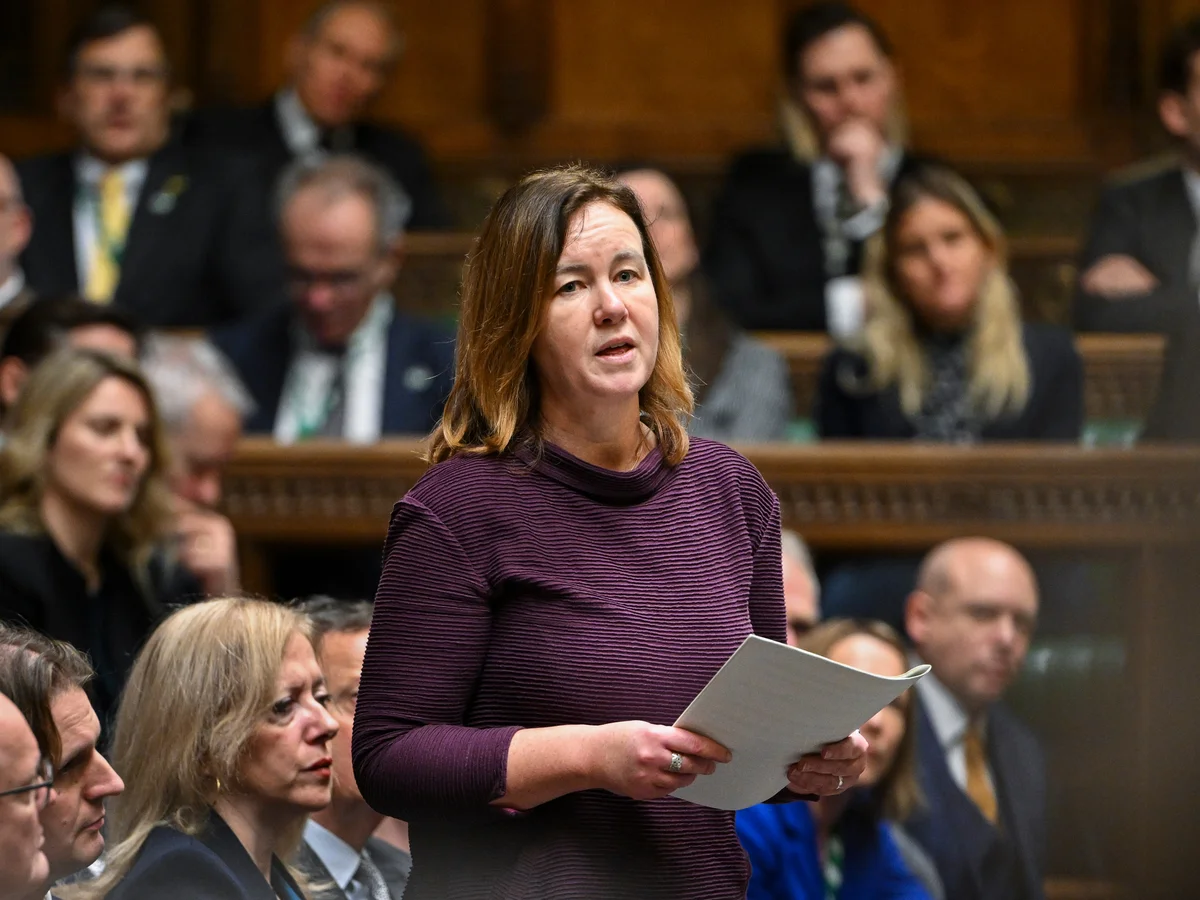
Marie Goldman, the Liberal Democrat spokesperson for women and equalities, has been a vocal champion for this legislative change. She argues that current laws are failing women and allowing domestic abuse to claim lives without legal consequence. Goldman believes that many suicides driven by systemic cruelty currently go entirely unreported as crimes. By making a homicide investigation mandatory in these cases, the police would be required to preserve the highest level of evidence from the outset. This would prevent the accidental destruction of digital and physical clues that might point toward a perpetrator’s criminal liability for the victim’s death.

The political reality of the situation remains complex given the significant majority held by the Labour government. Amendments introduced by opposition parties rarely pass without the explicit backing of the ruling party or a rare free vote for members. However, the moral weight of the domestic abuse argument is placing significant pressure on representatives from all political backgrounds. Campaigners are calling for a united front, urging MPs to look past party lines to support victims who have been silenced. They argue that justice should not be a matter of political affiliation but a fundamental right for every grieving family left behind.
Support for the amendment has been swift and passionate from leading advocacy groups across the United Kingdom. Pragna Patel, representing Project Resist, noted that her organization has long fought for a presumption of homicide in these sensitive cases. Project Resist launched a dedicated campaign last year specifically to challenge how the criminal justice system handles these tragic events. They believe that changing the procedural policy of the police and the Crown Prosecution Service is essential for modern justice. To these campaigners, the act of suicide is often the final symptom of a prolonged and calculated campaign of domestic abuse.
Frank Mullane, the chief executive of Advocacy After Fatal Domestic Abuse, brings a deeply personal and professional perspective to the debate. He insists that police must bring the same level of seniority and expertise to these suicides as they would to any murder. Mullane points out that multiple crime scenes often need protection, yet they are frequently ignored in standard suicide protocols. He warns that failing to treat these as homicides leads to the loss of vital evidence, such as laptops and phones. In many cases, these devices are mistakenly returned to the very individuals who should have been treated as primary suspects.
The insidious nature of coercive control is a central theme in the push for this new legal standard. Ellie Daniel from Women’s Aid emphasized that many victims are denied justice because their deaths were not “directly” at a perpetrator’s hands. She argues that the law must recognize how domestic abuse can be just as lethal as a physical weapon. Coercive and controlling behavior can trap a person in a state of psychological imprisonment that leads to a tragic end. By investigating these as homicides, the state finally acknowledges the lethal power of emotional and psychological domestic abuse on a victim’s mental state.
There is a growing sense of urgency among survivors and their families who feel the current system is indifferent. They argue that a suicide following years of documented domestic abuse should never be dismissed as a simple mental health crisis. Instead, it should be viewed as a potential culmination of a crime that began long before the final act occurred. This shift would require police officers to receive specialized training in recognizing the subtle patterns of domestic abuse during death investigations. The move is designed to ensure that the “insidious nature” of such crimes is no longer a barrier to seeking legal truth.

The Home Office has responded to the growing outcry by acknowledging that the current level of violence is entirely intolerable. A spokesperson stated that the government is committed to using the full power of the state to tackle the issue. They pointed to the Violence against Women and Girls Strategy as evidence of their commitment to improving how deaths are recorded. While the government has its own plans for reform, it remains to be seen if they will adopt the specific homicide presumption. The debate in Parliament will likely focus on whether current improvements go far enough to satisfy the demands of domestic abuse survivors.
Legal experts suggest that treating these suicides as homicides would be one of the most significant shifts in UK criminal law. It would mean that every detail of a victim’s history of domestic abuse would become part of a formal criminal inquiry. This would place a much higher burden of proof on the police to rule out foul play or criminal incitement. It would also offer families a greater sense of closure, knowing that the state took their loved one’s suffering seriously. The outcome of the upcoming debate will signal how far the UK is willing to go to punish domestic abuse.
As the date for the debate approaches, the stories of those lost to domestic abuse are being shared with renewed intensity. Families are speaking out about the warning signs that were ignored and the investigations that were closed too quickly. They see this amendment as a chance to rewrite the future for others who may currently be trapped in abusive cycles. The hope is that by investigating suicide as homicide, the law will finally provide a deterrent to abusers. If perpetrators know their actions could lead to a murder investigation, the dynamics of domestic abuse might finally begin to shift.
The English Chronicle will continue to follow this story as it moves through the halls of Westminster and into the public consciousness. The debate represents a pivotal moment for British society to decide how it values the lives of those harmed behind closed doors. Whether the amendment passes or leads to a different form of compromise, the conversation has changed permanently. Domestic abuse is no longer being treated as a private matter, but as a public crisis that demands the highest level of police intervention. The eyes of the nation are now on Parliament to see if they will deliver the justice so many seek.
Related News:
 British Woman in Iran ‘Losing Hope’ Amid Ongoing Detention
 BBC Journalist Held and Interrogated in Vietnam
 Green Party Surges Past Labour in Latest UK Poll
 Celebrities and Charities Demand UK Government Act on Child Poverty
 Trump’s UK Ambassador Urges North Sea Drilling to Strengthen US Ties
 FBI Director Kash Patel Defends Girlfriend Amid Government Jet Claims
 French Taxi Driver Cleared in David Lammy Theft Case After Fare Dispute
 ‘Reckless’ cuts to victims’ services will cost more than they save
 Millionaires group urge Reeves to introduce wealth tax to ‘lift kids out of poverty’
 Starmer Faces Growing Dissent as Labour MPs Weigh Leadership Challenge
 Reeves rejects £1bn plea for NHS redundancy payouts
 Politics latest: Starmer ‘will fight any leadership coup’ as Streeting denies attempt to oust Labour PM
 PM Condemns Leaks, Vows Loyalty to Ministers and Stability
 Major Rent Reform Ends No-Fault Evictions in England
 Peers Flood Assisted Dying Bill with 942 Amendments
 England’s Special Needs Support Faces Breaking Point
 MoD warned over Excel risks before Afghan data breach
 UK Asylum Overhaul Sparks Debate Over Human Rights and Deportations
 UK Warns China After MI5 Issues Espionage Alert
 Labour Faces Historic Decline in Wales
 PM Highlights UK Business at G20 in South Africa
 Kate Forbes: Motherhood Harder Than Politics
 Most Tories Expect to Support a Farage-Led Government
 Labour MP claims devolution bill is ‘blatant discrimination’ against Cornwall
 Millions Face Higher Taxes Under Reeves New Budget
 Peers Get Extra Time to Debate Assisted Dying Bill
 Starmer Says Labour’s Economic Plan Needs Years to Deliver
 Culture secretary to review Telegraph takeover by Daily Mail owner
 Andy Burnham Apologises for Past LGBTQ+ Police Discrimination
 Plans to Limit Jury Trials Face Retreat After Mounting Opposition
 Jenrick Reform defection deepens Tory civil war
 Right Must Unite After Jenrick Defection, Urges Rees-Mogg
 UK Ministers Drop Foreign Student Targets for Global Education Push
 MPs warn AI financial risks threaten UK stability
 MPs warn AI financial risks threaten UK stability
 No Gas Boiler Ban as UK Warm Homes Plan Backs Heat Pumps
 Hugh Grant Joins Call for Under-16 Social Media Ban in UK
 Shinzo Abe’s killer receives life sentence in Japan
 Lords Vote Piles Pressure on Starmer Over Social Media Ban
 Planned Troubles Board Game Sparks Outrage in Northern Ireland
 Reform UK Health Plan ‘Would Cost £1.7bn’, Streeting Says
 Police response times face strict new national limits
 Labour policing overhaul sparks fears over growing central control
 Tories criticised after Braverman defection sparks mental health row
 Burnham Westminster return hopes fade amid Labour rift
 Starmer warns of toxic division politics in Reform challenge
 Starmer China visit raises human rights pressure on Beijing
 Labour Must Revive High Streets to Avoid Election Collapse
 Calls Grow for King Charles to Apologise for Crown’s Role in Slavery
 Palantir contracts face UK halt calls over transparency
 Labour Thinktank Row Deepens Over Journalist Probe Claims
 Sarwar call shakes Labour as No 10 calms fears
 Labour Lord Doyle Apologises Over Paedophile Ties in Political Storm
 Cabinet Secretary Shake-Up Triggers Due Diligence Warning
 Starmer Faces Inquiry Calls Over Thinktank Probe
 Royal Mail Delivery Crisis Deepens Amid Weather Chaos
 Labour Together probe scandal sparks fresh Cabinet Office investigation
 Farage to Name Jenrick as Reform Chancellor Pick
 Farage Unveils Reform UK Frontbench Team
 NHS Negligence Ruling Raises Payout Costs
 Civil Service Pay: Union Urges Ministers to End ‘Barking Mad’ Limits
 Antonia Romeo appointment sparks criticism
 Trump and Chagos Deal Rift Over Iran Strikes
 Andrew Mountbatten-Windsor Arrest After FBI Radar
 Farage Chagos Islands Row Sparks Fury
 Trump Tariffs Threat Spark UK and EU Alarm
 Gasfield Deal Sparks Debate Over Fracking in Lincolnshire
 Reform UK targets workers’ rights repeal
 Ministers Urged to Ban Crypto Political Donations
 Mandelson Denounces Arrest Over ‘Baseless’ Fleeing Claims
 Russian Trade Routed Through British Islands Exposed
 Mandelson Arrest: Met Apologises to Hoyle
 Palestine Action ban appeal moves forward
 Reeves Must Back Defence Plan or Face Dismissal, Says Unite Chief
 NHS Maternity Units Cover Up Harmful Childbirth Errors
 Green Party Stuns Labour in Gorton and Denton Byelection
 Refugee Status Overhaul Sparks UK Debate
 UK Teen Social Media Ban Trials Begin
 Welsh Language Revolution Urged in New Report
 Trump Rebukes Starmer Over Iran Strikes Row