Published: 04 May 2026. The English Chronicle Desk. The English Chronicle Online.
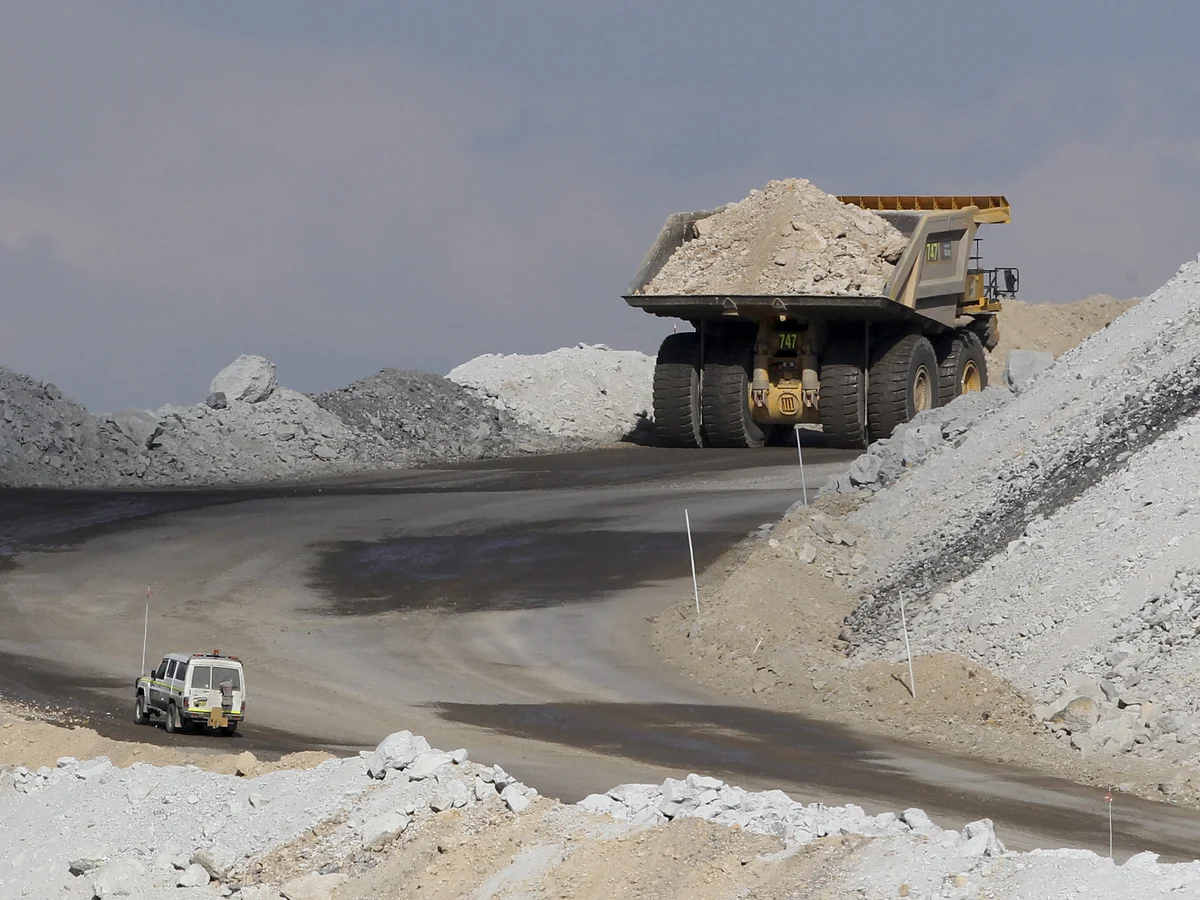
The global battle against climate change has faced a significant and startling new challenge today. A groundbreaking report from the International Energy Agency has sent shockwaves through the entire scientific world. This document reveals that methane leaks from Australian coalmines are vastly higher than previously thought. Official government figures provided to the United Nations appear to be missing over half the story. The agency now estimates that these emissions are more than double the currently reported national data. This discrepancy raises urgent questions about how we track and manage our warming planet effectively now. Analysts suggest this massive gap represents a critical failure in global environmental monitoring and reporting systems. The findings have ignited a fierce debate about transparency and accountability in the fossil fuel industry. Many experts believe this report must serve as a final warning for world leaders everywhere today. Australia finds itself under intense international scrutiny as the true scale of the problem emerges now.
The Global Methane Tracker report released this Monday highlights a very worrying trend for our atmosphere. It states that Australian coalmines emitted roughly 1.7 million tonnes of methane during the last year. This figure stands in stark contrast to the official government data of 0.82 million tonnes reported. Such a massive difference is equivalent to adding twenty-five million tonnes of carbon dioxide to the air. Much of this hidden pollution originates from the busy mining regions of Queensland and New South Wales. The IEA utilized advanced satellite technology to detect these invisible leaks from high above the earth. This modern method provides a much more accurate picture than the older ground-based estimation techniques used. Previous studies had already suggested that Australian emissions were likely sixty percent higher than the official records. However, these new satellite findings show that the situation is far more dire than anyone imagined. The sheer volume of under-reported gas suggests a systemic issue with how mining sites are monitored.

Dr. Sabina Assan works as a leading methane analyst at the influential energy thinktank known as Ember. She believes this report proves that Australian coal sector emissions remain drastically and dangerously under-reported today. The size of these potential emissions should serve as a loud wake-up call for the government. Australia must align its national policies with the latest climate science to protect our shared future. Committing to rapid cuts in coalmine methane is one of the cheapest ways to reduce warming. Scientists agree that methane is a much more potent greenhouse gas than simple carbon dioxide is. It has caused about thirty percent of the heating of the planet since the Industrial Revolution. Over a twenty-year timeframe, methane is eighty times more powerful at trapping heat in the atmosphere. Because it breaks down in just twelve years, cutting it brings very fast environmental benefits now. Reducing these leaks offers a unique opportunity to slow down the rate of global heating quickly.
The IEA report notes that thirty-five percent of human-made methane comes from the fossil fuel sector. Yet there is still no sign that these emissions are falling despite well-known mitigation pathways available. Proven technology exists to capture this gas and prevent it from reaching our delicate blue skies. Tim Baxter is a respected Australian climate and energy analyst who follows these trends very closely. He argues that urgent and permanent emission cuts could do an outsized amount of good today. While the world works on reducing fossil fuel use, we must stop these unnecessary leaks immediately. Australia bears a major responsibility because it remains one of the largest exporters of coal globally. The federal government appears increasingly isolated as it continues to defend its current estimation methods today. Essentially all independent assessments reveal enormous gaps between the official numbers and the lived reality now. The latest report is just one voice in a large choir singing a very troubling tune.
According to official estimates, the Australian agricultural sector is still considered the biggest methane emitter overall. Government data suggests agriculture produces over two million tonnes compared to the energy industry’s smaller reported share. Official records even claim that methane from coalmines has been falling steadily for almost two decades now. These figures show a drop from a peak in 2007 down to current levels in 2024. However, researchers at Ember argue this fall is merely an illusion created by poor accounting methods. They believe more emissions are being estimated by formulas rather than being directly measured by tools. One independent study of a Queensland mine found emissions were eight times higher than the reports. This UN-backed research used specialized monitoring equipment flown directly over the mining sites to gather data. The results were so shocking that they challenged the validity of the entire national reporting system. In response, the government formed an expert panel in 2024 to review these measurement practices.
The pressure is now mounting for the panel to deliver honest and transparent results very soon. Environmental advocates are calling for mandatory satellite monitoring for all major mining operations across the whole country. They argue that self-reporting by mining companies is no longer a viable or trustworthy method today. Transparency is the only way to ensure that climate targets are actually met by the deadline. If Australia cannot track its emissions accurately, it cannot hope to reduce them in any meaningful way. The global community is watching closely to see how the government responds to this latest evidence. Many believe that ignoring these findings would be a grave mistake for the future of the planet. International trade partners may eventually demand better environmental standards for the coal they buy from abroad. This could have significant economic implications for a nation that relies heavily on its mining exports. The transition to a cleaner economy requires a foundation of honest data and rigorous scientific proof.

There is a growing sense of urgency among climate activists who want to see immediate action. They point out that capturing methane can often be a profitable venture for the mining companies. Instead of leaking into the air, the gas can be used to generate clean electricity locally. This makes the failure to address the issue even more frustrating for those watching the clock. Every tonne of methane saved is a victory for the environment and for the coming generations. The technology is ready and the scientific case is now stronger than it has ever been. Australia has the wealth and the expertise to lead the world in methane reduction strategies today. Doing so would restore its international reputation and help protect the natural beauty of the continent. The Great Barrier Reef and other ecosystems are already feeling the heat from a changing global climate. Protecting these treasures requires a total commitment to reducing every single source of greenhouse gas emissions.
As the sun sets over the vast coal fields of New South Wales, the satellites continue. They are the silent witnesses to the invisible plumes of gas rising into the darkened evening sky. We can no longer pretend that what we do not measure does not exist at all. The IEA report has pulled back the curtain on a hidden and very dangerous problem. It is now up to the leaders in Canberra to step up and face the facts. The world is waiting for a response that matches the scale of the challenge we face. Honest reporting is the first step toward a cooler and more stable world for everyone today. We have the tools to fix this if we find the courage to act now. This wake-up call is ringing loudly across the oceans and into the halls of power. Let us hope that this time, the message is finally heard and the leaks are stopped. The future of our climate may very well depend on what happens in those mines today. Ensuring a safe world for our children starts with telling the truth about our own impact.
Related News:
 Capitol Attack Anniversary Sparks Deep Political Divide
 Saudi Officials Report Zubaidi Flee Before Yemen Peace Talks
 UK Targets in New York Bomb Threat Hoax: Man Jailed
 Gambia Supreme Court Hears Case to Overturn FGM Ban
 Trump targets Iran trade with 25% tariff warning
 US Senate rejects resolution limiting Trump military powers
 Gulf states warn Trump Iran strikes risk wider Middle East war
 Machado Trump medal gesture reshapes Venezuela power struggle
 Greenland defence seen as shared Nato duty amid troop arrivals
 Geopolitical football: Iran, Trump and the World Cup clash
 Canada-China trade gains momentum in new strategic partnership
 Trump Receives Machado’s Nobel Medal in White House Meeting
 Syria President Declares Victory as Ceasefire Reached with SDF
 US Considers Asylum for British Jews Amid Rising Antisemitism
 Trump slams UK ‘stupidity’ over Chagos Islands, eyes Greenland takeover
 Shinzo Abe’s killer receives life sentence in Japan
 China General Under Investigation Amid Leadership Purge
 Philippines ferry disaster leaves 15 dead, dozens missing
 Cambridge Faces Scrutiny Over Arms Investment Transparency
 Epstein UAE Emails Shake British Royal Andrew’s Legacy
 Christchurch gunman seeks to vacate guilty plea
 Infantino Faces Russia Threat and Trump Concerns at Uefa Congress
 Concerns rise for Canberra boy amid Iran detention fears
 Caribbean Leaders Urge Dialogue Amid US Oil Embargo on Cuba
 Ukraine Sends Drone Experts to Defend US Bases in Jordan
 Abramovich Chelsea Sale Cash Faces Jersey Probe
 Yvette Cooper: UK Must Follow Principles, Not US Pressure
 Slovenia Election: A Nation at a Crossroads
 Jury Rules Meta and YouTube Liable for Addictive Design
 Saudi Arabia Urging US to Keep Up Iran Attacks
 Trump Softens Cuba Oil Stance as Russian Tanker Nears
 The Woman Guarding Earth From the Threat of Asteroids
 IMF Predicts Global Economic Crisis Due to Gulf Unrest
 California Defies Trump With Strict New AI Standards
 Germany Grapples With AI Abuse Following TV Star Scandal
 Exiled Tycoon Warns of New Russian Attacks on UK Soil
 Labor Under Fire Over Stalled University Fee Reform
 LA 2028: Millions of Affordable Olympic Tickets Announced
 Trump Slams Europe as Transatlantic Tensions Boil Over
 Inside the Deceptive Machine: A Former Producer Speaks Out
 Italy Faces Third Successive World Cup Absence After Loss
 Starmer Urges Ambitious EU Ties Amid Middle East Conflict
 Spain Faces Backlash Over Xenophobic Chants in Egypt Draw
 A Global Voice For Justice: Stephen Lewis Dies At Age 88
 Trump Issues Stark Warning After Strike On Iran’s Largest Bridge
 Hope and Fear as Iranians Flee Across the Turkish Border
 Tragic End to Outback Search as Floods Claim a Life
 Ben Roberts-Smith Arrested Over Alleged War Crimes
 Reform UK Pledges To Halt Visas Over Reparations Demands
 US and Iran Agree to Two-Week Provisional Ceasefire
 Starmer visits Gulf as US and Iran agree ceasefire
 Gaza Child Arrives in UK for Life-Changing Care
 Israel Defies Ceasefire as Lebanon Operations Persist
 Pakistan Brokers Historic Peace Deal Amid Rising Tensions
 UK Holds Firm on Strait of Hormuz Amid Trump Pressure
 Trump Signals Hope for New Iran Talks as Ceasefire Fades
 Reeves Slams Trump Over Iran War Lack Of Exit Plan
 US and Iran Pursue Extension of Ceasefire via Pakistan
 Trump’s Islamabad Gamble: The High Stakes of a New Iran Deal
 Ian Katz to Step Down as Channel 4 Content Chief
 The General’s Gambit: Pakistan’s New Role in Global Peace
 Mexico, Spain and Brazil call for Cuba dialogue amid crisis
 Pakistan’s Ambitious Bid for Middle East Peace
 Trump Starts $166bn Tariff Refund Process
 Israeli Soldiers Jailed Over Vandalism of Lebanese Statue
 Trump Weighs Sending Afghan Allies to the Congo
 Timor-Leste Faces Tough Questions Over Resort Proposal
 Pentagon Shakes Up Navy Leadership Amid Hormuz Blockade
 Trump Threatens UK With Big Tariff Over Tech Tax
 Prominent Voices Challenge Palestine Action Ban
 Security Scrutiny After Washington Shooting Incident
 Stalled Diplomacy: Middle East Peace Efforts Reach Deadlock
 Merz Criticises US Approach in Iran Conflict
 UK Envoy Sparks Controversy Over Special Relationship Claims
 Ukraine Urges UK to Seize Russian Oil Tankers
 US Calls Australia Media Law “Foreign Extortion”
 The Billionaire’s Secretary and the £1m Fraud
 Desperation in Odisha: A Brother’s Grim Bank Protest
 Questions Remain Over The Tragic Bondi Massacre
 Ukraine strikes Tuapse as oil disaster worsens