Published: March 5, 2026
The English Chronicle Desk
The English Chronicle Online
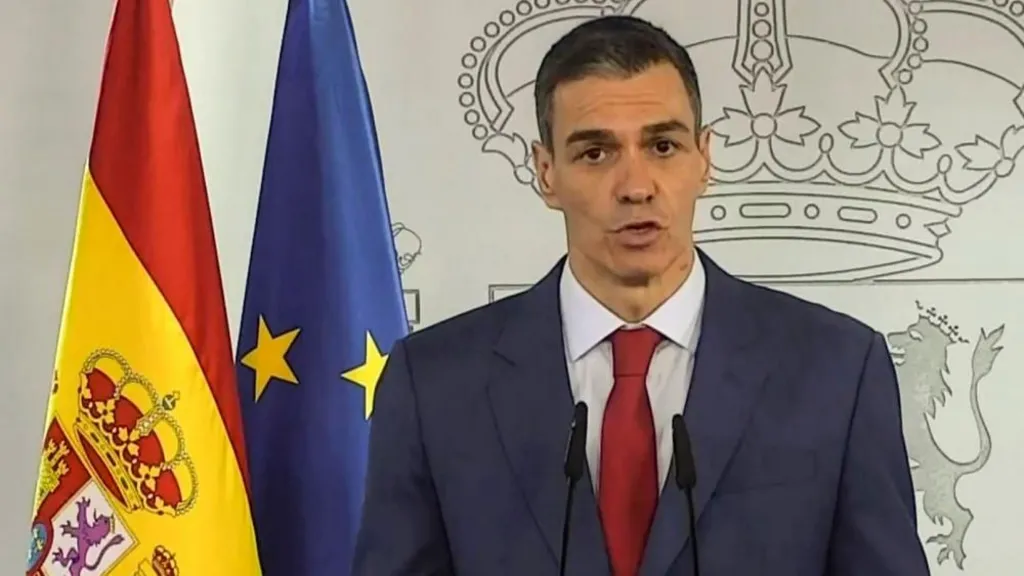
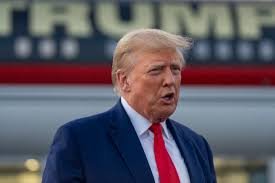
Spanish Prime Minister Pedro Sánchez has rebuffed a direct threat from United States President **Donald Trump to sever trade ties with Spain over Madrid’s refusal to support military operations linked to the widening conflict in Iran, restating his government’s commitment to peace and the rule of international law. Sánchez delivered a televised address on Wednesday in which he summed up Spain’s position succinctly as “no to war,” underscoring his government’s opposition to involvement in further military action beyond diplomatic channels.

The dispute escalated after Trump criticised Spain for declining to allow US forces to use jointly operated military bases at Rota and Morón for strikes against Iran, and subsequently threatened to cut all trade relations with the European nation. Trump also lambasted Spain for not meeting what he has called higher defence spending targets within NATO, and made sharp remarks about Spain’s role as an ally, remarks that drew strong rebukes from Madrid.
In his address from Madrid, Sánchez argued that Spain’s stance does not indicate support for the Iranian regime but reflects a principled refusal to engage in actions he views as contrary to international legality and harmful to global stability. He referenced past conflicts, including the 2003 Iraq War, warning that repeating historical mistakes through unilateral military action would only deepen insecurity and suffering. “One cannot answer one illegality with another, because that is how humanity’s great disasters begin,” Sánchez said, emphasising that the Spanish government would not be driven by fear of reprisals to compromise its values.
The prime minister also outlined that his administration is considering measures to mitigate potential economic fallout if trade relations were to be disrupted, highlighting that Spain has the resources to protect workers, households and businesses in the face of external economic pressure. He said solid public and political support remains for a foreign policy grounded in diplomacy and peace.
Sánchez’s comments reflect broader tensions between several European governments and the Trump administration over the military campaign in Iran. European Commission officials and leaders from the European Union have expressed solidarity with Spain, warning that any punitive trade measures against an EU member could have ramifications for the entire bloc and complicate transatlantic economic relations.
The diplomatic spat has highlighted divisions within NATO and among traditional US allies on how to respond to the Middle East conflict, with Spain emerging as one of the most outspoken critics of the military approach. Sánchez’s insistence on peaceful resolution and legal norms has won praise from some European leaders and progressive constituencies, even as concerns grow about the potential economic consequences should trade sanctions be pursued.

The incident has become a flashpoint in wider debates over the balance between security commitments and national sovereignty within international alliances, particularly as governments navigate the challenges of conflict, alliance cohesion and public sentiment in a period of intensified global tension.
Related News:
 Global Order Is ‘Breaking Down’, Carney Tells Australian Parliament
 Shock US Raid: Maduro Pleads Not Guilty in Manhattan Court
 Israel Dossier Sparks Australian Political Interference Concern
 Trump Says US Will Act on Greenland ‘Whether They Like It or Not’
 Machado Trump medal gesture reshapes Venezuela power struggle
 Trump Receives Machado’s Nobel Medal in White House Meeting
 Iran unrest slows under brutal crackdown and global tensions
 US Considers Asylum for British Jews Amid Rising Antisemitism
 Russia Strikes Kyiv and Kharkiv as Peace Talks Enter Day Two
 Emails Show Epstein Funded Mandelson’s Husband After Jail
 Thousands Protest ICE Operations in Nationwide US Day of Action
 Epstein Files Reveal Trump Officials’ Emails with Financier
 Thousands Protest ICE in New York Against Trump Deportation Campaign
 US Must Be Prudent When Supplying Arms to Taiwan, Xi Tells Trump
 Fears of New Arms Race as US-Russia Nuclear Weapons Treaty Expires
 Britain’s Reliance on China Makes Us ‘Weak Link in the West’, Warn MPs
 UK Has Not Given US Permission to Use RAF Bases for Iran Strikes
 Bill Gates Pulls Out of India’s AI Summit Over Epstein Files Controversy
 Billionaire Les Wexner Tells US Lawmakers He Was ‘Naive’ and ‘Conned’ by Epstein
 Inside Kyiv’s resolve as conflict nears five‑year mark
 Blackouts and Emergency Aid: Why the Cuban Revolution Faces Its Biggest Threat Yet
 UK Will Allow US to Use Bases to Strike Iranian Missile Sites, PM Says
 Cooper: Joining US Strikes on Iran ‘Not in Britain’s Interest’
 Trump’s Iran Endgame Unclear After Mixed Messaging on War Aims
 Israel Launches Fresh Strikes on Tehran & Beirut; US Warns “Hardest Hits” Ahead
 Nepal Holds First General Election Since Gen Z Protests Toppled Government
 US Submarine Sinks Iranian Warship in Indian Ocean, Hegseth Says
 UK Must Act with Courage and Clarity on Israel-Palestine Conflict, Says Foreign Affairs Committee Report
 Radioactive Leak at UK’s Nuclear Warhead Base Sparks Outcry Over Safety and Secrecy
 Mutual Inconvenience: Why Alaska Was Chosen for the Trump-Putin Summit on Ukraine
 Hong Kong Summons UK and Australian Envoys Following Asylum Grants to Democracy Activists
 Is the UK Ready to Put Boots on the Ground in Ukraine? Assessing Military Capacity and Challenges
 Channel Crossings Surge: Over 1,000 People Arrive in the UK in Small Boats in a Single Day
 Widow of Charlie Kirk Forgives Killer at Emotional Memorial Service
 Yvette Cooper Signals Global Momentum Towards Gaza Peace Deal Amid Humanitarian Crisis
 Public Trust in SNP Hits Historic Low Amid NHS Concerns
 Johnson Suggests Mandelson Linked to China Spy Controversy
 Rachel Reeves signals welfare reform ahead of key budget
 Russia’s Latest Push to Win US Favors Shows Deep Desperation
 BBC to Apologise Over Edited Trump Speech Amid Backlash
 Britain deploys RAF specialists to assist Belgium with drone threats
 Trump Urges Herzog to Grant Netanyahu Full Pardon
 Indian authorities demolish Kashmir home linked to Red Fort blast
 Greene Pushes Epstein Files Amid Trump Fallout
 Trump Deploys DHS to Charlotte in Major Arrest Operation
 December Run-Off in Chile as Election Produces No Winner
 Canada Passes Carney’s First Budget in Tight Parliamentary Vote
 Shadow Fleet at Sea: Europe’s Battle Against Illicit Oil Shipping
 India’s COP30 Delay Raises Global Climate Concerns
 Georgians Defy Government Crackdown After Year of Protests
 Russia losses Ukraine war peace talks intensify amid rising deaths
 Albanese Opens Door to Bondi Royal Commission Amid Rising Pressure
 Trump Escalates Minnesota Immigration Surge Amid Rising Tensions
 US Senate rejects resolution limiting Trump military powers
 Gulf states warn Trump Iran strikes risk wider Middle East war
 EU weighs response amid Greenland tariff crisis with Trump
 Shinzo Abe’s killer receives life sentence in Japan
 American democracy faces crisis after Trump’s return
 EU Says US Ties Have Suffered ‘Big Blow’ After Greenland Crisis
 Israel Moves to Bar MSF From Gaza Operations
 Australian Families Leave Syrian Camp for Home
 Starmer Weighs Fast-Tracking Defence Boost
 Nine Arrested in France Over Death of Far‑Right Student
 Indian University Kicked Out of AI Summit for Claiming Chinese Robot Dog as Its Own Invention
 Andrew Arrest Sparks Republic Debate in Australia
 Australian PM Says Former Prince Andrew Has Suffered ‘Extraordinary Fall’ but That Won’t Prompt Republic Referendum
 Musk Cuts Starlink Access for Russian Forces – Giving Ukraine an Edge at the Front
 Farage Chagos Islands Row Sparks Fury
 Ukraine Negotiator Reveals What It Feels Like Facing Russia
 Chad Shuts Border With Sudan in Bid to Stop Conflict Spreading
 French Minister Moves to Block US Envoy Kushner from Government Access
 Drugs, Denial, Stigma: Fiji’s HIV Crisis Hits Children
 Has Europe truly learned from the failures of 2022?
 American Citizen Killed in Cuba Boat Shooting, U.S. Officials Say
 Iran’s Regime Still Intact — Coming Days Will Test Its Survival
 Allies of US in the Gulf Bear Brunt of Iran Attacks
 Trump Faces Questions Over Iran Conflict Plan
 Months of Planning Behind US‑Israeli Mission to Target Iran’s Supreme Leader
 Israel Launches Ground Invasion of Lebanon Amid Widening Middle East War
 Herzog Asio meeting sparks security storm