Published: March 5, 2026
The English Chronicle Desk
The English Chronicle Online
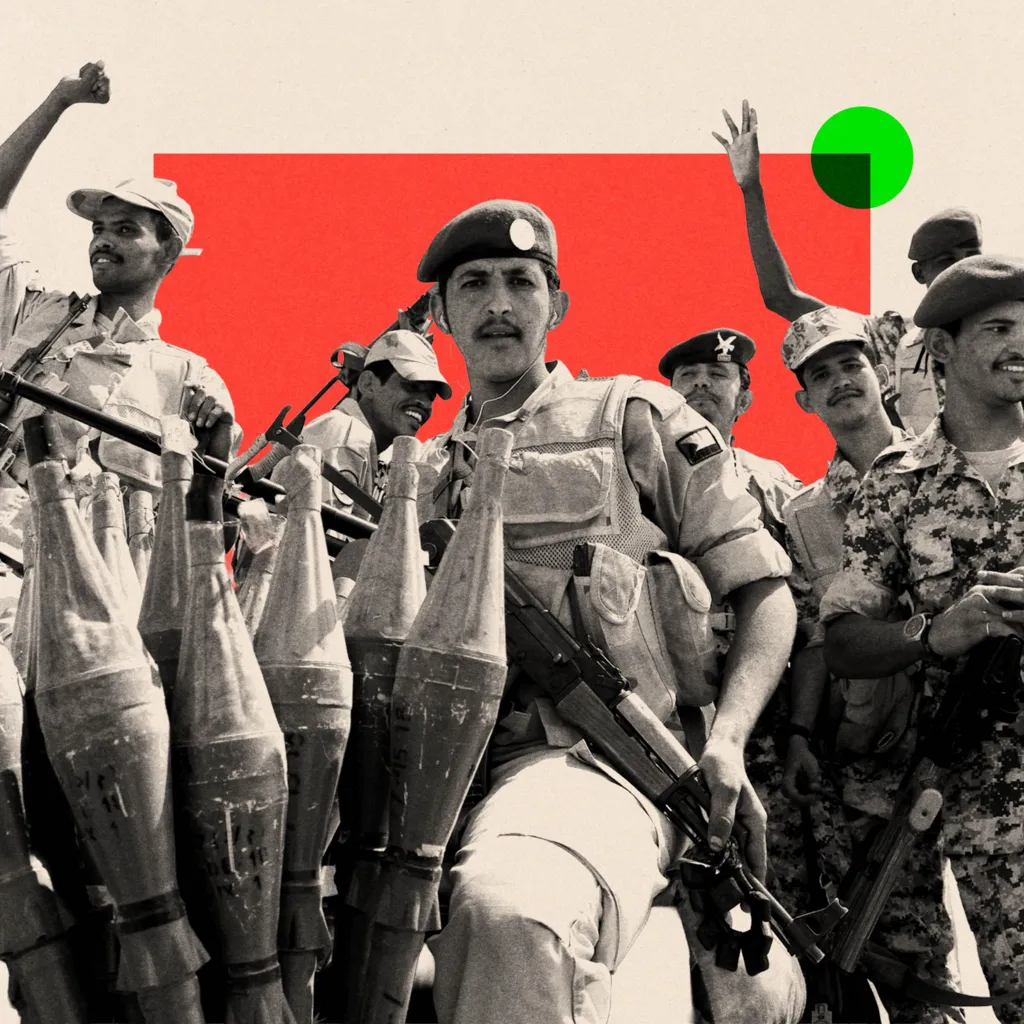
In the midst of a series of violent global flashpoints, one of the most protracted and destructive conflicts continues unabated in Sudan, where rival factions are locked in a prolonged war marked by entrenched motives and shifting alliances. What began as a power struggle between the Sudanese Armed Forces (SAF) and the paramilitary Rapid Support Forces (RSF) has evolved into a broader national crisis in which both sides retain compelling, if deeply opposed, reasons to continue fighting — a dynamic that has made peace elusive and humanitarian suffering severe.

The roots of the conflict trace back to a breakdown in political order and decades of authoritarian governance, but the current war, which erupted in April 2023, has layered complex strategic, economic and identity interests on top of personal rivalries among military leaders. Both the SAF and RSF describe the struggle in existential terms: the paramilitary force led by Muhammad Hamdan Dagalo (Hemedti) frames its campaign as a revolutionary effort to dismantle the entrenched military‑dominated state and forge a new political structure, while the SAF sees RSF aspirations as an illegitimate challenge to sovereign authority and national stability.
Long‑standing ethnic divisions have also been weaponised, with nomadic Arab groups in the south and west — core support bases for the RSF — pitted against populations aligned with the traditional Nile Valley power structure that underpins the SAF. Violence in regions such as Darfur has taken on the hallmarks of ethnic targeting, prompting accusations of mass atrocities and even genocide by United Nations observers.
The wider strategic stakes have compounded the conflict’s intractability. Outside powers — including the United Arab Emirates, Turkey, Iran, Egypt, Qatar and Saudi Arabia — have supplied weapons, political backing or logistical support to one faction or the other, viewing the outcome as tied to their influence in the Horn of Africa. Those external interests have sometimes encouraged continued fighting, as neither side’s patrons want to see their investment dissipate without securing political advantage.
Humanitarian consequences have been catastrophic. Millions of Sudanese have been displaced, with estimates suggesting **more than 12 million people forced from their homes and 25 million facing acute food insecurity. The war has created one of the most severe humanitarian crises in the world, with widespread shortages of food, medical supplies and basic services.
Efforts to broker peace have thus far faltered, in part because each side calculates that continuing the fight may yield better long‑term leverage than agreeing to a ceasefire perceived as a surrender. The so‑called “Quad” framework — involving the United States, Saudi Arabia, the UAE and Egypt — has proposed a roadmap for a humanitarian truce and broader negotiations. While the RSF has verbally acknowledged aspects of this plan, neither faction has committed formally, and fighting has in some cases intensified despite international mediation attempts.
Analysts point out that a sustainable end to hostilities would require addressing fundamental questions of governance, identity, security and resources. A ceasefire or humanitarian respite would only be meaningful if it were tied to agreements on political power‑sharing, resource distribution and accountability for war crimes — matters on which both sides remain deeply opposed.

For the civilians caught between the bullets, this war has become a grim daily reality. Thousands continue to flee conflict zones, seeking refuge in neighbouring countries, while international aid efforts struggle to keep pace with the scale of displacement and hunger. In a conflict where both factions believe the stakes are existential, the incentives for peace remain outweighed by the perceived costs of compromise.
Related News:
 US Submarine Sinks Iranian Warship in Indian Ocean, Hegseth Says
 Iran Postpones Khamenei Funeral as US‑Israeli Bombardment Continues
 Bill Gates Pulls Out of India’s AI Summit Over Epstein Files Controversy
 Billionaire Les Wexner Tells US Lawmakers He Was ‘Naive’ and ‘Conned’ by Epstein
 Ukraine Negotiator Reveals What It Feels Like Facing Russia
 Mandelson Arrested Amid Political Turmoil as Ukraine Marks Four Years of Conflict
 Russian Troops Executed by Commanders, Soldiers Tell BBC
 Inside Kyiv’s resolve as conflict nears five‑year mark
 ‘Anyone who runs is shot’: Russian soldiers describe killings of troops who refuse orders
 Ukraine remembers its dead as war enters a fifth year
 Israel and Hezbollah Exchange Fire as Conflict Worsens
 Iran’s Regime Still Intact — Coming Days Will Test Its Survival
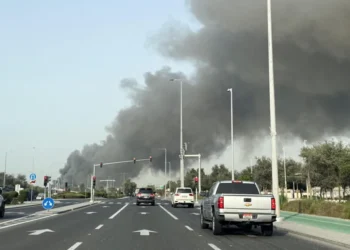 Allies of US in the Gulf Bear Brunt of Iran Attacks
 Hopes and Fears as US Iranians Take to Streets After Toppling of Supreme Leader
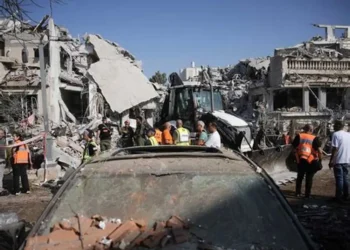 Retaliations Continue on Day Two of US-Israel Attacks on Iran
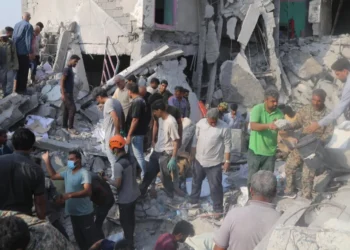 At Least 153 Dead After Reported Strike on School, Iran Says
 At Least 153 Dead After Reported Strike on School, Iran Says
 ‘It’s Eerie’ – Dubai on Edge as City Comes Under Attack
 BBC Reports from Beit Shemesh After Deadly Iranian Missile Strike
 Iran, the US, and a World Cup That Starts in Three Months
 UK Will Allow US to Use Bases to Strike Iranian Missile Sites, PM Says
 Cooper: Joining US Strikes on Iran ‘Not in Britain’s Interest’
 Trump’s Iran Endgame Unclear After Mixed Messaging on War Aims
 Rubio Responds to Reported Strike on Iranian School
 Scots Caught Up in Middle East Crisis ‘Just Waiting for the Next Explosion’
 Why the US and Israel attacked Iran
 Israel Launches Fresh Strikes on Tehran & Beirut; US Warns “Hardest Hits” Ahead
 Three Days In, This War’s End Is Still Unclear
 US Has ‘Enough Weapons for Forever War,’ Trump Says
 Israel Strikes Lebanon After Hezbollah Rocket Fire as Iran Conflict Widens
 Israel’s New Airstrikes on Tehran & Beirut After US Embassy in Riyadh Is Hit
 Israel Launches Ground Invasion of Lebanon Amid Widening Middle East War
 Iranian Rockets Are Testing the Resolve of Dubai’s Instagram Stars
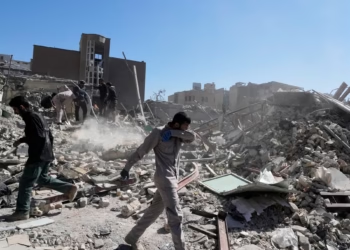 US Embassy in Riyadh Hit by Iranian Drones as Israeli Troops Enter Southern Lebanon
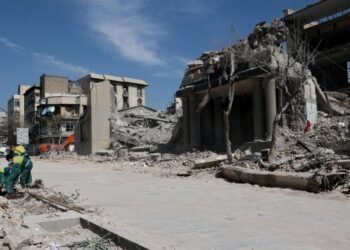 US Senate Backs Trump War Powers Amid Iran Missile Barrage
 Nepal Holds First General Election Since Gen Z Protests Toppled Government
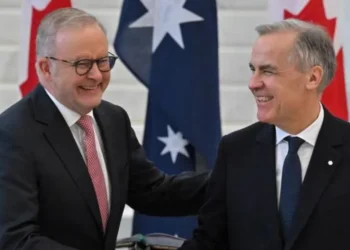 Global Order Is ‘Breaking Down’, Carney Tells Australian Parliament
 Spain’s Sánchez Hits Back at Trump Threat to Sever Trade, Says ‘No to War’
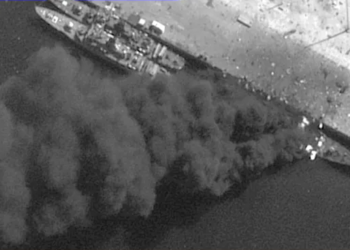 Satellite Images Show Iranian Navy and Nuclear Sites Hit by US‑Israeli Strikes
 UK Must Act with Courage and Clarity on Israel-Palestine Conflict, Says Foreign Affairs Committee Report
 Radioactive Leak at UK’s Nuclear Warhead Base Sparks Outcry Over Safety and Secrecy
 Mutual Inconvenience: Why Alaska Was Chosen for the Trump-Putin Summit on Ukraine
 Hong Kong Summons UK and Australian Envoys Following Asylum Grants to Democracy Activists
 Is the UK Ready to Put Boots on the Ground in Ukraine? Assessing Military Capacity and Challenges
 Channel Crossings Surge: Over 1,000 People Arrive in the UK in Small Boats in a Single Day
 Widow of Charlie Kirk Forgives Killer at Emotional Memorial Service
 Yvette Cooper Signals Global Momentum Towards Gaza Peace Deal Amid Humanitarian Crisis
 Public Trust in SNP Hits Historic Low Amid NHS Concerns
 Russia’s Latest Push to Win US Favors Shows Deep Desperation
 BBC to Apologise Over Edited Trump Speech Amid Backlash
 Britain deploys RAF specialists to assist Belgium with drone threats
 Trump Urges Herzog to Grant Netanyahu Full Pardon
 Indian authorities demolish Kashmir home linked to Red Fort blast
 Greene Pushes Epstein Files Amid Trump Fallout
 December Run-Off in Chile as Election Produces No Winner
 Canada Passes Carney’s First Budget in Tight Parliamentary Vote
 Shadow Fleet at Sea: Europe’s Battle Against Illicit Oil Shipping
 India’s COP30 Delay Raises Global Climate Concerns
 Georgians Defy Government Crackdown After Year of Protests
 Albanese Opens Door to Bondi Royal Commission Amid Rising Pressure
 EU weighs response amid Greenland tariff crisis with Trump
 EU Says US Ties Have Suffered ‘Big Blow’ After Greenland Crisis
 Israel Moves to Bar MSF From Gaza Operations
 Australian Families Leave Syrian Camp for Home
 Starmer Weighs Fast-Tracking Defence Boost
 Nine Arrested in France Over Death of Far‑Right Student
 Andrew Arrest Sparks Republic Debate in Australia
 Australian PM Says Former Prince Andrew Has Suffered ‘Extraordinary Fall’ but That Won’t Prompt Republic Referendum
 Musk Cuts Starlink Access for Russian Forces – Giving Ukraine an Edge at the Front
 Farage Chagos Islands Row Sparks Fury
 Chad Shuts Border With Sudan in Bid to Stop Conflict Spreading
 French Minister Moves to Block US Envoy Kushner from Government Access
 Orbán Accuses Ukraine of Disrupting Oil Supplies to Hungary
 Has Europe truly learned from the failures of 2022?
 American Citizen Killed in Cuba Boat Shooting, U.S. Officials Say
 Trump Faces Questions Over Iran Conflict Plan
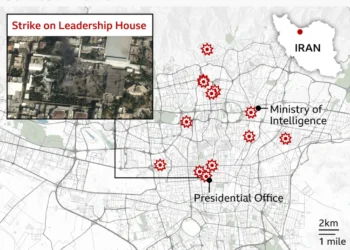 In Maps: Strikes Across Iran and the Middle East
 The Third Day of the US‑Israeli War With Iran
 Herzog Asio meeting sparks security storm
 Civilian Deaths in Iran Pass 700 Amid Fear of Bombs and Regime Clampdown