Published: March 5, 2026
The English Chronicle Desk
The English Chronicle Online
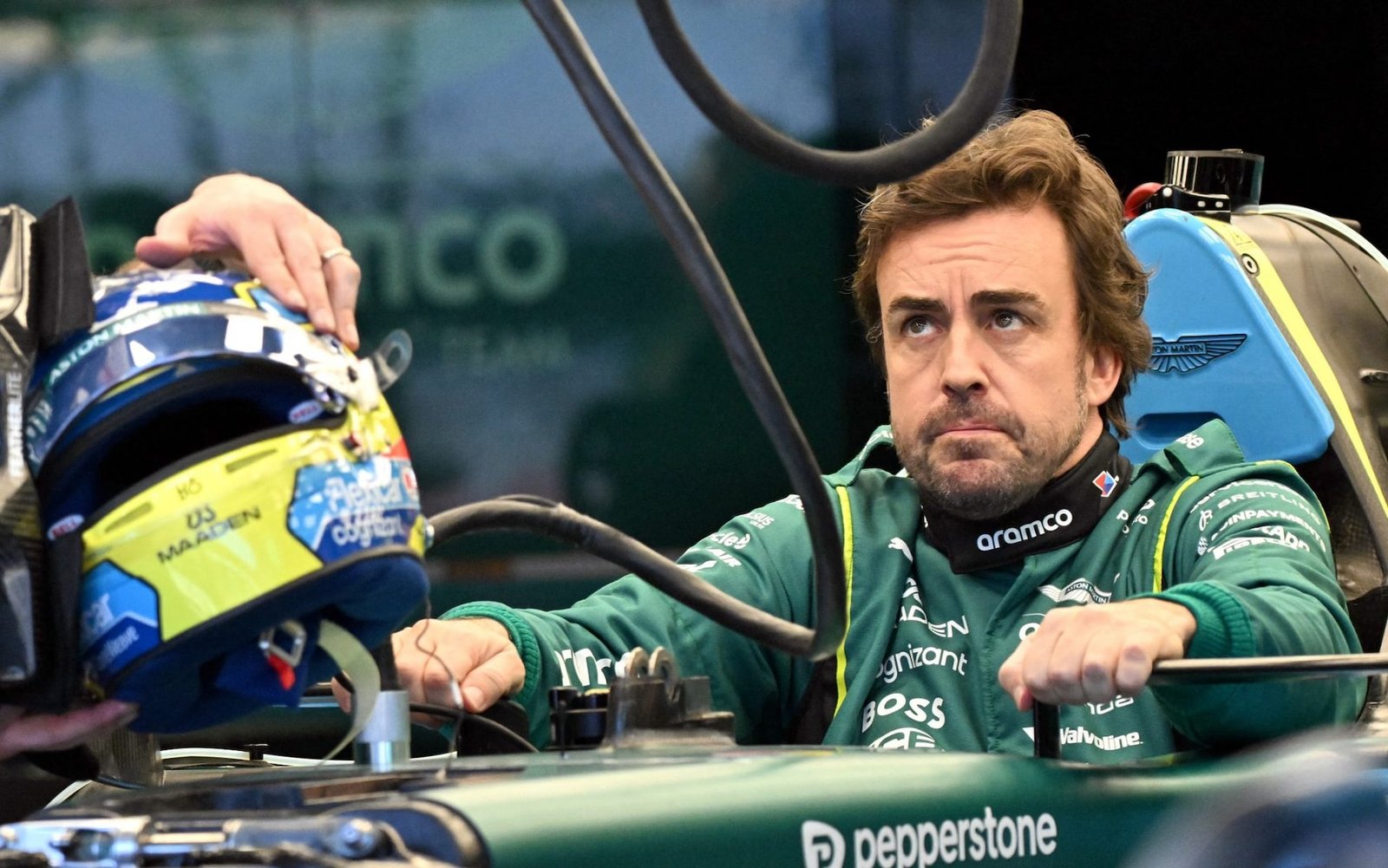
Formula 1 driver Fernando Alonso has raised serious concerns about his physical future after describing fears of “permanent nerve damage” linked to the performance and handling issues of his Aston Martin race car during recent competitive outings. The two‑time world champion’s comments have intensified scrutiny of the team’s 2026 car development and placed fresh pressure on engineers striving to rectify its shortcomings ahead of the season’s next rounds.

Alonso, 43, has endured a difficult start to the current campaign as the AMR26 — Aston Martin’s new challenger — has struggled with stability, unpredictable handling and issues with ride quality that affect driver control at high speed. In comments to media after struggling through an early weekend session, Alonso said he had experienced significant physical feedback from the car, including symptoms consistent with extreme vibration and strain on his hands and arms that he worried could cause long‑term nerve injury.
“It’s not just about performance,” Alonso said. “When the car is unstable and reacts unpredictably, the physical toll mounts. I’ve got real concerns about nerve stress in my hands and arms if these conditions persist. This isn’t something you want lingering into retirement.” The remarks reflect mounting frustration from the Spanish driver, who has long been considered one of the sport’s most technically perceptive competitors.
Aston Martin team principal Mike Krack acknowledged the severity of Alonso’s concerns but stressed that the team is committed to addressing the mechanical and aerodynamic issues identified so far. “Fernando’s wellbeing is our priority,” Krack told reporters. “We are working relentlessly to understand the root causes and implement upgrades that will improve drivability and reduce the physical load drivers experience.”
Alonso’s fears highlight a broader challenge within modern Formula 1: as cars become increasingly fast and physically demanding, driver safety and comfort have become central performance considerations. While high G‑forces and intense cockpit feedback are commonplace, persistent vibration or instability can lead to fatigue, impaired control and overuse injuries if not properly mitigated through car design and setup.
Aston Martin’s 2026 campaign has been overshadowed by these issues ever since pre‑season testing, where both Alonso and teammate Lance Stroll flagged instability across a variety of high‑speed and medium‑speed corners. Engineers initially attributed the symptoms to aerodynamic imbalance and tire interaction but are now pursuing more extensive revisions, including suspension upgrades and chassis refinements designed to improve handling consistency.
In the paddock, Alonso’s comments have sparked discussion about how closely performance and driver health intersect in top‑level motorsport. Several former drivers and technical figures have voiced support for Alonso’s stance, noting that concerns about long‑term physical impact — particularly nerve strain in hands and arms — should not be underestimated and can have lasting consequences.
Aston Martin’s engineers have indicated that performance upgrades scheduled for upcoming races will prioritise drivability and feedback consistency, not just outright lap time. These changes will be closely monitored during practice sessions at the next round, where team staff hope to demonstrate measurable improvements in stability and reduce the physical strain experienced by both drivers.

For Alonso, whose career has spanned more than two decades and includes stints at major teams including Renault, McLaren, Ferrari and Alpine, the current situation is a frustrating detour. But his experience and influence within the cockpit make his feedback pivotal to Aston Martin’s development strategy, where balancing competitive performance with driver wellbeing has become an urgent technical objective.
Related News:
 Watershed Moment as Russia’s Sporting Exile Ends
 England’s Euro Odyssey: A Tale of Grit, Glory and the Lionesses’ Miraculous March to the Final
 Raducanu’s Resurgence and Venus’s Record-Breaking Feat Highlight Washington Showdowns
 Tottenham Takes On Newcastle
 Manchester City Announce Their Return in Style with Haaland Double and Debut Goals at Wolves
 FIFA Eyes Biennial Club World Cup from 2029, Plans Possible Expansion
 Brazil Dominate Chile 3-0 to Secure Second Place in World Cup Qualifiers
 Germany and Northern Ireland Set for Crucial World Cup Qualifier Clash in Cologne
 Serbia Humiliated 0-5 by England in World Cup Qualifier
 Haaland Hits Five as Norway Crush Moldova 11-1 in World Cup Qualifier
 Gabriel Martinelli’s Spark Ignites Arsenal’s Champions League Campaign with Victory at Athletic Bilbao
 Man City 2-0 Napoli: Haaland Reaches 50 Champions League Goals After Red Card Turns Tide
 Tributes Pour In as Former Liverpool Women Manager Matt Beard Dies Aged 47
 Dembélé and Bonmatí Shine as Ballon d’Or Winners in Glittering Paris Ceremony
 Hannah Hampton Makes History as First Winner of Women’s Yashin Trophy at Ballon d’Or Awards
 Liverpool Vs outhampton Set for Carabao Cup Clash at Anfield
 Dramatic Derby: Sorloth Strikes as Atletico and Real Madrid Share the Spoils
 ICC Women’s World Cup 2025: India to Host as Pakistan Fixtures Moved to Neutral Venues
 Bournemouth Stun Fulham with Dramatic Comeback in Premier League Thriller
 Chaos at Ibrox as Martin’s Rangers Era Comes to an End
 Arsenal Showcase Depth and Flexibility as Arteta Eyes Title Challenge
 Ferguson Fires Scotland to Dramatic Comeback Win Over Greece
 England Thrash Wales as Rogers, Watkins and Saka Shine Bright
 Ruben Neves Strikes Late as Portugal Beat Ireland
 Tuchel Criticises ‘Silent Wembley’ After England Win
 Clarke’s Anger Overshadows Scotland’s Historic Win
 Kane’s Double Seals England’s World Cup Qualification
 Barnes Inspires Newcastle to Champions League Triumph Over Benfica
City shine with PlayStation-style football to overwhelm Villarreal
Barnes Inspires Newcastle to Champions League Triumph Over Benfica
City shine with PlayStation-style football to overwhelm Villarreal
 Fabio Wardley stuns Joseph Parker to earn Usyk title shot
 Tension and Turmoil at Aston Villa v Maccabi Match
 Lando Norris Dominates Brazil GP to Strengthen F1 Title Bid
 Ronaldo Confirms Final World Cup and Plans Retirement
 England Maintain Perfect World Cup Qualifying Record with Win Over Serbia
 Australia Fast Bowler Aims to Silence Joe Root in Perth
 Irish Hero Parrott Says Goal Brought First Tears in Years
 Scotland Fans Reflect on France ’98 as World Cup Looms
 Nigeria Misses World Cup Again After Play-Off Loss
 Spain Qualify for 2026 World Cup After Dramatic Draw
 Scotland End 28-Year Wait With Stunning World Cup Qualification
 Tiny Curacao Makes History as Smallest Nation to Reach World Cup
 Haiti Qualifies for World Cup Despite Coach Never Visiting Country
 Scotland Fans Celebrate Historic World Cup Qualification
 Barcelona Returns to Camp Nou vs Athletic Bilbao
 Mbappe Scores 4 as Real Madrid Edge Olympiakos
 Man City Lose, Champions League Risk
 Trump to attend 2026 FIFA World Cup draw in Washington
 Egypt and Iran urge Fifa to block Pride event at 2026 World Cup
 All You Need to Know About the 2026 Winter Olympics
 Inland Australia Town Turns Streets into a Beach for Volleyball Contest
 Bill Gates Pulls Out of India’s AI Summit Over Epstein Files Controversy
 Zuckerberg Defends Meta in Landmark Social Media Addiction Trial
Billionaire Les Wexner Tells US Lawmakers He Was ‘Naive’ and ‘Conned’ by Epstein
Zuckerberg Defends Meta in Landmark Social Media Addiction Trial
Billionaire Les Wexner Tells US Lawmakers He Was ‘Naive’ and ‘Conned’ by Epstein
 Austrian Climber Found Guilty After Girlfriend Froze to Death on Mountain
 Russian Troops Executed by Commanders, Soldiers Tell BBC
 Inside Kyiv’s resolve as conflict nears five‑year mark
 Hilary Knight speaks out on Trump’s recent hockey remarks
 Epstein Tried to Buy a Palace in Morocco Days Before His 2019 Arrest
 Kosgei Wins Tokyo Marathon in Record Time
 Iran, the US, and a World Cup That Starts in Three Months
 Australian GP Confident Amid Travel Disruption
 The One That Got Away — Carrick Returns to Tyneside
 Ski Duo Named GB’s Winter Paralympics Flagbearers
 Ireland Wary but Focused Before Wales Challenge
 The Beautiful Game Is Broken. This Is Our Plan to Fix It
 Nepal Holds First General Election Since Gen Z Protests Toppled Government
 Legendary Notre Dame College Football Coach Lou Holtz Dies at 89
 UK Government’s First Repatriation Flight to Leave Middle East, More Planned
 Why Aren’t Our Dirtiest Roads Getting Cleaned?
 Global Order Is ‘Breaking Down’, Carney Tells Australian Parliament
 US Submarine Sinks Iranian Warship in Indian Ocean, Hegseth Says
 Spain’s Sánchez Hits Back at Trump Threat to Sever Trade, Says ‘No to War’
 Satellite Images Show Iranian Navy and Nuclear Sites Hit by US‑Israeli Strikes
 Protesters Rally in San Francisco Against OpenAI Deal With Pentagon
 Dirty Laundry and Chocolate Bars: How Venezuelan Prisoners Smuggled Messages Out of Jail
 ‘Every Day Feels Like a Month’: Iranians Describe Life Under ‘Constant’ US‑Israeli Strikes
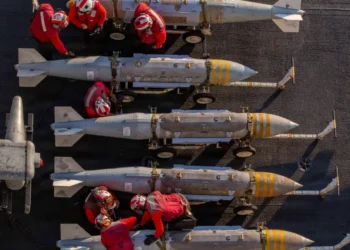 How Depleted Weapons Stockpiles Could Affect the Iran Conflict
 We Have More Privacy Controls Yet Less Privacy Than Ever — The Paradox of Digital Life
 Nepal Election 2026: When Will We Get the Results?
 Regulator Contacts Meta Over Workers Watching Intimate AI Glasses Videos