Published: 06 March 2026. The English Chronicle Desk. The English Chronicle Online.
The upcoming World Cup drinks breaks during the 2026 tournament are already sparking debate across broadcasting circles. Television networks worldwide are considering how to use the new pauses introduced during matches. In the United Kingdom, ITV is reportedly weighing whether advertising should appear during those moments.
The World Cup drinks breaks are a new feature planned for every match in the tournament. According to guidelines issued by football’s global governing body, the stoppages will occur midway through each half. Each pause will last three minutes and will happen regardless of temperature conditions.
Broadcasters have recently received detailed instructions explaining how the new breaks should operate during live coverage. The pauses will take place after 22 minutes of play in each half. Officials say the measure is designed primarily to support player welfare during intense competition.
The changes will apply to all 104 matches scheduled during the 2026 FIFA World Cup tournament. For television companies, however, the development creates fresh opportunities and difficult editorial decisions. Networks must balance commercial interests with viewer expectations during one of sport’s most watched events.
In Britain, ITV shares broadcasting rights for the tournament with the BBC. The public broadcaster operates without traditional advertising breaks during programmes. ITV, by contrast, depends heavily on advertising revenue and must carefully consider how best to manage the new stoppages.
Sources close to the broadcaster suggest discussions with commercial partners have already begun quietly. Executives are exploring whether adverts should run during the World Cup drinks breaks. The possibility of additional advertising time during matches is commercially attractive but potentially controversial.

Under FIFA’s broadcast framework, networks can insert a commercial break lasting approximately two minutes and ten seconds. This would occur if the broadcaster decides to cut away completely from live stadium pictures. The remaining time would be used to return viewers smoothly to match coverage.
Yet broadcasters are not obliged to follow that approach. They can choose to remain with the live broadcast throughout the stoppage. Another option allows a hybrid format where advertising appears alongside continuing match footage on screen.
Industry observers say the choice will reveal how networks prioritise audience engagement and financial opportunity. Football fans are highly sensitive to interruptions during crucial sporting moments. Even a short advert during a global tournament can spark strong reactions.
ITV therefore appears cautious about introducing full advertising breaks during the pauses. Instead, the broadcaster may rely on a format known as picture-in-picture advertising. This approach allows adverts to appear alongside ongoing match coverage without entirely replacing it.
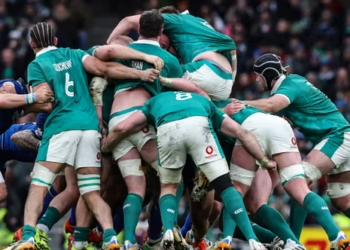
The company experimented with that technique earlier this year during coverage of the Six Nations Championship. Small advertisements appeared on screen while rugby scrums were being set up. Viewers could still see the action while commercial messages played discreetly in another part of the screen.
Early feedback from audiences suggested the format was less disruptive than traditional breaks. Commentators continued discussing tactics and developments while adverts appeared briefly beside the live broadcast. The arrangement allowed fans to remain connected with the unfolding match.
For a major global event like the World Cup, maintaining that sense of continuity is particularly important. Millions of supporters across the United Kingdom will tune in to watch the tournament. Any broadcasting decision could influence public perception of ITV’s coverage.
Sources within the broadcaster reportedly believe viewers may tolerate subtle on-screen advertising. However, they remain wary of introducing full commercial interruptions during critical sporting moments. The World Cup drinks breaks therefore present both an opportunity and a delicate challenge.
Another advantage of picture-in-picture advertising lies in its editorial flexibility. Commentary teams can continue analysing tactics during the pause in play. Coaches often use hydration breaks to deliver strategic instructions to players on the pitch.
If the broadcast remains live, commentators can observe those interactions and explain them to viewers. Fans often enjoy hearing insight into managerial decisions and adjustments made during matches. Such analysis enriches the overall viewing experience.
For advertisers, however, the situation is slightly more complicated. A full commercial break provides clearer visibility for brands and messages. Split-screen adverts may feel less prominent compared with traditional broadcast slots.
Nevertheless, the enormous global audience for the World Cup ensures advertisers will still value exposure. Even brief appearances during the World Cup drinks breaks could reach millions of viewers simultaneously. That visibility carries significant marketing potential.
The introduction of hydration pauses also reflects wider changes within modern football. Climate conditions, player workload, and match intensity have all increased significantly in recent decades. Governing bodies now face growing pressure to prioritise athlete health.
Hydration breaks first appeared in extreme heat during international competitions and club tournaments. Officials permitted short pauses when stadium temperatures climbed above dangerous levels. Players used those moments to rehydrate and briefly recover.
During last summer’s FIFA Club World Cup, such breaks occurred when stadium temperatures exceeded thirty-two degrees Celsius. Many players welcomed the opportunity to rest briefly in demanding conditions. Coaches also valued the chance to communicate tactical adjustments.
The upcoming tournament will expand that approach further by introducing scheduled breaks regardless of temperature. FIFA confirmed the rule in December as part of broader player welfare measures. Organisers say the change reflects growing awareness of physical strain in elite sport.
Critics, however, believe the move also offers commercial advantages for broadcasters and sponsors. Additional pauses in matches naturally create new windows for advertising exposure. Over time, that could generate significant revenue across the global broadcasting industry.
For broadcasters like ITV, the debate illustrates the delicate relationship between sport and commercial television. Football tournaments attract enormous audiences that advertisers eagerly seek. Yet maintaining viewer trust remains equally essential for long-term success.
British football fans have historically valued uninterrupted match coverage, particularly during major international competitions. Sudden advertising breaks could provoke frustration if viewers feel the experience has been compromised. Broadcasters therefore tread carefully when introducing new formats.
The World Cup drinks breaks present a rare moment where commercial and sporting interests intersect clearly. Networks must decide whether financial gain outweighs potential viewer irritation. Every broadcaster will likely adopt slightly different strategies.
The BBC, ITV’s co-rights holder in the United Kingdom, faces a different situation entirely. As a publicly funded broadcaster, it does not rely on traditional commercial advertising. Instead, it promotes its own programming during broadcast intervals.

That means BBC viewers will probably continue seeing uninterrupted match coverage during the pauses. Commentary teams may analyse tactics or replay key moments from the opening part of each half. For audiences, the experience may feel similar to existing coverage.
ITV, however, must determine how to balance commercial obligations with audience expectations. Executives appear mindful that the World Cup remains one of the most prestigious events in global sport. Every broadcast decision will attract intense public scrutiny.
For now, ITV has declined to comment officially on its discussions with commercial partners. The broadcaster rarely confirms programming decisions until closer to major events. Negotiations with advertisers often continue quietly until schedules are finalised.
Nevertheless, industry insiders believe some form of advertising will likely appear during the pauses. Whether those adverts take the form of traditional breaks or picture-in-picture placements remains uncertain. The decision may ultimately depend on viewer research and sponsor demand.
As the tournament approaches, broadcasters worldwide will finalise their coverage strategies carefully. The World Cup drinks breaks represent an experiment in both player welfare and television broadcasting. Fans across Britain will soon discover how those pauses reshape the viewing experience.
For now, the debate highlights the evolving nature of sports broadcasting in the modern media landscape. Technology, audience habits, and commercial pressures continue influencing how major events reach global audiences. The 2026 World Cup may therefore mark a significant turning point in football television coverage.
Related News:
 Granit Xhaka Rescue Earns Everton Draw at Sunderland
 Bellingham has ‘the edge’ among England No 10s
 Man City Masterclass on Guardiola’s Milestone Day Exposes Liverpool Woes
 VAR Must Rein Its Neck In to Save Football’s Spirit
 Mary Earps’s Manchester United Return Faces Mixed Reception
 UK and Ireland Announce Venues for Euro 2028 Tournament
 Saka Solidifies Role as Tuchel’s Key England Lieutenant
 Former Lion Heskey Warns of Shortage of England Strikers
 Tiny Curacao Makes History as Smallest Nation to Reach World Cup
 Haiti Qualifies for World Cup Despite Coach Never Visiting Country
 Moyes Defends Gueye After Dramatic Everton Bust-Up
 Australia Face Big Changes as Cummins and Lyon Ruled Out of Ashes
 Van de Ven Tackle Leaves Isak with Fractured Leg
 ECB powerless to halt England’s recurring Ashes failures
 Stokes urges empathy for England players amid Ashes struggles
 Aston Villa Remain Arsenal’s Key Obstacle in Title Pursuit
 Salah Shines as Egypt Knock Out Ivory Coast at Afcon
 Raphinha doubles up as Barcelona beat Real Madrid in Super Cup
 Xabi Alonso leaves Real Madrid, Arbeloa Takes Over
 Maya Joint stunned by Valentová in Australian Open upset
 Chelsea warn fans of danger in Naples after hospital incidents
 Liverpool Chase Champions Glory With Stunning Qarabag Victory
 Carlos Alcaraz Triumphs Over Zverev in Five-Set Australian Open Epic
 Ben Stokes injury joke after brutal ball strike
 Wrestler at 60: A Powerful New Start in the Ring
 Arsenal blow lead as Arteta rues Wolves draw
 England v Ireland: Scrum Battle Takes Centre Stage
 BBC World Cup Presenting Duties Shared Among Trio
 Craig Tiley Leaves Australian Open Legacy
 English Cricket Faces Moral Crisis Over Indian Investment
 Hudson-Odoi Sends Nottingham Forest Into Europa Last 16
 Buttler Eyes Vital Run Surge as England Face New Zealand
 Saka criticism response: Arsenal star dismisses outside noise
 Abramovich Chelsea Sale Cash Faces Jersey Probe
 Champions League Failure Sparking Premier League Crisis
 African World Cup Fans Face $15,000 Entry Bond Fee
 Roy Hodgson Returns to Bristol City in Sensational Move
 Eddie Howe Faces Seven Game Test to Secure Newcastle Future
 ECB Faces Backlash Over Disability Premier League Inclusion
 Brighton Stun Arsenal as Liverpool Edge Past Charlton
 Maguire Commits Future to Manchester United with New Deal
 Can De Zerbi Restore Belief to Save Spurs From the Drop?
 Robots Outpace Humans in Beijing Half-Marathon
 Gianluigi Buffon: Reflections on a Legendary Career
 Ashley Cole: Finding His Voice and Vision in Italy
 A Nine-Goal Thriller Redefines European Football Brilliance
 George North Announces Retirement From Rugby
 $13bn World Cup Set to Break All Revenue Records
 Disney+ Wins Champions League Rights in Key Markets
 FIFA Confirms Global Ban for Benfica Star Prestianni
 The Global Battle for Control Over the Women’s Game
 Fernandes Equals Assist Record as United Secure Third
 Bracing for the Cherries: Guardiola Likens Vital Bournemouth Trip to the Dentist
 De Zerbi Rallies Spurs To Fight Relegation Threat
 The Battle for Wembley Sparking Unprecedented Legal Warfare
 Chasing Glory: The Quest for a New World Cup Champion
 Tuchel Defends Tough England Squad Decisions
 Farewell to an Icon: Pep Guardiola to Exit Manchester City
 Chasing Paris Glory Amid Familiar Echoes
 Tom Pidcock On Chasing Tadej Pogacar And His Future Ambitions
 Is Ollie Robinson the Chaos English Cricket Needs Today?
 Saka Playing Through Pain As England World Cup Campaign Looms
 Iran Files Official Fifa Complaint Over World Cup Travel
 Women’s T20 World Cup Breaks Records But Gaps Remain
 Serena Williams Returns to Wimbledon Centre Court
 Martinelli Strikes Late as Brazil Edge Past Brave Japan
 Paraguay Shock Germany in Historic Penalty Shootout
 France Dominate Sweden as Deschamps’ New Era Takes Shape
 Mexico World Cup Joy Turns to Tragedy as Two Die in Crowds
 US Advance Past Bosnia in World Cup Thriller
 Kane Saves Tuchel as England Survive Dramatic Exit
 The Stokes Departure: A New Era or a Tactical Mistake?
 Taylor Swift and Travis Kelce Marry at Madison Square Garden
 Trump’s Red-Card Intervention Hurts the US World Cup
 Trump Intervenes in Fifa World Cup Balogun Ban
 NCAA Rules Unchanged After Supreme Court Transgender Ruling
 USA World Cup Heartbreak: Belgium Ends Their Dream
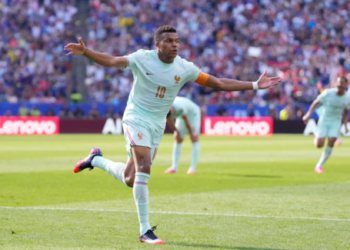 Mbappé Brilliance Leads France Into Semi-Finals
 Spain’s Superstar Fan: Keyne Yamal Steals the Spotlight
 Lamine Yamal’s Birthday: Football, Fame, and France