Published: 9 March 2026
The English Chronicle Desk
The English Chronicle Online — World
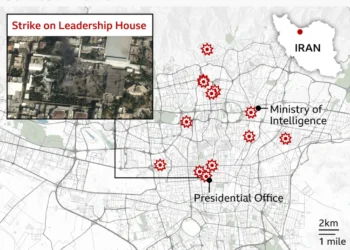
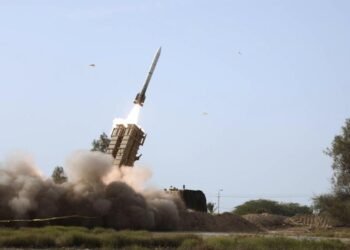
The Middle East has entered one of its most volatile periods in decades, as nine consecutive days of missile, drone, and air strikes have transformed the region into a sprawling battlefield stretching from Tehran to Tel Aviv, from Beirut to the Gulf states. What began with a joint US‑Israeli strike on Iran’s leadership has rapidly escalated into a multi‑front conflict, with attacks now documented across Iran, Lebanon, Kuwait, Bahrain, the United Arab Emirates, and beyond. Satellite imagery, verified videos, and on‑the‑ground reporting paint a stark picture of a region engulfed in fire, smoke, and uncertainty.

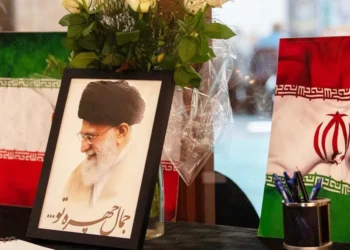
The conflict’s opening salvo came on 28 February, when Israel and the United States launched coordinated strikes on Iran’s military infrastructure and leadership compounds. Among the first casualties was Iran’s Supreme Leader, Ayatollah Ali Khamenei, whose death marked a historic turning point and triggered a wave of retaliatory attacks across the Middle East. In the days that followed, the scale and intensity of the strikes expanded dramatically, with more than 100 confirmed attacks across Iran alone.
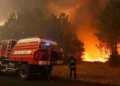
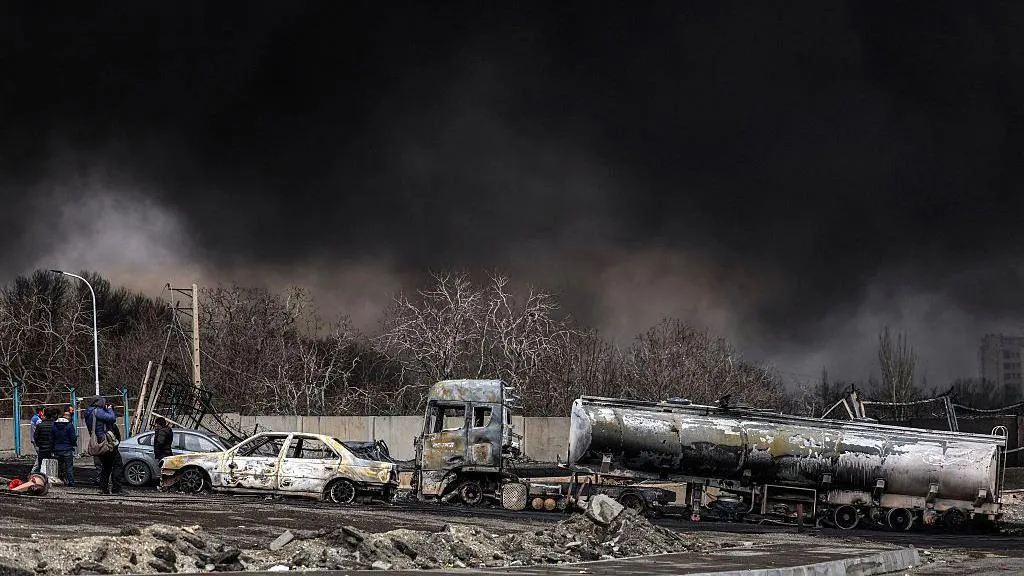
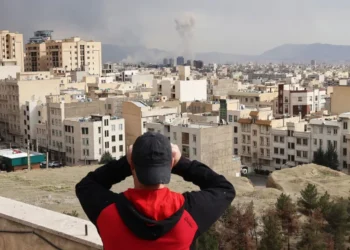
Tehran has borne the brunt of the bombardment. Verified footage shows thick black smoke rising over the capital after at least four major oil depots were struck, including the Shahran facility in the city’s northwest. Fires continued to burn well into Sunday, sending plumes of toxic smoke across residential districts. Iran’s foreign ministry accused Israel of “poisoning civilians” by releasing hazardous materials into the air, while Israeli officials insisted the sites were legitimate military targets used to support Iran’s missile programme.
Satellite imagery captured in the days following the initial strikes reveals extensive damage at key Iranian military installations. At Mehrabad Airport in Tehran, burn marks and destroyed aircraft can be seen on the tarmac. In the southern port city of Bushehr, both naval and air bases have suffered significant damage. At least 11 Iranian naval vessels were destroyed or crippled at the Konarak and Bandar Abbas bases, severely limiting Iran’s maritime capabilities. The nuclear facility at Natanz, long a focal point of international concern, has also sustained visible damage, along with multiple missile sites across the country.
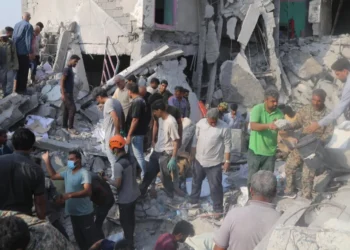
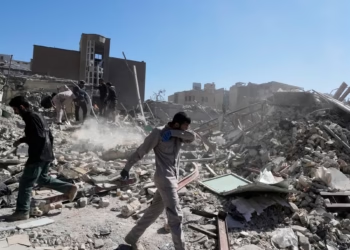
One of the deadliest incidents occurred in Minab, in southern Iran, where a girls’ school was struck multiple times on 28 February. Iranian authorities reported that at least 168 people, including children, were killed. Satellite images show the school partially collapsed and an adjacent Revolutionary Guard base completely flattened. Burn marks and craters surrounding the site indicate repeated strikes, raising questions about the intended target and the proportionality of the attack.
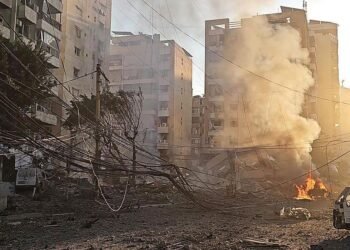
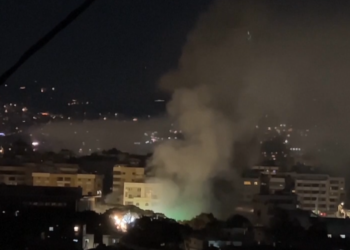
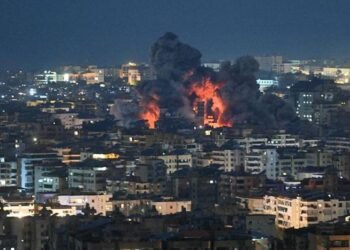
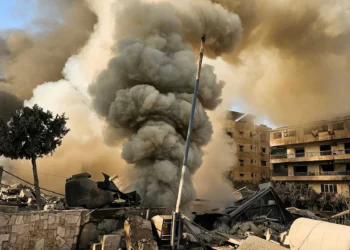
Beyond Iran’s borders, the conflict has spread rapidly. In Lebanon, Israeli forces have intensified their campaign against Hezbollah, the Iranian‑backed militant group. A “precise strike” on a hotel in central Beirut killed four people, including senior commanders from the Quds Force, the foreign operations arm of Iran’s Revolutionary Guard Corps. The Lebanese health ministry reports that nearly 400 people have been killed in the past week as Israeli strikes continue across the country’s south and capital.
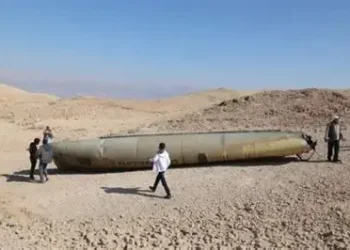
Israel has also come under fire. Explosions were heard across the country on Sunday after officials warned of incoming ballistic missiles launched from Iran. Footage verified by analysts shows damaged vehicles in Tel Aviv following what appears to have been a successful missile interception. Earlier in the week, a missile strike on the city of Beit Shemesh killed at least nine people and injured 27 others, marking one of the deadliest attacks on Israeli soil since the conflict began.
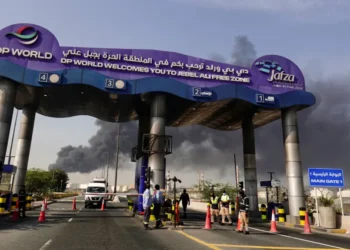
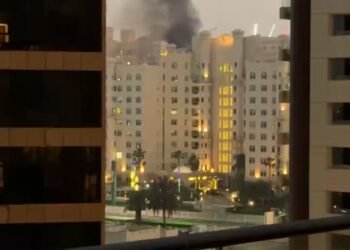
The Gulf states have not been spared. Kuwait reported a major fire at a government tower block after a drone strike early Sunday morning. Bahrain said a water desalination plant was hit by an Iranian drone, causing material damage and injuring three people with falling debris. The United Arab Emirates has faced the heaviest barrage, with officials confirming that air defences intercepted 16 ballistic missiles and 113 drones on Sunday alone. Over the past week, the UAE says it has been targeted by 238 missiles and more than 1,400 drones. A drone strike on Dubai International Airport on Saturday caused significant disruption to flights, highlighting the vulnerability of critical infrastructure.
Saudi Arabia, Qatar, Oman, and Iraq have also reported missile and drone attacks, though the extent of the damage varies. The Strait of Hormuz — a vital shipping lane through which 20% of the world’s oil and gas normally flows — has seen severe disruption after Iran threatened to “set fire” to vessels passing through the waterway. Shipping companies have begun rerouting tankers, raising fears of a global energy crisis.
The conflict has even spilled beyond the Middle East. The Pentagon confirmed that a US submarine sank an Iranian warship off the coast of Sri Lanka, killing 87 of the 130 people on board. Azerbaijan accused Iran of launching drones into its western territory, injuring two people, though Tehran has denied involvement. Meanwhile, a UK air base in Cyprus was struck by a drone believed to have been launched by Hezbollah, underscoring the widening geographic scope of the conflict.
The human toll continues to rise. According to the US‑based Human Rights Activists News Agency (HRANA), more than 1,200 civilians have been killed in Iran since the strikes began. Six US service members were killed in a strike on a military base in Kuwait. Across the region, thousands have been displaced, hospitals are overwhelmed, and governments are scrambling to protect critical infrastructure.
As the conflict enters its tenth day, the situation remains fluid and unpredictable. Iran’s new supreme leader, Mojtaba Khamenei, has vowed to continue the fight, while Israel insists it will not relent until Iran’s military capabilities are dismantled. The United States has maintained that its involvement is necessary to eliminate what it calls the “Iranian threat,” though international pressure for de‑escalation is growing.

The maps and satellite images emerging from the region tell a story of widespread destruction, strategic targeting, and escalating retaliation. From the oil depots of Tehran to the streets of Beirut, from the deserts of Kuwait to the skyscrapers of Dubai, the conflict has redrawn the contours of the Middle East in less than two weeks. As world leaders call for restraint, the region braces for what may come next — a conflict whose end remains uncertain, and whose consequences are already reshaping the geopolitical landscape.
Related News:
 Israel and Hezbollah Exchange Fire as Conflict Worsens
 Iran’s Regime Still Intact — Coming Days Will Test Its Survival
 Allies of US in the Gulf Bear Brunt of Iran Attacks
 Hopes and Fears as US Iranians Take to Streets After Toppling of Supreme Leader
 Retaliations Continue on Day Two of US-Israel Attacks on Iran
 At Least 153 Dead After Reported Strike on School, Iran Says
 At Least 153 Dead After Reported Strike on School, Iran Says
 ‘It’s Eerie’ – Dubai on Edge as City Comes Under Attack
 BBC Reports from Beit Shemesh After Deadly Iranian Missile Strike
 Iran, the US, and a World Cup That Starts in Three Months
 Cooper: Joining US Strikes on Iran ‘Not in Britain’s Interest’
 Trump’s Iran Endgame Unclear After Mixed Messaging on War Aims
 Rubio Responds to Reported Strike on Iranian School
 Scots Caught Up in Middle East Crisis ‘Just Waiting for the Next Explosion’
 Why the US and Israel attacked Iran
 Israel Launches Fresh Strikes on Tehran & Beirut; US Warns “Hardest Hits” Ahead
 Three Days In, This War’s End Is Still Unclear
 US Has ‘Enough Weapons for Forever War,’ Trump Says
 Israel Strikes Lebanon After Hezbollah Rocket Fire as Iran Conflict Widens
 Israel’s New Airstrikes on Tehran & Beirut After US Embassy in Riyadh Is Hit
 Israel Launches Ground Invasion of Lebanon Amid Widening Middle East War
 Iranian Rockets Are Testing the Resolve of Dubai’s Instagram Stars
 US Embassy in Riyadh Hit by Iranian Drones as Israeli Troops Enter Southern Lebanon
 US Senate Backs Trump War Powers Amid Iran Missile Barrage
 UK Prepares Aircraft Carrier for Middle East Crisis
 US Urges Iran to Make Deal as Military Presence Rises
 Trump’s Foreign Policy Dilemma Laid Bare by Iran Tensions
 Hamas Holds Vote to Choose New Interim Leader, Source Tells BBC
 Ukraine Negotiator Reveals What It Feels Like Facing Russia
 Mandelson Arrested Amid Political Turmoil as Ukraine Marks Four Years of Conflict
 US Partially Evacuates Beirut Embassy Amid Rising Iran Tensions
 ‘Anyone who runs is shot’: Russian soldiers describe killings of troops who refuse orders
 Ukraine remembers its dead as war enters a fifth year
 Middle East Flights Halted After Iran Strikes
 Allies of US in the Gulf Bear Brunt of Iran Attacks
 Israeli Attacks Kill 31 in Lebanon, Iran Strikes Across Region, US Warplanes Crash in Kuwait
 In Maps: Strikes Across Iran and the Middle East
 Months of Planning Behind US‑Israeli Mission to Target Iran’s Supreme Leader
 UK Will Allow US to Use Bases to Strike Iranian Missile Sites, PM Says
 What Khamenei’s Death Means for Russia and China
 Tehran Makes New Threat to Gulf Shipping as US Says ‘Hardest Hits’ on Iran ‘Yet to Come’
 Did Trump Declare War and Did Congress Approve Iran Attacks? What to Know
 Melania Trump Chairs UN Security Council Meeting on Children in Conflict Amid Iran Strikes
 The Third Day of the US‑Israeli War With Iran
 Latest on Middle East Conflict — In Maps: Strikes Across Iran and the Region
 ‘I saw missiles being intercepted’: Influencers recount shock as Iran hits Dubai landmarks
 Amazon Says Drones Damaged Three Facilities in UAE and Bahrain
 Man Recalls ‘Terrifying’ Dubai Missile Ordeal During Iran Strikes
 Airline Pilots Feared Iranian Missile Had Been Fired at Them
 US Strikes on Iran Triggered by Israel’s Plan to Launch Attack, Rubio Says
 First Wave of Europeans Stranded by Iran Conflict Return Home, With Hundreds of Thousands Still Left in Region
 Sixth American Service Member Killed in Iran Operation as Conflict Intensifies
 Trump Rebukes Starmer Over UK Refusal to Back Strikes on Iran
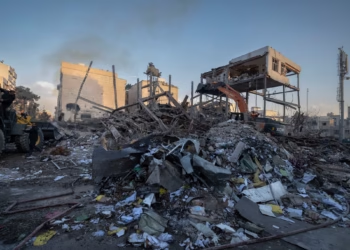 Civilian Deaths in Iran Pass 700 Amid Fear of Bombs and Regime Clampdown
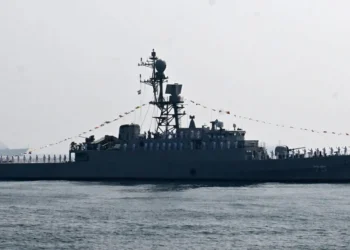 US Submarine Sinks Iranian Warship in Indian Ocean, Hegseth Says
 Iran Postpones Khamenei Funeral as US‑Israeli Bombardment Continues
 The Devastating Conflict Where Both Sides Have Reasons to Keep Fighting
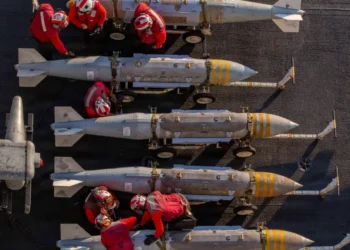 How Depleted Weapons Stockpiles Could Affect the Iran Conflict
 Iran Drones Hit Azerbaijan Airport as War Widens
 Macron Finds ‘Freedom Fries’ Redemption in Iran Crisis
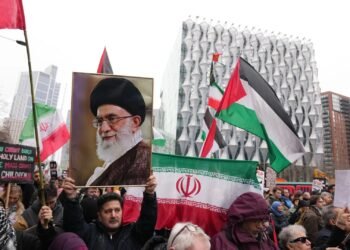 Thousands Protest Iran Strikes Outside US Embassy London
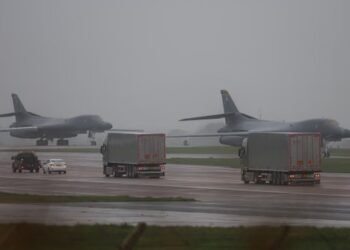 US Bombers Arrive at RAF Base Amid Rising Iran Tensions
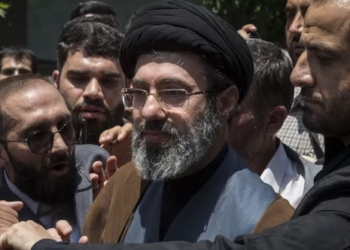 Mojtaba Khamenei Chosen as Iran’s New Supreme Leader
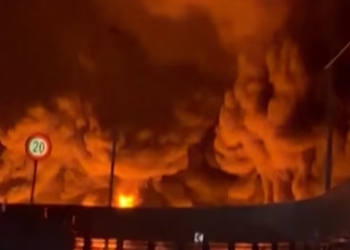 Tehran Oil Depot Strikes Darken City With Toxic Smoke
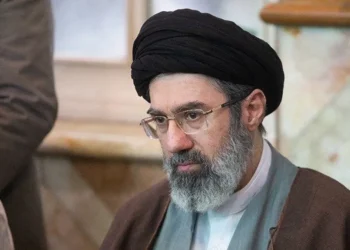 Who Is Mojtaba Khamenei, Iran’s New Supreme Leader?
 UK Must Act with Courage and Clarity on Israel-Palestine Conflict, Says Foreign Affairs Committee Report
 Yvette Cooper Signals Global Momentum Towards Gaza Peace Deal Amid Humanitarian Crisis
 Russia’s Latest Push to Win US Favors Shows Deep Desperation
 BBC to Apologise Over Edited Trump Speech Amid Backlash
 Greene Pushes Epstein Files Amid Trump Fallout
 December Run-Off in Chile as Election Produces No Winner
 Shadow Fleet at Sea: Europe’s Battle Against Illicit Oil Shipping
 India’s COP30 Delay Raises Global Climate Concerns
 Georgians Defy Government Crackdown After Year of Protests
 EU Says US Ties Have Suffered ‘Big Blow’ After Greenland Crisis
 Australian Families Leave Syrian Camp for Home
 ‘I Would Scream in My Sleep’: Alawite Women from Syria Tell of Kidnap and Rape
 American Citizen Killed in Cuba Boat Shooting, U.S. Officials Say
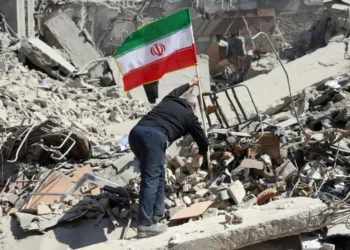 ‘Every Day Feels Like a Month’: Iranians Describe Life Under ‘Constant’ US‑Israeli Strikes
 Finland Plans to Lift Decades‑Old Ban on Hosting Nuclear Weapons