Published: 12 March 2026. The English Chronicle Desk. The English Chronicle Online.
The conflict across the Middle East entered a dangerous phase this week as Iran Gulf attacks intensified sharply. Iranian forces expanded their campaign beyond military targets, striking transport networks, energy infrastructure and commercial shipping across the Gulf region. The escalation coincided with new waves of airstrikes by the United States and Israel on Iranian territory, widening a confrontation that now threatens global energy supplies and regional stability.
Reports from international agencies and regional authorities suggest the latest developments represent one of the most dramatic expansions of the conflict since fighting began late in February. Iranian officials have warned that the situation may evolve into a prolonged war of attrition capable of destabilising global markets and disrupting international trade.
The new phase of Iran Gulf attacks began with strikes against maritime traffic and aviation infrastructure. Projectiles and drones were reported near Dubai’s international airport, the world’s busiest hub for international travel. The incident injured several people and caused disruption to airport operations, forcing airlines to review flight schedules and security procedures.

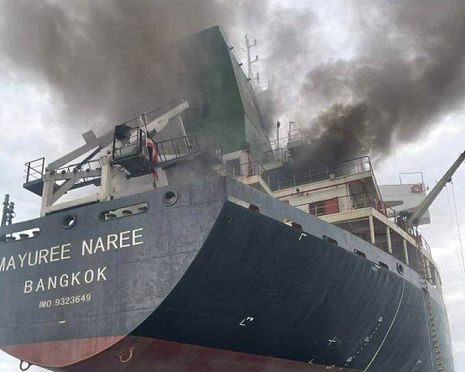
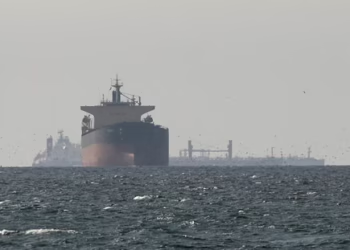
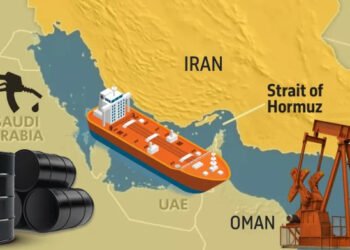
At the same time, commercial vessels travelling through the Gulf and the Strait of Hormuz were struck by unknown projectiles. Maritime security agencies confirmed that at least three merchant ships suffered damage during attacks on Wednesday alone. One of the vessels caught fire after being hit while sailing through the narrow shipping corridor linking the Gulf with global energy markets.
The attacks represent a severe challenge for international shipping. The Strait of Hormuz normally carries roughly twenty percent of the world’s oil exports. Any disruption to that route immediately affects energy markets and supply chains across Europe, Asia and North America.
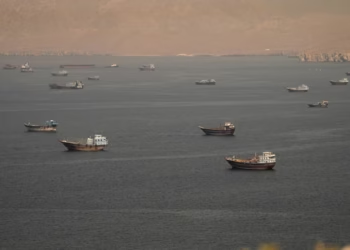
Shipping companies have already begun rerouting vessels or suspending operations in the region due to security concerns. Hundreds of ships have reportedly gathered outside the strait while waiting for safe passage. Analysts warn that prolonged disruption could trigger the largest energy shock since the oil crises of the 1970s.
Iranian officials have indicated that the campaign aims to apply economic pressure on the United States and its allies. Tehran’s Revolutionary Guard said the country would not allow oil shipments to move freely through the strategic waterway while American and Israeli strikes continue against Iranian targets.
Senior military spokespeople also warned that regional energy infrastructure could face further attacks if hostilities continue. Some Iranian commanders suggested that oil prices could surge dramatically if the conflict spreads or shipping lanes remain blocked.
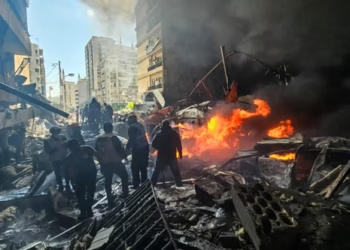
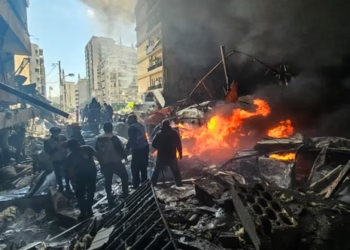
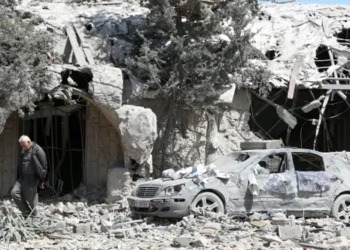
Meanwhile, violence continues to spread across several fronts in the Middle East. Israel has carried out heavy strikes against positions it claims belong to Hezbollah in Lebanon. According to regional authorities, hundreds of people have been killed and many more injured during the intense bombardment of southern Lebanon and Beirut’s suburbs.
Hezbollah fighters have responded by launching rockets and drones toward northern Israel. For the first time since the conflict began, those attacks were coordinated with Iranian missile strikes targeting Israeli territory. Security analysts believe the coordination signals a deeper regional alignment among Iran’s allies.
The growing confrontation has also drawn Gulf states directly into the crisis. Air defence systems in Kuwait reportedly intercepted several drones launched from Iranian territory. Saudi Arabia confirmed that additional drones aimed toward the Shaybah oil field were destroyed before reaching their targets.
These incidents highlight the risk that energy infrastructure across the Gulf may become increasingly vulnerable. Oil facilities, shipping terminals and pipelines form the backbone of the global energy system, meaning attacks on them can have worldwide consequences.
The economic impact is already becoming visible in global markets. Oil prices have surged sharply since the conflict began, reflecting fears that energy supplies could be disrupted for an extended period. Financial analysts warn that prolonged instability may push fuel prices higher across Europe and the United Kingdom.
Aviation has also experienced severe disruption. Airlines operating routes between Europe and Asia have begun rerouting flights to avoid Middle Eastern airspace. Some carriers have introduced fuel surcharges as jet fuel prices climb, adding further pressure to global travel costs.
Beyond the battlefield, political tensions are intensifying. The United Nations Security Council recently passed a resolution demanding an immediate halt to attacks on Gulf states and regional infrastructure. Iranian diplomats strongly criticised the vote, arguing it reflected political agendas rather than neutral diplomacy.
Washington and Tel Aviv appear determined to continue their military campaign. Officials say their objective is to weaken Iran’s military capabilities and prevent the country from projecting power across the region. Israeli leaders have also renewed calls for political change inside Iran, urging citizens to challenge the ruling clerical establishment.
The conflict has already produced devastating human consequences. Iranian authorities say more than 1,300 civilians have been killed since the beginning of the American and Israeli bombing campaign. The figures remain difficult to verify independently, but humanitarian organisations warn that casualties may continue rising if fighting persists.
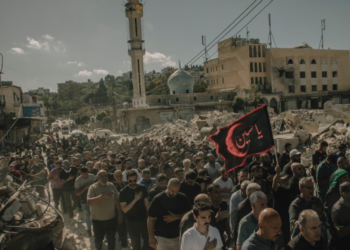
In Tehran and several other cities, large funeral processions have been held for senior Iranian commanders killed during the strikes. Mourners gathered in huge numbers carrying flags and portraits of political leaders, reflecting the emotional toll the war has taken on the country.
Residents describe a tense atmosphere as nightly air raids continue across parts of Iran. Many families have left major cities temporarily, travelling to rural areas in search of safety from the bombardment. Others say they are gradually becoming accustomed to the sound of air defence systems and explosions.
Inside Israel, civilians are also experiencing constant alerts and missile interceptions. Air raid sirens have forced residents into shelters as rockets launched from Iran and Hezbollah targets streak across the sky. Emergency services report casualties and injuries caused by missile fragments and debris.
American forces stationed in the region have also suffered losses. Washington confirmed that several US soldiers have been killed and many more wounded during Iranian missile and drone attacks on regional bases.
Military officials say the United States has intensified its response by targeting Iranian missile facilities and naval assets. Some commanders claim these operations have reduced the number of attacks launched from Iranian territory, although the broader conflict continues to expand.

Another factor raising concern is the growing role of advanced technology in the war. American military leaders confirmed they are using artificial intelligence systems to analyse large volumes of battlefield data. These tools help commanders identify potential threats and plan responses more quickly, although human decision makers still approve every strike.
Diplomats around the world are now working urgently to prevent further escalation. European governments, including Britain and France, have called for restraint from all sides while encouraging negotiations. However, neither Iran nor its opponents appear ready to step back from the confrontation.
Energy markets remain especially sensitive to developments in the Gulf. Any further escalation of Iran Gulf attacks could dramatically influence global fuel prices and economic stability. Economists warn that continued disruption may affect inflation, supply chains and transport costs worldwide.
For many observers, the conflict represents a turning point for regional security. The combination of missile strikes, drone attacks and economic warfare has created an unpredictable environment stretching from the Mediterranean to the Arabian Gulf.
Whether diplomacy can halt the fighting remains uncertain. For now, the Middle East faces a tense and volatile period as military operations continue across several countries simultaneously.
Related News:
 Middle East Flights Halted After Iran Strikes
 US Iran Operation: Sixth Service Member Killed
 Hezbollah Anger Erupts as War Returns to Beirut
 Gaza Siege Deepens as Iran War Escalates
 Riyadh Drone Attack Escalates Regional War
 Middle East attacks intensify as Trump rejects Iran talks
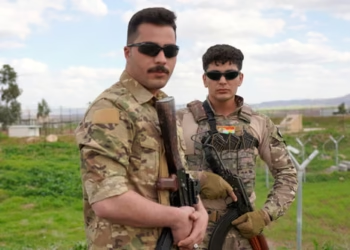 Iran-Iraq border airstrikes spark new tensions
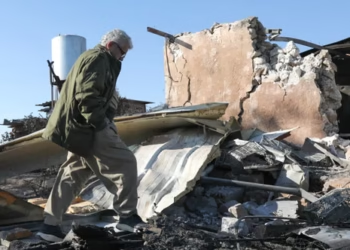 Iran-Iraq Border Strikes Spark New Front Fears
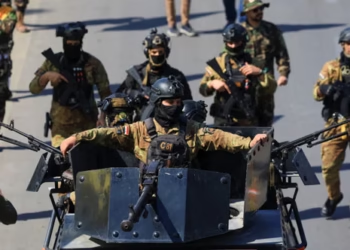 Iran-Backed Militias Escalate Attacks Across Middle East
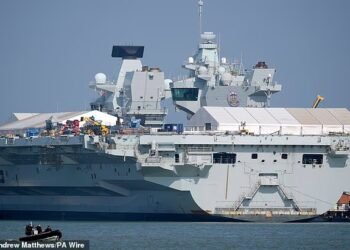 UK Prepares Aircraft Carrier for Middle East Crisis
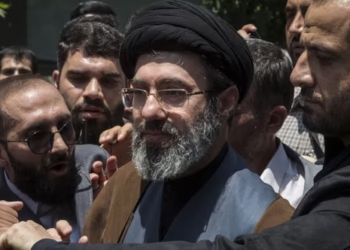 Mojtaba Khamenei Chosen as Iran’s New Supreme Leader
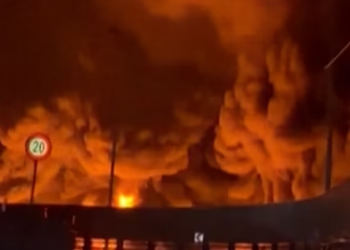 Tehran Oil Depot Strikes Darken City With Toxic Smoke
 Seventh US Service Member Killed in Iran Conflict Identified
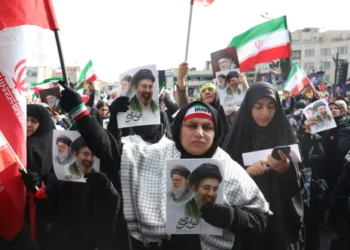 Mojtaba Khamenei Supporters Rally as Iranians Fear Repression
 Tehran Strikes Mark War’s Most Devastating Night
 Iran Defiance Grows Amid US-Israel War Pressure
 Hormuz Crisis Sparks Global Oil Market Fears
 Iranian Exile Factions Seek US Backing for Iran’s Future
 US-Israeli Strategy Shifts to Plan B in Iran War
 Injured Mojtaba Khamenei Elevated as Iran Leader
 US Missile Strike on Iran School Sparks Global Shock
 Iran Conflict: Trump’s Uncertain Path and Diplomatic Off-Ramp
 Ancient Heritage Sites Damaged in Recent Airstrikes
 Tehran Diary: Dark Days Under Relentless Bombardment
 British Tourist Charged Over Dubai Missile Strike Video
 Gaza Detainee Abuse: Israel Drops Charges Against Soldiers
 Trump Iran War Stance Hardens as Conflict Widens
 Lebanon Ground Campaign Raises Occupation Fears
 Gulf Tensions Rise as Iran Alleges Covert Support
 Kabul hospital strike sparks deadly blame row
 Iran Threatens Total Destruction of Mideast Energy Grid
 Ghalibaf Iran: Survivor Emerges in Shifting Power Game
 Gulf Distrust Grows Over Rumoured US-Iran Peace Talks
 WHO Warns of Health Crisis Unfolding in Middle East
 Saudi Arabia Urging US to Keep Up Iran Attacks
 Iranian President’s Son Shares Wartime Hopes and Fears
 Iran Warns of US Ground Assault Amid Rising War Tension
 MAGA Anxiety and the Iran War: A Movement Divided at CPAC
 Trump Threatens Iran With Total Infrastructure Destruction
 Iran Drone Strike Hits Kuwaiti Oil Tanker in Dubai Port
 Albanese to Address Nation as War Sparks Economic Crisis
 Death, displacement and military duties: children plunged into crisis
 Trump’s Six-Week Iranian War: The High Cost of Ignorance
 Beirut Under Fire: Massive Israeli Strikes Shaking Lebanon
 Middle East Analysis: The Cost of a Fragile Peace
 Lebanon Must Join Ceasefire to Prevent Escalation, Says Cooper
 Israel Launches Massive Airstrikes Across Lebanon
 Netanyahu Vows Continued Lebanon Strikes Amid Peace Talks
 Iran Crisis Tests Trump’s Global Leadership
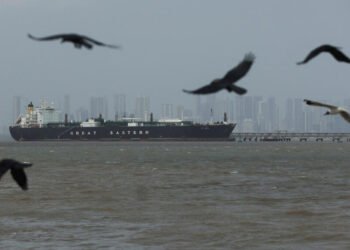 US and Iran Pursue Extension of Ceasefire via Pakistan
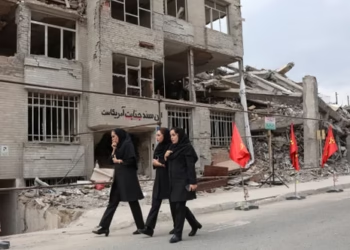 Uncertain Peace: Tehran Residents Face a Ruined Capital
 Aid Crisis Grows as Hormuz War Disrupts Supply
 Trump likens US Navy actions to ‘pirates’
 Global order shifts amid Trump-era turmoil
 Middle East Crisis Escalates as Oil Routes Shake Markets
 Tensions Emerge in Netanyahu-Trump Alliance
 Trump Rejects Tehran Peace Plan as Regional Truce Crumbles
 Netanyahu Calls Early Election Amid Coalition Turmoil
 Tensions Flare as Israeli Nationalists March in Jerusalem
 Gulf Crisis Deepens After Drone Attack Near Nuclear Facility
 Global Flotilla Intercepted in International Waters
 Israeli Strikes in Lebanon Kill 10 Amid Ceasefire Strain
 Hunger increasingly weaponised in global conflicts
 Former ICC prosecutor condemns US sanctions
 Trump Claims Iran Peace Deal Near Completion
 US Strikes Iranian Sites Amid Shaky Ceasefire Talks
 Israel Intensifies Lebanon Strikes to Crush Hezbollah
 Trump’s Iran Deal Plan Sparks Intense Alarm Across Israel
 US and Iran Trade Fresh Strikes, Threatening Ceasefire
 Trump Confronts Netanyahu in Explosive Beirut Phone Call
 Iran To Propose New Shipping Fees In Strait Of Hormuz
 Grief and Devotion Amidst the Rubble of Nabatieh
 High Drama in Tehran Over Secret Nuclear Letters
 Houthis Strike Saudi Arabia as Middle East Tensions Rise
 BBC to Apologise Over Edited Trump Speech Amid Backlash
 Greene Pushes Epstein Files Amid Trump Fallout
 Zelenskyy Signs Fighter Jet Deal Amid Russian Drone Attacks
 Shadow Fleet at Sea: Europe’s Battle Against Illicit Oil Shipping
 Trump and Tehran Find Common Ground in Landmark Ceasefire
 Scepticism and tight security as Beijing braces for Trump