Published: 17 March 2026. The English Chronicle Desk. The English Chronicle Online.
The Lebanon ground campaign announced by Israel Katz has sharply intensified fears of a prolonged occupation across southern Lebanon. His remarks, delivered alongside directives from Benjamin Netanyahu, suggest that displaced Lebanese civilians may not return home until Israeli security concerns are fully addressed. For many observers and residents, this signals a troubling shift toward a long-term military presence.
The Lebanon ground campaign has already triggered widespread displacement, with hundreds of thousands fleeing their homes. Entire communities south of the Litani River now remain empty or partially abandoned. Residents who once lived in coastal towns and rural villages now find themselves scattered across the country, struggling to secure food, shelter, and basic necessities.
Speaking publicly, Katz drew comparisons with military operations in Gaza, particularly those targeting areas such as Rafah and Beit Hanoun. His comments implied that similar tactics could be used in Lebanon. He stated that Israeli forces would dismantle what they describe as militant infrastructure near the border, reinforcing concerns that this Lebanon ground campaign may follow a familiar and destructive path.
Under a ceasefire agreement reached in November 2024, Hezbollah was expected to withdraw from southern Lebanon. In exchange, the Lebanese military would assume control, while Israel would halt its bombardment. However, Israeli officials have repeatedly argued that these conditions were never fully met. Airstrikes have continued almost daily, targeting what Israel claims are militant positions and weapons stockpiles.
The current escalation began after Hezbollah launched rockets into northern Israel on 2 March. Israel responded with a broader military campaign across Lebanon, rapidly expanding operations beyond earlier engagements. Since then, the Lebanon ground campaign has displaced around one million people, marking one of the largest population movements in recent Lebanese history. Casualty figures continue to rise, with reports indicating more than 800 deaths since the escalation began.

Human rights organisations have raised urgent concerns about the implications of these actions. Human Rights Watch has warned that preventing civilians from returning to their homes could constitute a violation of international law. Ramzi Kaiss, a researcher with the organisation, stated that restricting access to nearly ten percent of Lebanon’s territory raises serious risks of forced displacement.
For many Lebanese, these warnings are not abstract legal concerns but deeply personal fears rooted in history. Between 1982 and 2000, Israeli forces occupied parts of southern Lebanon, leaving lasting scars on communities. Residents who lived through that period now worry that the Lebanon ground campaign could recreate similar conditions.
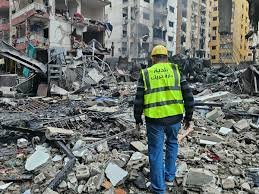
In Naqoura, a coastal town near the Israeli border, the situation is particularly stark. Once a vibrant seaside destination, the town is now almost entirely deserted. Displacement orders issued earlier this month forced residents to move north, often with little time to gather belongings. Many now sleep in temporary shelters or on the streets, uncertain when they might return.
Local officials describe the emotional toll of displacement as overwhelming. Families have been separated, livelihoods disrupted, and entire neighbourhoods left in ruins. The uncertainty surrounding the Lebanon ground campaign has deepened these hardships, leaving residents with few answers about their future.
Within Israel, political dynamics have also shaped the direction of the campaign. Far-right figures in the governing coalition have called for stronger military measures against Hezbollah. Bezalel Smotrich has suggested that parts of Beirut could face destruction similar to areas of Gaza, further escalating tensions and fears.
Analysts argue that the Lebanon ground campaign reflects a broader shift in Israeli security strategy following the events of October 7. Professor Yagil Levy, a leading expert on civil-military relations, has described this approach as one that prioritises territorial control while minimising risks to Israeli forces. According to this perspective, removing civilian populations from conflict zones allows for greater operational freedom.
This strategy appears to mirror developments in Gaza, where buffer zones have expanded significantly. In Lebanon, similar ideas are now being applied, raising concerns about the long-term consequences for both security and stability. Critics argue that such measures may reduce immediate risks but could also deepen resentment and prolong conflict.
The international response has been cautious but increasingly urgent. Leaders from Canada, France, Germany, Italy, and the United Kingdom have jointly warned against a large-scale ground offensive. Their statement emphasised that an expanded Lebanon ground campaign could have devastating humanitarian consequences and risk triggering a prolonged regional conflict.
Despite these warnings, military operations continue to evolve on the ground. In some areas, displacement has been selective rather than universal. Certain villages, particularly those with Christian populations, have not been ordered to evacuate. This approach echoes tactics used during previous occupations, where different communities were treated differently based on strategic considerations.
In the Arqoub region along the eastern border, several villages have remained inhabited after receiving assurances from Israeli forces. Local leaders report that they were told residents could stay if they avoided involvement in armed activities. While this has allowed some communities to remain intact, it has also created divisions and uncertainty among neighbouring areas.
In the village of Rmeish, similar arrangements have been reported. Local officials were informed that the town would not be targeted as long as it remained free of militant presence. However, displaced individuals who had sought refuge there were asked to leave, highlighting the complex and often contradictory nature of the situation.
For civilians, the consequences of the Lebanon ground campaign are immediate and deeply felt. Access to food, healthcare, and education has been severely disrupted. Many families rely on limited aid, while others struggle to find any form of assistance. The longer displacement continues, the greater the risk of long-term social and economic damage.

At the same time, diplomatic efforts to de-escalate the conflict remain ongoing. International mediators are working to revive ceasefire agreements and establish new frameworks for stability. However, analysts suggest that Israel’s expanding operations may be aimed at strengthening its negotiating position by creating new realities on the ground.
This strategy carries significant risks. While it may provide short-term leverage, it could also harden positions on both sides, making a lasting settlement more difficult to achieve. The Lebanon ground campaign, therefore, sits at a critical intersection between military objectives and diplomatic possibilities.
For now, uncertainty continues to dominate the situation. Displaced families wait for news that may allow them to return home. Governments and international organisations weigh their responses carefully, aware of the broader regional implications. Meanwhile, military operations proceed, shaping the landscape of southern Lebanon in ways that may endure for years.
As the conflict unfolds, the central question remains whether the Lebanon ground campaign will achieve its stated security goals or deepen an already complex crisis. For those living through its consequences, the answer cannot come soon enough.
Related News:
 Middle East Flights Halted After Iran Strikes
 US Iran Operation: Sixth Service Member Killed
 Hezbollah Anger Erupts as War Returns to Beirut
 Gaza Siege Deepens as Iran War Escalates
 Riyadh Drone Attack Escalates Regional War
 Middle East attacks intensify as Trump rejects Iran talks
 Iran-Iraq border airstrikes spark new tensions
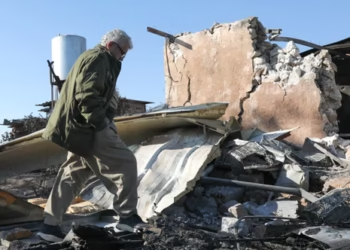 Iran-Iraq Border Strikes Spark New Front Fears
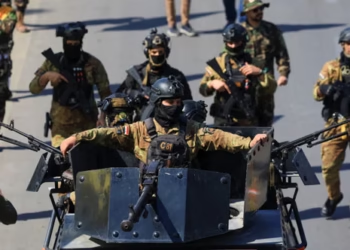 Iran-Backed Militias Escalate Attacks Across Middle East
 UK Prepares Aircraft Carrier for Middle East Crisis
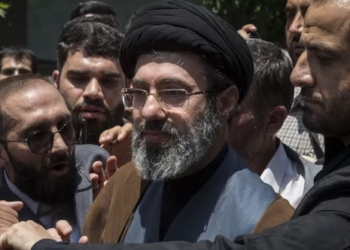 Mojtaba Khamenei Chosen as Iran’s New Supreme Leader
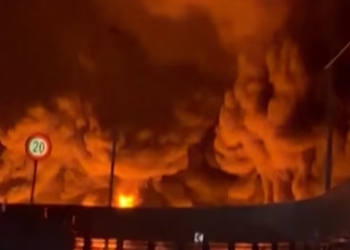 Tehran Oil Depot Strikes Darken City With Toxic Smoke
 Seventh US Service Member Killed in Iran Conflict Identified
 Mojtaba Khamenei Supporters Rally as Iranians Fear Repression
 Tehran Strikes Mark War’s Most Devastating Night
 Iran Defiance Grows Amid US-Israel War Pressure
 Hormuz Crisis Sparks Global Oil Market Fears
 Iranian Exile Factions Seek US Backing for Iran’s Future
 US-Israeli Strategy Shifts to Plan B in Iran War
 Injured Mojtaba Khamenei Elevated as Iran Leader
 US Missile Strike on Iran School Sparks Global Shock
 Iran Gulf attacks escalate as ships and airports targeted
 Iran Conflict: Trump’s Uncertain Path and Diplomatic Off-Ramp
 Ancient Heritage Sites Damaged in Recent Airstrikes
 Tehran Diary: Dark Days Under Relentless Bombardment
 British Tourist Charged Over Dubai Missile Strike Video
 Gaza Detainee Abuse: Israel Drops Charges Against Soldiers
 Trump Iran War Stance Hardens as Conflict Widens
 Gulf Tensions Rise as Iran Alleges Covert Support
 Kabul hospital strike sparks deadly blame row
 Iran Threatens Total Destruction of Mideast Energy Grid
 Ghalibaf Iran: Survivor Emerges in Shifting Power Game
 Gulf Distrust Grows Over Rumoured US-Iran Peace Talks
 WHO Warns of Health Crisis Unfolding in Middle East
 Saudi Arabia Urging US to Keep Up Iran Attacks
 Iranian President’s Son Shares Wartime Hopes and Fears
 Iran Warns of US Ground Assault Amid Rising War Tension
 MAGA Anxiety and the Iran War: A Movement Divided at CPAC
 Trump Threatens Iran With Total Infrastructure Destruction
 Iran Drone Strike Hits Kuwaiti Oil Tanker in Dubai Port
 Albanese to Address Nation as War Sparks Economic Crisis
 Death, displacement and military duties: children plunged into crisis
 Trump’s Six-Week Iranian War: The High Cost of Ignorance
 Beirut Under Fire: Massive Israeli Strikes Shaking Lebanon
 Middle East Analysis: The Cost of a Fragile Peace
 Lebanon Must Join Ceasefire to Prevent Escalation, Says Cooper
 Israel Launches Massive Airstrikes Across Lebanon
 Netanyahu Vows Continued Lebanon Strikes Amid Peace Talks
 Iran Crisis Tests Trump’s Global Leadership
 US and Iran Pursue Extension of Ceasefire via Pakistan
 Uncertain Peace: Tehran Residents Face a Ruined Capital
 Aid Crisis Grows as Hormuz War Disrupts Supply
 Trump likens US Navy actions to ‘pirates’
 Global order shifts amid Trump-era turmoil
 Middle East Crisis Escalates as Oil Routes Shake Markets
 Tensions Emerge in Netanyahu-Trump Alliance
 Trump Rejects Tehran Peace Plan as Regional Truce Crumbles
 Netanyahu Calls Early Election Amid Coalition Turmoil
 Tensions Flare as Israeli Nationalists March in Jerusalem
 Gulf Crisis Deepens After Drone Attack Near Nuclear Facility
 Global Flotilla Intercepted in International Waters
 Israeli Strikes in Lebanon Kill 10 Amid Ceasefire Strain
 Hunger increasingly weaponised in global conflicts
 Former ICC prosecutor condemns US sanctions
 Trump Claims Iran Peace Deal Near Completion
 US Strikes Iranian Sites Amid Shaky Ceasefire Talks
 Israel Intensifies Lebanon Strikes to Crush Hezbollah
 Trump’s Iran Deal Plan Sparks Intense Alarm Across Israel
 US and Iran Trade Fresh Strikes, Threatening Ceasefire
 Trump Confronts Netanyahu in Explosive Beirut Phone Call
 Iran To Propose New Shipping Fees In Strait Of Hormuz
 Grief and Devotion Amidst the Rubble of Nabatieh
 High Drama in Tehran Over Secret Nuclear Letters
 Houthis Strike Saudi Arabia as Middle East Tensions Rise
 Zelenskyy Signs Fighter Jet Deal Amid Russian Drone Attacks
 Shadow Fleet at Sea: Europe’s Battle Against Illicit Oil Shipping
 US Suspends Afghan Immigration After White House Shooting
 ‘Extinct’ Antelope Returns to Sahara, Bringing Hope
 Scepticism and tight security as Beijing braces for Trump
 Pope Meets Families in Italy Toxic Waste Zone