Published: 17 March 2026. The English Chronicle Desk. The English Chronicle Online.
The controversial RBA rate hike has ignited intense debate as global tensions continue rising sharply. The decision by the Reserve Bank of Australia to increase borrowing costs comes at a fragile moment for the world economy. With a deepening conflict involving the Israel, the Iran, and the United States, economists fear the timing may prove deeply problematic.
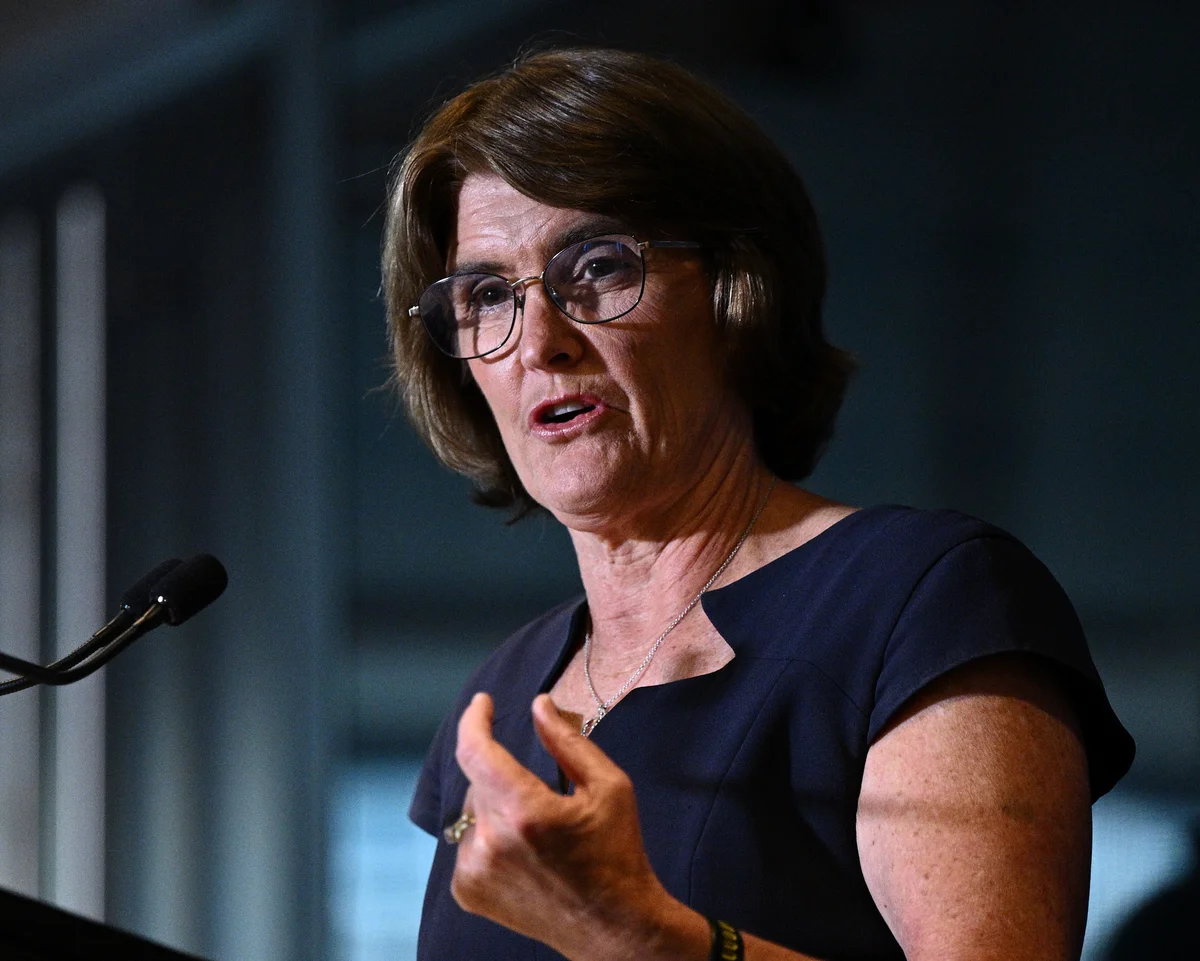
At the centre of the debate stands Michele Bullock, who defended the decision despite clear internal disagreement. She confirmed that the central bank’s board was divided over whether to act immediately or wait for further developments. While the direction of policy appeared largely agreed upon, the timing created sharp differences among members.
The vote itself revealed just how contentious the RBA rate hike truly was. Five members supported the increase, while four preferred to hold off until May. Such a narrow split highlights a rare level of disagreement within a body that typically strives for consensus. It also signals the high level of uncertainty surrounding the global outlook.
Bullock emphasised that inflation remains the bank’s primary concern despite mounting geopolitical risks. Australia’s inflation rate currently sits at 3.8 percent, well above the central bank’s target of 2.5 percent. According to her, failing to act swiftly could allow rising fuel costs to trigger broader price pressures across the economy.
The immediate catalyst for concern lies in surging energy prices driven by instability in the Middle East. Oil markets have reacted nervously to fears that key supply routes could be disrupted. In particular, the Strait of Hormuz remains a critical chokepoint for global energy supplies. Any prolonged disruption there could significantly amplify economic stress worldwide.

Central banks often face difficult choices when dealing with such shocks, and this moment is no exception. Energy-driven inflation tends to push prices higher while simultaneously slowing economic growth. This combination creates what economists describe as stagflation, a scenario that limits the effectiveness of traditional monetary tools.
The RBA rate hike therefore arrives at a moment when policy decisions carry unusually high risks. Tightening financial conditions may help contain inflation, but it also places additional pressure on households already grappling with rising living costs. Mortgage holders, in particular, will feel the immediate impact through higher repayments.
Inside the central bank, some policymakers urged caution precisely because of these risks. They argued that waiting a few weeks could provide greater clarity about how the geopolitical situation might evolve. If the conflict escalates further, aggressive tightening could worsen an already fragile economic environment.
Bullock acknowledged these concerns but ultimately sided with the majority view. She explained that the board held extensive discussions over two days before reaching its final decision. According to her, the disagreement centred entirely on timing rather than the broader policy direction.
Despite her firm defence, the governor also admitted that significant uncertainties remain unresolved. The bank has conducted limited modelling on the immediate effects of rising petrol prices. However, it has not yet fully analysed the potential long-term consequences of a prolonged conflict.
This gap in analysis has raised eyebrows among economists and market observers alike. Many believe that failing to fully account for worst-case scenarios could lead to policy missteps. If the global economy deteriorates sharply, today’s decisions may need to be reversed quickly.
The RBA rate hike also reflects a broader trend among central banks worldwide. Many institutions remain focused on inflation despite growing signs of economic slowdown. This balancing act has become increasingly complex as geopolitical risks intensify.
Economists at Westpac have attempted to quantify the potential impact of an extended energy shock. Their estimates suggest that a three-month disruption in the Strait of Hormuz could reduce Australia’s economic growth by half a percentage point. At the same time, inflation could rise by more than one percentage point.
Such projections illustrate the difficult trade-offs facing policymakers. Raising interest rates may help curb inflation, but it could also deepen any slowdown caused by external shocks. Conversely, holding rates steady risks allowing inflation to become entrenched, creating longer-term challenges.
For households, the implications of the RBA rate hike are immediate and tangible. Higher borrowing costs will squeeze disposable incomes and potentially dampen consumer spending. This, in turn, could weigh on economic growth at a time when confidence is already fragile.
Businesses may also feel the effects through tighter financial conditions and reduced demand. Companies facing higher input costs due to energy prices may struggle to maintain profitability. Some may pass these costs on to consumers, further fuelling inflationary pressures.
Bullock has stressed that the central bank remains flexible and prepared to adjust its stance if necessary. She made clear that policymakers are closely monitoring developments in the global economy. Should conditions deteriorate significantly, the bank would reconsider its current approach.
Her comments suggest that future decisions will depend heavily on how the geopolitical situation unfolds. If the conflict de-escalates quickly, the RBA rate hike may appear justified as a pre-emptive move against inflation. However, if tensions persist or worsen, the decision could come under increasing scrutiny.
The situation highlights the broader challenges facing monetary authorities in an interconnected world. Events far beyond national borders can rapidly influence domestic economic conditions. As a result, central banks must often make decisions based on incomplete and rapidly changing information.
In this context, the narrow split within the Reserve Bank’s board appears particularly significant. It reflects not only differing assessments of current conditions but also varying levels of confidence in future projections. Such divisions may become more common as uncertainty continues to rise.

Public reaction to the RBA rate hike has been mixed, with some supporting decisive action against inflation. Others, however, fear that the move could exacerbate financial pressures on already strained households. This divide mirrors the internal debate within the central bank itself.
Looking ahead, attention will turn to the next policy meeting scheduled for May. Many economists still expect another rate increase, although this outlook remains highly dependent on global developments. Any significant escalation in the Middle East could alter expectations dramatically.
Ultimately, the success or failure of the RBA rate hike will depend on factors largely outside the bank’s control. Energy prices, geopolitical tensions, and global economic trends will all play crucial roles. In such an environment, even well-intentioned decisions can produce unintended consequences.
For now, the Reserve Bank has chosen to prioritise inflation control over short-term uncertainty. Whether that choice proves wise will become clearer in the months ahead. As Bullock herself acknowledged, the path forward remains highly uncertain.
The coming weeks will therefore be critical in shaping both economic outcomes and policy responses. If conditions stabilise, the decision may be viewed as a necessary step. If not, it could become a cautionary example of the risks inherent in acting too soon.
Related News:
 UPS Cargo Plane Crash in Kentucky Kills Seven
 US private equity set to acquire UK online retailer Very Group
 Switzerland Rolls Out Charm Offensive to Cut Trump’s 39% Tariffs
 Canada Passes Carney’s First Budget in Tight Parliamentary Vote
 India’s Labour Law Overhaul Sparks Fierce Debate
 Carney’s Alberta Pipeline Deal Sparks Immediate Pushback
 Mark Carney Walks Diplomatic Tightrope on China Visit
 Wall Street shaken by Trump tariff shock as markets tumble
 ‘Black Tax’: Burden, Pride and Survival for African Workers
 UK New Car Discounts Near £6,000 as Prices Are Slashed
 Coles Discounts Under Fire in Federal Court
 Trump Tower Gold Coast to Redefine Skyline
 Rory Amon Trial: Alleged Victim Speaks in Court
 Oil Prices Surge as Iran War Jolts Markets
 Gulf shipping crisis as war risk cover pulled
 Global markets face turmoil as Hormuz crisis deepens
 Gulf shipping crisis sparks food price fears
 Oil Prices Surge Above $100 Amid Iran War
 G7 Weighs Emergency Oil Reserves as Prices Surge
 Brazil Floods Warning as Scientists Urge Fossil Fuel Exit
 Asia Scrambles to Confront Energy Crisis Amid Iran War
 The Truth Behind Rising Energy Costs and Fossil Fuel Myths
 UniCredit’s Bold Move to Reshape European Banking
 UK Wage Growth Slows as Jobs Market Holds Firm
 Oil Slides, Stocks Jump on Trump Peace Signals
 ABC Staff Strike Over Pay and AI Concerns
 Middle East Conflict to Hit UK Economy Hardest
 Australian Growth Slows as Global Inflation Spike Looms
 The Strategic Failure of Trump’s Conflict With Iran
 Trump to Deploy “God Squad” Over Gulf Wildlife Protections
 Trump Threatens Iran With Total Infrastructure Destruction
 Iran Drone Strike Hits Kuwaiti Oil Tanker in Dubai Port
 Russia: The Unforeseen Winner of the Iran Conflict
 Albanese to Address Nation as War Sparks Economic Crisis
 US Senators Slam Ticketmaster Over Sneaky New Fee Hikes
 Apple at 50: Three Products That Changed How We Live
 California fireworks blast: murder charges filed in case
 IMF Warns Iran War Could Spark Deep Global Recession
 Trump Slams UK Ties and Threatens To Rewrite Trade Deal
 Athens Mayor Moves to Tackle Overtourism Crisis
 Southeast Asia Turns to Russia Amid Energy Crisis
 Ukraine Urges UK to Seize Russian Oil Tankers
 US Calls Australia Media Law “Foreign Extortion”
 Capitalism ‘Suicidal’, Warns Petro at Climate Summit
 Oil Prices Surge Above $120 Amid Iran Blockade Fears
 $13bn World Cup Set to Break All Revenue Records
 US to Escort Trapped Ships Through the Strait of Hormuz
 Trump approval plunges amid Iran war fears
 Infantino’s Grip Tightens as FIFA Eyes a $14bn Future in Vancouver
 Trump Threatens UN Budget Cuts as US Pushes ‘Trade Over Aid’ Agenda
 Global Conflict Hits Home As Bullock Warns Of Economic Pain
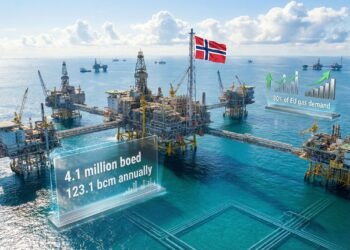 Norway Doubles Down on Oil and Gas for Europe Energy Security
 US Awaits Iran Reply on New Ceasefire Proposal
 Trump’s Gold Coast Tower Dreams Crumble Amid Toxic Fallout
 Trump: Preventing Nuclear Iran Is ‘The Only Thing That Matters’
 High Street Crisis: Fears Grow Over Post Office Closures
 Beijing Becomes Centerstage for Global Diplomatic Ballet
 Oil Markets Face ‘Red Zone’ Threat Amid Iran Crisis
 Hormuz Talks Near Critical Stage
 UK Pushes for New EU Goods Trade Deal
 Reeves Fights to Keep Treasury Role Amid Labour Turmoil
 China mine blast death toll rises to 90
 Japan Suffers Plastic Shortage Due to Middle East Crisis
 UK Economy Suffers a Sharp Downturn as Iran Conflict Bites
 Europe Weighs Hormuz Navigation Fee Plan
 Ukraine Creates Long-Range Strike Command
 Reeves Faces Setback as Labour May Miss Homes Target
 Trump’s UK Ambassador Urges North Sea Drilling to Strengthen US Ties
BBC to Apologise Over Edited Trump Speech Amid Backlash
Trump’s UK Ambassador Urges North Sea Drilling to Strengthen US Ties
BBC to Apologise Over Edited Trump Speech Amid Backlash
 Millionaires group urge Reeves to introduce wealth tax to ‘lift kids out of poverty’
 Greene Pushes Epstein Files Amid Trump Fallout
 Zelenskyy Signs Fighter Jet Deal Amid Russian Drone Attacks
 Shadow Fleet at Sea: Europe’s Battle Against Illicit Oil Shipping
 Trump and Tehran Find Common Ground in Landmark Ceasefire
 Stefano Gabbana Resigns as Chair of Italian Luxury Giant
 Rolls-Royce SMR Secures £600m Boost for Nuclear Future
 Tough Fiscal Realities Await Next Scottish Government
 Aramco Surges as East-West Pipeline Counters Gulf Tensions
 Scepticism and tight security as Beijing braces for Trump
 Tensions Flare as Israeli Nationalists March in Jerusalem