Published: 21 March 2026. The English Chronicle Desk. The English Chronicle Online
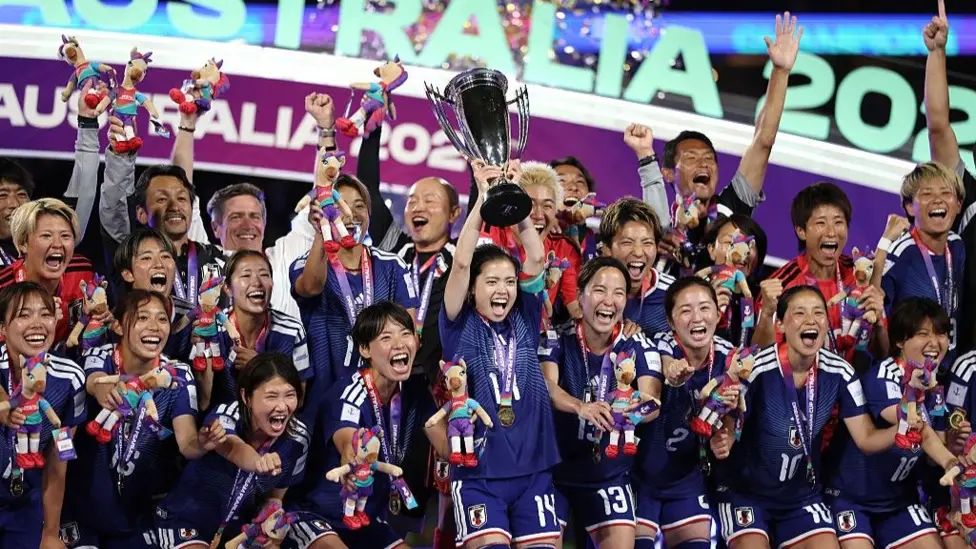
Japan secured their third Women’s Asian Cup title after a hard-fought 1-0 victory against hosts Australia in front of a record crowd of 74,397 at Stadium Australia in Sydney. The tightly contested encounter, featuring a plethora of Women’s Super League talent, was decided by a moment of exceptional individual skill from Tottenham loanee Maika Hamano, who curled a precise strike from the edge of the box into the bottom corner in the 17th minute.
Despite numerous opportunities, Australia were unable to overturn a third consecutive final defeat by Japan, having previously fallen in the 2014 and 2018 finals. Arsenal winger Caitlin Foord squandered several first-half chances, the most notable coming from a misdirected pass and a rare lapse by Japanese goalkeeper Ayaka Yamashita, yet she shot wide from a promising angle.

Japan continued to threaten as half-time approached, with Tottenham full-back Toko Koga arriving perfectly to connect with Hinata Miyazawa’s back-post delivery, but Mackenzie Arnold was equal to the challenge and parried the effort. The second half maintained a frenetic tempo, with both sides pressing for a decisive goal.
In the closing stages, Australia intensified their attack. Hayley Raso capitalised on a brilliant cross from Foord but was denied by a last-ditch intervention from Rion Kitigawa. Substitute Emily van Egmond’s late chance was also thwarted by a resolute Japanese defence, leaving the Matildas unable to break through.
This defeat prolongs Australia’s wait for a second Women’s Asian Cup title, their sole triumph dating back to 2010. The home tournament, following the Matildas’ World Cup run in 2023, was seen as a final opportunity for the so-called “golden generation” to lift a major trophy. Key players such as Sam Kerr and Mary Fowler, recently returning from ACL injuries, were unable to influence the outcome, leaving fans and players alike reflecting on another heartbreaking finale on home soil.

For Japan, the victory underscores their continued dominance in Asia, blending technical skill and disciplined defending to overcome a determined Australian side. The result cements their status as a powerhouse in women’s football, while the Matildas must now look toward the future, developing younger talent to succeed the veteran stars who have carried the team through years of international success.
Related News:
 Tottenham shine at Everton but Frank wary of title push
 Matty Cash seals Villa win as City falter again at Villa Park
 Sarr Double Sinks Young Liverpool in Carabao Cup
 Nwaneri and Saka Secure Arsenal Win Over Brighton
 Woltemade Hot Streak Fires Newcastle Past Spurs
 Kieffer Moore Hat-Trick Ends Coventry’s Unbeaten Run
 Salah & Gravenberch Lead Liverpool to Win Against Villa
 Dyche Criticises Corner Decision as Forest Draw with United
 Caicedo Shines as Chelsea Edge Spurs in Chaotic Derby
 Granit Xhaka Rescue Earns Everton Draw at Sunderland
 Liverpool Edge Real Madrid 1-0 in Champions League Thriller
 Van de Ven Stunner Lifts 10-Man Spurs to UCL Glory
 Merino Shines as Arsenal Beat Slavia 3-0 Without Gyokeres
 Burn and Joelinton Head Newcastle to Victory Over Bilbao
 Foden shines as Man City dismantle Dortmund in dominant display
 Garnacho Spares Chelsea From Shock Champions League Loss in Baku
 Tension and Turmoil at Aston Villa v Maccabi Match
 Bellingham has ‘the edge’ among England No 10s
 Arteta Left Frustrated as Sunderland Deny Arsenal Late Win
Chelsea Cruise Past Wolves to Go Second in the Premier League
Man City Masterclass on Guardiola’s Milestone Day Exposes Liverpool Woes
Arteta Left Frustrated as Sunderland Deny Arsenal Late Win
Chelsea Cruise Past Wolves to Go Second in the Premier League
Man City Masterclass on Guardiola’s Milestone Day Exposes Liverpool Woes
 Lando Norris Dominates Brazil GP to Strengthen F1 Title Bid
 England cannot afford to be in awe of the All Blacks, warns Jamie George
 VAR Must Rein Its Neck In to Save Football’s Spirit
 Trescothick Hints Pope Will Keep Number Three Spot
 Ronaldo Confirms Final World Cup and Plans Retirement
 Mary Earps’s Manchester United Return Faces Mixed Reception
 Sam Kerr Stars in Chelsea Return with Champions League Double
 This kid is something else: Alex Scott’s rise to England call-up
 Anthony Joshua Faces Backlash Over Proposed Jake Paul Fight
 Former Lion Heskey Warns of Shortage of England Strikers
 Rogers Double Aston Villa as Leeds Slip Deeper into Trouble
 Moyes Defends Gueye After Dramatic Everton Bust-Up
 Gerrard warns Liverpool’s terrible run could worsen
 Jac Morgan to Miss Six Nations Start After Surgery
 Alexander Isak ends drought as Liverpool stop rot with win at West Ham
 Mbappe rescues Real Madrid with a penalty at Girona
 Wales hits 20,000-strong milestone in women’s football
 Stokes urges empathy for England players amid Ashes struggles
 Sports piracy surges in UK with 3.6bn illegal streams reported
 Chelsea fans inquiry launched after Charlton match policing concerns
 Arsenal vs Man Utd LIVE: Jesus Starts as Carrick Stays Loyal
 Arsenal Edge Closer to Ending ‘Nearly-Men’ Era After Cup Breakthrough
 Newcastle fans face bleak reality under Saudi ambitions
 Hugo Ekitike Becomes Liverpool’s New Cult Hero
 BBC World Cup Presenting Duties Shared Among Trio
 Steve Borthwick Turns to 2003 Icons for Inspiration
 British Success at the Isle of Wight Masters Chess
 How Seven Premier League Teams Could Qualify for UCL
 Romero Vows Fight as Spurs Face Relegation Threat
 Middlesex Icons Launch Bold Revolt Against Club Leadership
 Farke’s Leeds revival: from pressure to FA Cup glory chase
 John Terry Faces Backlash Over Political Posts
 Scott Parker Leaves Burnley After Premier League Drop
 Premier League drama defines crucial weekend
 Foden Commits Future to Man City Until 2030
 Rugby Faces Crisis Over Referee Row Culture
 RFU Backs Borthwick Despite England’s Poor Six Nations
 World Cup Ticket Price Surge Leaves Many National Teams Stunned
 Southampton Face Misconduct Charge Amid Spying Claims
 From Grassroots to Stamford Bridge: The Rise of McFarlane
 Aaron Rai Triumphs in Thrilling PGA Championship Finish
 De Zerbi Rallies Spurs To Fight Relegation Threat
 Southampton Face Player Legal Action Over Playoff Scandal
 The Battle for Wembley Sparking Unprecedented Legal Warfare
 Tuchel Defends Tough England Squad Decisions
 Guardiola to Leave Man City After Historic Era
 Farewell to an Icon: Pep Guardiola to Exit Manchester City
 Huddersfield Giants Face Fight to Save Super League Status Amid Stadium Crisis
 Safeguarding Probe Limits West Ham Owner’s Role
 England Cruise Past Costa Rica as World Cup Warm-Up Sharpens Tuchel’s Vision
 Inside the Three Lions: Bellingham Reveals Euro 2024 Flaws
 Blackpool Cricket Stands Firm Amid County Struggles
 Declan Rice Facing Burnout as Tuchel Confronts Midfield Crisis
 Ben Stokes Was Fallible But That Made Him Our Champion
 Morocco Beat Dutch in Wild World Cup Penalty Drama
 Ben Stokes Retires: The End of an Extraordinary Era
 The Last Stand of English Cricket’s Greatest Partners
 England’s 10 Men Hold Firm in World Cup Thriller
 World Cup Fever Set to Boost UK Economy by £500m