Published: 25 March 2026. The English Chronicle Desk. The English Chronicle Online.
The Philippines energy emergency has been declared as global tensions continue disrupting fuel supplies worldwide. President Ferdinand Marcos Jr. announced urgent measures after warning that the ongoing Middle East conflict threatens national stability. Officials say the Philippines energy emergency reflects growing fears over dwindling reserves and volatile international energy markets.
The declaration came swiftly after government advisers confirmed that supply chains had weakened significantly. Energy officials warned that liquefied natural gas shipments were becoming increasingly unpredictable. This situation has pushed the country toward emergency actions aimed at protecting households and industries alike. Authorities stressed that the Philippines energy emergency would initially remain in place for one year, though it could be extended if conditions worsen further.
At the heart of the response lies a renewed reliance on coal-fired power plants across the archipelago. The government confirmed that electricity producers have been instructed to increase output where possible. Officials believe this move will help stabilise energy prices and prevent severe shortages in major urban areas. While described as temporary, the decision has already sparked debate among environmental groups concerned about long-term consequences.

The Philippines, a nation of more than 116 million people, has long depended heavily on imported fuel. This dependency has left it particularly vulnerable to global disruptions, especially during geopolitical crises. Officials revealed that as of 20 March, the country had only about 45 days of fuel reserves remaining. This figure raised alarm within government circles and accelerated urgent procurement efforts.
To address the shortfall, authorities are now seeking to secure additional oil supplies from various sources. Diplomatic channels have been activated to explore potential agreements, including requests for waivers from the United States. According to Ambassador Jose Manuel Romualdez, discussions remain ongoing, with no final decision yet confirmed. The government has not ruled out sourcing oil from sanctioned nations if necessary.
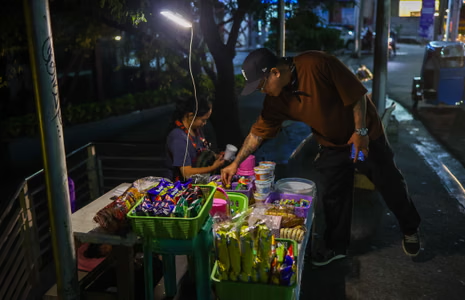
Meanwhile, the administration has taken steps to shield ordinary citizens from the immediate financial impact. Transport workers, particularly motorcycle taxi drivers, have begun receiving targeted financial assistance. Each eligible worker is being offered a modest subsidy aimed at offsetting rising fuel costs. In selected cities, free bus services have also been introduced to ease pressure on commuters.
The Philippines energy emergency has also prompted preparations for potential evacuations abroad. The Department of Migrant Workers has been placed on alert to assist Filipinos living in the Middle East. Officials estimate that approximately 2.4 million Filipinos reside in the region, many of whom could face increased risk if tensions escalate further. Contingency plans are now being refined to ensure rapid response if conditions deteriorate.
Government agencies have been granted expanded powers under the emergency order to respond effectively. The Department of Energy can now act against fuel hoarding and price manipulation. It is also authorised to make advance payments to secure critical supply contracts. These measures aim to prevent market distortions that could further strain already fragile resources.
Transportation authorities have also been given flexibility to intervene where necessary. This includes the ability to adjust toll charges and aviation fees to support the broader economic response. Officials say these steps are designed to reduce the burden on both businesses and consumers during this challenging period. The coordinated approach reflects the seriousness with which the government views the crisis.
Coal, which already accounts for around 60 percent of the country’s electricity generation, is expected to play an even larger role. Energy Secretary Sharon Garin confirmed that discussions have taken place with power producers regarding increased capacity. She emphasised that the move is intended as a short-term solution rather than a permanent shift in policy direction.
Indonesia, the Philippines’ primary coal supplier, has assured continued support during the crisis. Officials confirmed that there are currently no restrictions on coal exports to the Philippines. This assurance has provided some relief, as it reduces uncertainty surrounding one of the country’s most critical energy sources. However, authorities remain cautious and continue exploring alternative options.
The Philippines energy emergency also highlights broader challenges facing the global energy landscape. Rising geopolitical tensions have exposed vulnerabilities in supply chains that many nations rely upon. For developing economies like the Philippines, these disruptions can have immediate and severe consequences. Experts warn that similar crises could emerge elsewhere if instability persists.
In recent years, the Philippines has attempted to diversify its energy mix and reduce reliance on fossil fuels. However, progress has been uneven, and renewable energy projects have not yet reached the scale required to replace traditional sources. The current emergency has therefore forced a pragmatic shift back toward coal, despite environmental concerns.
Earlier this year, the government announced a significant natural gas discovery near the Malampaya offshore field. This development had raised hopes of improving domestic energy security in the coming years. The field currently supplies a substantial portion of electricity to Luzon, the country’s main island. However, it is expected to decline within the next decade without new reserves.
While the discovery could extend the field’s lifespan, it does not provide an immediate solution. Infrastructure development and extraction processes will take time before any tangible benefits are realised. As a result, the Philippines energy emergency underscores the gap between long-term ambitions and short-term realities.

Public reaction to the government’s measures has been mixed but largely understanding. Many citizens recognise the necessity of decisive action in the face of global uncertainty. However, concerns remain about rising living costs and the environmental impact of increased coal usage. Civil society groups have called for transparency and accountability as the situation evolves.
Economists warn that prolonged disruption could have wider implications for the national economy. Higher energy costs may lead to inflationary pressures, affecting both businesses and households. The government has acknowledged these risks and pledged to monitor the situation closely. Officials insist that all measures are being taken to minimise long-term damage.
International observers are also watching developments closely, as the Philippines navigates a complex geopolitical landscape. Its efforts to secure energy supplies while maintaining diplomatic relationships will be closely scrutinised. The outcome could influence how other nations respond to similar challenges in the future.
For now, the Philippines energy emergency remains a stark reminder of the fragile balance within global energy systems. As conflicts continue to ripple across markets, countries must adapt quickly to protect their interests. The Philippines’ response reflects both urgency and resilience in the face of an unpredictable crisis.
Related News:
 British Woman in Iran ‘Losing Hope’ Amid Ongoing Detention
 BBC to Apologise Over Edited Trump Speech Amid Backlash
 Britain deploys RAF specialists to assist Belgium with drone threats
 US Justice Department Files Lawsuit Against California Over Partisan Voting Maps
 Greene Pushes Epstein Files Amid Trump Fallout
 Trump Deploys DHS to Charlotte in Major Arrest Operation
 December Run-Off in Chile as Election Produces No Winner
 Canada Passes Carney’s First Budget in Tight Parliamentary Vote
 Shadow Fleet at Sea: Europe’s Battle Against Illicit Oil Shipping
 Pentagon Officials in Ukraine to Discuss War End
 Venezuela Threatens Nobel Winner Machado with Fugitive Status
 Georgians Defy Government Crackdown After Year of Protests
 EU plans $105bn Ukraine aid using frozen Russian assets
 Global campaign launched to free Palestinian leader Barghouti
 Trump Policies Boost China’s Global Rise, Survey Finds
 Iran unrest slows under brutal crackdown and global tensions
 Pentagon Signals Reduced Role in Deterring North Korea
 Thousands Protest ICE Operations in Nationwide US Day of Action
 Epstein Files Reveal Trump Officials’ Emails with Financier
 Starmer Condemns ‘Depraved’ Russian Strikes on Ukraine
 Herzog visit sparks protests across Australian cities
 UK and US Drop in Global Corruption Index Rankings
 Sydney Protest Escalates and Elderly Woman Suffers Severe Injury
 Tarique Rahman’s Rise Toward Bangladesh’s Top Job
 Glass Cliff Debate After Ley’s Ouster
 Canberra Poster Seizure Sparks Free Speech Row
 Evo Morales Returns After Mysterious Absence
 AFP Reviews Pauline Hanson Comments
 Duterte ICC Hearing Begins Amid Defiance
 Trump Tariffs Threat Spark UK and EU Alarm
 The Dangerous Rise of Remigration Across Modern Europe
 Trump’s Marathon Speech Fails to Mask a Growing National Disconnect
 Jacinda Ardern Moves To Australia Following Her US Fellowships
 US to offer passport services in West Bank settlements
 Jacinda Ardern Move Sparks Kiwi Reflection
 Health Funding Row Rocks US‑Africa Relations
 Nick Greiner Warns Over Election Review Fallout
 New UK-EU Reset Faces Criticism from Parliament
 Cuba charges six exiles for terrorism after speedboat raid
 Iran Defiance Grows Amid US-Israel War Pressure
 US Strikes on Iran Set for Most Intense Day Yet
 Injured Mojtaba Khamenei Elevated as Iran Leader
 Gordon Brown urges court for crimes against children
 Moscow Internet Blackouts Raise Censorship Fears
 Oil Prices Jump After Trump Claims Iran Oil Hub Destroyed
 Republicans Rebuke FCC Threat Over Iran War Coverage
 Pakistan Targets Militant Hideouts in Afghanistan
 Oil Prices Surge as IEA Weighs Emergency Release
 Danish Election Deadlock Shakes Frederiksen’s Grip
 Trump to Visit China in May After Iran War Delay
 Pope Rebukes Leaders for War as Middle East Tensions Rise
 Trump to Deploy “God Squad” Over Gulf Wildlife Protections
 Army Probes Apache Flyover at Kid Rock’s Nashville Estate
 Italian Town Buys Mussolini Villa to Keep Away Fascist Fans
 Report Says Pezzullo Acted ‘Recklessly’ in Dealings
 Trump Employs Nixon’s Madman Theory Amid Iran Crisis
 Trump Voices Frustration Over Nato Role in Iran Conflict
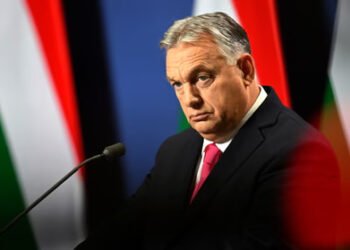 Hungary election: Orbán faces biggest test amid scandal
 Suspected Plot Targets Pipeline Before Hungary Vote
 Trump Slams UK Ties and Threatens To Rewrite Trade Deal
 Southeast Asia Turns to Russia Amid Energy Crisis
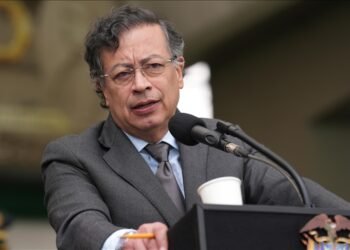 Capitalism ‘Suicidal’, Warns Petro at Climate Summit
 Judge halts deportation of Yemeni refugees in US
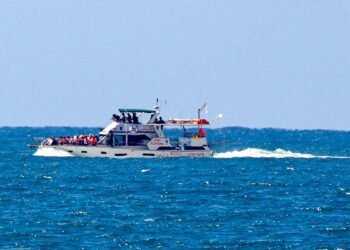 Activists allege abuse after Gaza flotilla seizure
 Trump approval plunges amid Iran war fears
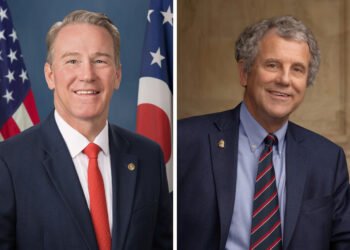 Ohio’s Battle for Trust: Democrats Vying to Flip the Buckeye State
 US ‘Narco Boat’ Strikes Draw Global Outcry
 Ohio Primaries Set Stage for Crucial Midterms
 Afghan Families Left in Limbo Face Risk of Deportation
 Tensions Emerge in Netanyahu-Trump Alliance
 US Awaits Iran Reply on New Ceasefire Proposal
 Discontent grows around Putin amid war strain
 Starmer Leadership Under Pressure After Setbacks
 House Curbs Trump’s War Powers in Rare Rebellion
 Germany Summons Chinese Envoy Over Russian Troop Training
 New South Wales Premier Chris Minns Signals Tough Road Ahead for Labor
 Le Pen to Run for President Despite Embezzlement Conviction
 Ukraine Creates Long-Range Strike Command
 Le Pen’s Popularity Holds Despite Conviction
 Houthis Strike Saudi Arabia as Middle East Tensions Rise