Published: 25 March 2026. The English Chronicle Desk. The English Chronicle Online.
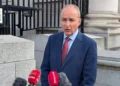
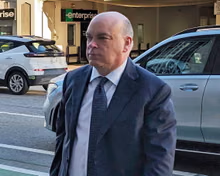
The long and complex legal battle surrounding the late British technology entrepreneur Mike Lynch reached a dramatic conclusion today in the London High Court. A senior judge ruled that the estate of the deceased tycoon must pay a staggering £920m to Hewlett Packard Enterprise. This massive financial penalty follows a decade of intense litigation concerning the controversial 2011 acquisition of the software firm Autonomy. The court found the estate liable for compensation and interest despite the tragic passing of the businessman two years ago. This ruling marks a significant moment in one of the most expensive corporate disputes in British history. The sum awarded includes the initial damages as well as substantial legal costs and accumulated interest. This development comes as a heavy blow to the family and heirs of the former tech star. The judgment suggests that the previous legal findings of fraudulent activity remain a binding civil obligation.
The focus keyword for this case has always been the Autonomy acquisition which remains a cautionary tale. Hewlett Packard originally purchased the innovative software company for a massive sum of £8.2bn over fourteen years ago. Shortly after the deal closed the American giant claimed it had been misled about the true value. They alleged that Mike Lynch and his financial team used accounting tricks to inflate their books. These claims led to a series of civil and criminal proceedings spanning across two different continents. In 2022 a UK civil court judge ruled that the American firm had indeed been duped. That specific ruling laid the groundwork for the massive financial claim that was decided this morning. The court reaffirmed that the estate remains responsible for the losses incurred by the American corporation.

The story of Mike Lynch is one of incredible professional heights and deeply tragic personal lows. Once celebrated as the British answer to Bill Gates he built a massive global technology empire. However his reputation was shadowed by the fallout from the multi-billion pound sale of his firm. After years of fighting extradition he finally faced a criminal trial in the United States last year. In a surprising turn of events a jury in San Francisco acquitted him of all charges. He returned to the United Kingdom to celebrate his hard-won freedom with his family and friends. Tragically the celebration ended in disaster when his superyacht sank off the coast of Sicily in August. The accident claimed the lives of the entrepreneur and his teenage daughter along with five others. This tragedy shocked the global business community and left his legal legacy in a state of limbo.
Despite the acquittal in the American criminal courts the UK civil judgment remained a separate matter. Hewlett Packard Enterprise which was formed after the original HP split pursued the claim against his estate. The High Court in London maintains that the burden of proof in civil cases is lower. This distinction allowed the judge to uphold the liability despite the previous victory in the US. The current ruling totals £920m which is a combination of damages and various legal expenses. This figure is significantly higher than some earlier estimates provided by legal analysts during the trial. The estate of the late tycoon is currently estimated to be worth around £500m in total. This means the court order could potentially leave the entire estate in a state of bankruptcy. It is a harsh financial reality for a family still grieving a double personal tragedy.
Lawyers representing the estate have expressed their deep disappointment with the decision made by the court. They argued that the damages claimed by the American firm were always based on false premises. The legal team sought immediate permission to appeal the ruling but the High Court refused. They now plan to take their case directly to the Court of Appeal in London. The family spokesperson highlighted that the US trial had already exposed many flaws in the prosecution. They believe that the destruction of value at Autonomy was due to mismanagement by HP. According to the family the American firm failed to integrate the software technology properly after purchase. They maintain that the pursuit of these massive damages is an act of corporate aggression. The litigation has already lasted for more than twelve years with no signs of ending.
Hewlett Packard Enterprise released a formal statement welcoming the recent decision from the London High Court judge. They stated that this move brings them much closer to a final resolution of the dispute. The company has consistently maintained that it was the victim of a sophisticated and deliberate fraud. They claim that the inflated purchase price caused significant harm to their global shareholders and investors. The original HP company split into two distinct entities back in the year 2015. One branch focuses on personal computers while the other handles enterprise software and hardware solutions. It is the enterprise branch that has been the driving force behind this civil claim. They believe the £920m award is a fair reflection of the financial damage they suffered. The company appears determined to collect the full amount from the assets left behind.
The complexity of the Autonomy acquisition continues to fascinate and frustrate legal experts and business analysts alike. It serves as a stark reminder of the risks involved in high-stakes international corporate takeovers. The case also highlights the significant differences between the legal systems of the UK and the US. While the US jury looked for criminal intent the UK judge focused on contractual truth. This discrepancy has created a situation where a man is innocent in one country but liable in another. The financial implications for the British tech sector are also being discussed by many industry leaders. Some fear that such aggressive litigation might discourage future entrepreneurs from selling their firms abroad. Others argue that strict accountability is necessary to maintain the integrity of the London market.

As the legal teams prepare for the next round of appeals the public remains captivated. The scale of the money involved is almost unprecedented for an individual estate in the UK. The tragic circumstances of the yacht sinking add a layer of human sorrow to the numbers. Friends of the Lynch family have called for a more compassionate approach from the American corporation. They argue that pursuing a grieving widow for nearly a billion pounds is morally questionable. However the directors of public companies have a fiduciary duty to recover losses for shareholders. This conflict between corporate responsibility and human empathy is at the heart of the current debate. The High Court has made its position clear by prioritising the legal rights of the claimant.
The final outcome of the potential appeal could take several more months or even years to resolve. If the Court of Appeal agrees to hear the case the legal costs will rise further. Each day of litigation adds to the interest that the estate may eventually have to pay. For now the ruling stands as a definitive statement on the value of the Autonomy acquisition. The estate must navigate a difficult path to protect what remains of the late tycoon’s legacy. This case will likely be studied in law schools for many decades to come as a landmark. It remains a singular example of how a single business deal can change lives forever. The English Chronicle will continue to monitor the situation as more details about the assets emerge.
Related News:
 Virgin Trains Moves Closer to Challenging Eurostar Monopoly
 North Sea oil workers must lose weight or face job loss
 New laws to bolster UK’s defences against cyber attacks on NHS, transport and energy
 UK Taskforce Unveils Plan to Streamline Nuclear Reactor Rules
 UK Car Sales Pass 2 Million as Chinese Brands Surge
 MPs warn AI financial risks threaten UK stability
 MPs warn AI financial risks threaten UK stability
 AI job losses UK: Britain faces sharper employment shock
 UK AI avatar firm Synthesia valuation jumps to $4bn
 SpaceX Plans $1.5tn IPO Amid Planetary Alignment
 Amazon mistakenly signals new global layoffs to employees
 UK New Car Discounts Near £6,000 as Prices Are Slashed
 Bithumb Bitcoin Mistake Shocks Crypto World
 BT Names New Openreach Chief Amid Major Fibre Expansion
 AI fears hit UK wealth and comparison sites
UK Firms Warned of Rising Iran Cyber Threats
AI fears hit UK wealth and comparison sites
UK Firms Warned of Rising Iran Cyber Threats
 UK Firms Warned of Rising Iran Cyber Threats
 Revealed: UK AI Push Faces Phantom Investment Claims
 Tesla Enters British Energy Market Following Ofgem Approval
 ABC Staff Strike Over Pay and AI Concerns
 UK Watchdog Probes Five Firms Over Fake Review Failings
 New Gmail Feature Ends Era of Embarrassing Email Names
 Apple at 50: Three Products That Changed How We Live
 OpenAI Halts Stargate UK Project Amid Energy Crisis
 Washington Summit Targets Massive Cyber Risks From Latest AI Breakthrough
 Heavier SUVs Accelerate Britain’s Pothole Crisis
 Europe EV Demand Surges as Fuel Prices Rise
 Reform UK funding: mystery billionaire revealed
 Disney+ Wins Champions League Rights in Key Markets
 DeepMind Staff Vote to Unionize Over US Military Contract
 Vodafone Seeks Full Control of UK Mobile in £4.3bn Deal
 A Massive Legal Triumph Reshapes the Future of AI
 SpaceX IPO Filing Reveals Bizarre Details of Musk’s Empire
 Tech Giant Nvidia Shatters Wall Street Financial Projections
 China mine blast death toll rises to 90
 UK rejects EV charging VAT cut amid Treasury clash
 UK firms accused of ‘AI washing’ boom
 SpaceX Targets Record Listing as Musk Eyes Trillionaire Status
 SpaceX Prepares for Historic Valuation Launch
 Silicon Valley Shifts South as AI Boom Transforms City Housing
 CMA Approves Major Bakery Merger to Prevent Market Collapse
 BT and Verizon Form Landmark Global Joint Venture
 AI Transformation Sparks Major Job Cuts at British American Tobacco
 Trump Faces Backlash Over $2bn Earnings Since Return
 Ocado CEO Tim Steiner to Step Down by 2028
 Record £28m Fine for Virgin Media Over Cancellation Woes
 Xavier Niel Becomes Vodafone’s Largest Shareholder
 Weight-Loss Drugs Offer Food Savings Mainly to High Earners
 Big Pharma Investment Freeze Puts UK Life Sciences Sector Under Strain
 Reeves Faces Setback as Labour May Miss Homes Target
 Trump’s UK Ambassador Urges North Sea Drilling to Strengthen US Ties
 Ryanair Chief UK Economy ‘Doomed’ Under Labour
 UK Bans Fake Numbers: Scammers Lose Their Trick
 Vibe coding’ named Collins dictionary’s word of the year
 Millionaires group urge Reeves to introduce wealth tax to ‘lift kids out of poverty’
 Sundar Pichai Cautions on AI Hype and Market Risks
 Starmer Says Labour’s Economic Plan Needs Years to Deliver
 Starmer Faces Parliamentary Battles Over UK-EU ‘Reset’ Plan
 ScottishPower Tops List of Worst UK Energy Suppliers
 ABC Facebook Page Briefly Hacked, Adult Photos Posted
 Meta trial over child exploitation claims begins
 Tech Trends Set to Transform Life in 2026
 UK Unemployment Rate Climbs to 5.2% Peak
 Stewart Brand on Musk, Bezos and a Life of Long Thinking
 The Kill Line: A Shifting Vision of the American Dream
 ‘Drinking from a Fetid Pond’: Superbug Genes in Lough Neagh
 Rising Costs Force Families to Rethink Days Out
 Artemis II: Humanity Returns to the Moon After Decades
 Oil Prices Surge as Trump Issues New Deadline to Iran
 Stefano Gabbana Resigns as Chair of Italian Luxury Giant
 Rolls-Royce SMR Secures £600m Boost for Nuclear Future
 Robots Outpace Humans in Beijing Half-Marathon
 UK Faces Growing Threat of Scale Hacktivist Attacks
 Tough Fiscal Realities Await Next Scottish Government
 Aramco Surges as East-West Pipeline Counters Gulf Tensions
 UK Firms Freeze Spending as Iran Conflict Bites
 Reeves to Fast-Track Clean Energy Amid Iran Crisis
 Tube Strike Brings Capital to a Standstill Over Shift Disputes
 Stolen Mobiles Could Soon Become Useless Bricks
 Sainsbury’s Boss Optimistic As Grocery Inflation Eases