Published: March 27, 2026. The English Chronicle Desk. The English Chronicle Online
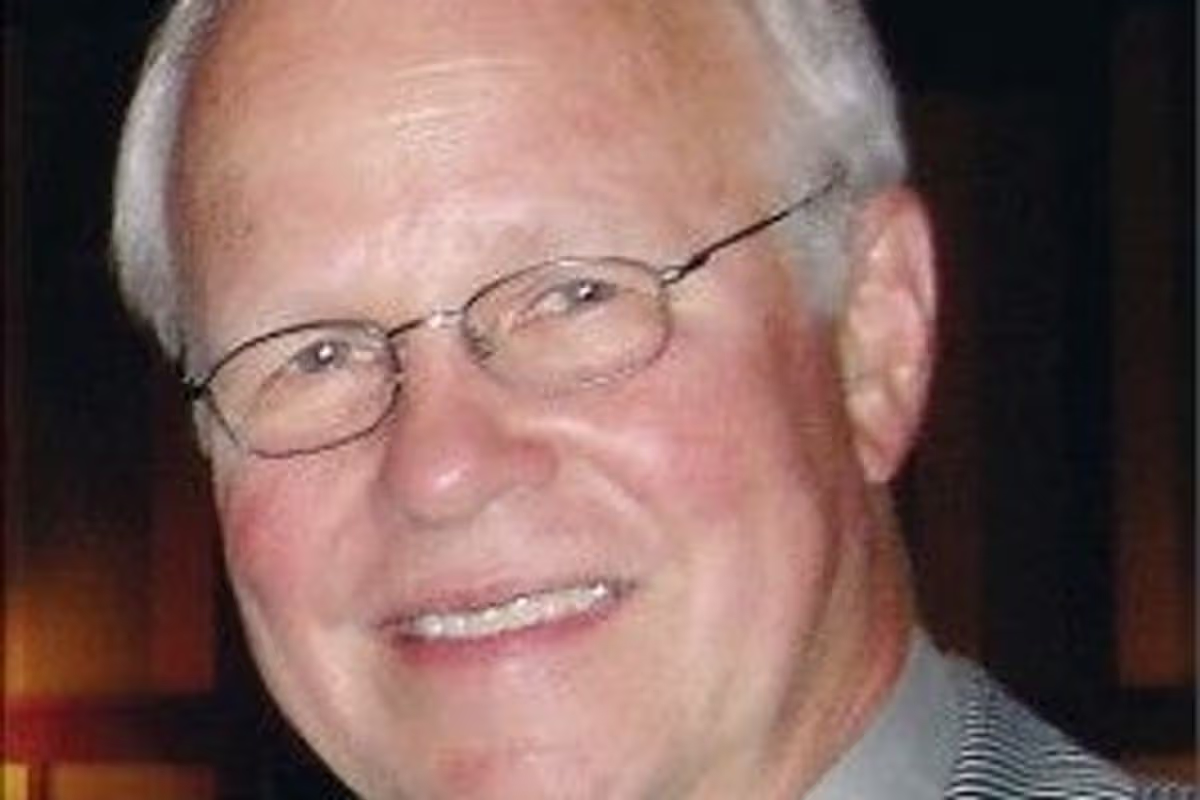
The global medical community is in mourning following the tragic and violent death of a world-renowned physician who was killed by a massive saltwater crocodile in a remote region of northern Australia. The incident occurred during a private expedition through the rugged waterways of the Northern Territory, an area known for its dense population of apex predators. The victim, a highly respected specialist credited with pioneering surgical techniques used across the globe, was set upon by the reptile in a sudden and overwhelming attack. Perhaps most distressing is that his wife, who was accompanying him on the journey, was forced to watch in horror from a nearby vessel as the predator struck with lethal precision.

Witness accounts and preliminary reports from local rangers suggest that the couple had been exploring a well-known but treacherous stretch of river when the attack took place. The doctor was reportedly standing near the water’s edge, assessing the terrain for a potential camp or photography spot, when the crocodile lunged from the murky depths. Witnesses described the speed of the animal as incomprehensible, leaving no time for the victim to react or for those nearby to intervene. The sheer scale of the crocodile, estimated by local wildlife experts to be over five meters in length, meant that any struggle was tragically brief.
Emergency services were alerted immediately, but the remote nature of the location meant that specialized search and rescue teams took several hours to arrive on the scene. By the time authorities reached the area, the crocodile had disappeared back into the complex network of mangroves and deep channels that define the region. A massive recovery operation was launched, involving helicopters, thermal imaging drones, and expert trackers. After an exhaustive search spanning nearly forty-eight hours, the animal was located and humanely destroyed by wildlife officers. The remains of the doctor were subsequently recovered, bringing a somber end to the initial phase of the investigation.
The victim’s wife remains under intensive medical supervision, suffering from severe shock and psychological trauma. Those close to the family have requested privacy during this unimaginably difficult time, noting that the couple were experienced travelers who had a deep respect for the natural world. The irony that such a brilliant life, dedicated to the preservation of human health and the advancement of medical science, was claimed by a primitive force of nature has not been lost on his colleagues. Tributes have poured in from medical institutions in London, New York, and Sydney, all praising the doctor’s humility, intellect, and the thousands of lives he touched through his work.
Local authorities in the Northern Territory have used this tragedy to issue a stern reminder about the inherent dangers of the region’s waterways. While crocodile management programs are in place, the population of saltwater crocodiles has surged since they were declared a protected species decades ago. This growth has led to increased human-wildlife conflict, particularly in areas where tourists and researchers may underestimate the stealth and territorial nature of the animals. Government officials have emphasized that even seasoned outdoorsmen are at risk in “croc country” and that staying well back from the water’s edge is the only foolproof method of ensuring safety.
The incident has also reignited a long-standing debate in Australia regarding the culling of large crocodiles in areas frequented by humans. While conservationists argue that these predators are an essential part of the ecosystem and that human behavior must adapt to their presence, others believe that the threat to life has become too great. For the medical fraternity, however, the focus remains on the legacy of a man who changed the face of modern surgery. Scientific journals are already planning commemorative editions to honor his contributions, ensuring that while his life ended in a moment of natural ferocity, his impact on humanity will endure for generations.

As the investigation into the exact circumstances of the attack continues, the site of the tragedy has been temporarily closed to the public. Rangers are monitoring the area for any signs of other large predators that may have been emboldened by the recent activity. For the survivors and the global community of peers, the path to healing will be long. The loss of such a prominent figure serves as a chilling reminder of the raw power of the natural world and the fragile boundary between human civilization and the ancient, untamed wilderness that continues to exist on its fringes.
Related News:
 Costa Blanca Holiday Horror as Food Poisoning Outbreak Hits Four-Star Hotel
 CDC Plunged Into Turmoil as Ousted Chief Susan Monarez Refuses to Step Down
 First Group of Children from Gaza Arrive in UK for Life-Saving NHS Treatment
 Global Study Reveals Violence in GP Surgeries Linked to Long Waiting Times and Drug Refusals
 The diet that can significantly ease symptoms of IBS
 Europe, North America face early wave of bird flu
 Hindu Man’s Stand Sparks Hope in India
 Facing a Demographic Catastrophe, Ukraine Is Paying for Troops to Freeze Their Sperm
 Five Young People Die in Spain Apartment Block Fire
 ‘Staggeringly Stupid’ Man Jailed After Tattooing Children
 Snow and Rain Warnings as Cold Snap Continues in the UK
 Illegal Skin Lightening Cream Being Sold in UK Butchers, Watchdog Warns
 TfL Advert Banned for Harmful Racial Stereotype
 Adoption Breakdown Ended My Career and Relationship – ‘We’re Told to Get On With It’
 Suspect in Rhode Island Ice Hockey Shooting Killed Ex‑Wife and Son
 The Russian Village That Lost Its Men to War
 Revealed: The Billions Given to Charity by Ordinary Indians Every Year
 Inland Australia Town Turns Streets into a Beach for Volleyball Contest
 Epstein Eyed Record Label Investment to Access Women, Files Suggest
 Break from Wintry Weather as UK Temperatures to Climb to 14 °C
 Australian Presenter Apologises for Drinking Before Slurred Olympics Report
 Mind Launches Inquiry into AI and Mental Health After Guardian Investigation
 What’s Next for Andrew Mountbatten-Windsor’s Ex-Wife, Sarah Ferguson?
 Asos Co-Founder Dies After Thailand Balcony Fall
 Austrian Climber Found Guilty After Girlfriend Froze to Death on Mountain
 Mystery GP on Train Saves Passenger’s Life
 Gold Fever Hits South Africa After Lucky Find in Cattle Pen
 ‘A Disgrace’ — Patient Blasts Neurology Report
 Greenland Says ‘No Thanks’ to Trump’s US Hospital Boat Offer
 The Surprising Power of Daily Rituals
 ‘We Pray for Peace’: Indian Filmmaker From Troubled State Who Won a BAFTA
 Exciting’ or ‘Frustrating’? East Coast Reacts to Record Snow
 Inside Kyiv’s resolve as conflict nears five‑year mark
 What to Watch for During Trump’s State of the Union Address
 Drugs, Denial, Stigma: Fiji’s HIV Crisis Hits Children
 ‘I Wanted to Save Her Life’ — The Moment Twin Sisters Learned They Were Identical
 Tick Bite Tragedy Claims Teen in Meat Allergy Case
 ‘I Almost Died After a Touch‑and‑Go C‑Section’
 Vegetarian Diet Linked to Lower Risk of Several Cancers
 ‘I Want to Find the Man Who Saved Us from Drowning’
 ‘It’s Eerie’ – Dubai on Edge as City Comes Under Attack
 ‘It’s Joy in a Pot’: Why Houseplants Could Make You Happier
 The Sad, Strange Story of the World’s Most Radioactive Paradise
 Water Cremation Introduced in UK First
 I Met the Man Who Murdered My Identical Twin. What He Told Me Brought Me Peace
 GPs Losing a Day of Appointments to No‑Shows Each Month
 Wellness Peptide Craze: Why People Are Injecting Drugs ‘Not for Human Consumption’
 Not in the Mood to Exercise? These Simple Daily Habits Work Every Time
 Muslim Group Wants Mosques to Be Used as Polling Stations Ahead of UK Elections
 Travellers’ Mobile Home Burnt Down Overnight in Suspected Arson Attack
 Passengers on Dubai‑Dublin Flight ‘Never So Happy to Be Home’
 Boy, 12, Home After Being Stranded in Middle East
 Why Aren’t Our Dirtiest Roads Getting Cleaned?
 Should We Be Eating Three Meals a Day? Experts Rethink Traditional Meal Patterns
 ‘Every Day Feels Like a Month’: Iranians Describe Life Under ‘Constant’ US‑Israeli Strikes
 The Rewilding Cash Grab Driving Farmers Off the Land
 Manchester Students Mourn Ayatollah Amid Protest
 Scots Firefighter Cycles 800 Miles for MND Charity
 ‘Holiday From Hell’ Leaves UK Couple Stranded in Thailand
 Woman, 29, ‘Chucked’ Into Care Home 100 Miles Away
 Baba Vanga’s Chilling World War 3 Prediction and Russia’s New Leader
 Tears and Cheers as Controversial Long‑Running Australian Breakfast Radio Show Implodes
 My One-Hour Flight Transfer Left Me Facing 10 Days Stuck in a City Under Attack
 Why Every Culture Has a Healing Broth
 Iranian Players Get Australian Visas After Anthem Protest
 Father Dies by Suicide Weeks After Wedding in Clitheroe
 SNP Health Secretary Criticised Over NHS Failures Locally
 Scotland Combines Alcohol and Drug Strategy to Cut Addiction Deaths
 Dad Delivers Baby After Midwife Flees During High‑Risk Labour in UK
 Mother of Child Cancer Survivor Fears UK Visa Changes
 Bodies of Two Chinese Backpackers Found in Floodwaters
 Schnauzer Travels 140 Miles for Life-Saving Spinal Surgery
 What to Stockpile at Home Amid Iran War Fears
 Wealthy Parents Play Dead After Son Hires Hitman to Kill Them
 Tehran Diary: Dark Days Under Relentless Bombardment
 Canada Plasma Deaths Raise Safety Concerns After Two Donors Die
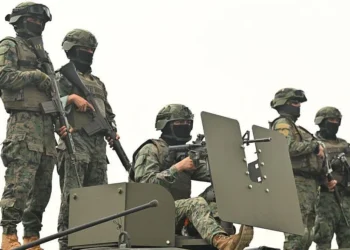 Ecuador Deploys 75,000 Forces in Anti-Gang Drive
 Teen Admits Filming Westfield Chair Prank
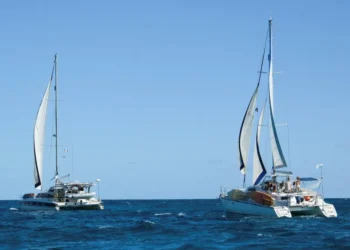 Missing Cuba-Bound Aid Ships Spark Urgent Search
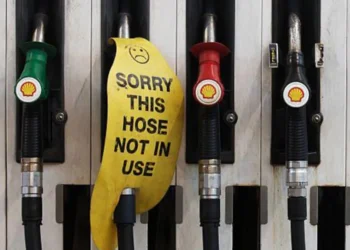 PM Seeks to Reassure Australians Over Fuel Supply