
Published: March 27, 2026. The English Chronicle Desk. The English Chronicle Online — Independent, Insightful, Global.
A devastating account of betrayal and systemic failure has emerged as a mother speaks out about the life-shattering impact of sexual abuse inflicted upon her son by a trusted family friend. In a moving testimony that has resonated across the United Kingdom, the mother described how the sanctity of her home was violated and her son’s future irrevocably altered by someone they once considered a close confidant. The case has highlighted the profound psychological scars left by “peer-on-peer” or “trusted-figure” abuse, a category of crime that experts suggest is frequently under-reported due to the complex emotional bonds and social pressures involved.

The mother, who chose to share her story to raise awareness about the warning signs of grooming and abuse, detailed the agonizing transition her son underwent following the incidents. Once a vibrant, outgoing young man with a passion for sports and academics, he has become a shadow of his former self, struggling with severe post-traumatic stress disorder, chronic anxiety, and a total withdrawal from social activities. She noted that while the legal system eventually moved to convict the perpetrator, the judicial conclusion provided little solace compared to the daily battle her son faces to regain a sense of safety and self-worth in a world that now feels inherently hostile.
Legal and psychological experts involved in the aftermath of the case have pointed out that abuse by a friend or acquaintance carries a unique layer of trauma known as “betrayal blindness.” When a victim is harmed by someone they love or trust, the brain often struggles to process the violation, leading to deep-seated confusion and self-blame. The inquiry into this specific case revealed that the perpetrator used their existing relationship with the family to gain unsupervised access, a tactic that allowed the abuse to continue undetected for a significant period. The mother’s testimony emphasized that the betrayal was not just of the child, but of the entire family’s trust.
The impact on the family unit has been equally profound, with the mother describing a “ripple effect” of grief and guilt that has strained every relationship within the household. She spoke candidly about the “torture” of hindsight, constantly questioning whether there were subtle behavioral shifts she might have missed in the early stages of the abuse. Mental health professionals working with the family have stressed that such self-reproach is a common but misplaced reaction among parents of survivors. They argue that the responsibility lies solely with the abuser and the social structures that fail to prevent such predatory behavior from flourishing in domestic settings.
This case has reignited calls for more comprehensive safeguarding education for both parents and children, focusing on the reality that abuse is more likely to come from a known individual than a stranger. Advocacy groups are pushing for a shift in public discourse to move away from “stranger danger” and toward teaching children about bodily autonomy and the right to say no, even to people they like or admire. The mother’s brave decision to go public has provided a catalyst for these discussions, forcing a confrontation with the uncomfortable reality of how predators operate within established social circles and community groups.
In terms of recovery, the road remains long and uncertain for the young survivor. While he is currently receiving specialized trauma-informed therapy, his mother fears that he will never truly be the same person he was before the abuse began. She described the loss of his innocence as a “living bereavement,” a sentiment shared by many families who have navigated similar tragedies. The financial and emotional cost of seeking justice and long-term psychiatric support has also been a significant burden, highlighting the gaps in state-funded provision for victims of sexual violence and their families.

As the story continues to gain national attention, there is a growing consensus that more must be done to support male survivors of sexual abuse, who often face additional layers of stigma and societal pressure to “be strong” or remain silent. The mother’s plea is for a society that listens more closely to the silent changes in its children and a legal system that prioritizes the long-term healing of the victim over the mere administrative processing of the criminal. Her son’s story is a stark reminder that while a sentence may end for the perpetrator, the sentence for the survivor often lasts a lifetime.
Related News:
 Stop Releasing Phone Thieves Who Reoffend, Met Police Chief Urges Courts
 Disability and LGBT Hate Crimes Set to Become Aggravated Offences
 ‘Staggeringly Stupid’ Man Jailed After Tattooing Children
 Illegal Skin Lightening Cream Being Sold in UK Butchers, Watchdog Warns
 Last‑ditch Call to Save Police Front Counters in London
 Suspect in Rhode Island Ice Hockey Shooting Killed Ex‑Wife and Son
 Epstein Eyed Record Label Investment to Access Women, Files Suggest
 Sadistic Pair Jailed for Blowing Up Sheep
 Grave of Murdered Toddler James Bulger Vandalised
 Outsiders Disrupted Search for Missing Teen Noah Donohoe
 I Met the Man Who Murdered My Identical Twin. What He Told Me Brought Me Peace
 Police Brothel Raids Target Organisers, Not Sex Workers
 Family of Girl Groomed by Ian Huntley Beg Medics to Save His Life
 Sarah Everard’s Killer Wayne Couzens ‘Petrified’ After Ian Huntley Prison Attack
 Undercover officer deceived women with ‘grotesque and cruel’ lies, spycops inquiry told
 Gran Vows to Shield Huntley’s Daughter From Soham Killer’s Funeral
 Burglar’s Bizarre Excuse After Bedroom Break-In
 Mum Blinded After Tumour Linked to Contraceptive Jab
 King Charles Strips MBE and OBE Titles from Nine People Including Stuart Hogg
 Mum Forces Killer Son Back to Crash Scene After He Mows Down Pensioner
 Mum-of-Three Blackmailed Men After Sending Nude Photos
 Mother of Child Cancer Survivor Fears UK Visa Changes
 Blind Woman Forced to Move Out After Leak Causes Ceiling to Cave In
 Wealthy Parents Play Dead After Son Hires Hitman to Kill Them
 Rapist Caught After Victim Calls Police Mid-Attack

 Brutal Attack on Officer Leads to Five-Year Sentence
 Ecuador Deploys 75,000 Forces in Anti-Gang Drive
 Hazardous Material Found in Scots Home Raid
 Families Tortured by Authorities During Investigations Inquiry Told
 Northern Ireland Family of Three Shot Dead in Maguiresbridge Home Incident
 Targeted Attack in Bury Sparks Murder Investigation as Community Awaits Justice
 Man Remanded After Children Fall Ill at Leicestershire Summer Camp in Shocking Child Cruelty Case
 Alarming rise in abusive teen relationships in the UK sparks urgent warnings
 Merseyside Police Helicopter Crew Cleared After Low-Altitude Pursuit of Suspect
 UK Launches Major Crackdown on Networks Profiting from Online Child Sexual Abuse
 Systemic Racism in Maternity Care Continues to Endanger Black Women in England, MPs Warn
 UK Doctors Guilty of Sexual Misconduct Continue Practising Amid Weak Sanctions, Research Finds
 No Evidence Found to Substantiate Alleged Rape in Oxfordshire Churchyard, Police Confirm
 Badenoch Warns Farage’s Grooming Gangs Plan Could Backfire
 French Taxi Driver Cleared in David Lammy Theft Case After Fare Dispute
 Just Stop Oil Protesters Convicted Amid Climate Defence Row
 Rio Raid’s Death Toll Raises Questions About Gang Impact
 Charlotte Raids: 130 Arrested in Major Immigration Sweep
 Serial Rapist and Former Cop Found Guilty Again
 Man Denies Stealing Bronze Age Gold from Museum
 Runaway Driver Caught by DNA Evidence
 Woman Jailed for Life After Killing E-Bike Rider in Tragic Mistaken Identity Case
 Police Doubt Fugitive Dezi Freeman Survived Bushland
 Motorists Could Face ‘Mandatory’ Driving Ban for Road Offences Under Tougher Laws
 How Dark Web Agent Spotted Bedroom Wall Clue to Rescue Girl from Years of Harm
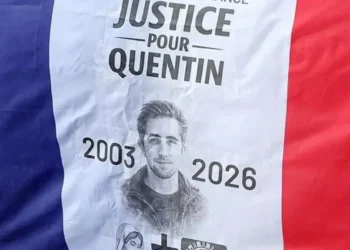 Nine Arrested in France Over Death of Far‑Right Student
 Fly-Tippers to Be Hunted by ‘Drone Squad’ in Crackdown from the Sky
 Dad Found in Bed with Daughter 16 Years After Abandoning Her as a Child
 ‘Don’t Make Us Security Guards,’ Says Teacher Stabbed by Pupil
 ‘A Disgrace’ — Patient Blasts Neurology Report
 Court Error Frees Rape Suspect Who Flees UK
 Sydney kidnapping mystery deepens as grandfather’s remains found after mistaken abduction
 Rape Accused Had Fight With Man in Alley, Court Told
 Suspects in Lisa Dorrian Case Released on Bail
 ‘I Almost Died After a Touch‑and‑Go C‑Section’
 ‘It’s Joy in a Pot’: Why Houseplants Could Make You Happier
 Driver Jailed Over Fatal Water Treatment Tank Crash
 Calls Grow to Remove Billboard Following Lyra McKee Graffiti
 Man on Trial for Rape That Led to Andrew Malkinson’s Wrongful Jailing
 Labour MP’s Partner Arrested on Suspicion of Spying for China
 Police Scotland Pays £8m Compensation to Staff
 Woman, 29, ‘Chucked’ Into Care Home 100 Miles Away
 Armed police incident closes major road
 Pedestrian critically hurt after being hit by car
 Alleged Bondi gunman seeks order to suppress family’s identity
 Scots Man Convicted in Dirty Money Case After DNA Found on Cash
 Father Dies by Suicide Weeks After Wedding in Clitheroe
 SNP Health Secretary Criticised Over NHS Failures Locally
 Teen Wins Payout After TRNSMT Crush Horror
 Biker Suffers Fractured Spine After Hitting Pothole in Edinburgh
 Scots Head Teacher Pays Tribute to Teen Who Died in Car Fire
 Liverpool Shooting Horror as Girl, 17, Shot in Legs in ‘Targeted Attack’
 Second Man Arrested Over ‘Gunshot’ Death of Young Dad in Motherwell Home
 Missing Cuba-Bound Aid Ships Spark Urgent Search