Published: March 30, 2026. The English Chronicle Desk. The English Chronicle Online—Providing trusted news and professional analysis for the UK.
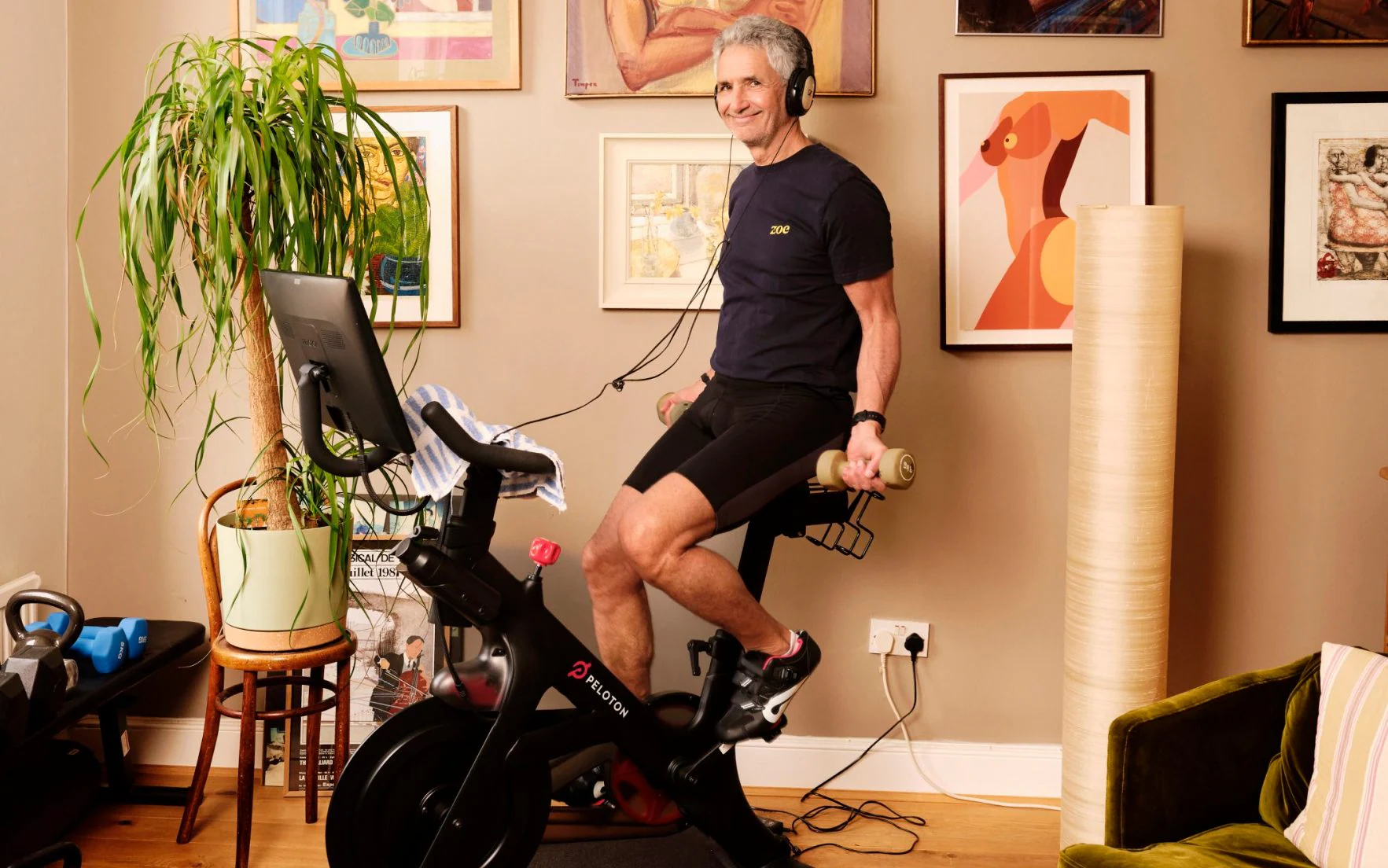
Professor Tim Spector, the genetic epidemiologist and ZOE co-founder who has become Britain’s most influential voice on gut health, has revealed that he feels in better physical condition at 67 than he did in his thirties. Speaking ahead of the release of his latest book, Ferment, the King’s College London professor shared the five “foundational guidelines” that have transformed his own biology. Moving away from the “one-size-fits-all” calorie counting he once taught as a junior doctor, Spector argues that by focusing on the quality of food and the timing of movement, anyone can add a “healthy decade” to their life, regardless of their starting point.

1. Aim for ’30 Plants’ a Week
The cornerstone of Spector’s philosophy is diversity. “The single most important thing you can do for your gut microbiome is to eat a wide variety of plants,” he explains. This doesn’t just mean green vegetables; it includes nuts, seeds, herbs, spices, and whole grains. Spector suggests that those who hit the “30 plants a week” target have significantly more diverse gut microbes than those who stick to the traditional “five-a-day.” To make it easier, he recommends buying pre-mixed bags of frozen Mediterranean vegetables or mixed seeds to “power up” simple meals like salads or porridge.
2. Eat the Rainbow (and Activate Your Veg)
Spector’s second tip focuses on polyphenols—the defense chemicals in plants that give them their vibrant colors. “Brightly colored plants are signaling their health benefits to you,” he says. He also revealed a “10-minute kitchen hack” for maximum nutrient absorption: when cooking with garlic, onions, or broccoli, chop them and let them sit for ten minutes before hitting the heat. This “breathing time” allows an enzyme called myrosinase to activate sulforaphane, a powerful compound that helps regulate blood sugar and cholesterol, which would otherwise be destroyed by immediate cooking.
3. Fermented Foods: ‘Little and Often’
“Think of fermented foods as the ‘seed’ for your gut garden,” Spector advises. Rather than taking expensive probiotic pills, he advocates for consuming small amounts of “live” foods daily, such as kimchi, kefir, sauerkraut, or kombucha. He credits his own energy levels to a breakfast of full-fat Greek yogurt topped with berries and seeds, often accompanied by a small serving of fermented vegetables. The goal is to provide a constant stream of beneficial bacteria to support the immune system and reduce systemic inflammation.
4. The 14-Hour ‘Gut Rest’
One of Spector’s most vocal stances is against “constant grazing.” He practices a 12 to 14-hour overnight fast, usually finishing his last glass of wine or snack by 9:00 pm and not eating breakfast until at least 11:00 am the next day. “Your gut microbes have a night shift too,” he explains. “They need time to clean the gut lining without the distraction of processing new food.” He believes this window of “metabolic rest” is crucial for maintaining a healthy weight and avoiding the mid-afternoon energy slumps common in high-carb diets.

5. Strength Training and ‘Incidental’ Movement
Finally, Spector has shifted his fitness focus away from pure cardio toward resistance. At 67, he has incorporated light weight training and yoga into his morning routine to combat age-related muscle loss. However, he also champions “incidental” exercise, citing gardening as a “longevity superpower” found in the world’s Blue Zones. “Gardening is low-intensity, keeps you bending and stretching, and gets you outside in the dirt—which is actually great for your microbial diversity,” he notes. By combining structured strength work with a more active, outdoor lifestyle, he claims to have seen a marked improvement in his resting heart rate and overall resilience.
Related News:
 Mind Launches Inquiry into AI and Mental Health After Guardian Investigation
 ‘A Disgrace’ — Patient Blasts Neurology Report
 Gaming Helps Woman Cope with Rare Health Condition
 Vegetarian Diet Linked to Lower Risk of Several Cancers
 Water Cremation Introduced in UK First
 Should We Be Eating Three Meals a Day? Experts Rethink Traditional Meal Patterns
 ‘A Living Nightmare’: Parents of Vaccinated Teenager Speak Out After Rare Meningitis B Battle
 UK Launches World-First Gonorrhoea Vaccine Amid Record Infection Surge
 AI Tools Used by English Councils Found to Downplay Women’s Health Issues, Raising Concerns Over Gender Bias in Care
 Shocking Rise in Children’s Exposure to Violent Online Pornography Raises Alarm
 British Pilot Joins Crew Training for Year-Long Mars Simulation Mission
 Omeprazole Alert: NHS Issues Guidance on Safe Use for Heartburn and Indigestion
 Eligibility Confusion Over COVID Vaccination Leaves Pharmacies Struggling Across the UK
 Majority of UK Men Would Opt for Prostate Cancer Screening, Survey Finds
 Scientists Announce First Potentially Accurate Blood Test for Chronic Fatigue Syndrome
 NHS May Pay 25% More for Medicines Amid US Drug Talks
 Survey Shows Most GPs Rushing Appointments
 Genetic Tests May Predict Return of Blood Cancer
 UK Woman Becomes Longest Survivor of Heart-Lung Transplant
 Thousands in the UK sue Johnson & Johnson over alleged talcum powder, linked to cancer
 New wearable UV detector aims to prevent sunburn
 ‘Game-Changing’ HIV Prevention Jab Set for NHS Approval
 How Bringing Forests Into Preschools Boosts Children’s Health
 Experts Urge Legal Right to Timely Cancer Care
 Patients to Test Health at Home to Ease NHS Winter Pressure
 North Sea oil workers must lose weight or face job loss
 No link found between paracetamol in pregnancy and autism
 NHS frontline staff forced to cover gaps as managers remain scarce
 Working-Class Men with Prostate Cancer Left Behind by NHS
 New AI tool could cut wasted efforts in organ transplants
 From Baby Teeth to Bioengineering: The Future of Self-Healing Teeth
 UK launches major AI drive to fight deadly superbugs
 Healthy Habits in Your 30s That Boost Life in Your 70s
 Coffins Now Too Large to Cremate Amid Rising Obesity Crisis
 NHS paediatric leave parents waiting months for answers
 Google Removes Some AI Health Summaries Over Safety Concerns
 Robo-Vaccination Could Transform Fight Against Bovine TB
 Genes May Hold the Secret to Long Life, Scientists Find
 AI breast screening cuts later cancer diagnoses by 12%, study finds
 Baby rhythm sense found in newborn brains
 Most Statin Side-Effects Are Not Caused by Drugs, Study Confirms
 How Where You Grow Up Affects Your Personality
 Illegal Skin Lightening Cream Being Sold in UK Butchers, Watchdog Warns
 Mystery GP on Train Saves Passenger’s Life
 Science Reveals How We Truly Learn Languages
 Brain Bran: The Protective Effect Fibre Has on Cognition
 The Surprising Power of Daily Rituals
 Ayahuasca Psychedelic DMT Shows Potential as Depression Therapy
 Taking Collagen Keeps Skin More Elastic But Won’t Stop Wrinkles, Say Scientists
 ‘I Almost Died After a Touch‑and‑Go C‑Section’
 ‘It’s Joy in a Pot’: Why Houseplants Could Make You Happier
 I Met the Man Who Murdered My Identical Twin. What He Told Me Brought Me Peace
 Zorevunersen Breakthrough for Dravet Syndrome

 Streeting Criticises SNP Over NHS App Dispute
 Scots Firefighter Cycles 800 Miles for MND Charity
 Woman, 29, ‘Chucked’ Into Care Home 100 Miles Away
 Baba Vanga’s Chilling World War 3 Prediction and Russia’s New Leader
 Why Every Culture Has a Healing Broth
 Surgeon’s op on patient 1,500 miles away a UK first
 Taking Multivitamins Daily Could Slightly Slow Ageing, Study Finds
 Father Dies by Suicide Weeks After Wedding in Clitheroe
 SNP Health Secretary Criticised Over NHS Failures Locally
 Scotland Combines Alcohol and Drug Strategy to Cut Addiction Deaths
 Dad Delivers Baby After Midwife Flees During High‑Risk Labour in UK
 Mother of Child Cancer Survivor Fears UK Visa Changes
 Woman’s Identity Stolen in Online Catfishing Scam
 Schnauzer Travels 140 Miles for Life-Saving Spinal Surgery
 Social Media Giant Trial Reaches Final Jury Decision
 Horror in the Outback as Crocodile Kills World-Renowned Doctor
 Mother’s Heartbreak as Son Traumatised by Friend’s Sexual Abuse
 Brain-Damaged Scot ‘Stuck’ in Hospital at Centre of Police Probes
 The High Cost of Survival: How the 2026 Fiscal Outlook is Redefining British Life
 Safety Fears at New £200m Maternity Unit: Mums-to-Be ‘Put at Risk’
 ‘F***, We’re Dead’: The Chilling Final Words from the Air France 447 Cockpit
 Spring Awakening: Temperatures to Hit 17°C as Britain Bathes in Sunshine
 Fuel Famine: How African Nations are Rationing Power and ‘Diluting’ Petrol to Survive
 ‘My Daughter is Under the Rubble’: The Human Cost of the Tehran Strikes
 How and When to See April’s Full Pink Moon
 Parents Warned Against Letting Children Cuddle Lambs Following Infection Spike