Published: March 31, 2026. The English Chronicle Desk.
The English Chronicle Online—Providing trusted news and professional analysis for the UK and Health.
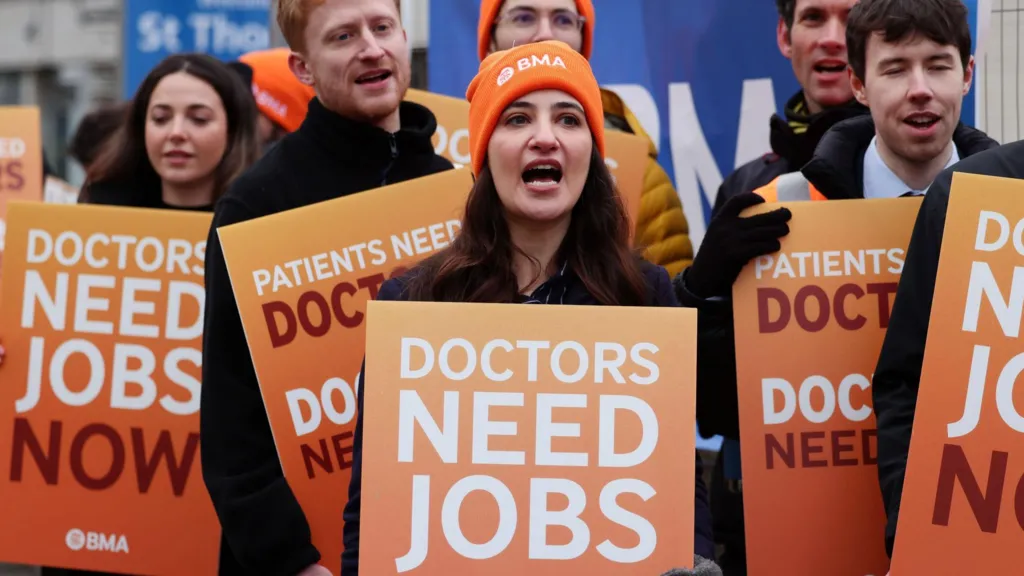
Prime Minister Sir Keir Starmer has delivered a stark 48-hour ultimatum to the British Medical Association (BMA), threatening to withdraw a “historic” investment in NHS training posts unless planned industrial action is canceled by Thursday. Writing in The Times this morning, the Prime Minister branded the BMA Resident Doctors Committee’s (RDC) decision to reject the government’s latest pay and jobs offer as “reckless,” warning that the move “benefits no one” and leaves patients to pay the price. The threat comes after the BMA announced a six-day walkout from April 7 to April 13—strategically timed to follow the Easter bank holiday—demanding full pay restoration to 2008 levels.

The deal currently on the table, which the government claims was developed in tandem with BMA leadership, includes a pay rise of up to 7.1% for the current year, reimbursement for Royal College exam fees, and the creation of 4,500 additional specialty training places over the next three years. Crucially, 1,000 of these highly sought-after positions were slated to open for applications this month. Starmer has now made it clear that these opportunities—designed to ease the “bottleneck” that sees thousands of qualified doctors unable to progress their careers—will be “gone if the deal isn’t put to a vote” by the Thursday deadline. “Do not let others decide your future for you,” Starmer urged individual doctors, bypasssing the union leadership to appeal directly to the rank and file.
The BMA has hit back, accusing the government of “moving the goalposts” at the eleventh hour. Dr. Jack Fletcher, chair of the RDC, argued that while progress had been made, the government’s final offer spread the proposed pay increases over three years rather than the two years the union had expected. Combined with a recent independent pay review recommendation of 3.5%—which falls below the current RPI inflation rate of 3.6%—the union maintains the deal would “lock in” the erosion of real-terms pay. “Any deadline disappears the moment a credible offer is made,” Fletcher stated, dismissing the 48-hour window as a “strong-arm tactic” that ignores the ongoing exodus of UK-trained doctors to Australia and the Middle East.

As the oil price hits $116 and the national economy continues to feel the strain of global energy volatility, the financial cost of further strikes has become a primary concern for the Treasury. The NHS has previously managed to maintain 95% of elective activity during walkouts, but health leaders warn that the upcoming Easter strike will be “uniquely challenging” due to the short notice period and the loss of senior cover during the holidays. If the 48-hour deadline passes without a climbdown from the BMA, the government is expected to pivot its focus entirely toward “minimizing disruption,” effectively closing the door on negotiations until the summer. For thousands of doctors waiting for those 1,000 new training posts, the next 48 hours will determine whether their career progression is about to accelerate or hit a dead end.
Related News:
 CDC Plunged Into Turmoil as Ousted Chief Susan Monarez Refuses to Step Down
 US Healthcare Needs Fixing, But There’s No Agreement on How to Do It
 Greenland Says ‘No Thanks’ to Trump’s US Hospital Boat Offer
 UK Must Act with Courage and Clarity on Israel-Palestine Conflict, Says Foreign Affairs Committee Report
 Radioactive Leak at UK’s Nuclear Warhead Base Sparks Outcry Over Safety and Secrecy
 Mutual Inconvenience: Why Alaska Was Chosen for the Trump-Putin Summit on Ukraine
 Hong Kong Summons UK and Australian Envoys Following Asylum Grants to Democracy Activists
 Is the UK Ready to Put Boots on the Ground in Ukraine? Assessing Military Capacity and Challenges
 Costa Blanca Holiday Horror as Food Poisoning Outbreak Hits Four-Star Hotel
 Conservative Influencer Charlie Kirk Fatally Shot During University Debate
 Channel Crossings Surge: Over 1,000 People Arrive in the UK in Small Boats in a Single Day
 Widow of Charlie Kirk Forgives Killer at Emotional Memorial Service
 Yvette Cooper Signals Global Momentum Towards Gaza Peace Deal Amid Humanitarian Crisis
 Public Trust in SNP Hits Historic Low Amid NHS Concerns
 Johnson Suggests Mandelson Linked to China Spy Controversy
 Rachel Reeves signals welfare reform ahead of key budget
 Russia’s Latest Push to Win US Favors Shows Deep Desperation
 BBC to Apologise Over Edited Trump Speech Amid Backlash
 Britain deploys RAF specialists to assist Belgium with drone threats
 Reeves rejects £1bn plea for NHS redundancy payouts
 Trump Urges Herzog to Grant Netanyahu Full Pardon
 Senator John Fetterman Hospitalized After Fall from Heart Flare-Up, Keeps Sense of Humor
 Indian authorities demolish Kashmir home linked to Red Fort blast
 Greene Pushes Epstein Files Amid Trump Fallout
 Trump Deploys DHS to Charlotte in Major Arrest Operation
 December Run-Off in Chile as Election Produces No Winner
 Canada Passes Carney’s First Budget in Tight Parliamentary Vote
 Shadow Fleet at Sea: Europe’s Battle Against Illicit Oil Shipping
 India’s COP30 Delay Raises Global Climate Concerns
 Georgians Defy Government Crackdown After Year of Protests
 Albanese Opens Door to Bondi Royal Commission Amid Rising Pressure
 EU weighs response amid Greenland tariff crisis with Trump
 EU Says US Ties Have Suffered ‘Big Blow’ After Greenland Crisis
 Israel Moves to Bar MSF From Gaza Operations
 After the Landslide: Can India Reset Ties with BNP Bangladesh?
 Australian Families Leave Syrian Camp for Home
 Starmer Weighs Fast-Tracking Defence Boost
 Trump Attacks UK-California Energy Pact
 Nine Arrested in France Over Death of Far‑Right Student
 Andrew Arrest Sparks Republic Debate in Australia
 Australian PM Says Former Prince Andrew Has Suffered ‘Extraordinary Fall’ but That Won’t Prompt Republic Referendum
 Musk Cuts Starlink Access for Russian Forces – Giving Ukraine an Edge at the Front
 Farage Chagos Islands Row Sparks Fury
 Ukraine Negotiator Reveals What It Feels Like Facing Russia
 Chad Shuts Border With Sudan in Bid to Stop Conflict Spreading
 French Minister Moves to Block US Envoy Kushner from Government Access
 Drugs, Denial, Stigma: Fiji’s HIV Crisis Hits Children
 ‘I Wanted to Save Her Life’ — The Moment Twin Sisters Learned They Were Identical
 Has Europe truly learned from the failures of 2022?
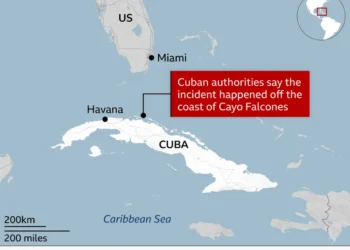 American Citizen Killed in Cuba Boat Shooting, U.S. Officials Say
 Iran’s Regime Still Intact — Coming Days Will Test Its Survival
 Allies of US in the Gulf Bear Brunt of Iran Attacks
 Trump Faces Questions Over Iran Conflict Plan
 Israel Launches Ground Invasion of Lebanon Amid Widening Middle East War
 Herzog Asio meeting sparks security storm
 Nepal Holds First General Election Since Gen Z Protests Toppled Government
 How Depleted Weapons Stockpiles Could Affect the Iran Conflict
 Macron Finds ‘Freedom Fries’ Redemption in Iran Crisis
 Finland Plans to Lift Decades‑Old Ban on Hosting Nuclear Weapons
 Minister Meets Crews Who Will ‘Take Out’ Iranian Drones
 UK–US Tensions Ease as Starmer and Trump Hold First Call Since Iran Row
 Nine Days of Strikes Reshape the Middle East
 Trump Pressures Congress Over Save America Act
 Iran War Puts Trump at Political Risk Amid Rising Prices
 Iran’s New Leader Faces Existential Test
 Iranian Football Squad Asylum Drama Shocks Australia
 Ukraine War Becomes Flashpoint in Hungarian Election
 Queensland Protest Laws Spark Free Speech Backlash
 Eswatini Deal Sparks Global Outcry Over US Deportations
 Yvette Cooper: UK Must Follow Principles, Not US Pressure
 Trump Iran War Stance Hardens as Conflict Widens
 Trump Nato threats expose Iran strategy vacuum
 Trump’s Confidence Undimmed — But Every Iran Option Carries Risk
 Israel Says Iran Security Chief Larijani ‘Killed’
 Philippines energy emergency sparks coal power surge
 NHS Satisfaction Rises for First Time Since 2019
 Trump Facing Backlash from Epstein Survivors Over Files
 UK Forces Ready to Seize Russian Shadow Fleet Vessels
 Trump Considers Military Operation to Seize Iran’s Uranium
 ‘I’m So Ready’: Céline Dion Announces 10-Night Paris Comeback Residency