Published: 01 April 2026. The English Chronicle Desk. The English Chronicle Online.
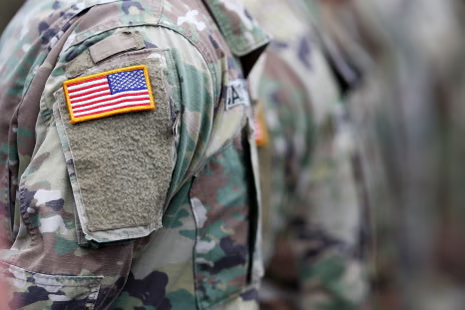
The United States currently faces a complex period of military engagement within the Middle East. President Donald Trump has recently deployed marines and army paratroopers to this volatile region. These movements suggest a potential ground war to secure vital global shipping lanes today. The primary goal remains reopening the Strait of Hormuz and securing nuclear weapon materials. Such provocative military actions have sparked intense conversations about a possible national invasion strategy. Experts note that Iran possesses twice the population of Iraq and much more territory. This demographic reality makes the prospect of a traditional ground invasion very daunting indeed. Consequently, speculative chatter regarding the return of the military draft has increased rapidly.
The White House has done very little to silence these growing public debates recently. Press Secretary Karoline Leavitt addressed these specific concerns during a recent Fox News interview. She responded to questions about the draft in a notably vague and open manner. Leavitt stated that the president assesses the success of every military operation daily now. She clarified that a draft is not part of the current plan today. However, she noted the president wisely keeps all of his options on the table. This lack of a definitive denial caused commentary about the draft to snowball. Major news organizations began publishing detailed guides on how a draft would actually work. This media coverage further fueled the anxiety felt by many young American citizens now.
An influence operation by Iranian accounts has also amplified criticism of the American war. Researchers at Clemson University tracked these fake accounts across various social media platforms recently. These digital networks began spreading anti-war sentiment immediately after the first US air strikes. They specifically targeted young voters who fear being called into active military service soon. This coordinated effort aims to destabilize public support for the ongoing Middle Eastern campaign. Social media users also noticed recent changes to the Selective Service registration process today. The National Defense Authorization Act now automates registration for all eligible young American men. Some clickbait accounts falsely claimed that men were being automatically drafted into the army. In reality, this change was merely an administrative update to the existing federal system.
Further concerns arose when the US Army revised its recruiting regulations this past month. The military raised the maximum enlistment age from thirty-five to forty-two years old now. Officials also scrapped certain prior restrictions for those with minor drug conviction records lately. These shifts led many to believe the military faces a significant recruiting crisis today. However, the army actually met its 2025 goal of sixty-one thousand new soldiers early. Lawrence Romo, a former Selective Service director, recently offered his expert perspective on this. He stated that people are free to discuss the draft as they wish. Romo believes a draft is unlikely unless the volunteer force fails long term. He noted that only a desperate lack of choice would trigger such measures.
Satire has also entered the conversation through various online platforms and creative websites now. Writer Toby Morton launched a website focused on the president’s own family military history. The site satirizes the idea of sending others to war while avoiding service. It highlights that the president received multiple deferments for bone spurs during his youth. The hashtag Send Barron began trending on major social media apps earlier this March. This trend points to the perceived irony of the current administration’s hawkish foreign policy. Public figures like California Governor Gavin Newsom have also shared their unique perspectives recently. Newsom suggested that a period of national service might help unite the country. He proposed a minimum of six months of service for every young citizen. This idea of shared responsibility aims to fix the current social division today.
Despite these suggestions, Newsom himself never served in any branch of the military previously. Similarly, actor Rob Schneider called for two years of mandatory service for all citizens. Schneider suggested that eighteen-year-olds could serve overseas or in local volunteer capacities instead. His comments drew significant attention but also sparked criticism from many online users today. There is a clear political liability for Trump regarding any talk of conscription. During his 2024 campaign, he sharply rejected the idea of mandatory military service. He previously called reports about a potential draft completely untrue and totally ridiculous then. He claimed that he had never even considered the idea of a draft. Now, the reality of a dragging war makes those past denials seem distant.
The American public remains deeply divided over the necessity of this overseas military conflict. Parents express deep fear for the future of their children in this uncertain climate. Many young people are searching for ways to legally avoid any potential military call. Economic stability is also a concern as war spending continues to rise every month. The international community watches closely as the United States navigates these difficult political waters. Diplomatic efforts to de-escalate the situation in Iran have seen very little success. Both sides seem committed to their current path of confrontation and military posturing. This stalemate ensures that the topic of the draft will remain very relevant. Citizens are demanding more clarity from the administration regarding their long-term military goals.
The psychological impact of draft rumors cannot be understated in modern American society today. Fear spreads faster than ever before due to the speed of digital communication now. Every minor policy change is scrutinized by millions of concerned people on the internet. The administration must find a way to communicate more effectively with the worried public. Vague answers from the press secretary only serve to increase the general confusion. A clear and final statement could help calm the national nerves regarding this. However, the fluid nature of modern warfare makes such promises difficult to keep. The shadow of past conflicts like Vietnam still looms over the American political landscape. No politician wants to be responsible for bringing back such a controversial system.
As the conflict drags on, the cost of the war continues to mount. Resources are being diverted from domestic programs to fund the military operations abroad. This shift in spending is causing friction within the halls of the Congress. Some lawmakers argue that the current path is unsustainable for the national budget. They call for a renewed focus on diplomacy and a swift troop withdrawal. Others believe that a show of strength is necessary to protect global interests. This internal debate mirrors the divide seen across the wider American public today. The upcoming election cycle will likely be defined by these very different visions. Voters will have to decide which path they want the nation to take. The prospect of a draft will undoubtedly influence many people at the polls.
In conclusion, the talk of a US military draft remains largely speculative today. There are no concrete plans to move away from an all-volunteer force now. Yet, the combination of a prolonged war and vague official statements fuels anxiety. Social media continues to play a massive role in shaping the public’s perception. Authentic information is often buried under a mountain of clickbait and foreign propaganda. The American people are looking for honest leadership during these very trying times. They want to know that their children will not be sent away. For now, the nation waits for the next move in this conflict. The eyes of the world remain fixed on the White House and Iran. Only time will tell if these fears are truly justified or not. The conversation about duty and service will surely continue in every home. Regardless of the outcome, this period will be remembered as a turning point. Trust in the government is being tested in a very public way. The resolution of this war will define a generation of American foreign policy. Citizens hope for peace but must remain prepared for any future outcome. The resilience of the American spirit is being challenged by these modern threats. We must look for common ground to bridge the gaps in society. Stability and clarity are the most valuable assets in an era of war. Future leaders must learn from the mistakes and successes of this current era. The path forward is difficult but necessary for the safety of all.
Related News:
 Capitol Attack Anniversary Sparks Deep Political Divide
 Trump Labels Renee Good a ‘Paid Agitator’ After Minneapolis ICE Killing
 Trump targets Iran trade with 25% tariff warning
 Trump Receives Machado’s Nobel Medal in White House Meeting
 Thousands Protest ICE Operations in Nationwide US Day of Action
 Epstein Files Reveal Trump Officials’ Emails with Financier
 Thousands Protest ICE in New York Against Trump Deportation Campaign
 US-Cuba Negotiations Shift as Oil Blockade Looms
 Ukraine war briefing: Zelenskyy offers help to Saudi Crown prince on combatting Iranian drones
 New Policy Allows US Troops to Carry Personal Firearms
 Michigan Battleground: Middle East Crisis Stirs US Senate Race
 The Moral Crisis Looming Within the American Chain of Command
 Congresswoman Condemns Trump Over Iran Conflict
 Trump Signals Hope for New Iran Talks as Ceasefire Fades
 Trump’s Presidency: A House of Cards Collapsing?
 GOP Senator Criticizes Trump’s Feud With Pope Leo XIV
 Trump Starts $166bn Tariff Refund Process
 Investigation Into Anti-Trump Motives After Gala Shooting
 UK Urged to Adopt ‘Trade Bazooka’ Against Tariff Threats
 USS Gerald R Ford Ends Record Naval Deployment
 US Charges Sinaloa Governor in Major Cartel Case
 Trump orders US troop pullout from Germany
 Indiana Republicans Defy Trump in Key Vote Test
 Tensions Emerge in Netanyahu-Trump Alliance
 Fear and Betrayal: The Chilling Case of Kouri Richins
 Trump in Beijing: The Strongman Fantasy Made Flesh
 Trump Tightens Grip on GOP with Primary Victory
 Democrats release 2024 election report amid fierce backlash
 US judge dismisses Kilmar Abrego Garcia indictment
 Tulsi Gabbard exits after turbulent intelligence tenure
 Former ICC prosecutor condemns US sanctions
 Trump Weighs Retreat from Controversial $1.8bn Slush Fund
 Trump Allies Funded Hidden Network to Discredit US Vote
 UFC at the White House: Glory Marred by Bitter Smears
 The Dreamers Losing Jobs Under Trump’s Red Tape
 Battle for Washington: Mayoral Race Braces for Trump
 Trump Urged to Condemn UFC Fighter Over Obama Slurs
 Trump Halts Senate Hearing for Intel Pick Jay Clayton
 The Obama Center: Hope and Anxiety on Chicago’s South Side
 US Military Pacific Boat Strike Kills Three People
 FBI Chief Faces Backlash Over Premature Social Media Posts
 Trump’s Mount Rushmore Speech: A Divisive Anniversary
 House Democrats Divided Over Israel Military Funding Bid
 Houthis Strike Saudi Arabia as Middle East Tensions Rise
 Federal Immigration Shift: Officers Leave Louisiana for Minneapolis
 Friedman Uninvited From 2024 Adelaide Writers’ Week
 Greenland Crisis Forces Europe to Draw a Line With Trump
 New Zealand Covid Response Praised Despite Lingering Scars
 The Price of Hubris: Trump, Netanyahu, and the ‘Easy’ War
 Trump and Tehran Find Common Ground in Landmark Ceasefire
 Own an Entire Australian Town for the Price of a UK Flat
 Melania Trump Denies Ties to Epstein and Ghislaine Maxwell
 Reeves Slams Trump Over Iran War Lack Of Exit Plan
 Kyiv and Odesa Mourn After Deadly Wave of Russian Strikes
 US Forces Seize Iranian Ship Near Hormuz Blockade
 Investigation: Offshore Loans and Sanctions
 Prominent Voices Challenge Palestine Action Ban
 Trump Defiant After Washington Hotel Shooting
 Cross-Border Crisis Shatters Fragile Afghan Peace
 Trump approval plunges amid Iran war fears
 US ‘Narco Boat’ Strikes Draw Global Outcry
 The Burning Lens: An Iranian Artist’s Visual Resistance
 FIFA Confirms Global Ban for Benfica Star Prestianni
 One Nation Candidate’s Surprising Ties to Independents
 Putin Signals War End as Russian Momentum Stalls
 Romania’s Judicial Crisis: A System Under Siege
 Scepticism and tight security as Beijing braces for Trump
 Philippine Senator Flees After Days Under Senate Siege
 Secrecy Down Under: Albanese Faces FoI Scandal
 Tony Abbott Returns as New Liberal Party President
 Discontent grows around Putin amid war strain
 Teaching Machines Right From Wrong in the Digital Age
 Oman Defies US Pressure Over Strategic Strait of Hormuz
 Ex-CIA Agent Accused of $40m Gold Theft and Fake Spy Unit
 Aukus Deal Facing Fierce Backing and Historic Criticism
 Tragic Loss of Australian Sprinter Jemma Stapleton
 Russian Tanker Captain Remanded in UK Court After Channel Seizure
 US Airman Avoids British Court in Indecent Exposure Case
 Trump Swaps Planes Amid Iran Tensions
 Yemen Accuses Iran of Violating National Sovereignty