
Published: 1 April 2026 . The English Chronicle Desk.
The English Chronicle Online- Global perspectives on the economic pressures facing modern households.
For the first time in over three years, the psychological barrier of $4 per gallon has been shattered across the United States, leaving millions of American motorists in a state of financial distress. As of Wednesday morning, 1 April 2026, the national average for regular unleaded gasoline hit $4.02, a staggering increase from the sub-$3 levels seen just weeks ago. From the sprawling suburbs of Houston to the busy commuter belts of the Northeast, the refrain “something needs to be done” has become a rallying cry for a population already weary of persistent inflationary pressures.

The primary catalyst for this sudden spike is the ongoing military conflict between the United States and Iran, which began in late February. The war has effectively paralyzed the Strait of Hormuz, a critical maritime chokepoint through which roughly a fifth of the world’s oil supply passes. With the waterway largely impassable due to hostilities and insurance premiums for tankers skyrocketing, global crude oil prices have surged. Brent crude, which sat at $67 per barrel before the outbreak of war, escalated to over $100 this week, creating a direct and painful pipeline to the American consumer’s wallet.
The impact is being felt most acutely by those whose livelihoods depend on the road. In states like Connecticut, where prices have jumped more than a dollar in a single month, gig workers and long-haul truckers are warning that they are reaching a breaking point. “I’m spending nearly a third of my daily earnings just to keep the tank half-full,” noted one delivery driver in Hartford. This sentiment is echoed across the agricultural sector, where surging diesel costs are expected to trigger a secondary wave of price hikes in grocery stores, as farmers struggle to absorb the increased expense of running machinery and transporting produce.
Political pressure is mounting on Washington to provide immediate relief. While the administration has authorized the release of millions of barrels from the Strategic Petroleum Reserve (SPR), market analysts suggest these “stopgap measures” are insufficient to counter the scale of the disruption in the Middle East. Overnight reports of drone attacks on energy infrastructure in Kuwait and Saudi Arabia have only added to the market’s pessimism, with many experts predicting that prices could climb toward the $5 mark if a diplomatic resolution remains out of reach.

As Americans adjust their spring travel plans and tighten household budgets, the focus remains on the volatility of the coming weeks. While some energy experts hope for “demand destruction”—where high prices naturally lead to lower consumption—most families do not have the luxury of opting out of their daily commute. For now, the United States remains tethered to a global energy market dictated by a distant conflict, leaving millions to watch the flickering numbers at the pump with a mixture of anger and anxiety.
Related News:
 Iran War Puts Trump at Political Risk Amid Rising Prices
 Two National Guard Soldiers Critically Injured Near White House
 Trump to Recheck Green Cards from 19 Nations After DC Attack
 American Mother Extradited From UK to U.S. on Murder Charges
 Russia losses Ukraine war peace talks intensify amid rising deaths
 Trump Taiwan China drills: US President Downplays Tensions
 US Venezuela protests sweep cities after intervention
 US Cities Erupt in Protests Against Trump’s Venezuela Military Action
 Trump Escalates Minnesota Immigration Surge Amid Rising Tensions
 Trump Says US Must ‘Own’ Greenland to Block Russia, China
 Trump Weighs Response to Iran Crackdown as Tehran Says Communication Open With US
 Australia’s US Ambassador Rudd to Step Down Early
 US Clears Nvidia AI Chip Sales to China in Policy Shift
 Trump Threatens Strong Action If Iran Executes Protesters
 Trump Receives Machado’s Nobel Medal in White House Meeting
 Greenland Crisis Forces Europe to Draw a Line With Trump
 Iran Cannot Be Bombed Into Democracy, Only Helped There
 Trump Aide Sparks Fury as Greenland Dispute Intensifies
 EU Says US Ties Have Suffered ‘Big Blow’ After Greenland Crisis
 Arizona border shooting leaves suspect hospitalised after agent pursuit
 Videos reveal earlier clash before Alex Pretti shooting
 ‘Painful Times’ as Melinda Gates Responds to Epstein Files
 Trump Praises ‘Terrific’ Petro After White House Talks
 Fears of New Arms Race as US-Russia Nuclear Weapons Treaty Expires
 US Military Says Two Killed in Strike on Alleged Drug Boat in Eastern Pacific
 Trump Endorses Japan’s Takaichi Ahead of Snap Election
 US and Iran Hold Nuclear Talks as Trump Ramps Up Military Threats
 Venezuela’s Opposition Says Party Leader Kidnapped Hours After Being Freed
 Trump Says Iran Regime Change Is “Best Thing That Could Happen”
 Obama Slams Trump’s Racist ‘Ape’ Video Amid Backlash
 Actor Robert Duvall, Who Starred in The Godfather, Dies Aged 95
 New Nuclear Talks Between US and Iran Begin in Geneva
 ‘He Did It for Us’: US Soldier Recalls Jesse Jackson’s Efforts to Free Him and Two Other POWs
 Iran Says ‘Guiding Principles’ Agreed With US at Nuclear Talks
 Stephen Colbert Says CBS Spiked Interview With Democrat Over FCC Fears
 Moment Officers Rescue Injured Bald Eagle From Icy Hudson River
 Suspect in Rhode Island Ice Hockey Shooting Killed Ex‑Wife and Son
 Eight Skiers Found Dead After California Avalanche
 US Urges Iran to Make Deal as Military Presence Rises
 Desperate Hunt for Breakthrough in Nancy Guthrie Case Turns to Mexico
 US and Indonesia Finalise Deal to Cut Tariffs to 19%
 US Will Not Back Out of Tariff Deals with UK and Others, Says Trump Trade Representative
 Who Was El Mencho, Mexico’s Most Wanted Man?
 Inside Atlanta’s Soul Food Revolution
 Ukraine war briefing: Russia exporting more oil now than before war despite sanctions – report
 Threat of Further Violence Looms After Mexican Cartel Rampage
 Bill Gates ‘Took Responsibility’ Over Epstein Ties in Staff Meeting, Foundation Says
 US ‘Suitcase Murderer’ Deported From Bali After 11 Years in Jail
 Clinton Testimony Erupts in Fiery Exchange
 American Citizen Killed in Cuba Boat Shooting, U.S. Officials Say
 Hopes and Fears as US Iranians Take to Streets After Toppling of Supreme Leader
 Iran, the US, and a World Cup That Starts in Three Months
 Trump Faces Questions Over Iran Conflict Plan
 Trump’s Iran Endgame Unclear After Mixed Messaging on War Aims
 Did Trump Declare War and Did Congress Approve Iran Attacks? What to Know
 The US Now Has the Medicine for Cheap Swarming Drone Attacks
 Trump Underestimated the Iranian Regime’s Will to Survive
 U.S. Tells Citizens to Leave Israel Now as Regional Conflict Escalates
 US Senate Backs Trump War Powers Amid Iran Missile Barrage
 US Trade Court Orders Tariff Refunds in Setback for Trump Administration
 US Senate Vote Fails to Rein in Trump War Powers on Iran
 Petrol Prices Soar as Retailers Accused of Gouging Amid Global Tension
 Fuel and Remittances: How Iran Conflict Hits India At Home
 UK Prepares Aircraft Carrier for Middle East Crisis
 Pete Hegseth Iran War Remarks Spark Alarm
 Real Estate Brothers Convicted in Sex Trafficking Trial
 Trump Threatens Iran With ‘Twenty Times Harder’ Oil Strike
 Iran Rejects Ceasefire, Warns Trump With Chilling Message
 Trump’s Confidence Undimmed — But Every Iran Option Carries Risk
 Trump Seeks to Delay Meeting With Xi
 UK Wage Growth Slows as Jobs Market Holds Firm
 UK Forces Ready to Seize Russian Shadow Fleet Vessels
 ‘In Our Backyard’: FBI Labels Michigan Synagogue Attack as Hezbollah-Inspired Terrorism
 Chain of Fire: US Bunker Busters Strike Major Iranian Ammo Depot in Isfahan
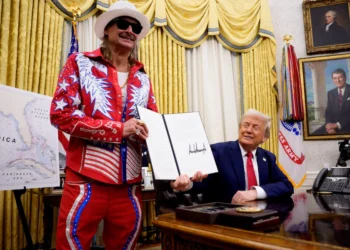 ‘Southern White House’ Stunt: US Army Probes Apache Flyby at Kid Rock’s Mansion
 ‘Targeting the Truth’: US Journalist Shelly Kittleson Abducted in Central Baghdad
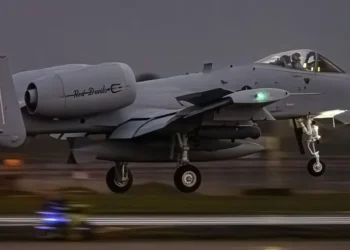 ‘The Warthog’s Stopover’: American Tank Busters Land at Lakenheath En Route to the Gulf
 ‘The Show Must Go On’: Megan Thee Stallion Hospitalized Mid-Performance in Broadway Debut
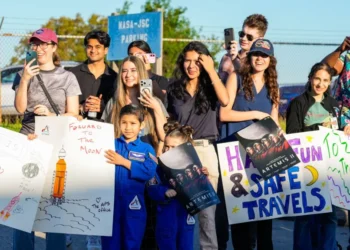 ‘At the Doorstep of the Future’: Florida’s Space Coast Braces for Historic Artemis II Launch
 Trump Signals US Exit From Iran as Tehran Eyes Peace