
Published: 3 April 2026 . The English Chronicle Desk. The English Chronicle Online—Breaking down the world’s most complex stories with precision.
“The numbers are vast, the variables are shifting, and for the global economy, the cost of the conflict in Iran is becoming impossible to ignore.” With his trademark analytical clarity, the BBC’s Ros Atkins has released a definitive breakdown of the economic “shockwaves” emanating from the Middle Eastern theater. As the war enters its second month, Atkins argues that we are no longer just looking at a regional crisis, but a “fundamental restructuring” of global trade costs that will be felt from the gas pumps of Ohio to the grocery aisles of Mumbai.
Atkins begins by focusing on the Strait of Hormuz. “Twenty percent of the world’s liquidified natural gas and oil passes through this stretch of water,” he notes. With the Strait effectively closed to most Western-aligned shipping, the cost of “uncertainty” has been priced into every barrel.
-
Oil Prices: Brent Crude has stabilized near $112 a barrel, a 35% increase since the start of hostilities in February.
-
The “War Premium”: Atkins highlights that insurance premiums for hulls and cargo in the region have increased by 4,000%. For a single VLCC (Very Large Crude Carrier), the insurance cost for a single voyage has jumped from $30,000 to over $1.2 million.
“It’s not just about energy,” Atkins explains, pointing to the secondary effects on manufacturing. Iran and its neighbors are critical exporters of the “building blocks” of modern life.
-
Aluminum and Chemicals: The disruption of smelters in the Gulf has sent aluminum prices to a three-year high.
-
The “Plastic Pivot”: Because the region is a hub for petrochemicals, the cost of PET resin—used in everything from bottled water to medical supplies—has spiked by 22%. As Atkins puts it: “When the source of the world’s plastic is under fire, the price of the packaging is often more volatile than the product inside.”
Atkins also examines the massive military expenditures being authorized in London and Washington.
-
The UK’s “Escort” Cost: The Royal Navy’s mission to protect merchant shipping is costing the Ministry of Defence an estimated £15 million per week in additional fuel, munitions, and personnel costs.
-
The US Disconnect: He notes the “diplomatic friction” caused by President Trump’s refusal to subsidize the security of the Strait. This has forced a coalition of 35 nations to foot a bill that was previously largely absorbed by the US taxpayer.
“The cost of this war,” Atkins concludes, “is being paid in two ways. There is the immediate, tragic cost of human life and infrastructure in Iran. But there is also a slow-motion economic cost—a ‘war tax’ that is now being applied to almost every global supply chain.” As the 35-nation summit continues in London, the question Atkins poses is simple: can the world afford the price of a prolonged stalemate in the world’s most sensitive maritime corridor?
Ros Atkins’ Cost Breakdown: Iran War (April 2026)
| Economic Driver | Metric | Impact Level |
| Global Oil (Brent) | $112 / barrel | High |
| Shipping Insurance | +4,000% | Critical |
| PET Resin (Plastics) | +22% | Medium |
| UK Naval Operations | £60m / month | High |
| Global LNG Supply | -18% Vol. | Critical |
Related News:
 US Trade Deficit Hits Fresh High Despite Trump’s Tariffs
 Ukraine war briefing: Russia exporting more oil now than before war despite sanctions – report
 German Chancellor Lands in Beijing for Inaugural China Trip
 Canada Says U.S. Unlikely to Lift Tariffs Amid Ongoing Trade Tensions
 Why Meloni Quietly Flooded Italy With Migrants
 Strait of Hormuz: What Happens if Iran Shuts Global Oil Corridor?
 Stock Markets and Oil Prices Still Volatile Over Fears Iran War May Drag On
 Petrol Prices Soar as Retailers Accused of Gouging Amid Global Tension
 Fuel and Remittances: How Iran Conflict Hits India At Home
 US Eases Sanctions on Russian Oil Sales to India During Iran Conflict
 Iran War Puts Trump at Political Risk Amid Rising Prices
 UK Wage Growth Slows as Jobs Market Holds Firm
 UK Forces Ready to Seize Russian Shadow Fleet Vessels
 Trump Signals US Exit From Iran as Tehran Eyes Peace
 Americans Struggle as Petrol Prices Surge Past Four Dollars
 Markets Shaken as Trump Vows to Hit Iran ‘Extremely Hard’
 Uncertainty Lingers as Trump’s Iran Strategy Remains Shrouded
 Questions Linger as Trump’s Iran Strategy Faces Scrutiny
 Pakistan’s Diplomatic Gambit: Bridging the Divide in the Iran War
 The Bitter Aftertaste: Iran War Threatens to Spike Prices for Indian Beer and Bottled Water
 UK Must Act with Courage and Clarity on Israel-Palestine Conflict, Says Foreign Affairs Committee Report
 Tottenham Takes On Newcastle
 Radioactive Leak at UK’s Nuclear Warhead Base Sparks Outcry Over Safety and Secrecy
 Terence Stamp, ’60s British Film Legend and Star of Superman, Dies at 87
 Hong Kong Summons UK and Australian Envoys Following Asylum Grants to Democracy Activists
 Is the UK Ready to Put Boots on the Ground in Ukraine? Assessing Military Capacity and Challenges
 Channel Crossings Surge: Over 1,000 People Arrive in the UK in Small Boats in a Single Day
 Macron Phones Trump Over Traffic Jam in New York
 Comey Indictment Deepens Fears of Political Retribution Under Trump
 Yvette Cooper Signals Global Momentum Towards Gaza Peace Deal Amid Humanitarian Crisis
 “It Was Very Tough, But I Love Life”: Former Israeli Hostage Rebuilds Life After Family Killed by Hamas
 Chaos at Ibrox as Martin’s Rangers Era Comes to an End
 Trump Claims Modi Has Agreed to Halt Russian Oil Imports Amid Heightened US Pressure
 Russia’s Latest Push to Win US Favors Shows Deep Desperation
 BBC to Apologise Over Edited Trump Speech Amid Backlash
 Britain deploys RAF specialists to assist Belgium with drone threats
 Greene Pushes Epstein Files Amid Trump Fallout
 Zelenskyy Signs Fighter Jet Deal Amid Russian Drone Attacks
 Shadow Fleet at Sea: Europe’s Battle Against Illicit Oil Shipping
 US Suspends Afghan Immigration After White House Shooting
 ‘Extinct’ Antelope Returns to Sahara, Bringing Hope
 Sydney Shark Attack Surge Shocks Australia Beaches
 UK New Car Discounts Near £6,000 as Prices Are Slashed
 Portugal Election Delivers Socialist Win as Far Right Surges
 Australian Families Leave Syrian Camp for Home
 Starmer Weighs Fast-Tracking Defence Boost
 ‘I Would Scream in My Sleep’: Alawite Women from Syria Tell of Kidnap and Rape
 Snow and Rain Warnings as Cold Snap Continues in the UK
 Nine Arrested in France Over Death of Far‑Right Student
 Indian University Kicked Out of AI Summit for Claiming Chinese Robot Dog as Its Own Invention
 Epstein Eyed Record Label Investment to Access Women, Files Suggest
 How Do You Modernise Mango Farming? India’s Growers Urged to Innovate as Climate Change Hits
 Australian PM Says Former Prince Andrew Has Suffered ‘Extraordinary Fall’ but That Won’t Prompt Republic Referendum
 Farage Chagos Islands Row Sparks Fury
 Storm Hernando: Edinburgh Airport Flights Cancelled in US Travel Chaos
 Ukraine Negotiator Reveals What It Feels Like Facing Russia
 Chad Shuts Border With Sudan in Bid to Stop Conflict Spreading
 Drugs, Denial, Stigma: Fiji’s HIV Crisis Hits Children
 ‘We’ve been paying for happy endings for Andrew for years’: inside the royal disgrace, biographer says
 Hilary Knight speaks out on Trump’s recent hockey remarks
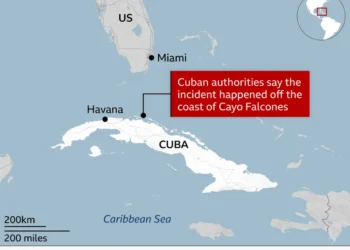 American Citizen Killed in Cuba Boat Shooting, U.S. Officials Say
 Iran’s Regime Still Intact — Coming Days Will Test Its Survival
 In Maps: Strikes Across Iran and the Middle East
 The Third Day of the US‑Israeli War With Iran
 Brit ‘in Good Spirits’ Amid Dubai Missile Attacks, Stranded but Safe
 Herzog Asio meeting sparks security storm
 Civilian Deaths in Iran Pass 700 Amid Fear of Bombs and Regime Clampdown
 ‘Every Day Feels Like a Month’: Iranians Describe Life Under ‘Constant’ US‑Israeli Strikes
 Penny Wong silent on Australian crew in sub strike
 Finland Plans to Lift Decades‑Old Ban on Hosting Nuclear Weapons
 Minister Meets Crews Who Will ‘Take Out’ Iranian Drones
 Oil Prices Surge Above $100 Amid Iran War
 Nine Days of Strikes Reshape the Middle East
 Trump Pressures Congress Over Save America Act
 Goma Drone Attack Kills Three as Conflict Escalates
 Queensland Protest Laws Spark Free Speech Backlash
 Trump Nato threats expose Iran strategy vacuum
 Trump Facing Backlash from Epstein Survivors Over Files
 Trump Considers Military Operation to Seize Iran’s Uranium
 “It Ends With Trial”: Judge Tosses Blake Lively’s Sexual Harassment Claims Against Justin Baldoni