Published: April 6, 2026
The English Chronicle Desk
The English Chronicle Online
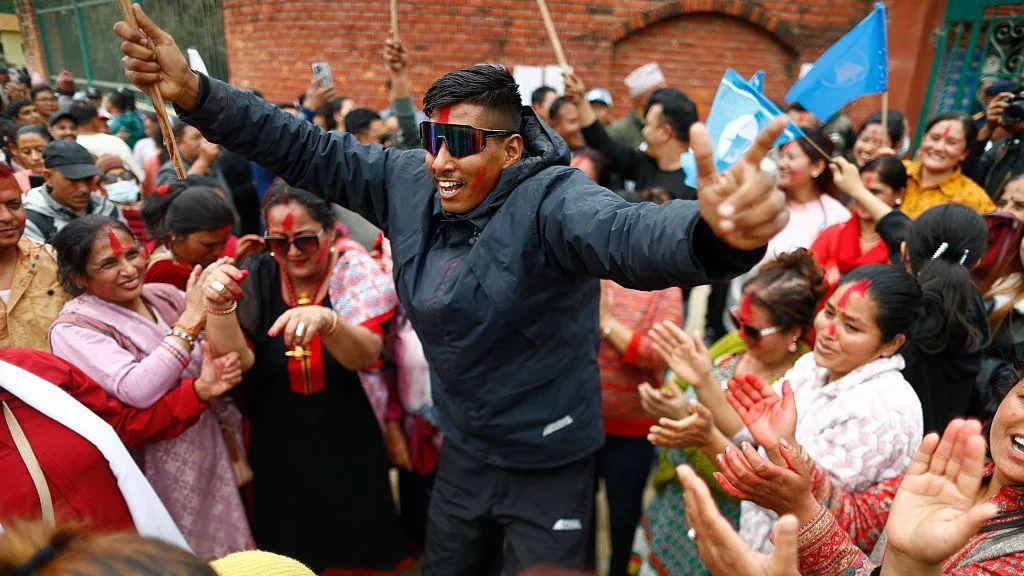
Two parallel waves of youth-driven political activism in South Asia have drawn sharp comparisons, as Nepal’s Generation Z appears to have translated street protests into electoral success, while similar movements in Bangladesh have struggled to achieve lasting political impact. The contrasting outcomes offer insight into how structural, political, and institutional differences shape the effectiveness of grassroots mobilisation.
In Nepal, a surge of youth activism in recent years has culminated in tangible political gains. Disillusioned with traditional parties and entrenched political elites, young voters and activists mobilised around issues such as corruption, governance reform, and economic opportunity. Their efforts extended beyond protests, evolving into organised political participation that directly influenced election outcomes.

A key factor in Nepal’s case has been the ability of youth-led movements to transition from protest to institutional engagement. Activists not only demonstrated in the streets but also formed alliances, supported independent candidates, and encouraged voter turnout among younger demographics. This strategic shift allowed them to convert public sentiment into measurable electoral results.
By contrast, Bangladesh has witnessed significant youth mobilisation, particularly around issues of governance, civil rights, and economic inequality. However, these movements have faced structural challenges that have limited their political effectiveness. While protests have generated attention and occasionally pressured authorities, they have not consistently translated into electoral influence.
Analysts point to differences in political systems as a major explanatory factor. Nepal’s relatively open and competitive electoral environment has provided space for new entrants and independent voices. In contrast, Bangladesh’s political landscape is often characterised by intense rivalry between dominant parties, leaving limited room for alternative movements to gain traction within formal institutions.
Another critical distinction lies in organisational capacity. In Nepal, youth movements have demonstrated a higher degree of coordination and strategic planning. By building networks, leveraging social media, and engaging in grassroots campaigning, they have created a more cohesive political force. In Bangladesh, youth activism has often been more fragmented, with multiple groups pursuing similar goals without a unified strategy.
The role of elections themselves is also central to the comparison. In Nepal, elections have functioned as a viable mechanism for change, encouraging activists to engage with the system. In Bangladesh, skepticism about electoral processes has, at times, discouraged participation, leading some activists to focus primarily on protest rather than political integration.
Socioeconomic factors further complicate the picture. Both countries face challenges such as youth unemployment and economic inequality, which have fueled dissatisfaction. However, the responses to these challenges differ. In Nepal, economic grievances have been effectively channelled into political messaging that resonates with voters. In Bangladesh, while similar concerns exist, translating them into a cohesive electoral platform has proven more difficult.
Digital platforms have played a significant role in both contexts, serving as tools for mobilisation and communication. Generation Z, often described as digitally native, has leveraged these platforms to organise protests, share information, and amplify their voices. However, the impact of digital activism varies depending on how it is integrated with offline political strategies.
The contrasting experiences also highlight the importance of leadership. Nepal’s youth movements have benefited from emerging leaders who are able to articulate clear agendas and connect with broader segments of society. In Bangladesh, leadership within youth movements has been less consolidated, which can dilute messaging and reduce overall effectiveness.
Government responses have also influenced outcomes. In Nepal, while protests have faced resistance, there has been sufficient political space for activism to evolve. In Bangladesh, responses to protests have sometimes been more restrictive, affecting the ability of movements to sustain momentum and expand their influence.
International observers suggest that the comparison should not be oversimplified. Each country operates within a unique historical and political context, and outcomes are shaped by a complex interplay of factors. Nevertheless, the divergence offers valuable lessons for youth movements across the region.
One such lesson is the importance of bridging the gap between activism and governance. Protests can raise awareness and apply pressure, but without mechanisms to influence policy and decision-making, their impact may be limited. Nepal’s experience demonstrates how this transition can be achieved, while Bangladesh’s challenges illustrate the difficulties involved.
Another lesson concerns the need for inclusivity and coalition-building. Successful movements often extend beyond a single demographic, engaging diverse groups and addressing a broad range of issues. In Nepal, youth activists have managed to connect their concerns with those of the wider population, enhancing their electoral appeal.
Looking ahead, the trajectory of youth activism in both countries remains uncertain. In Nepal, maintaining momentum and delivering on promises will be critical to sustaining credibility. In Bangladesh, the challenge lies in translating activism into political influence, whether through reforms, new political platforms, or increased participation in elections.

The broader regional context suggests that youth will continue to play a significant role in shaping political landscapes. With large युवा populations and increasing access to information, their capacity to mobilise and influence outcomes is likely to grow. However, the effectiveness of this influence will depend on how movements adapt to their respective environments.
Ultimately, the comparison between Nepal and Bangladesh underscores a fundamental point: activism alone is not sufficient. The ability to navigate political systems, build alliances, and engage with institutions is crucial for achieving lasting change. As Generation Z continues to assert its presence in public life, these dynamics will remain central to understanding its impact.
Related News:
 After the Landslide: Can India Reset Ties with BNP Bangladesh?
 China Strikes at Japan’s Core — Will PM Takaichi Back Down?
 Japan Braces as Takaichi Begins New Term with Huge Mandate for Low‑Tax, Ultra‑Conservative Agenda
 South Korea’s Ex-President Faces Death Penalty in Insurrection Trial
 Kim Jong Un Reappointed as Ruling Party Chief
 The Taekwondo Teacher Tasked With Healing India’s Troubled State
 Japan to Deploy Missiles on Island Near Taiwan by 2031
 Nine Killed in Karachi Consulate Protest
 Could Kim’s Teen Daughter Become North Korea’s Next Leader?
 Rap Star May Beat Ex‑PM — What This Says About Nepal’s Gen Z
 Nepal Leaders Call on Voters to Ensure Success of ‘Historic’ Election
 Nepal Holds First General Election Since Gen Z Protests Toppled Government
 Nepal Election 2026: When Will We Get the Results?
 Iran Drones Hit Azerbaijan Airport as War Widens
 Sri Lanka Takes Control of Second Iranian Vessel a Day After US Sub Attack
 Nepal election 2026: Rapper Balendra Shah on track to be next PM as his party heads for landslide
 China Moves to Enshrine ‘Ethnic Unity’ Law
 Gulf Oil Shock Sends Global Economic Ripples
 Nepal Election 2026: Balendra Shah’s Party Nears Historic Supermajority
 China’s Biggest Political Meeting Ends — Key Takeaways
 Point-Blank Gunshot Misses Indian Politician
 Anti-Regime Iranians Turn Anger Toward Trump
 Pakistan Denies Air Strike on Afghanistan Hospital That ‘Killed 400 People’
 UK Must Act with Courage and Clarity on Israel-Palestine Conflict, Says Foreign Affairs Committee Report
 Radioactive Leak at UK’s Nuclear Warhead Base Sparks Outcry Over Safety and Secrecy
 Mutual Inconvenience: Why Alaska Was Chosen for the Trump-Putin Summit on Ukraine
 Hong Kong Summons UK and Australian Envoys Following Asylum Grants to Democracy Activists
 Is the UK Ready to Put Boots on the Ground in Ukraine? Assessing Military Capacity and Challenges
 Channel Crossings Surge: Over 1,000 People Arrive in the UK in Small Boats in a Single Day
 Yvette Cooper Signals Global Momentum Towards Gaza Peace Deal Amid Humanitarian Crisis
 Russia’s Latest Push to Win US Favors Shows Deep Desperation
 BBC to Apologise Over Edited Trump Speech Amid Backlash
 Britain deploys RAF specialists to assist Belgium with drone threats
 Trump Urges Herzog to Grant Netanyahu Full Pardon
 Indian authorities demolish Kashmir home linked to Red Fort blast
 Greene Pushes Epstein Files Amid Trump Fallout
 December Run-Off in Chile as Election Produces No Winner
 Canada Passes Carney’s First Budget in Tight Parliamentary Vote
 Shadow Fleet at Sea: Europe’s Battle Against Illicit Oil Shipping
 India’s COP30 Delay Raises Global Climate Concerns
 Georgians Defy Government Crackdown After Year of Protests
 Albanese Opens Door to Bondi Royal Commission Amid Rising Pressure
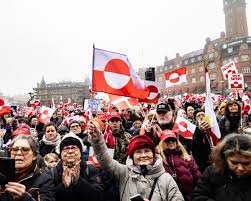 EU weighs response amid Greenland tariff crisis with Trump
 EU Says US Ties Have Suffered ‘Big Blow’ After Greenland Crisis
 Israel Moves to Bar MSF From Gaza Operations
 Australian Families Leave Syrian Camp for Home
 Starmer Weighs Fast-Tracking Defence Boost
 Japan’s Lost “Tigers” Were Actually Lions, Study Reveals
 Nine Arrested in France Over Death of Far‑Right Student
 Andrew Arrest Sparks Republic Debate in Australia
 Australian PM Says Former Prince Andrew Has Suffered ‘Extraordinary Fall’ but That Won’t Prompt Republic Referendum
 Musk Cuts Starlink Access for Russian Forces – Giving Ukraine an Edge at the Front
 Farage Chagos Islands Row Sparks Fury
 Ukraine Negotiator Reveals What It Feels Like Facing Russia
 Chad Shuts Border With Sudan in Bid to Stop Conflict Spreading
 Has Europe truly learned from the failures of 2022?
 American Citizen Killed in Cuba Boat Shooting, U.S. Officials Say
 Iran’s Regime Still Intact — Coming Days Will Test Its Survival
 Trump Faces Questions Over Iran Conflict Plan
 Herzog Asio meeting sparks security storm
 Finland Plans to Lift Decades‑Old Ban on Hosting Nuclear Weapons
 Minister Meets Crews Who Will ‘Take Out’ Iranian Drones
 Nine Days of Strikes Reshape the Middle East
 Trump Pressures Congress Over Save America Act
 Iran War Puts Trump at Political Risk Amid Rising Prices
 Iranian Football Squad Asylum Drama Shocks Australia
 Ukraine War Becomes Flashpoint in Hungarian Election
 Queensland Protest Laws Spark Free Speech Backlash
 Yvette Cooper: UK Must Follow Principles, Not US Pressure
 Trump Nato threats expose Iran strategy vacuum
 Trump’s Confidence Undimmed — But Every Iran Option Carries Risk
 Sri Lanka Sets Weekly Shutdown to Save Fuel
 Israel Says Iran Security Chief Larijani ‘Killed’
 Philippines energy emergency sparks coal power surge
 Trump Facing Backlash from Epstein Survivors Over Files
 Nepal to swear in ex-rapper as new prime minister
 UK Forces Ready to Seize Russian Shadow Fleet Vessels
 Trump Considers Military Operation to Seize Iran’s Uranium
 Report Says Pezzullo Acted ‘Recklessly’ in Dealings
 Hungary Claims Plot to Target Gas Pipeline Pre-Vote