Published: April 6, 2026
The English Chronicle Desk
The English Chronicle Online
Category: UK News
Subcategories: Royal Family, Religion, Life & Society
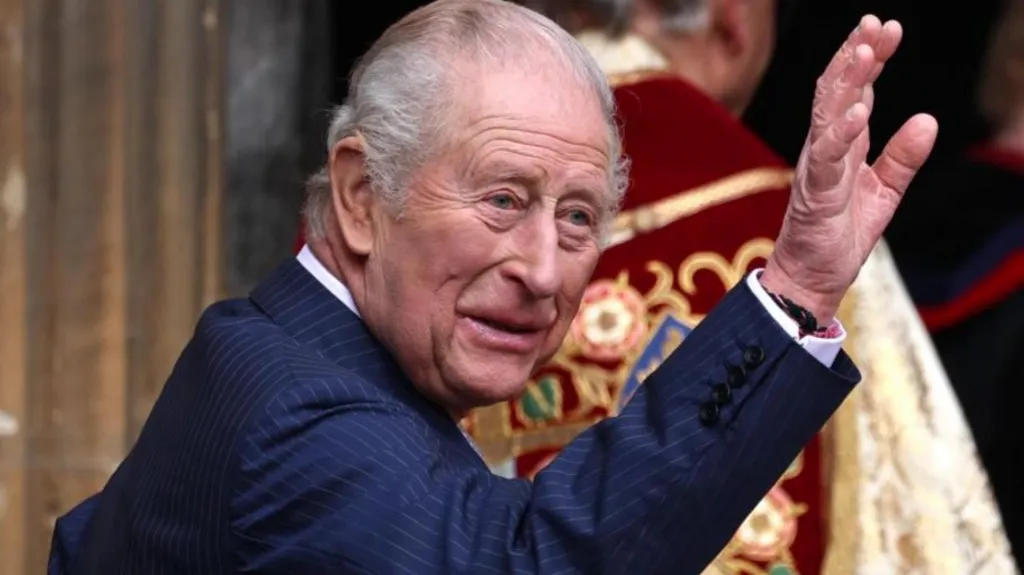
Members of the British royal family attended the traditional Easter Sunday service at Windsor, marking one of the most significant annual gatherings in the royal calendar. The occasion drew public attention as senior royals arrived for the morning service held at Windsor Chapel, continuing a long-standing ceremonial tradition linked to Easter observances in the United Kingdom.
The Easter service is widely regarded as a symbolic event for the monarchy, combining religious observance with public visibility. It typically brings together senior members of the royal household, reflecting continuity and institutional presence during major Christian holidays. This year’s attendance was consistent with that established pattern, underscoring the monarchy’s association with national and religious tradition.

Crowds gathered outside the Windsor estate to observe arrivals, with onlookers and media positioned along designated viewing areas. Security measures were in place, as is customary for royal events, ensuring controlled access while allowing public engagement with the occasion. The atmosphere was described as orderly, with interest focused on the formal procession into the chapel.
Inside the service, prayers and hymns were conducted in line with traditional Easter liturgy. The event emphasised themes of renewal and reflection, central to the Christian observance of Easter. For the royal family, participation in such services is both a private act of worship and a public demonstration of continuity within the established church framework.
Royal attendance at Easter services at Windsor has long been a fixture of the calendar, often serving as one of the more visible appearances of the family during the spring season. While details of individual participation are typically limited, the collective presence of senior royals is viewed as a reaffirmation of institutional stability.
The event also attracted commentary on the monarchy’s role in contemporary Britain, particularly in balancing ceremonial tradition with evolving public expectations. Observers note that such appearances continue to hold symbolic value, even as the political and cultural landscape shifts.
This year’s service proceeded without disruption, concluding with the customary departure of attendees from the chapel grounds. The occasion reinforced Windsor’s continuing role as a focal point for royal religious observance.
Related News:
 The Victorian aristocrat who became Britain’s first Muslim lord
 Sarah Ferguson Loses Another £1.5m Amid Financial Struggles
 King Charles Strips MBE and OBE Titles from Nine People Including Stuart Hogg
 Eugenie ‘Falls on Sword’ as Andrew and Sarah Ferguson Criticised
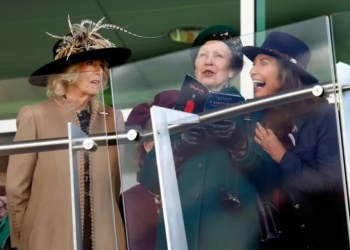 Royals Find ‘Fergie Replacement’ They Can Trust
 Andrew Mountbatten-Windsor’s New Home Dispute as Vans Seen at Sandringham
 Church Attendance Report Pulled After Fraudulent Responses
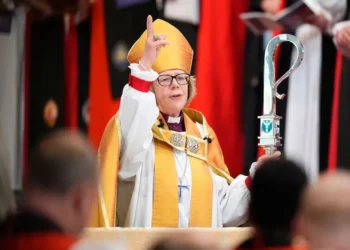 ‘Teenage Me Could Not Have Imagined This’ Says First Female Archbishop
 Labour Utterly Humiliated by Straight-Talking Mum Who Cut Through Keir Starmer’s Insanity
 Royal Family LIVE: ‘Pariah’ Andrew Mountbatten-Windsor Sparks Fresh Revolt Among Staff
 Renters Furious as Decent Homes Standard Delayed Until 2035
 UP IN FLAMES: Huge Blaze Rips Through Odeon Cinema, Students Evacuated
 Motorists Could Face ‘Mandatory’ Driving Ban for Road Offences Under Tougher Laws
 Royal Mail Blames Poor Weather and Sickness for Delayed Deliveries
 Disability and LGBT Hate Crimes Set to Become Aggravated Offences
 Snow and Rain Warnings as Cold Snap Continues in the UK
 Flooding May Worsen Before It Improves as More Rain Forecast for the UK
 Teacher Who Lied About Cambridge Degree Banned From Profession
 Last‑ditch Call to Save Police Front Counters in London
 Deaf Woman Killed After Night Out With Strangers, Court Hears
 Dad Found in Bed with Daughter 16 Years After Abandoning Her as a Child
 Store at Famous Shopping Village to Close After 18 Years Due to Rising Costs
 ‘Don’t Make Us Security Guards,’ Says Teacher Stabbed by Pupil
 Sadistic Pair Jailed for Blowing Up Sheep
 ‘We’ve been paying for happy endings for Andrew for years’: inside the royal disgrace, biographer says
 Will the New SEND Reforms in England Work? You Have Your Say
 BBC Edited a Second Racial Slur Out of BAFTA Ceremony
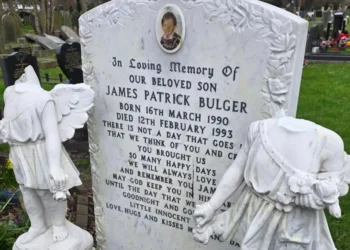 Grave of Murdered Toddler James Bulger Vandalised
 ‘I Almost Died After a Touch‑and‑Go C‑Section’
 Conservation Budgets Hit by Increased Fly‑Tipping Costs
 Water Cremation Introduced in UK First
 Calls Grow to Remove Billboard Following Lyra McKee Graffiti
 Why Aren’t Our Dirtiest Roads Getting Cleaned?
 Scots Firefighter Cycles 800 Miles for MND Charity
 Woman, 29, ‘Chucked’ Into Care Home 100 Miles Away
 Community farm appeal to cover thousands in repairs
 Gran Vows to Shield Huntley’s Daughter From Soham Killer’s Funeral
 Labour Faces Backlash Over Conscription Warning
 Father Dies by Suicide Weeks After Wedding in Clitheroe
 SNP Health Secretary Criticised Over NHS Failures Locally
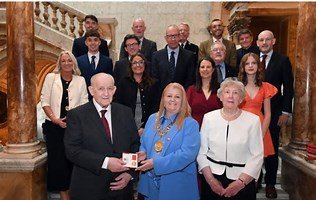 Veteran Firefighter Praises Glasgow Blaze Response
 Courier Firm Bust After 14 Years as Evri Deliveries Face ‘Temporary Disruption’
 Teen Wins Payout After TRNSMT Crush Horror
 Biker Suffers Fractured Spine After Hitting Pothole in Edinburgh
 Scots Head Teacher Pays Tribute to Teen Who Died in Car Fire
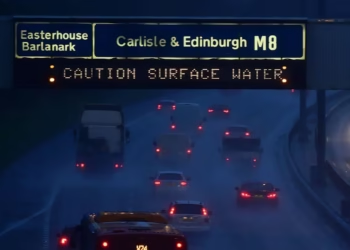 Travel Chaos on M8 and M74 Amid 70 mph Gales as Trains Also Cancelled
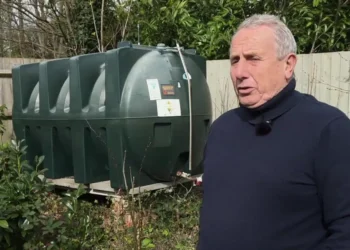 ‘Heating Oil Suppliers Are Holding Us to Ransom’ as Prices and Cancellations Surge
 Rare Glimpse of Historic Bridge Thanks to Low Tide
 Second Man Arrested Over ‘Gunshot’ Death of Young Dad in Motherwell Home
 Rapist Caught After Victim Calls Police Mid-Attack

 Rising Costs Force Families to Rethink Days Out
 Families Tortured by Authorities During Investigations Inquiry Told
 Two Men Bailed Following Arson Attack on Jewish Charity Ambulances
 Watchdog Probes Police Handling of Andrew Tate Abuse Claims
 Fire Crews Battle Major Blaze at Coventry Car Dealership
 The High Cost of Survival: How the 2026 Fiscal Outlook is Redefining British Life
 Safety Fears at New £200m Maternity Unit: Mums-to-Be ‘Put at Risk’
 Dawn Raids in Scotland and Spain: Eight Arrested in Major Organised Crime Sting
 US Lawmaker Demands Testimony Over Sarah Ferguson’s ‘Close Epstein Ties’
 The Last of the Lords: Two Hereditary Peers to Retain Ceremonial Roles Amid Historic Ousting
 Spring Awakening: Temperatures to Hit 17°C as Britain Bathes in Sunshine
 Trust in Turmoil: Just Eat and Autotrader Among Firms Probed Over Fake Reviews
 Fuel Famine: How African Nations are Rationing Power and ‘Diluting’ Petrol to Survive
 ‘My Daughter is Under the Rubble’: The Human Cost of the Tehran Strikes
 ‘No Surprise’: Ramaphosa Downplays South Africa’s Exclusion from Emergency G7 Summit
 ‘Eye in the Sky’ Blinded: Photos Reveal Destroyed US Radar Jet at Saudi Base
 ‘Full and Immediate Access’: Netanyahu Reverses Palm Sunday Ban on Latin Patriarch
 Four Teens Charged After Assault on Rescue Volunteer and Dog
 Woman Deported from China Over Manx Passport Mix-Up
 Schools Lack Staff to Make SEND Reforms Work, Union Warns
 How a Busy Saturday Night in Derby Descended into Chaos
 ‘My Hatred of Dogs is Ruining My Love Life’
 How the King Became the Jewish Community’s Greatest Ally
 No, the RNLI is Not a ‘Taxi Service’ for Migrants – I Would Know
 Gridlock Britain: Easter 2026 Set for Busiest Roads in Four Years
 ‘The Final Word’: Kathleen Stock’s Polemic Against Assisted Dying Reshapes the UK Debate
 ‘Empty Tanks’: UK Drivers Cry Foul as Petrol Prices Surge Amid $120 Oil Threat
 Can King Charles Calm Trump on Key US Visit?
 Pope Leo Urges Peace in First Easter Mass Address