Published: 7 April 2026 . The English Chronicle Nature. The English Chronicle Online—Bringing you the smallest, rarest, and most extraordinary stories from the animal kingdom.
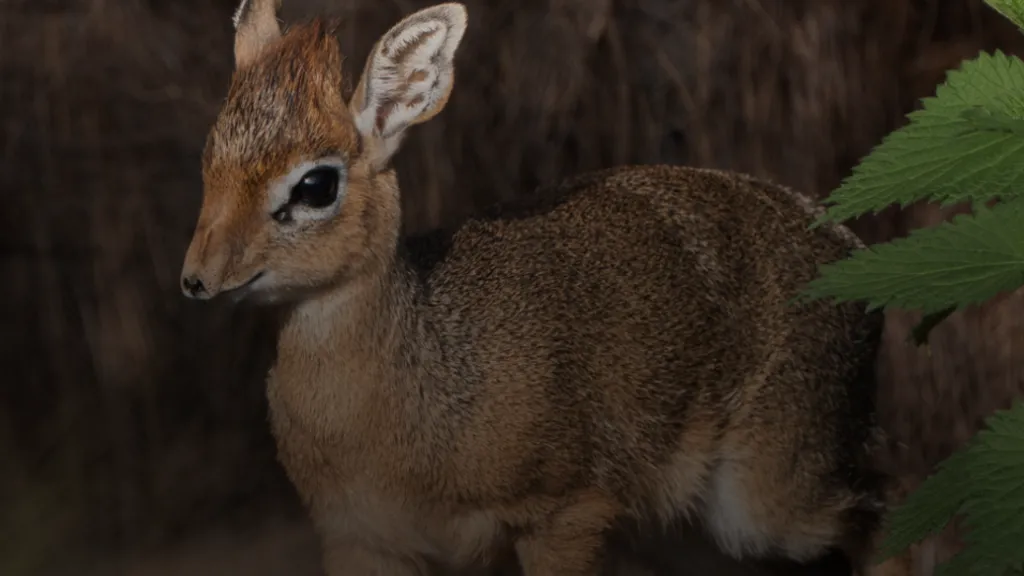
While the world focuses on the geopolitical tensions in Iran and the high-tech return of the Artemis II crew, a tiny biological miracle has stolen the spotlight at a specialized conservation center in the UK. Keepers have unveiled the first photos of a newborn Kirk’s Dik-dik, a species of miniature antelope from East Africa, who arrived standing just six inches tall—roughly the same height as a standard 415g tin of baked beans.

The calf, named Bean by his keepers in a nod to his diminutive stature, weighed a mere 580 grams at birth. Kirk’s Dik-diks are among the smallest antelopes in the world, but even by their standards, Bean is an exceptionally petite arrival.
-
The “Bean” Comparison: Standing next to a common kitchen tin, Bean’s delicate, spindly legs and twitching velvet nose barely reach the rim.
-
The “Whistle” Species: Dik-diks get their name from the unique “zik-zik” whistling sound they make through their elongated, trunk-like snouts when they sense danger.
-
Born to Run: Despite his size, Bean was up and walking within 30 minutes of birth. In the wild scrublands of Namibia and Tanzania, being “fast and small” is the only defense against predators.
The birth is a significant win for the European Endangered Species Programme (EEP). Kirk’s Dik-diks face increasing threats in the wild from habitat loss and the illegal bushmeat trade, where they are often hunted for their skins to make suede gloves.
-
The “Trunk” Secret: Bean’s unusual nose isn’t just for show; it acts as a highly efficient cooling system. By pumping blood through the fine membranes in the snout, the antelope can survive the blistering 40°C heat of the African savanna.
-
Monogamous Miracles: Unlike many other antelope species, Dik-diks are strictly monogamous. Bean’s parents, Dottie and Dash, have been a “pair-bond” for four years, rarely straying more than a few meters from each other’s side.
-
The Diet of a Dwarf: At just a few days old, Bean is already starting to nibble on high-protein acacia leaves, though he still relies primarily on his mother’s milk to reach his full adult height of approximately 14 inches.
Images of Bean have gone viral globally, providing a much-needed “palate cleanser” in a week dominated by heavy international news. Social media users have dubbed him the “Micro-Deer,” though he is technically a true antelope.

“He may be small enough to fit in a large coat pocket,” says lead keeper Sarah Finch, “but he has the personality of a giant. He’s already practicing his ‘pronking’—the vertical leaps they use to confuse predators.”
As Bean continues to grow, he will eventually serve as an ambassador for the fragile ecosystems of the Horn of Africa. For now, he remains under the watchful eye of his parents and a team of devoted vets, proving that even in a world of “giant” headlines and lunar missions, nature’s smallest creations can still command the biggest audience.
Species Profile: Kirk’s Dik-dik (Madoqua kirkii)
| Metric | “Bean” (Newborn) | Adult (Average) |
| Height | 6 Inches | 12–16 Inches |
| Weight | 580 Grams | 3–5 Kilograms |
| Top Speed | 15 mph (Estimated) | 26 mph |
| Lifespan | 2 Weeks | 10 Years (Wild) / 15 (Captivity) |
| Conservation Status | Stable (Wild) / Protected (EEP) | — |
Related News:
 Chinese National Arrested Over Attempt to Smuggle 2,000 Queen Ants From Kenya
 UK Must Act with Courage and Clarity on Israel-Palestine Conflict, Says Foreign Affairs Committee Report
 Tottenham Takes On Newcastle
 Radioactive Leak at UK’s Nuclear Warhead Base Sparks Outcry Over Safety and Secrecy
 Terence Stamp, ’60s British Film Legend and Star of Superman, Dies at 87
 Hong Kong Summons UK and Australian Envoys Following Asylum Grants to Democracy Activists
 Is the UK Ready to Put Boots on the Ground in Ukraine? Assessing Military Capacity and Challenges
 Yvette Cooper Signals Global Momentum Towards Gaza Peace Deal Amid Humanitarian Crisis
 Chaos at Ibrox as Martin’s Rangers Era Comes to an End
 Trump Claims Modi Has Agreed to Halt Russian Oil Imports Amid Heightened US Pressure
 Russia’s Latest Push to Win US Favors Shows Deep Desperation
 BBC to Apologise Over Edited Trump Speech Amid Backlash
 Britain deploys RAF specialists to assist Belgium with drone threats
 Trump Urges Herzog to Grant Netanyahu Full Pardon
 Indian authorities demolish Kashmir home linked to Red Fort blast
 Greene Pushes Epstein Files Amid Trump Fallout
 December Run-Off in Chile as Election Produces No Winner
 Zelenskyy Signs Fighter Jet Deal Amid Russian Drone Attacks
 Shadow Fleet at Sea: Europe’s Battle Against Illicit Oil Shipping
 Tiny Curacao Makes History as Smallest Nation to Reach World Cup
 India’s COP30 Delay Raises Global Climate Concerns
 US Suspends Afghan Immigration After White House Shooting
 Georgians Defy Government Crackdown After Year of Protests
 ‘Extinct’ Antelope Returns to Sahara, Bringing Hope
 Facebook Slow to Remove Bondi Attack Praise, Anti-Hate Group Claims
 Trump Weighs Response to Iran Crackdown as Tehran Says Communication Open With US
 US Clears Nvidia AI Chip Sales to China in Policy Shift
 Gulf states warn Trump Iran strikes risk wider Middle East war
 Sydney Shark Attack Surge Shocks Australia Beaches
 EU Says US Ties Have Suffered ‘Big Blow’ After Greenland Crisis
 UK New Car Discounts Near £6,000 as Prices Are Slashed
 Portugal Election Delivers Socialist Win as Far Right Surges
 Australian Families Leave Syrian Camp for Home
 Starmer Weighs Fast-Tracking Defence Boost
 ‘I Would Scream in My Sleep’: Alawite Women from Syria Tell of Kidnap and Rape
 Snow and Rain Warnings as Cold Snap Continues in the UK
 Nine Arrested in France Over Death of Far‑Right Student
 Indian University Kicked Out of AI Summit for Claiming Chinese Robot Dog as Its Own Invention
 Epstein Eyed Record Label Investment to Access Women, Files Suggest
 How Do You Modernise Mango Farming? India’s Growers Urged to Innovate as Climate Change Hits
 Australian PM Says Former Prince Andrew Has Suffered ‘Extraordinary Fall’ but That Won’t Prompt Republic Referendum
 Ukraine Negotiator Reveals What It Feels Like Facing Russia
 Drugs, Denial, Stigma: Fiji’s HIV Crisis Hits Children
 Hilary Knight speaks out on Trump’s recent hockey remarks
 American Citizen Killed in Cuba Boat Shooting, U.S. Officials Say
 Iran’s Regime Still Intact — Coming Days Will Test Its Survival
 In Maps: Strikes Across Iran and the Middle East
 The Third Day of the US‑Israeli War With Iran
 Brit ‘in Good Spirits’ Amid Dubai Missile Attacks, Stranded but Safe
 Herzog Asio meeting sparks security storm
 Civilian Deaths in Iran Pass 700 Amid Fear of Bombs and Regime Clampdown
 ‘Every Day Feels Like a Month’: Iranians Describe Life Under ‘Constant’ US‑Israeli Strikes
 Petrol Prices Soar as Retailers Accused of Gouging Amid Global Tension
 Penny Wong silent on Australian crew in sub strike
 Finland Plans to Lift Decades‑Old Ban on Hosting Nuclear Weapons
 Minister Meets Crews Who Will ‘Take Out’ Iranian Drones
 Oil Prices Surge Above $100 Amid Iran War
 Nine Days of Strikes Reshape the Middle East
 Trump Pressures Congress Over Save America Act
 Real Estate Brothers Convicted in Sex Trafficking Trial
 Iran War Puts Trump at Political Risk Amid Rising Prices
 Goma Drone Attack Kills Three as Conflict Escalates
 Queensland Protest Laws Spark Free Speech Backlash
 Trump Nato threats expose Iran strategy vacuum
 Trump’s Confidence Undimmed — But Every Iran Option Carries Risk
 Israel Says Iran Security Chief Larijani ‘Killed’
 Australia Imposes Sudden Travel Ban on Iranian Visitors
 Trump Facing Backlash from Epstein Survivors Over Files
 UK Forces Ready to Seize Russian Shadow Fleet Vessels
 Trump Considers Military Operation to Seize Iran’s Uranium
 Net Closes on Lyons Clan: Partner Arrested in Dubai as Crime Boss Snared in Bali
 Chain of Fire: US Bunker Busters Strike Major Iranian Ammo Depot in Isfahan
 ‘The Cost of Living’: Asia’s Migrant Workers Debate if Gulf Jobs are Worth the Risk of War
 Russia: The Unforeseen Winner of the Iran Conflict
 Open Justice Prevails as Court Rejects Bondi Gunman’s Family Anonymity Bid
 “It Ends With Trial”: Judge Tosses Blake Lively’s Sexual Harassment Claims Against Justin Baldoni
 The Banbridge Rescue: 300 Sheep Saved from Massive Hay Shed Inferno
 Report Says Pezzullo Acted ‘Recklessly’ in Dealings
 Hungary Claims Plot to Target Gas Pipeline Pre-Vote
 Oil and Diplomacy: Russian Refineries Burn as Zelenskyy Secures Middle East Shield