Published: April 7, 2026. The English Chronicle Desk.
The English Chronicle Online — Investigating environmental justice and cross-border accountability.
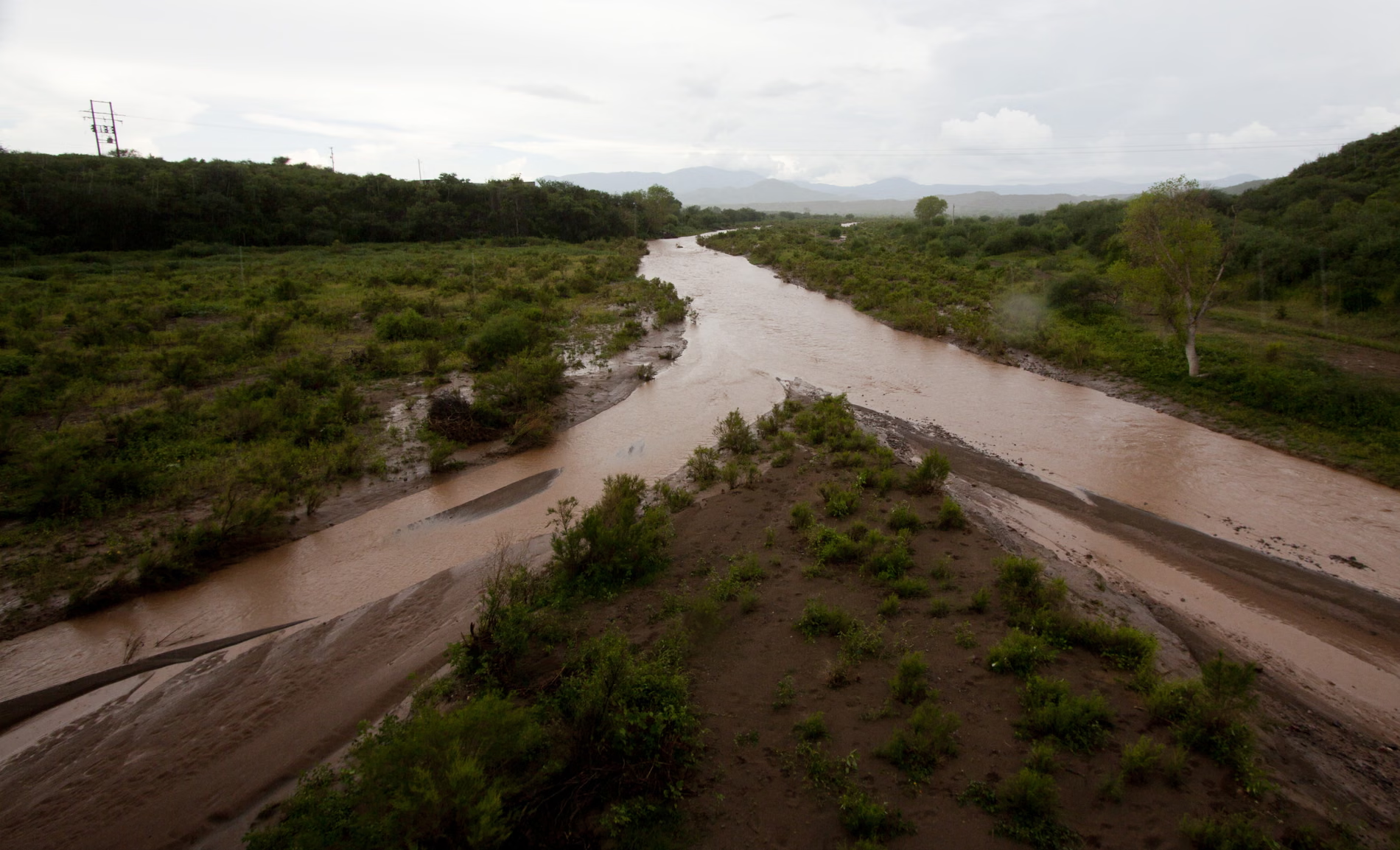
MEXICO CITY — A United Nations special rapporteur has issued a blistering indictment of the United States’ waste management practices, accusing Washington of treating Mexico as a “garbage sink” for its hazardous materials. Following a two-week fact-finding mission across industrial border zones and coastal dumping sites, Marcos Orellana, the UN expert on toxics and human rights, warned that the “unchecked flow” of electronic waste, plastic scrap, and industrial chemicals has triggered a “toxic crisis” that is systematically violating the right to a healthy environment for millions of Mexicans.

The report, presented to the UN Human Rights Council on Tuesday, highlights a disturbing trend of “waste colonialism” facilitated by the loopholes in the US-Mexico-Canada Agreement (USMCA). Orellana noted that as the US tightens domestic environmental regulations, American companies are increasingly offloading their environmental liabilities south of the border. This includes thousands of tons of lead-acid batteries and “forever chemicals” (PFAS) that are processed in Mexican facilities with significantly lower safety standards, leading to the contamination of groundwater and a surge in respiratory illnesses in border communities like Tijuana and Ciudad Juárez.
One of the most critical points in the UN findings is the surge in plastic waste exports. Since China and several Southeast Asian nations banned plastic scrap imports in 2018, Mexico has become a primary destination for American plastic “recycling” that is often unrecyclable. “What the US labels as ‘circular economy exports’ are, in reality, mountains of mixed polymers that end up in illegal open-air incinerators,” Orellana stated. “Mexico is being forced to breathe the toxic fumes of American consumption.”
The UN expert also pointed to the “shameful” export of pesticides that are banned for use within the United States due to their link to cancer and reproductive issues, yet are still manufactured and shipped to Mexican agribusinesses. This “double standard” in chemical safety, Orellana argued, creates a cycle of poisoning that affects Mexican farmworkers and ultimately returns to American dinner tables via imported produce.
In response to the report, the Mexican Ministry of the Environment (SEMARNAT) signaled its intent to tighten import controls, though officials privately acknowledge the difficulty of policing the 2,000-mile border. Environmental groups in Mexico have hailed the UN’s intervention as a “long-overdue validation” of their struggle. “For decades, we have been told this was the price of trade,” said Sofía Rubalcava, a spokesperson for the Front for Environmental Justice. “But no trade deal should give one country the right to use another as a landfill.”
The US State Department has not yet issued a formal rebuttal, though a spokesperson noted that the US is “committed to working with our partners to improve waste management infrastructure.” However, the UN report recommends a fundamental shift: the US must ratify the Basel Convention on the Control of Transboundary Movements of Hazardous Wastes, which would legally prohibit the export of many of the materials currently clogging Mexican landscapes.

As the 2026 hurricane season approaches—threatening to wash industrial runoff from these dumping sites into the Gulf of Mexico—the “toxic crisis” is no longer just a local concern. It has become a high-stakes test of whether “North American cooperation” can extend beyond profit margins to protect the shared air and water of a continent.
Related News:
 Suspect in Rhode Island Ice Hockey Shooting Killed Ex‑Wife and Son
 Inside Kyiv’s resolve as conflict nears five‑year mark
 US Partially Evacuates Beirut Embassy Amid Rising Iran Tensions
 ‘I Know Him in My Bones’: Melissa Gilbert Denies Being ‘Naive’ in Defense of Timothy Busfield
 US Defence Chief on Drug Boat Strike: “Did Not See Survivors”
 Guterres Warns Global Cooperation Under Threat at UN’s 80th Year
 Thousands Protest ICE Operations in Nationwide US Day of Action
 US Military Says Two Killed in Strike on Alleged Drug Boat in Eastern Pacific
 Moment Officers Rescue Injured Bald Eagle From Icy Hudson River
 ‘Staggeringly Stupid’ Man Jailed After Tattooing Children
 As Trump Retreats from Climate Goals, China Is Becoming a Green Superpower
 Desperate Hunt for Breakthrough in Nancy Guthrie Case Turns to Mexico
 Epstein Eyed Record Label Investment to Access Women, Files Suggest
 What to Watch for During Trump’s State of the Union Address
 Family Offers $1M Reward to Bring Home Missing Mother
 US ‘Suitcase Murderer’ Deported From Bali After 11 Years in Jail
 At Least 10 FBI Agents Who Worked on Trump Investigation Fired
 US Senate Vote Fails to Rein in Trump War Powers on Iran
 Trump Removes Kristi Noem From Homeland Security Role
 Two Charged After Bomb Attack Outside NYC Mayor’s Home
 Wealthy Parents Play Dead After Son Hires Hitman to Kill Them
 Ecuador Deploys 75,000 Forces in Anti-Gang Drive
 Spanish woman dies by euthanasia after long legal battle
 Shock, Sadness, and Relief in Porepunkah as Australia’s Seven-Month Manhunt Ends in Gunfire
 ‘In Our Backyard’: FBI Labels Michigan Synagogue Attack as Hezbollah-Inspired Terrorism
 A Hero’s Shadow: Activists and Lawmakers Rethink Cesar Chavez Day Following Abuse Claims
 ‘A New Chapter’: Japan Ends Century-Old ‘Sole Custody’ Rule in Landmark Legal Shift
 Weather Tracker: Record March Heat Leaves Western Snowpack at ‘Abysmal’ Lows
 The Two-Wheeled Renaissance: How Paris Swapped Cars for Bikes and Reclaimed its Soul
 ‘The Nanny of Bondi’: Accused Pinochet Agent Adriana Rivas to be Extradited to Chile
 Northern Ireland Family of Three Shot Dead in Maguiresbridge Home Incident
 Trump Urges Herzog to Grant Netanyahu Full Pardon
 Trump Deploys DHS to Charlotte in Major Arrest Operation
 Two National Guard Soldiers Critically Injured Near White House
 US National Guard Member Killed in DC Shooting
 Tokyo court rules Japan’s same-sex marriage ban constitutional
 ‘Extinct’ Antelope Returns to Sahara, Bringing Hope
 American Mother Extradited From UK to U.S. on Murder Charges
 Russia losses Ukraine war peace talks intensify amid rising deaths
 US Cities Erupt in Protests Against Trump’s Venezuela Military Action
 Trump Escalates Minnesota Immigration Surge Amid Rising Tensions
 Trump Weighs Response to Iran Crackdown as Tehran Says Communication Open With US
 US Clears Nvidia AI Chip Sales to China in Policy Shift
 EU Says US Ties Have Suffered ‘Big Blow’ After Greenland Crisis
 Videos reveal earlier clash before Alex Pretti shooting
 Motorists Could Face ‘Mandatory’ Driving Ban for Road Offences Under Tougher Laws
 US Civil Rights Leader Jesse Jackson Dies Aged 84
 Snow and Rain Warnings as Cold Snap Continues in the UK
 Nine Arrested in France Over Death of Far‑Right Student
 Eight Skiers Found Dead After California Avalanche
 Fly-Tippers to Be Hunted by ‘Drone Squad’ in Crackdown from the Sky
 Storm Hernando: Edinburgh Airport Flights Cancelled in US Travel Chaos
 Bill Gates ‘Took Responsibility’ Over Epstein Ties in Staff Meeting, Foundation Says
 American Citizen Killed in Cuba Boat Shooting, U.S. Officials Say
 Trump Faces Questions Over Iran Conflict Plan
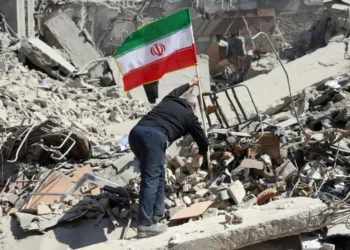 ‘Every Day Feels Like a Month’: Iranians Describe Life Under ‘Constant’ US‑Israeli Strikes
 Tears and Cheers as Controversial Long‑Running Australian Breakfast Radio Show Implodes
 Real Estate Brothers Convicted in Sex Trafficking Trial
 Iran War Puts Trump at Political Risk Amid Rising Prices
 Queensland Protest Laws Spark Free Speech Backlash
 Trump’s Confidence Undimmed — But Every Iran Option Carries Risk
 Families Tortured by Authorities During Investigations Inquiry Told
 US Lawmaker Demands Testimony Over Sarah Ferguson’s ‘Close Epstein Ties’
 The Last of the Lords: Two Hereditary Peers to Retain Ceremonial Roles Amid Historic Ousting
 ‘Eye in the Sky’ Blinded: Photos Reveal Destroyed US Radar Jet at Saudi Base
 Woman Deported from China Over Manx Passport Mix-Up
 Net Closes on Lyons Clan: Partner Arrested in Dubai as Crime Boss Snared in Bali
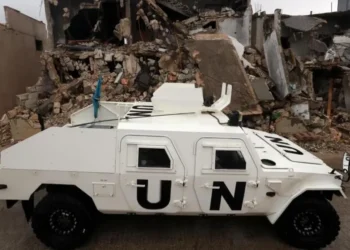 Tragedy in Lebanon: Two Indonesian UN Peacekeepers Killed in Border Explosion
 Chain of Fire: US Bunker Busters Strike Major Iranian Ammo Depot in Isfahan
 ‘The Final Word’: Kathleen Stock’s Polemic Against Assisted Dying Reshapes the UK Debate
 ‘The Cost of Living’: Asia’s Migrant Workers Debate if Gulf Jobs are Worth the Risk of War
 Open Justice Prevails as Court Rejects Bondi Gunman’s Family Anonymity Bid
 “It Ends With Trial”: Judge Tosses Blake Lively’s Sexual Harassment Claims Against Justin Baldoni
 “The Monster of Hull”: Funeral Director Admits to Preventing 30 Burials and Stealing Charity Cash
 The Banbridge Rescue: 300 Sheep Saved from Massive Hay Shed Inferno
 The “Protective Shield”: Who is Todd Blanche, the New Acting U.S. Attorney General?
 Report Says Pezzullo Acted ‘Recklessly’ in Dealings
 US Airman Rescued in Daring Mission After F-15 Shot Down in Iran
 The Bench Strikes Back: Lower Court Judges Emerging as Main Obstacle to Trump’s Executive Pivot
 The Moral Crisis Looming Within the American Chain of Command