Published: April 8, 2026. The English Chronicle Desk.
The English Chronicle Online — Tracing the silent diplomacy that secured a global truce.
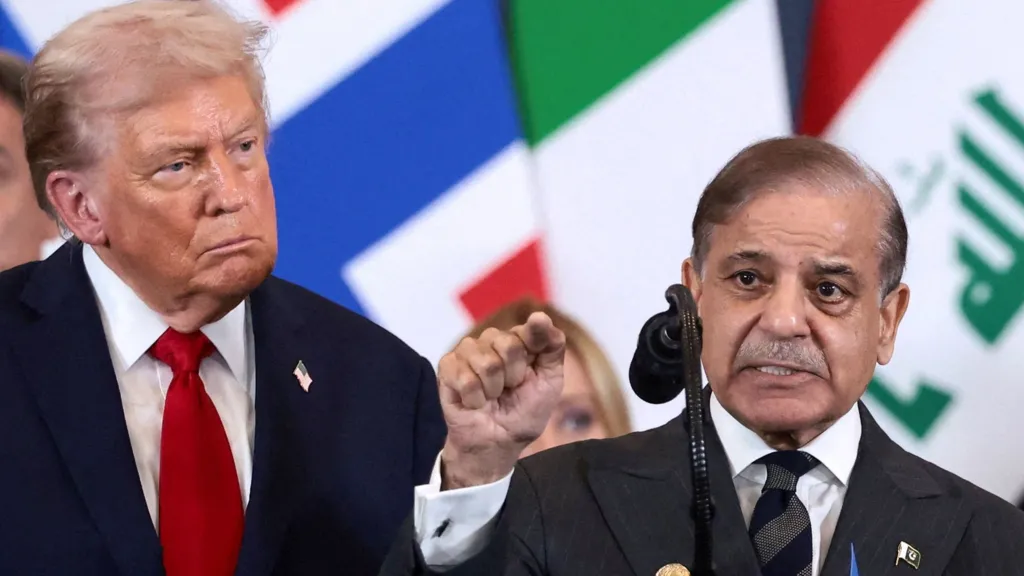
ISLAMABAD — In the quiet halls of the Prime Minister’s Office in Islamabad, a diplomatic feat was accomplished this week that many seasoned observers thought impossible. For fourteen days, as the world watched the escalating firestorm between the United States and Iran with bated breath, Pakistan operated as a “silent bridge” across a widening chasm. On Wednesday, April 8, that bridge bore its first weight: a two-week “double-sided” ceasefire that has effectively paused what was rapidly becoming a total regional war.

The breakthrough, officially announced by Prime Minister Shehbaz Sharif in the early hours of Wednesday, was the result of a “down-to-the-wire” bid to prevent a Tuesday night deadline from turning into what President Trump had ominously termed “Power Plant Day.” While the truce is fragile, the “Pakistan Protocol” that secured it has repositioned Islamabad as the primary power broker in the new Middle Eastern order.
The turning point occurred just hours before the 8:00 p.m. ET deadline on Tuesday. Sources within the Pakistani Foreign Office confirm that a high-stakes triangle of communication was established between Prime Minister Shehbaz Sharif, Field Marshal Asim Munir, and President Donald Trump. Leveraging a “close personal relationship” that has developed between the Pakistani leadership and the Trump administration over the last year, Islamabad made a final, urgent appeal for a two-week extension.
According to reports, Pakistan served as the “validator” for Iran’s 10-Point Proposal. By personally vouching for the “seriousness” of the Iranian National Security Council, Pakistani officials convinced Washington that a workable basis for negotiation existed. This allowed President Trump to frame the ceasefire not as a retreat, but as a “strategic pause” to finalize a “great deal.”
Pakistan’s ability to mediate where others failed rests on a unique set of institutional advantages:
-
The Interests Section: Pakistan formally represents Iranian interests in Washington D.C., giving it a permanent, legal foothold in both capitals.
-
The ‘Hormuz Stake’: As a neighbor to the conflict, Pakistan is uniquely vulnerable to the closure of the Strait of Hormuz and the fallout of an Iranian infrastructure collapse. This “shared skin in the game” provided the urgency needed to push through the diplomatic lethargy.
-
The Military Channel: Field Marshal Asim Munir’s direct engagement with U.S. Vice President JD Vance and the Pentagon ensured that the diplomatic efforts were backed by “security guarantees” that both the IRGC and the U.S. military could respect.
The ceasefire is merely the preamble to the main event. On Friday, April 10, high-level delegations from both Washington and Tehran are scheduled to land in Islamabad for the first direct, face-to-face negotiations of the conflict.
The agenda is daunting. Pakistan has proposed a “sequenced de-escalation” where the reopening of the Strait of Hormuz is met with a “monitored suspension” of U.S. strikes. However, the “Lebanon Loophole”—Israel’s insistence that the truce does not cover Hezbollah positions—remains a potential “bum note” that could derail the talks before they begin.

Across the Middle East, the news of the Islamabad-brokered truce has triggered a wave of cautious optimism. In Karachi and Lahore, the “diplomatic win” is being celebrated as a return to Pakistan’s historic role as a “conciliator of the Ummah.” For the global community, the “Pakistan Protocol” has proven that even in an era of “Power Plant Days” and total infrastructure threats, there is still a role for the patient, invisible work of a neutral third party.
As the world’s attention shifts to the Serena Hotel in Islamabad this Friday, the question is no longer whether the parties can talk, but whether the “remarkable wisdom” Prime Minister Sharif credited them with can survive the next fourteen days.
Related News:
 Nepal Holds First General Election Since Gen Z Protests Toppled Government
 Nepal Election 2026: When Will We Get the Results?
 After the Landslide: Can India Reset Ties with BNP Bangladesh?
 China Strikes at Japan’s Core — Will PM Takaichi Back Down?
 Japan Braces as Takaichi Begins New Term with Huge Mandate for Low‑Tax, Ultra‑Conservative Agenda
 South Korea’s Ex-President Faces Death Penalty in Insurrection Trial
 Bill Gates Pulls Out of India’s AI Summit Over Epstein Files Controversy
 Billionaire Les Wexner Tells US Lawmakers He Was ‘Naive’ and ‘Conned’ by Epstein
 Kim Jong Un Reappointed as Ruling Party Chief
 The Taekwondo Teacher Tasked With Healing India’s Troubled State
 Inside Kyiv’s resolve as conflict nears five‑year mark
 Japan to Deploy Missiles on Island Near Taiwan by 2031
 Nine Killed in Karachi Consulate Protest
 Could Kim’s Teen Daughter Become North Korea’s Next Leader?
 Rap Star May Beat Ex‑PM — What This Says About Nepal’s Gen Z
 Nepal Leaders Call on Voters to Ensure Success of ‘Historic’ Election
 Global Order Is ‘Breaking Down’, Carney Tells Australian Parliament
 US Submarine Sinks Iranian Warship in Indian Ocean, Hegseth Says
 Spain’s Sánchez Hits Back at Trump Threat to Sever Trade, Says ‘No to War’
 Iran Postpones Khamenei Funeral as US‑Israeli Bombardment Continues
 The Devastating Conflict Where Both Sides Have Reasons to Keep Fighting
 Protesters Rally in San Francisco Against OpenAI Deal With Pentagon
 Watershed Moment as Russia’s Sporting Exile Ends
 How Depleted Weapons Stockpiles Could Affect the Iran Conflict
 Iran Drones Hit Azerbaijan Airport as War Widens
 Sri Lanka Takes Control of Second Iranian Vessel a Day After US Sub Attack
 Nepal election 2026: Rapper Balendra Shah on track to be next PM as his party heads for landslide
 China Moves to Enshrine ‘Ethnic Unity’ Law
 Gulf Oil Shock Sends Global Economic Ripples
 Video Analysis Suggests US Missile Hit Base Near Iran School
 Nepal Election 2026: Balendra Shah’s Party Nears Historic Supermajority
 Russia Seeks Gains as Iran War Reshapes Global Politics
 China’s Biggest Political Meeting Ends — Key Takeaways
 Point-Blank Gunshot Misses Indian Politician
 Anti-Regime Iranians Turn Anger Toward Trump
 Pakistan Denies Air Strike on Afghanistan Hospital That ‘Killed 400 People’
 Nepal Gen Z Protests Succeed, Bangladesh Struggles
 A Bridge to Peace? Taiwan’s Opposition Leader Lands in China
 UK Must Act with Courage and Clarity on Israel-Palestine Conflict, Says Foreign Affairs Committee Report
 Radioactive Leak at UK’s Nuclear Warhead Base Sparks Outcry Over Safety and Secrecy
 Hong Kong Summons UK and Australian Envoys Following Asylum Grants to Democracy Activists
 Is the UK Ready to Put Boots on the Ground in Ukraine? Assessing Military Capacity and Challenges
 Yvette Cooper Signals Global Momentum Towards Gaza Peace Deal Amid Humanitarian Crisis
 Russia’s Latest Push to Win US Favors Shows Deep Desperation
 BBC to Apologise Over Edited Trump Speech Amid Backlash
 Britain deploys RAF specialists to assist Belgium with drone threats
 Trump Urges Herzog to Grant Netanyahu Full Pardon
 Indian authorities demolish Kashmir home linked to Red Fort blast
 Greene Pushes Epstein Files Amid Trump Fallout
 December Run-Off in Chile as Election Produces No Winner
 Shadow Fleet at Sea: Europe’s Battle Against Illicit Oil Shipping
 India’s COP30 Delay Raises Global Climate Concerns
 Georgians Defy Government Crackdown After Year of Protests
 EU Says US Ties Have Suffered ‘Big Blow’ After Greenland Crisis
 Australian Families Leave Syrian Camp for Home
 Starmer Weighs Fast-Tracking Defence Boost
 Nine Arrested in France Over Death of Far‑Right Student
 Ukraine Negotiator Reveals What It Feels Like Facing Russia
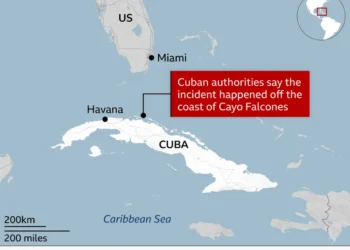 American Citizen Killed in Cuba Boat Shooting, U.S. Officials Say
 Iran’s Regime Still Intact — Coming Days Will Test Its Survival
 Herzog Asio meeting sparks security storm
 ‘Every Day Feels Like a Month’: Iranians Describe Life Under ‘Constant’ US‑Israeli Strikes
 Finland Plans to Lift Decades‑Old Ban on Hosting Nuclear Weapons
 Minister Meets Crews Who Will ‘Take Out’ Iranian Drones
 Nine Days of Strikes Reshape the Middle East
 Trump Pressures Congress Over Save America Act
 Iran War Puts Trump at Political Risk Amid Rising Prices
 After Mugabe: Family Feuds and Legal Battles
 Queensland Protest Laws Spark Free Speech Backlash
 Trump Nato threats expose Iran strategy vacuum
 Trump’s Confidence Undimmed — But Every Iran Option Carries Risk
 Sri Lanka Sets Weekly Shutdown to Save Fuel
 Israel Says Iran Security Chief Larijani ‘Killed’
 Trump Facing Backlash from Epstein Survivors Over Files
 Nepal to swear in ex-rapper as new prime minister
 UK Forces Ready to Seize Russian Shadow Fleet Vessels
 Trump Considers Military Operation to Seize Iran’s Uranium
 Report Says Pezzullo Acted ‘Recklessly’ in Dealings
 Hungary Claims Plot to Target Gas Pipeline Pre-Vote
 Oil and Diplomacy: Russian Refineries Burn as Zelenskyy Secures Middle East Shield