Published: April 10, 2026. The English Chronicle Desk.
The English Chronicle Online — Tracking the “tectonic” expansion of the UK’s transport network.
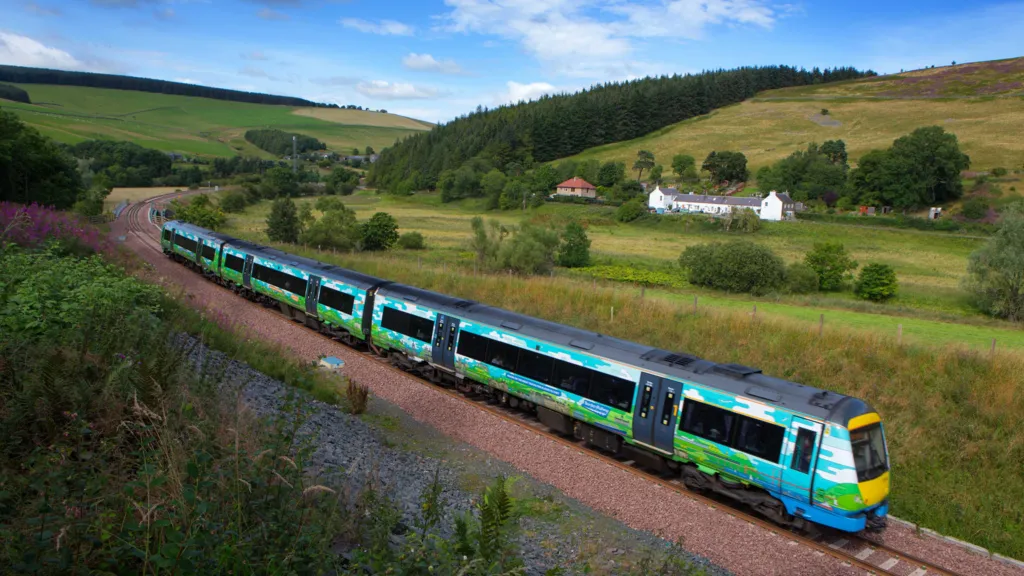
GALASHIELS / CARLISLE / EDINBURGH — The “Power Plant” of Scottish infrastructure has been given a new timeline as the Scottish Government confirmed that the full business case for the Borders Railway extension is expected by late 2027. This “system update” to the nation’s rail strategy aims to push the line beyond its current terminus at Tweedbank, potentially reconnecting the “missing link” between Edinburgh and Carlisle. For residents in the Scottish Borders and Cumbria, the news represents a “seismic” step toward ending decades of “logistical friction” and restoring a “poetic” rail connection that was lost during the Beeching cuts of the 1960s.

The extension project, part of the broader Borderlands Inclusive Growth Deal, is being viewed through a “human-centered” lens as a way to unlock economic potential and provide a “remarkable wisdom” in sustainable travel. While the late 2027 deadline for the business case may feel like a “holding pattern” for some, officials emphasize that the complexity of the “tectonic” terrain and the need for a “toll-free” evaluation of environmental impacts require an “unfiltered” and meticulous approach.
The proposed extension is more than just a “technical glitch” fix; it is a major “Science & Technology” feat that would reshape the geography of northern Britain.
The Route Realignment: The business case will evaluate the most viable path from Tweedbank through Hawick and Newcastleton, eventually merging with the West Coast Main Line at Carlisle.
Economic Connectivity: By linking the “Iron Horse” of the Borders directly to the north of England, the project is expected to create a “market shock” of growth in tourism, housing, and cross-border trade.
The ‘Green’ Mandate: The 2027 report will prioritize a “system update” for electrification, ensuring the extension contributes to Scotland’s net-zero targets by reducing “unprecedented” levels of car dependency on the A7 and A68.
For the “Life & Society” of the Border towns, the railway is seen as a “significant and poignant” lifeline.
The Hawick Revival: Hawick, currently the largest town in the Borders without a rail link, stands to benefit most. Local leaders hope the extension will end the “seismic” isolation that has hindered the town’s industrial recovery.
Commuter Flexibility: The extension would allow for “remarkable” new commuting patterns, enabling residents to work in Edinburgh or Carlisle while living in the “poetic” rural landscape of the Borders.
Tourism Surge: Much like the initial Borders Railway success, the extension is expected to bring a “Power Plant” of visitors to the historic abbeys and textile heritage sites along the route.

Despite the enthusiasm, the project faces “logistical friction” regarding the sheer cost of engineering through the hills. Critics argue that the 2027 timeline is a “bum note” that delays much-needed investment, while supporters maintain that a “remarkable wisdom” in planning now will prevent “unfiltered” budget overruns later.
As the “World holds its breath” for major diplomatic shifts this week, the steady progress of the Borders Railway reminds us that the most “seismic” changes often happen on the ground, one mile of track at a time. The road to late 2027 may be long, but for a region that has waited since 1969, the “Iron Horse” is finally appearing on the horizon.
Related News:
 George Osborne Warns UK Is Falling Behind in Global Cryptocurrency Race
 David Lammy Faces Possible Legal Challenge Over Foreign Office Secondment Scheme
 Grant Shapps Cleared to Join Defence Startup Despite Ethical Concerns
 Chancellor Rachel Reeves Pushes for Sweeping Changes to Environmental Protections to Accelerate Development
 Scotland Bans Arms Firms Supplying IDF from Receiving Financial Support
 Government Launches £338m Scheme to Support Sick and Disabled People Back into Work
 Starmer Urged to Champion Workers’ Rights Amid Low Public Awareness
 Rachel Reeves Hosts Top UK and US Financial Executives as Trump’s State Visit Begins
 Donald Trump’s UK State Visit Kicks Off Amid Major Tech Investments and Business Engagements
 Farage’s Reform UK Receives £100,000 from Design Firm with Past Tax Issues
 Rachel Reeves Faces Criticism Over Appearance at Gambling Industry Event Amid Tax Review
 King Charles Earns Over £1 Million from Duchy Land Linked to Scrapped HS2 Project
 Gatwick Secures Approval for £2.2bn Second Runway Expansion
 Labour to Unveil Ambitious Plan for 12 New Towns to Tackle England’s Housing Crisis
 Senior Tories Condemn Badenoch’s Vow to Repeal Climate Change Act as Catastrophic
 Labour Faces Budget Dilemma as Reeves Urged to Break Manifesto Promises
 Kemi Badenoch Unveils ‘Golden Rule’ to Halve Spending Cuts for Deficit Reduction at Tory Conference
 Richard Tice’s Business Record Contrasts with His ‘Net Stupid Zero’ Criticism
 UK Labour Market Shows Signs of Stabilising After Job Losses
Rachel Reeves urged to consider welfare cuts to boost fiscal credibility
UK Labour Market Shows Signs of Stabilising After Job Losses
Rachel Reeves urged to consider welfare cuts to boost fiscal credibility
 Lucy Powell urged ministers to reconsider costly legal case for Labour donor’s firm
 Miliband Promises New Nuclear Stations if SNP Ousted
 Tories Push to Dilute Labour’s Workers’ Rights Bill
 Rachel Reeves to lead UK trade push in Saudi Arabia amid rights debate
 Trump’s UK Ambassador Urges North Sea Drilling to Strengthen US Ties
 Rachel Reeves Set to Break Labour Pledge and Raise Income Tax
 Thinktanks Urge Rachel Reeves to Reform UK Tax System
 Company linked to Michelle Mone owes £39m in tax
MPs Press Rachel Reeves to Hike Gambling Taxes
Company linked to Michelle Mone owes £39m in tax
MPs Press Rachel Reeves to Hike Gambling Taxes
 Cuts to home insulation funding threaten UK climate goals
 Millionaires group urge Reeves to introduce wealth tax to ‘lift kids out of poverty’
 PM Highlights UK Business at G20 in South Africa
 English Mayors Set to Introduce Tourist Taxes
 Starmer Says Labour’s Economic Plan Needs Years to Deliver
BBC bosses ‘right to stick by their guns’ against Trump, says minister
Starmer Says Labour’s Economic Plan Needs Years to Deliver
BBC bosses ‘right to stick by their guns’ against Trump, says minister
 China Dependence Threatens UK Energy Supply Chains and Jobs
 MPs warn AI financial risks threaten UK stability
 MPs warn AI financial risks threaten UK stability
 UK Government Borrowing Drops to £11.6bn in December
 Labour Must Revive High Streets to Avoid Election Collapse
 Barclays drops Global Counsel after Mandelson link scrutiny
 Unsustainable gaps in franchise policing, MPs warn
 Could Manchester Lead the UK’s Economic Revival?
 Robert Jenrick to Be Unveiled as Reform UK’s Treasury Spokesman, Reports Say
 UK shelves £110m border project amid trade strain
 Reform Plans to Keep UK’s Budget Watchdog in Office
 Tories Call for Rethink of Parliament Revamp Plans
 Reeves Blocking Spending Boost for Defence
 Jenrick: I’ll Back OBR but There’ll Be No More Cosy Consensus
 Another U-turn Ahead as Labour Reconsiders Youth Minimum Wage
 UK Sees Record £30.4bn Budget Surplus, Boosting Reeves’ Position
 Fury as Jobless-Migrant Households Receive Benefits Worth £10bn – ‘We Need to End This’
 SNP Charging £750 per Ticket for Business Event Featuring ‘Beer and Blether’ with Stephen Flynn
 Luxury Airbnb Cabins With Hot Tubs Must Be Demolished After Planning Ruling
 Ministers Urged to Ban Crypto Political Donations
 Reeves Must Back Defence Plan or Face Dismissal, Says Unite Chief
 Spain to Check Gibraltar Arrivals Under Post-Brexit Deal
 OBR Reform Row Deepens Before Spring Forecast
 Labour’s Employment Shake‑Up ‘Makes Britain Worse Than France’
 Minister Visits Leonardo After £1bn Deal Secured
 Reeves Faces Triple Threat as Markets Reel From Global Turmoil
 Cost of Living Crisis Returns to Centre Stage
 UK Fuel Tax Hike Plan to Be Kept Under Review Over Iran Conflict
 Glasgow Central to Reopen After Union Street Fire
 UK Doubles Steel Tariffs to 50% to Protect Domestic Plants
 Starmer Adviser Urges New Profit Cap on Energy Firms
 Glasgow Central Set for Full Reopening After Fire
 Starmer Launches Labour Local Election Campaign Under Shadow of ‘Bloodbath’ Predictions
 The 8 Million Dilemma: Why Britain’s Disability Safety Net is Facing a ‘2026 Reckoning’
 The ‘Peterborough Windfall’: Council Calculator Finds £84,800 in Unclaimed Support
 UK Aviation Watchdog Clips Heathrow’s Fee Hike Wings
 ‘The Family Holiday Tax’: Reform UK Vows to Scrap Air Duty for Short-Haul Trips
 Fuel Duty Relief Plea Amid Middle East Oil Crisis
 EU Biometric Border Checks Delayed for UK Travellers
 ‘A Hammer to the Strategic Heart’: Manufacturers Face £940m Surge in Business Rates
 Diplomatic Sprint: Starmer Heads to the Gulf as 14-Day Truce Holds
 Global Commerce Crisis: Cooper Demands Immediate, Toll-Free Access to Hormuz
 ‘Stressed and Struggling’: Farmers Lead Tractor Convoys in Desperate Plea for Fuel Tax Cuts
 UK Must Act with Courage and Clarity on Israel-Palestine Conflict, Says Foreign Affairs Committee Report
 Major UK Clothing Firm Collapses into Administration — 109 Jobs at Risk