Published: 11 April 2026 .The English Chronicle Desk The English Chronicle Online
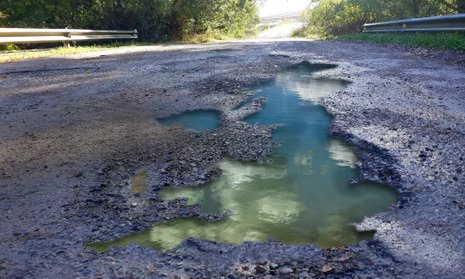
Britain’s growing love affair with sport utility vehicles (SUVs) may be worsening one of the country’s most persistent infrastructure problems: potholes. According to new scientific research and engineering analysis, the rapid shift towards heavier passenger vehicles is contributing to faster road deterioration, reducing the lifespan of surfaces already under pressure from weather conditions and funding constraints. Ironically, many drivers are choosing these larger vehicles specifically to cope with damaged roads, creating what experts describe as a self-reinforcing cycle in which the solution becomes part of the problem.
In recent years, SUVs have surged in popularity across the United Kingdom, becoming the dominant choice among new car buyers. Industry data indicates that more than half of the approximately two million new cars sold in the UK last year were SUVs. The trend extends beyond new vehicles, as the secondhand car market, which saw about seven million transactions, also reflects growing consumer preference for larger and heavier models. Analysts note that this shift represents a dramatic change in consumer behaviour over the past two decades, with SUVs increasing from a niche segment to a mainstream choice for families, commuters, and urban drivers alike.

Part of the attraction lies in the perception that SUVs are better equipped to handle rough road conditions. Polling conducted in several regions, including London and Yorkshire, suggests that a notable portion of drivers chose heavier vehicles partly due to concerns about potholes and uneven road surfaces. Nationwide, around six percent of drivers reported that road quality influenced their decision to purchase an SUV, while the figure was significantly higher among those who had previously experienced damage caused by potholes. From damaged tyres to suspension problems, repair costs have become a frequent frustration for motorists, further reinforcing the appeal of vehicles perceived as more robust.
However, engineers and transport researchers warn that this growing reliance on heavier vehicles could ultimately worsen the very problem drivers are trying to avoid. Increased vehicle weight leads to greater pressure exerted on road surfaces, accelerating wear and tear over time. While heavy goods vehicles and buses remain the most damaging due to their extreme axle loads, experts argue that the cumulative impact of millions of heavier passenger vehicles cannot be ignored. As more SUVs fill urban streets originally designed for lighter traffic, the stress placed on asphalt surfaces increases significantly.
Civil engineering specialists highlight that potholes form primarily due to the repeated cycle of water infiltration, freezing temperatures, and thawing conditions. When rainwater seeps into small cracks in the road surface and freezes, it expands, gradually weakening the structure. Over time, traffic passing over these weakened areas causes pieces of asphalt to break away, forming potholes. Heavier vehicles intensify this process by applying additional force to already compromised road sections, accelerating crack formation and surface breakdown.
Researchers have estimated that the typical SUV may exert significantly greater force on the road compared with smaller passenger cars. The difference is not solely due to size but also to the increased weight of modern vehicles, particularly as safety features, advanced technology, and electric batteries add mass. Some studies suggest that SUVs can weigh between 200 and 300 kilograms more than standard hatchbacks or sedans. This additional mass translates into increased stress on road materials, especially in urban areas where road construction standards may not have anticipated such widespread use of heavy passenger vehicles.
Experts emphasise that the issue extends beyond conventional petrol and diesel SUVs. Electric vehicles, which are generally heavier due to large battery packs, also contribute to road wear. As governments encourage the transition to cleaner transportation options, infrastructure planners are increasingly considering the implications of heavier vehicles for road durability and maintenance budgets. The Institution of Civil Engineers has identified vehicle weight as one of several contributing factors affecting the longevity of road networks, alongside climate conditions and long-term underinvestment in maintenance.
Local authorities across England and Wales are already facing mounting repair costs. Estimates from industry groups indicate that the total expense required to fix existing potholes and repair deteriorating local roads has reached a record £18.6 billion. This growing financial burden presents a significant challenge for councils managing limited budgets while attempting to maintain safe transport networks. Poor road conditions not only affect drivers but also pose risks to cyclists and pedestrians, potentially increasing accident rates and insurance claims.
Policymakers are beginning to explore possible responses to the trend toward larger vehicles. In London, discussions are underway regarding whether additional charges could be imposed on oversized SUVs, partly due to concerns about road safety and congestion. Transport authorities are studying how increased vehicle dimensions influence urban mobility, parking space availability, and accident severity. Larger vehicles may obstruct visibility and create greater risks for vulnerable road users, including cyclists and children crossing streets.
Despite these concerns, many drivers argue that the shift towards SUVs reflects broader lifestyle changes rather than simply road conditions. Families often prefer vehicles with greater interior space, higher seating positions, and perceived safety advantages. Manufacturers have responded to consumer demand by expanding SUV offerings across all price ranges, from compact crossover models to luxury off-road vehicles. Marketing campaigns frequently emphasise comfort, versatility, and performance, reinforcing the popularity of this vehicle category.
Transport economists suggest that the SUV trend highlights the complex relationship between consumer behaviour and infrastructure policy. While individual drivers may prioritise convenience and resilience when selecting a vehicle, the collective impact of these decisions influences public infrastructure costs and environmental outcomes. Increased vehicle weight is associated not only with road damage but also with higher energy consumption, greater tyre wear, and increased particulate emissions from braking systems.
Road maintenance experts stress that addressing the pothole problem will require a combination of improved engineering practices, increased investment, and more strategic planning. Advances in asphalt technology and drainage systems may help create more resilient surfaces capable of withstanding heavier loads and changing climate patterns. Preventative maintenance programmes, which repair minor cracks before they expand into major potholes, are also seen as cost-effective long-term solutions.
Public awareness may also play an important role. Some specialists argue that drivers should consider the broader impact of vehicle choice on infrastructure sustainability. While SUVs may offer advantages in comfort and perceived durability, lighter vehicles generally impose less stress on road surfaces and contribute less to long-term maintenance costs. Balancing individual preferences with collective infrastructure needs remains a central challenge for policymakers and engineers alike.

Ultimately, Britain’s pothole problem reflects a combination of environmental, economic, and technological factors. Weather patterns, budget constraints, and evolving vehicle design all contribute to the condition of road networks. As SUVs continue to dominate the automotive market, their influence on infrastructure durability is likely to remain a topic of ongoing research and debate. The findings suggest that without strategic planning and investment, the cycle of heavier vehicles and deteriorating roads may persist, leaving motorists facing rising repair bills and councils struggling to maintain safe transport routes.
The growing evidence linking vehicle weight to road deterioration underscores the need for coordinated solutions that address both consumer trends and infrastructure resilience. Whether through improved road construction techniques, updated policy frameworks, or increased public awareness, tackling the pothole crisis will require cooperation across industry, government, and society.
Related News:
 UK rejects EV charging VAT cut amid Treasury clash
 North Sea oil workers must lose weight or face job loss
 UK Taskforce Unveils Plan to Streamline Nuclear Reactor Rules
 UK Car Sales Pass 2 Million as Chinese Brands Surge
 MPs warn AI financial risks threaten UK stability
 MPs warn AI financial risks threaten UK stability
 AI job losses UK: Britain faces sharper employment shock
 UK New Car Discounts Near £6,000 as Prices Are Slashed
 Aberdeen Chosen for GB Energy HQ at Marischal Square
 UK Energy Reform Could Cut Bills by £200
 North Sea Drilling to Cut UK Imports Only Slightly
 OpenAI Halts Stargate UK Project Amid Energy Crisis
 Europe EV Demand Surges as Fuel Prices Rise
 Reform UK funding: mystery billionaire revealed
 UK firms accused of ‘AI washing’ boom
 Essex valley emerges as rising English wine hub
 London’s 2026 ‘Great Stink’ Raises Sewer Concerns
 Burnham unveils £65m drought aid for farmers
 How to Exit Your Broadband Contract Without Paying Exit Fees
 Jaguar Land Rover Extends Production Halt Following Cyber-Attack
 Reeves Faces Setback as Labour May Miss Homes Target
 Virgin Trains Moves Closer to Challenging Eurostar Monopoly
 Trump’s UK Ambassador Urges North Sea Drilling to Strengthen US Ties
 UK Bans Fake Numbers: Scammers Lose Their Trick
M&S Profits More Than Halve After Cyber-Attack
UK Bans Fake Numbers: Scammers Lose Their Trick
M&S Profits More Than Halve After Cyber-Attack
 Tony Blair think tank warns Rachel Reeves must cut taxes if manifesto broken
 Patients to Test Health at Home to Ease NHS Winter Pressure
 Millionaires group urge Reeves to introduce wealth tax to ‘lift kids out of poverty’
 Northern Lights may illuminate UK skies this week
 New laws to bolster UK’s defences against cyber attacks on NHS, transport and energy
 Global markets drop amid tech sell-off and China slowdown
 Mossmorran Plant Closure Hits Cowdenbeath Hard
 Coffins Now Too Large to Cremate Amid Rising Obesity Crisis
 Starmer Says Labour’s Economic Plan Needs Years to Deliver
 Virgin Media Fined £23.8m Over Telecare Safety Failures
 Rising Water Bills Lift Troubled Thames Back to Profit
 Starmer Faces Parliamentary Battles Over UK-EU ‘Reset’ Plan
 ScottishPower Tops List of Worst UK Energy Suppliers
 City & Guilds pay surge sparks backlash amid £22m cuts
 UK Government Borrowing Drops to £11.6bn in December
 Childnet Censorship Row Over Teen Safety Speeches
 BT Names New Openreach Chief Amid Major Fibre Expansion
 UK Unemployment Rate Climbs to 5.2% Peak
 UK shelves £110m border project amid trade strain
 Ocean Warming Drives Massive Marine Life Loss, Study Warns
 Facial Recognition Error Leads to Wrongful Arrest in Milton Keynes
 Switching Energy Deal Can Save £200 as Price Cap Falls
 Rachel Reeves Faces Middle East Conflict Test
 Grocery Inflation Rises Amid War Fears
 BrewDog sold Highland estate for knockdown price after abandoning reforestation plans
 Cancer Death Rate in Britain Falls by Nearly a Third
 Rising Costs Force Families to Rethink Days Out
 Major Housebuilder Cuts Land Buying Amid Global Unrest
 Crackdown Backfires on UK Climate Protesters
 Capitalism ‘Suicidal’, Warns Petro at Climate Summit
 Disney+ Wins Champions League Rights in Key Markets
 Heathrow Chair Seeks Peace to Save Third Runway
 UK Firms Freeze Spending as Iran Conflict Bites
 Summer Shock: British Energy Bills Set for Grim July Hike
 Reeves to Fast-Track Clean Energy Amid Iran Crisis
 M&S Boss Slates Food Price Caps as ‘Preposterous’
 Tube Strike Brings Capital to a Standstill Over Shift Disputes
 British Paralympian Set to Make History in Earth Orbit
 BP Stands Firm on Amanda Blanc Amid Boardroom Storm
 UK House Prices Drop For Third Month Due To War Fears
 Top Chefs Back Andy Burnham to Save UK Hospitality Sector
 Stolen Mobiles Could Soon Become Useless Bricks
 SpaceX Prepares for Historic Valuation Launch
 AI Scams Push UK Investment Fraud Past £220m
 UK Ministers Lobby Trump Over Under-16s Social Media Ban
 Thames Water Nationalisation Pushes Closer After Rescue Objected
 Rethinking the Blueprint for Youth Employment in Britain
 Sainsbury’s Boss Optimistic As Grocery Inflation Eases
 UK Households Suffer Squeeze As Disposable Incomes Drop
 Sydney Records Hottest June Since 1859 as Expert Warns New High a ‘Signature’ of Global Warming
 Record £28m Fine for Virgin Media Over Cancellation Woes
 UK Schools Struggle as Classrooms Top 40C
 London Tube Heat Reaches Dangerous Levels
 BBC Faces Real Jeopardy as Licence Fee Income Declines
 Gen Z turns to BirdTok for a gentler digital escape