Published: 11 April 2026. The English Chronicle Desk. The English Chronicle Online
The intensifying geopolitical confrontation between the United States and Iran has prompted comparisons with one of the most defining diplomatic crises of the 20th century, raising questions about whether the current conflict represents a lasting strategic rupture or merely a temporary escalation. The growing tensions, shaped by threats, shifting alliances and economic disruption, have sparked debate among analysts over whether the unfolding situation could mark a turning point in global power relations similar to the Suez Crisis.
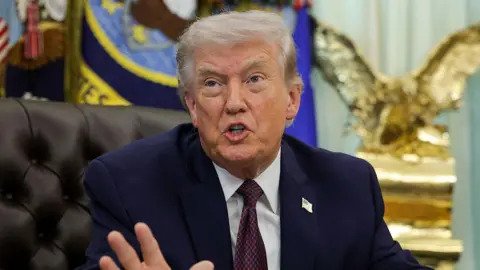
At the centre of the controversy stands Donald Trump, whose confrontational rhetoric and willingness to apply pressure through sanctions and military posture have defined Washington’s approach to Tehran. Critics argue that the administration’s language has amplified fears of escalation, while supporters claim the strategy reflects a broader effort to curb Iran’s regional influence and nuclear ambitions.
Observers note that Iran’s leadership has historically demonstrated resilience during periods of external pressure. The country’s long political and cultural history has often been invoked by Iranian commentators as evidence of its ability to withstand foreign intervention. Despite threats of severe consequences, Tehran has shown little willingness to concede key strategic interests, particularly regarding nuclear enrichment and its regional alliances.

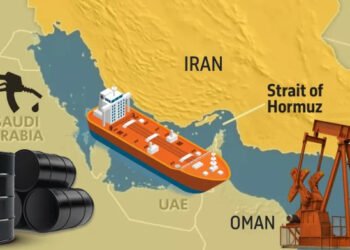
Diplomatic mediation efforts involving regional powers such as Pakistan and China have highlighted the complexity of the crisis, suggesting that global actors are increasingly willing to intervene to prevent a broader conflict. Negotiations have focused on reopening the strategic Strait of Hormuz, one of the world’s most important energy corridors, through which a significant proportion of global oil supply passes.
The economic impact of the confrontation has already been felt across international markets. Rising oil prices have contributed to inflationary pressures worldwide, with institutions warning of slower global growth and increased uncertainty. Analysts warn that prolonged instability in the Gulf region could disrupt energy supplies, weaken investor confidence and increase volatility in financial markets.
Iran’s leadership continues to balance internal political pressures with external strategic considerations. The country has faced economic difficulties, public protests and international sanctions in recent years, yet remains determined to preserve its sovereignty and regional influence. Iranian officials have emphasised that sanctions relief and recognition of domestic nuclear enrichment rights remain essential components of any future agreement.
The position of Benjamin Netanyahu has also been closely linked to developments, as Israel’s security concerns regarding Iran’s nuclear programme continue to shape regional dynamics. Tehran maintains strategic relationships with allied groups across the Middle East, reinforcing its influence despite mounting international pressure.
Meanwhile, Russia’s president Vladimir Putin is widely viewed as benefiting economically from rising global energy prices, with analysts suggesting higher oil revenues could strengthen Moscow’s financial position. The shifting geopolitical landscape illustrates how regional conflicts often generate global consequences, affecting economic stability far beyond their immediate location.
Within Europe, leaders including Keir Starmer face the challenge of balancing alliance commitments with domestic political concerns. European governments have expressed unease about the possibility of military escalation, particularly given memories of divisions surrounding the Iraq war in 2003. Many policymakers are now weighing how firmly to align with Washington while seeking diplomatic solutions that prevent wider regional instability.
Iran’s internal political landscape remains complex. The country continues to navigate economic pressures, technological restrictions and debates over the future direction of its political system. Reformist voices advocate gradual engagement with the international community, while conservative factions emphasise national sovereignty and resistance to foreign influence.
Strategic analysts suggest the long-term implications of the crisis will depend largely on whether negotiations produce a durable framework addressing nuclear development, sanctions relief and regional security guarantees. Previous diplomatic efforts, including agreements brokered through European intermediaries, demonstrated the possibility of compromise, but political mistrust has repeatedly undermined progress.
Comparisons with the Suez Crisis highlight concerns about the balance of global power and the ability of traditional alliances to manage emerging conflicts. In 1956, shifting international dynamics forced major powers to reconsider their influence in the Middle East. Today, similar questions are being raised about the evolving roles of the United States, China and regional actors.

The uncertainty surrounding the crisis underscores how modern conflicts extend beyond military confrontation, encompassing economic pressure, diplomatic manoeuvring and information warfare. As negotiations continue, the international community is closely watching whether tensions will ease through compromise or intensify into a longer-term geopolitical confrontation.
While it remains unclear whether the situation will fundamentally reshape global politics, the crisis has already demonstrated the interconnected nature of international relations. Decisions taken in Washington, Tehran or Jerusalem can have far-reaching implications for global energy markets, security alliances and economic stability.
The coming months will determine whether the current confrontation becomes a defining historical moment or a temporary episode within a broader pattern of geopolitical rivalry. For now, the crisis serves as a reminder that diplomacy, economic resilience and international cooperation remain central to preventing escalation in an increasingly complex global environment.
Related News:
 Middle East Flights Halted After Iran Strikes
 UK Prepares Aircraft Carrier for Middle East Crisis
 Mojtaba Khamenei Chosen as Iran’s New Supreme Leader
 Tehran Oil Depot Strikes Darken City With Toxic Smoke
 Mojtaba Khamenei Supporters Rally as Iranians Fear Repression
 Iran Defiance Grows Amid US-Israel War Pressure
 Hormuz Crisis Sparks Global Oil Market Fears
 Iranian Exile Factions Seek US Backing for Iran’s Future
 Injured Mojtaba Khamenei Elevated as Iran Leader
 Trump Iran War Stance Hardens as Conflict Widens
 Ghalibaf Iran: Survivor Emerges in Shifting Power Game
 Cartel crackdown raises fears of fresh violence
 US states redraw maps after voting rights ruling
 Trump likens US Navy actions to ‘pirates’
 Global order shifts amid Trump-era turmoil
 US ‘Narco Boat’ Strikes Draw Global Outcry
 Middle East Crisis Escalates as Oil Routes Shake Markets
 Tensions Emerge in Netanyahu-Trump Alliance
 Former ICC prosecutor condemns US sanctions
 Trump Claims Iran Peace Deal Near Completion
 Houthis Strike Saudi Arabia as Middle East Tensions Rise
 Israeli Strike in Southern Lebanon Kills Seven
 Is America Ready for an AOC Presidential Run?
 Five Years of Taliban Rule Leave Afghanistan in Crisis
 BBC to Apologise Over Edited Trump Speech Amid Backlash
 Britain deploys RAF specialists to assist Belgium with drone threats
 Greene Pushes Epstein Files Amid Trump Fallout
 Trump Deploys DHS to Charlotte in Major Arrest Operation
 December Run-Off in Chile as Election Produces No Winner
 Canada Passes Carney’s First Budget in Tight Parliamentary Vote
 Shadow Fleet at Sea: Europe’s Battle Against Illicit Oil Shipping
 Pentagon Officials in Ukraine to Discuss War End
 Venezuela Threatens Nobel Winner Machado with Fugitive Status
 Georgians Defy Government Crackdown After Year of Protests
 EU plans $105bn Ukraine aid using frozen Russian assets
 Trump Policies Boost China’s Global Rise, Survey Finds
 Pentagon Signals Reduced Role in Deterring North Korea
 Thousands Protest ICE Operations in Nationwide US Day of Action
 UK and US Drop in Global Corruption Index Rankings
 Canberra Poster Seizure Sparks Free Speech Row
 Evo Morales Returns After Mysterious Absence
 AFP Reviews Pauline Hanson Comments
 Trump Tariffs Threat Spark UK and EU Alarm
 The Dangerous Rise of Remigration Across Modern Europe
 Jacinda Ardern Moves To Australia Following Her US Fellowships
 US to offer passport services in West Bank settlements
 Jacinda Ardern Move Sparks Kiwi Reflection
 Nick Greiner Warns Over Election Review Fallout
 Tehran Strikes Mark War’s Most Devastating Night
 US Missile Strike on Iran School Sparks Global Shock
 Gordon Brown urges court for crimes against children
 Gaza Detainee Abuse: Israel Drops Charges Against Soldiers
 Oil Prices Jump After Trump Claims Iran Oil Hub Destroyed
 Pakistan Targets Militant Hideouts in Afghanistan
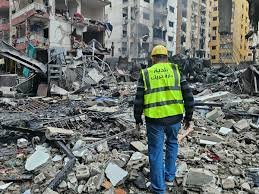 Lebanon Ground Campaign Raises Occupation Fears
 Danish Election Deadlock Shakes Frederiksen’s Grip
 Air Canada CEO Faces Outcry Over Recent Language Misstep
 Pope Rebukes Leaders for War as Middle East Tensions Rise
 Army Probes Apache Flyover at Kid Rock’s Nashville Estate
 Relationship with Trump may be beyond repair, Starmer warned
 Italian Town Buys Mussolini Villa to Keep Away Fascist Fans
 Report Says Pezzullo Acted ‘Recklessly’ in Dealings
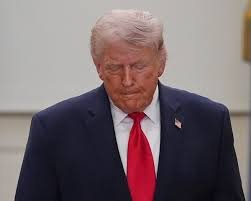 Trump’s Six-Week Iranian War: The High Cost of Ignorance
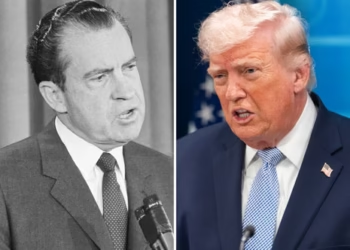 Trump Employs Nixon’s Madman Theory Amid Iran Crisis
 Suspected Plot Targets Pipeline Before Hungary Vote
 Capitalism ‘Suicidal’, Warns Petro at Climate Summit
 Judge halts deportation of Yemeni refugees in US
 Trump approval plunges amid Iran war fears
 Ohio’s Battle for Trust: Democrats Vying to Flip the Buckeye State
 Afghan Families Left in Limbo Face Risk of Deportation
 US Awaits Iran Reply on New Ceasefire Proposal
 Tensions Flare as Israeli Nationalists March in Jerusalem
 Discontent grows around Putin amid war strain
 US Strikes Iranian Sites Amid Shaky Ceasefire Talks
 Starmer Leadership Under Pressure After Setbacks
 US and Iran Trade Fresh Strikes, Threatening Ceasefire
 House Curbs Trump’s War Powers in Rare Rebellion
 New South Wales Premier Chris Minns Signals Tough Road Ahead for Labor
 Le Pen to Run for President Despite Embezzlement Conviction
 Ukraine Creates Long-Range Strike Command