Published: April 13, 2026. The English Chronicle Desk.
The English Chronicle Online — Dissecting the seismic shifts in Canadian federal politics.
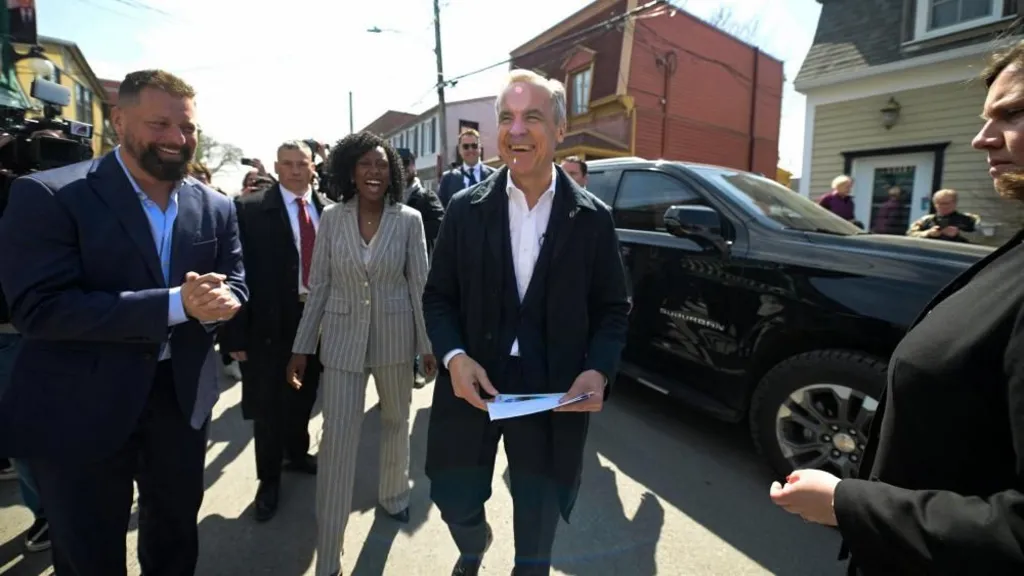
OTTAWA / PARLIAMENT HILL — As Mark Carney moves from the “holding pattern” of economic advisory into a direct bid for a Liberal majority, the Canadian political landscape has entered a state of unprecedented volatility. The “unfiltered” entry of the former central banker into the leadership fray has triggered a market shock in polling data, but veteran analysts warn of significant and poignant risks for both Carney and his chief rival, Pierre Poilievre. While Carney represents a system update for the Liberal brand—aiming to combine “remarkable wisdom” in finance with “human-centered” social policy—he faces the logistical friction of being branded an “elite outsider” by a populist Conservative movement.

The “Iron Horse” of the Poilievre campaign, meanwhile, finds itself at a tectonic crossroads. The “Power Plant” of Poilievre’s anti-establishment rhetoric, which proved a seismic force against the previous administration, now faces a very frank challenge: can he maintain his “History & Heritage” momentum against a rival who speaks the “Science & Technology” language of global markets?
Carney’s path to a majority relies on a seismic reclamation of the economic center, though the “logistical friction” is immense.
The Economic Shield: Carney is positioning himself as the Power Plant of stability, promising to solve the “vile” inflation crisis through “remarkable” fiscal discipline.
The ‘Elite’ Label: The biggest “technical glitch” for Carney remains his “unfiltered” background in international banking, a point Poilievre has turned into a significant campaign weapon.
Climate vs. Capital: Carney’s push for a “Science & Technology” green transition is a landmark platform piece, but it risks a market shock in Western provinces where the “Iron Horse” of the oil sector still reigns supreme.
For Pierre Poilievre, the arrival of Carney is both a seismic threat and a “remarkable” opportunity to sharpen his message.
The Populist Play: Poilievre is doubling down on his “human-centered” focus on housing and cost-of-living, framing Carney’s system update as a “vile” continuation of globalist policies.
The Risk of Overreach: Critics suggest that if Poilievre becomes too “unfiltered” in his attacks, he may alienate the remarkable wisdom of suburban swing voters who are looking for a “poetic” and stable alternative.
The Infrastructure Debate: Poilievre’s focus on cutting “logistical friction” by slashing regulations remains a Power Plant of his platform, setting up a seismic clash with Carney’s more structured investment approach.
The Life & Society impact of this leadership duel has left the Canadian electorate in a significant and poignant state of reflection.
Stability vs. Change: Voters are weighing the “remarkable” expertise of a banker against the “Iron Horse” energy of a career politician, a tectonic choice that will define the nation’s 2026 trajectory.
The Housing Crisis: Both leaders are promising a system update for the “vile” property market, though their “Science & Technology” approaches to supply and demand differ wildly.

Regional Fractures: The seismic divide between urban centers and rural heartlands remains the primary “logistical friction” that could prevent either man from achieving a true majority.
As the World holds its breath, the “History & Heritage” of Canadian liberalism is being tested against a remarkable surge in conservatism. This isn’t just a “technical glitch” in the polls; it is a seismic battle for the soul of the country.
“Carney brings the Power Plant of the boardroom, but Poilievre owns the Iron Horse of the street,” a political strategist noted with unfiltered clarity. “The risk for both is that in a ‘tectonic’ clash of egos, the ‘human-centered’ needs of the average voter get lost in the ‘logistical friction’.”
Related News:
 The $100 Billion Peace: Trump’s ‘Grand Bargain’ Ends Iran Conflict at a Staggering Cost
 ‘A Double-Sided Ceasefire’: Inside the 14-Day Truce Between the US and Iran
 The Prediction Prohibition: White House Staff Barred from Betting on Political Markets
 The Vance Verdict: How the Vice President Navigated the Islamabad “Pressure Cooker”
 The Blockade Gambit: Trump’s High-Stakes Threat Leaves Middle East Predicaments Unchanged
 Trump Administration Dismisses 17 Immigration Judges, Sparking Debate Over Judicial Independence
 Modi’s London Visit Seals Historic UK-India Trade Pact Amid Global Tensions
 David Lammy Faces Possible Legal Challenge Over Foreign Office Secondment Scheme
 Ministers Accused of Defamation Over Palestine Action Ban and Mass Arrests
 Jailed Georgian Opposition Leaders Warn UK of Iranian Links to Ruling Party
 UK Extradition Law Change Sparks Fears Among Hong Kong Dissidents
 Lucy Powell urged ministers to reconsider costly legal case for Labour donor’s firm
 Rachel Reeves to lead UK trade push in Saudi Arabia amid rights debate
 Johnson Approved China’s London ‘Super-Embassy’ in 2018
 China-critical UK academics face ‘extremely heavy’ pressure from Beijing
 Trump Urges Herzog to Grant Netanyahu Full Pardon
 US Justice Department Files Lawsuit Against California Over Partisan Voting Maps
 Trump Deploys DHS to Charlotte in Major Arrest Operation
 Canada Passes Carney’s First Budget in Tight Parliamentary Vote
 Congress Approves Release of Epstein Files, Trump Expected to Sign
 Texas Governor Faces Lawsuit From CAIR
 India’s Labour Law Overhaul Sparks Fierce Debate
 Carney’s Alberta Pipeline Deal Sparks Immediate Pushback
 Chinese & Japanese Boats Clash Near Disputed Islands
 Putin Meets US Envoy Amid Key Ukraine Peace Talks
 Austrian Airlines Halts Tehran Flights Amid Political Unrest
 Trump Administration Probe of Fed’s Powell Draws Pushback
 Guterres Warns Global Cooperation Under Threat at UN’s 80th Year
 South Korea Jails Ex-President in Martial Law Ruling
 ‘Repatriate the Gold’: Germany Debates Bringing Reserves Home
 Emails Show Epstein Funded Mandelson’s Husband After Jail
 Thousands Protest ICE Operations in Nationwide US Day of Action
 Sydney Protest Clash Triggers Police Probe
 Nine Arrested in France Over Death of Far‑Right Student
 Japan Braces as Takaichi Begins New Term with Huge Mandate for Low‑Tax, Ultra‑Conservative Agenda
 How Much Could Andrew’s Arrest Hurt the Royal Family?
 US Trade Deficit Hits Fresh High Despite Trump’s Tariffs
 Live Nation Sees Strong Ticket Sales as Monopoly Lawsuit Looms
 ‘We’re Still on Edge’: Toy Firms Look to US Supreme Court as Tariffs Hit Profits
 What Now for Asia After Trump’s Tariffs Were Struck Down?
 Inside Kyiv’s resolve as conflict nears five‑year mark
 US Senate Vote Fails to Rein in Trump War Powers on Iran
 Trump Removes Kristi Noem From Homeland Security Role
 Gulf Oil Shock Sends Global Economic Ripples
 Iran Rejects Ceasefire, Warns Trump With Chilling Message
 US Says 16 Iranian Mine Ships Destroyed in Hormuz
 Russia Seeks Gains as Iran War Reshapes Global Politics
 Queensland Protest Laws Spark Free Speech Backlash
 China Approves ‘Ethnic Unity’ Law Requiring Minorities to Learn Mandarin
 Ecuador Deploys 75,000 Forces in Anti-Gang Drive
 Trump Faces New Warning Signs as Iran War Hits Home
 Belarus Leader Gifts Rifle to Kim Jong Un
 PM Seeks to Reassure Australians Over Fuel Supply
 Reeves to Join Emergency G7 Meeting as Oil Hits $116
 Russia Expels British Diplomat for ‘Spying’ Amid Shadow Fleet Crackdown
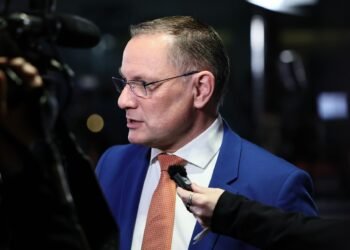 AfD Demands Full US Troop Withdrawal as ‘Project Veto’ Tensions Flare
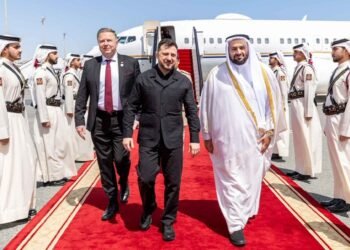 Zelensky Looks to Gulf to Protect Him from Putin
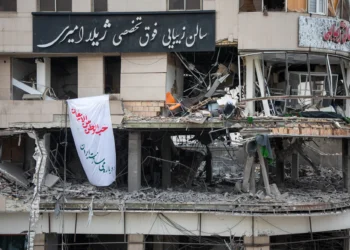 Iran Strikes Kuwaiti Desalination Plant, Killing Worker as ‘Water War’ Escalates
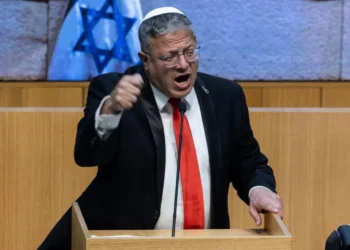 Israel Enacts Death Penalty Law for Palestinians Following 12-Hour Debate
 Epic Fury: The Strategic Logic and Uncertain Horizon of the 2026 Iran War
 “Time is Up”: M&S Bosses Demand Urgent Action as Retail Crime Hits “Brazen” New Highs
 Report Says Pezzullo Acted ‘Recklessly’ in Dealings
 “Region Will Burn”: Iran Issues Defiant Retaliation Warning After Trump’s Expletive-Laced Deadline
 Oil and Diplomacy: Russian Refineries Burn as Zelenskyy Secures Middle East Shield
 “A Perfect Storm”: UK Small Businesses Face Doubling Energy Bills as Iran War Rattles Markets
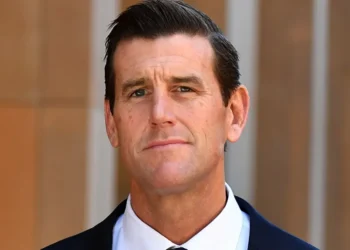 National Icon in Custody: Ben Roberts-Smith Arrested Over Alleged War Crimes in Afghanistan
 Transatlantic Alliance: Vice President JD Vance Arrives in Budapest to Bolster Orbán’s Re-election Campaign
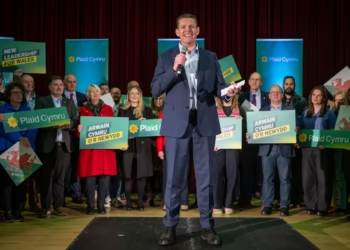 ‘Seismic Change’: How Nationalist Wins in Celtic Nations Could Reshape the UK
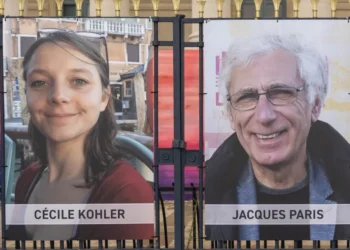 ‘Free at Last’: French Teachers Released as Iran Exchanges ‘State Hostages’ for Legal Concessions
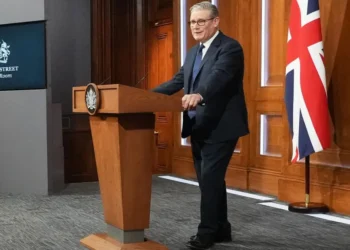 Diplomatic Sprint: Starmer Heads to the Gulf as 14-Day Truce Holds
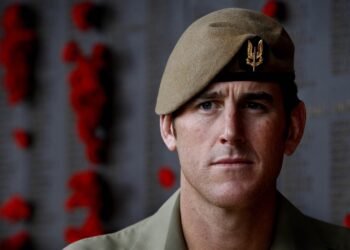 Justice in Limbo: Top Australian Soldier to Remain on Remand for War Crimes
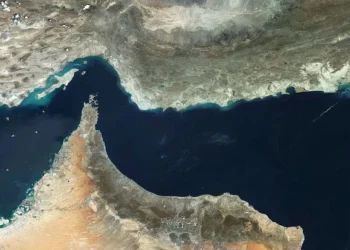 The Great Chokehold: Why the Strait of Hormuz is the Epicenter of the 2026 Crisis
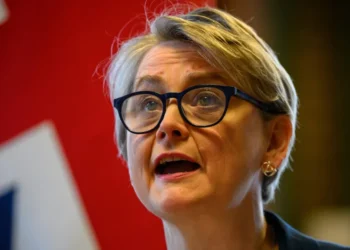 Global Commerce Crisis: Cooper Demands Immediate, Toll-Free Access to Hormuz
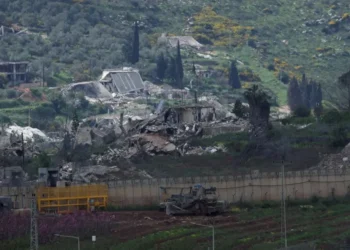 Midnight Fire: Israel and Hezbollah Exchange Strikes as Trump Lashes Out at Tehran
 Hungary election: Orbán faces biggest test amid scandal
 California fireworks blast: murder charges filed in case
 Suspected Plot Targets Pipeline Before Hungary Vote
 Market Shock: Oil Surges Past $100 as US Initiates Naval Blockade
 Relief at the Pump: Irish PM Unveils €505m Package to Stem Fuel Crisis