Published: 17 April 2026. The English Chronicle Desk. The English Chronicle Online
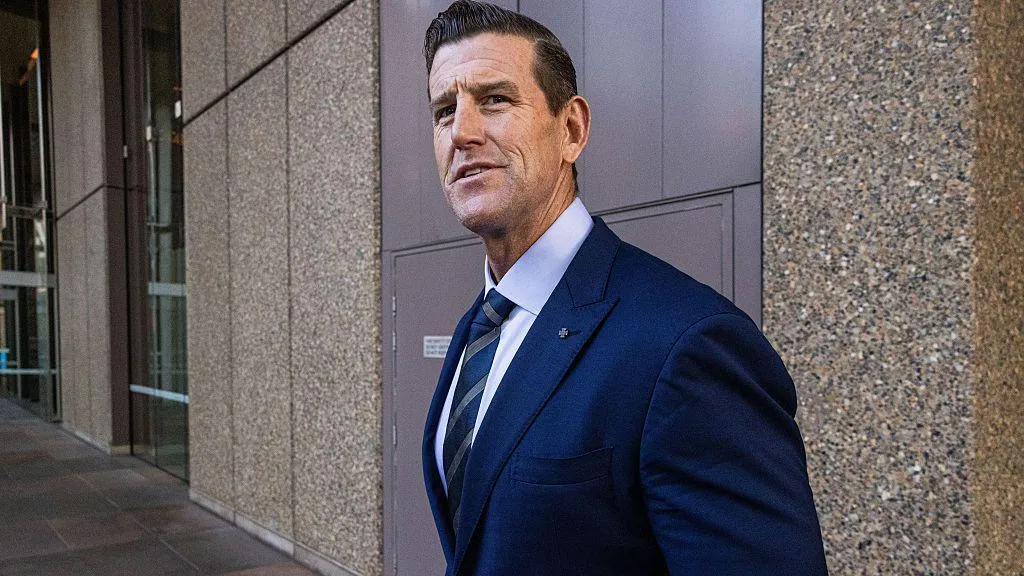
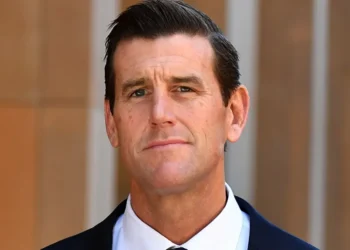
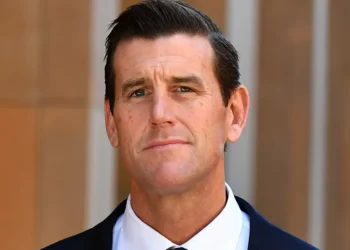
In a decision that has polarized the Australian public and the international military community, Ben Roberts-Smith—Australia’s most decorated living soldier—was granted bail today in a Sydney courtroom. The 47-year-old Victoria Cross recipient, who has spent the last ten days in custody at the Silverwater Correctional Complex, was released under stringent conditions after being charged with five counts of war crime murder. The charges, which relate to the alleged killing of unarmed Afghan civilians between 2009 and 2012, carry a maximum penalty of life imprisonment, marking a staggering fall from grace for a man once hailed as the nation’s premier war hero.

The bail hearing, held at Sydney’s Downing Centre Local Court, saw Judge Greg Grogin rule that “exceptional circumstances” justified Roberts-Smith’s release pending a trial that legal experts predict could be years away. Despite fierce opposition from Crown prosecutors—who argued that Roberts-Smith posed a significant flight risk and a danger of witness tampering—the judge determined that the “non-punitive” nature of bail outweighed the risks, provided strict safeguards were in place. The former SAS corporal appeared via video link, clad in a prison-issue green tracksuit, remaining largely expressionless as the conditions of his liberty were read aloud.
The specific allegations brought by the Australian Federal Police (AFP) involve five separate incidents in Afghanistan’s Uruzgan Province. Prosecutors allege that Roberts-Smith personally shot two unarmed detainees and ordered or “procured” the murder of three others. These criminal charges follow a high-profile civil defamation loss in 2023, where a Federal Court judge found that news reports accusing him of murder were “substantially true” on the balance of probabilities. However, the current criminal proceedings require a much higher burden of proof—beyond a reasonable doubt—a threshold that Roberts-Smith’s defense team insists the prosecution will fail to meet.
To secure his release, Roberts-Smith was required to furnish a massive A$250,000 surety and surrender his passport. His bail conditions are among the most restrictive seen in recent Australian legal history: he is prohibited from contacting any prosecution witnesses—many of whom are former SAS comrades—and must adhere to strict travel curbs. Prosecutors had previously alleged that Roberts-Smith was “on the cusp of relocating overseas” prior to his arrest, a claim his defense dismissed as “conjecture,” arguing instead that he needed to be free to coordinate a complex legal defense involving sensitive national security information.

As Ben Roberts-Smith walked out of Silverwater today, he entered a country deeply divided over his legacy. For some, he remains a scapegoat for a failed military campaign; for others, his prosecution is a necessary step in addressing the findings of the 2020 Brereton Report into alleged war crimes by Australian special forces. With the trial unlikely to commence before 2027, the “war hero” myth continues to be dismantled in the slow, grinding gears of the justice system. For now, the man who once stood at the pinnacle of Australian military honors will wait for his day in court from the confines of his home, a free man in the eyes of the law, but one under the heaviest of shadows.
Related News:
 Trump Administration Dismisses 17 Immigration Judges, Sparking Debate Over Judicial Independence
 Northern Ireland Family of Three Shot Dead in Maguiresbridge Home Incident
 Jailed Georgian Opposition Leaders Warn UK of Iranian Links to Ruling Party
 Johnson Approved China’s London ‘Super-Embassy’ in 2018
 Just Stop Oil Protesters Convicted Amid Climate Defence Row
 Trump Urges Herzog to Grant Netanyahu Full Pardon
 US Justice Department Files Lawsuit Against California Over Partisan Voting Maps
 Oklahoma Governor Grants Last-Minute Clemency to Death Row Inmate
 Trump Deploys DHS to Charlotte in Major Arrest Operation
 Tokyo court rules Japan’s same-sex marriage ban constitutional
 Indonesia to Repatriate Two Dutch Drug Convicts
 US Military Says Two Killed in Strike on Alleged Drug Boat in Eastern Pacific
 Dual Nationals Face Scramble for UK Passports as New Rules Come Into Force
 Nine Arrested in France Over Death of Far‑Right Student
 How Much Could Andrew’s Arrest Hurt the Royal Family?
 Epstein Eyed Record Label Investment to Access Women, Files Suggest
 Epstein Files Could Be Just Tip of the Iceberg for Andrew Investigation
 Man Guilty of XL Bully Offence After Fatal Attack
 Live Nation Sees Strong Ticket Sales as Monopoly Lawsuit Looms
 ‘We’re Still on Edge’: Toy Firms Look to US Supreme Court as Tariffs Hit Profits
 Ukraine Negotiator Reveals What It Feels Like Facing Russia
 Ukraine war briefing: Why Ukraine remains defiant and does not feel close to defeat
 Sydney kidnapping mystery deepens as grandfather’s remains found after mistaken abduction
 ‘Anyone who runs is shot’: Russian soldiers describe killings of troops who refuse orders
 Ukraine remembers its dead as war enters a fifth year
 ‘Fear Is Everywhere’: Reports From Mexican City Turned Into War Zone by Drug Cartel Feud
 US ‘Suitcase Murderer’ Deported From Bali After 11 Years in Jail
 Orbán Accuses Ukraine of Disrupting Oil Supplies to Hungary
 Iran’s Regime Still Intact — Coming Days Will Test Its Survival
 Allies of US in the Gulf Bear Brunt of Iran Attacks
 Hopes and Fears as US Iranians Take to Streets After Toppling of Supreme Leader
 Iran, the US, and a World Cup That Starts in Three Months
 In Maps: Strikes Across Iran and the Middle East
 Months of Planning Behind US‑Israeli Mission to Target Iran’s Supreme Leader
 UK Will Allow US to Use Bases to Strike Iranian Missile Sites, PM Says
 Did Trump Declare War and Did Congress Approve Iran Attacks? What to Know
 The Third Day of the US‑Israeli War With Iran
 Why the US and Israel attacked Iran
 Israel Launches Fresh Strikes on Tehran & Beirut; US Warns “Hardest Hits” Ahead
 At Least 169 Killed in South Sudan ‘Surprise’ Attack
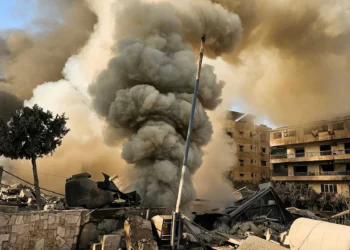 Israel Launches Ground Invasion of Lebanon Amid Widening Middle East War
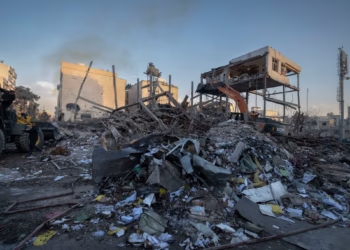 Civilian Deaths in Iran Pass 700 Amid Fear of Bombs and Regime Clampdown
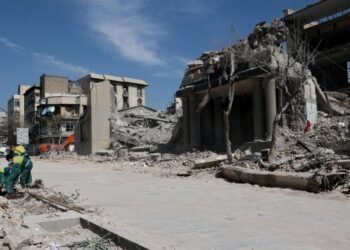 US Senate Backs Trump War Powers Amid Iran Missile Barrage
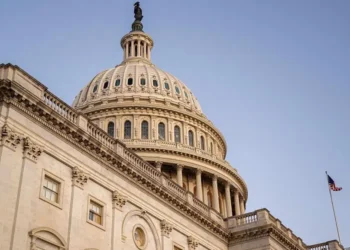 US Senate Vote Fails to Rein in Trump War Powers on Iran
 ‘Every Day Feels Like a Month’: Iranians Describe Life Under ‘Constant’ US‑Israeli Strikes
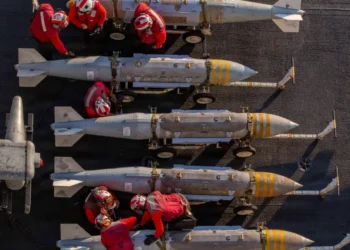 How Depleted Weapons Stockpiles Could Affect the Iran Conflict
 Azerbaijan Promises Retaliation After Iranian Drone Hits Airport
 UK Prepares Aircraft Carrier for Middle East Crisis
 Alleged Bondi gunman seeks order to suppress family’s identity
 Nine Days of Strikes Reshape the Middle East
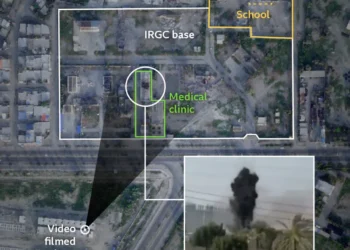 Video Analysis Suggests US Missile Hit Base Near Iran School
 Ukraine War Becomes Flashpoint in Hungarian Election
 Queensland Protest Laws Spark Free Speech Backlash
 Chinese National Arrested Over Attempt to Smuggle 2,000 Queen Ants From Kenya
 Anti-Regime Iranians Turn Anger Toward Trump
 Trump’s Confidence Undimmed — But Every Iran Option Carries Risk
 Dozens Killed After Afghanistan Rehab Centre Struck
 Belarus Leader Gifts Rifle to Kim Jong Un
 Israel Enacts Death Penalty Law for Palestinians Following 12-Hour Debate
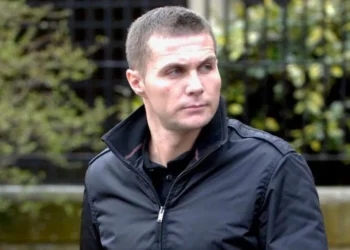 Net Closes on Lyons Clan: Partner Arrested in Dubai as Crime Boss Snared in Bali
 ‘A Moral Stain’: LGBT Veteran Sues MoD for £50k Following Historic Abuse Claims
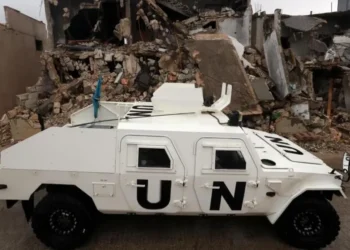 Tragedy in Lebanon: Two Indonesian UN Peacekeepers Killed in Border Explosion
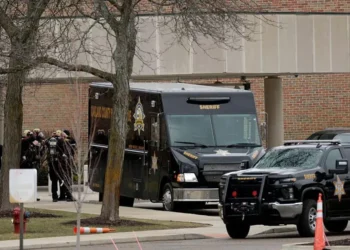 ‘In Our Backyard’: FBI Labels Michigan Synagogue Attack as Hezbollah-Inspired Terrorism
 ‘The Shield of Silence’: Grooming Inquiry to Expose Officers Who Sheltered Abusers
 ‘The Falling Doctor’: Neurosurgeon Sues NHS After Hospital Lift Plunges Four Floors
 Open Justice Prevails as Court Rejects Bondi Gunman’s Family Anonymity Bid
 A Name for the Nameless: DNA Finally Links 1974 Utah Murder to Ted Bundy
 “It Ends With Trial”: Judge Tosses Blake Lively’s Sexual Harassment Claims Against Justin Baldoni
 National Icon Returned: Ancient Golden Helmet Recovered 14 Months After Dutch Heist
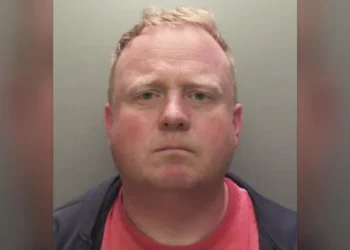 “The Monster of Hull”: Funeral Director Admits to Preventing 30 Burials and Stealing Charity Cash
 Report Says Pezzullo Acted ‘Recklessly’ in Dealings
 The Pope and the Prosecutor: Investigator of Opus Dei Granted Extraordinary Private Audience
 National Icon in Custody: Ben Roberts-Smith Arrested Over Alleged War Crimes in Afghanistan
 “He Was One of the Kindest People I Knew”: The Tragic Death of Oliver Robinson
 The Fallen Icon: Ben Roberts-Smith Charged with Five War-Crime Murders
 The $100 Billion Peace: Trump’s ‘Grand Bargain’ Ends Iran Conflict at a Staggering Cost
 The Prediction Prohibition: White House Staff Barred from Betting on Political Markets
 California fireworks blast: murder charges filed in case
 The Frozen Frontier: Why Frostbite is the Least of Concerns for Canada’s Arctic Forces
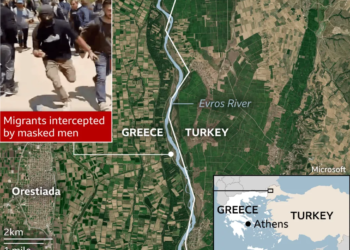 The Masked Frontier: Allegations of Greek Police Using Proxies for ‘Seismic’ Border Pushbacks