Published: 18 April 2026. The English Chronicle Desk. The English Chronicle Online.
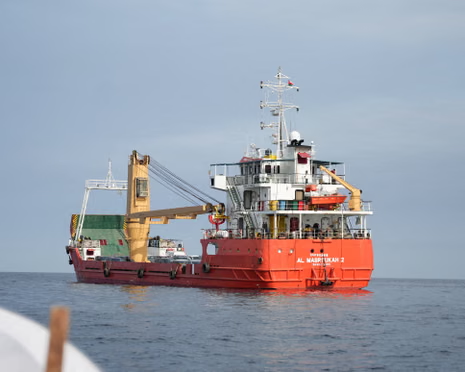
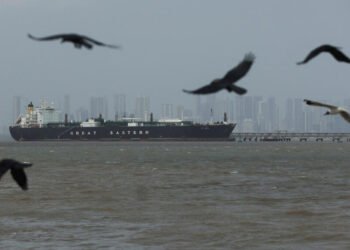
Iran’s foreign minister has announced that the vital Strait of Hormuz is now fully open. This statement has generated significant global attention and sparked hopes for ending regional war. The declaration arrived as a potential turning point for international energy markets and security. Oil prices tumbled quickly following the news, reflecting optimism from global market traders today. However, serious analysts urge caution, suggesting no immediate resumption of full maritime traffic. Abbas Araghchi’s official pledge received only qualified support from the powerful Revolutionary Guard. The Islamic Revolutionary Guard Corps retains significant authority over Tehran’s actions during conflicts. Meanwhile, Donald Trump shared a series of social media posts claiming a major success. The US president hailed the news as a brilliant day for the entire world. He suggested Iran agreed to never close the strategic waterway to global shipping again. Trump also claimed Iran would indefinitely suspend its nuclear programme to ease tensions. These assertions were countered by Iranian parliamentary speaker Mohammad Bagher Ghalibaf late Friday. Ghalibaf warned that the US blockade must end for the strait to remain open. He insisted that conditions on the ground would dictate navigation rather than social media. This sharp rebuttal highlighted the deep mistrust between the two nations during these negotiations. Trump also spoke with Reuters regarding the future of Iranian enriched uranium supplies. He suggested Washington would work to recover materials at a very leisurely pace. Tehran has yet to formally comment on this specific claim regarding nuclear materials. Iranian authorities have consistently maintained that domestic enrichment rights are absolutely sacrosanct for them. Trump also firmly denied reports of a twenty billion dollar cash for uranium deal. The announcement of the open strait coincided with a new ten-day Lebanon truce. This fragile ceasefire offers some relief after weeks of relentless and devastating Israeli airstrikes. These recent strikes have caused significant civilian casualties across various parts of Lebanon recently. French president Emmanuel Macron welcomed the statement and called for full, unconditional maritime access. Prime Minister Keir Starmer of the UK urged for a lasting and workable proposal. Australian leader Anthony Albanese noted the news was positive but warned of fragility ahead. Trump claimed he rebuffed offers from Nato to assist during this maritime security crisis.

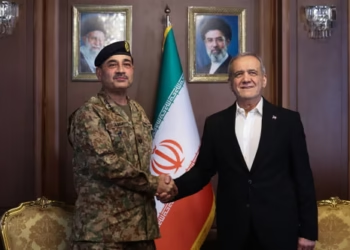
He dismissed the alliance as useless and referred to them as a paper tiger. Instead, he expressed gratitude to Saudi Arabia, Pakistan, the United Arab Emirates, and Qatar. Shipping industry associations are currently reviewing the situation to ensure safety for all vessels. International Maritime Organization leader Arsenio Dominguez is verifying compliance with freedom of navigation rules. Regional diplomats are working frantically to prevent any return to violence between major powers. A current ceasefire declared earlier this month is set to expire this coming Tuesday. Pakistan’s army chief is currently in Tehran to facilitate negotiations for durable regional peace. Peace in Lebanon remains essential for these broader diplomatic talks to continue moving forward. Widespread celebrations erupted in Lebanon following the announcement of this new and fragile ceasefire. Displaced people returned home in large numbers despite warnings from the Israeli military establishment. Many residents ignored advice to stay north of the dangerous Litani River combat zone. Massive queues formed near damaged bridges as civilians sought to reach their southern homes. Israel had bombed key infrastructure hours before the official ceasefire terms took formal effect. The regional conflict escalated significantly when Hezbollah launched missile attacks earlier in March period. This move triggered a ferocious Israeli response and a ground invasion into southern Lebanon. The terms of this latest deal echo the status quo from late last year. It allows Israel the right to take necessary measures in self-defence at any time. Senior analysts suggest this ceasefire has left residents of northern Israel feeling quite frustrated. Prime Minister Netanyahu is reportedly struggling to maintain a coherent narrative for his citizens. Most Israelis reportedly support continuing the war despite military doubts about disarming Hezbollah forces. Ending the conflict with Hezbollah was a core demand during recent Iranian diplomatic negotiations. The fighting has caused tragic loss of life across the entire Middle East region. Statistics indicate thousands have perished in Iran, Lebanon, and across the Gulf Arab states. The international community watches closely to see if these promises hold during coming days. Peace remains a distant and difficult goal for all parties involved in this crisis. Diplomats continue to navigate these complex geopolitical waters while hoping for a lasting resolution. The stability of global energy supplies remains tied to these ongoing high-stakes diplomatic efforts. Every nation involved recognizes the immense cost of failing to secure a permanent peace. The world waits with bated breath to see what happens after Tuesday’s major deadline. Observers emphasize that meaningful progress requires more than just words shared on social media. Long-term security depends on concrete actions taken by leaders on all sides of conflict. The path toward a stable and peaceful future remains fraught with significant political challenges. Sustained international pressure may be required to keep these fragile diplomatic agreements fully intact. Citizens across the affected regions simply hope for an end to the ongoing violence. Establishing trust will take time, patience, and a genuine commitment from all regional stakeholders. Experts believe that the next few weeks will define the future of the region. The hope is that common sense will prevail over the urge for continued military confrontation. A lasting solution would benefit global trade, energy security, and the lives of millions. Leaders are under immense pressure to deliver results that go beyond mere political theatre. The eyes of the world are firmly fixed on the Strait of Hormuz today. Whether this positive news transforms into lasting peace remains the most critical question ahead.
Related News:
 George Clooney and Amal Clooney Receive French Citizenship
 Capitol Attack Anniversary Sparks Deep Political Divide
 Saudi Officials Report Zubaidi Flee Before Yemen Peace Talks
 UK Targets in New York Bomb Threat Hoax: Man Jailed
 Gambia Supreme Court Hears Case to Overturn FGM Ban
 Trump targets Iran trade with 25% tariff warning
 Rudd successor: Defence chief and former ministers considered
 US Senate rejects resolution limiting Trump military powers
 Venezuela regime claims release of political prisoners signals new era
 Gulf states warn Trump Iran strikes risk wider Middle East war
 Machado Trump medal gesture reshapes Venezuela power struggle
 Greenland defence seen as shared Nato duty amid troop arrivals
 Geopolitical football: Iran, Trump and the World Cup clash
 Canada-China trade gains momentum in new strategic partnership
 Trump Receives Machado’s Nobel Medal in White House Meeting
 Syria President Declares Victory as Ceasefire Reached with SDF
 US Considers Asylum for British Jews Amid Rising Antisemitism
 Trump slams UK ‘stupidity’ over Chagos Islands, eyes Greenland takeover
 Trump Tightens Grip on EU and UK Energy Supply
 Shinzo Abe’s killer receives life sentence in Japan
 China General Under Investigation Amid Leadership Purge
 Philippines ferry disaster leaves 15 dead, dozens missing
 Cambridge Faces Scrutiny Over Arms Investment Transparency
 Files Link Andrew to Epstein Dinner After Prison Release
 Epstein UAE Emails Shake British Royal Andrew’s Legacy
 Christchurch gunman seeks to vacate guilty plea
 Liberal Fallout: Taylor Challenge Casts Shadow Over Sussan Ley’s Leadership
 Infantino Faces Russia Threat and Trump Concerns at Uefa Congress
 Concerns rise for Canberra boy amid Iran detention fears
 Ukraine, Russia Meet in Geneva Ahead of War Anniversary
 Caribbean Leaders Urge Dialogue Amid US Oil Embargo on Cuba
 Anthony Albanese Must Uphold Rights for All Australians
 DHS Probe Into Border Official Sparks National Debate
 Ukraine Sends Drone Experts to Defend US Bases in Jordan
 New Zealand Covid Response Praised Despite Lingering Scars
 Abramovich Chelsea Sale Cash Faces Jersey Probe
 Yvette Cooper: UK Must Follow Principles, Not US Pressure
 US Strike on IRIS Dena Strains Strategic Indian Security Ties
 Slovenia Election: A Nation at a Crossroads
 Jury Rules Meta and YouTube Liable for Addictive Design
 Saudi Arabia Urging US to Keep Up Iran Attacks
 Trump Softens Cuba Oil Stance as Russian Tanker Nears
 The Woman Guarding Earth From the Threat of Asteroids
 IMF Predicts Global Economic Crisis Due to Gulf Unrest
 Spain Shuts Airspace to US Military Over Iran Conflict
 California Defies Trump With Strict New AI Standards
 Germany Grapples With AI Abuse Following TV Star Scandal
 Exiled Tycoon Warns of New Russian Attacks on UK Soil
 Labor Under Fire Over Stalled University Fee Reform
 LA 2028: Millions of Affordable Olympic Tickets Announced
 Trump Slams Europe as Transatlantic Tensions Boil Over
 Inside the Deceptive Machine: A Former Producer Speaks Out
 Italy Faces Third Successive World Cup Absence After Loss
 Turkey End Kosovo Dreams to Secure World Cup Return
 Starmer Urges Ambitious EU Ties Amid Middle East Conflict
 Spain Faces Backlash Over Xenophobic Chants in Egypt Draw
 A Global Voice For Justice: Stephen Lewis Dies At Age 88
 Trump Issues Stark Warning After Strike On Iran’s Largest Bridge
 Hope and Fear as Iranians Flee Across the Turkish Border
 Trump Mocks Starmer and UK Carriers in White House Speech
 Tragic End to Outback Search as Floods Claim a Life
 Ben Roberts-Smith Arrested Over Alleged War Crimes
 Reform UK Pledges To Halt Visas Over Reparations Demands
 US and Iran Agree to Two-Week Provisional Ceasefire
 Starmer visits Gulf as US and Iran agree ceasefire
 Gaza Child Arrives in UK for Life-Changing Care
 Israel Defies Ceasefire as Lebanon Operations Persist
 Own an Entire Australian Town for the Price of a UK Flat
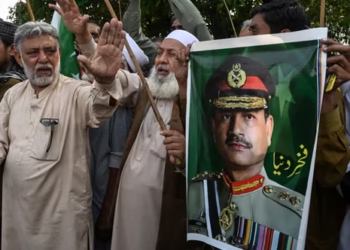 Pakistan Brokers Historic Peace Deal Amid Rising Tensions
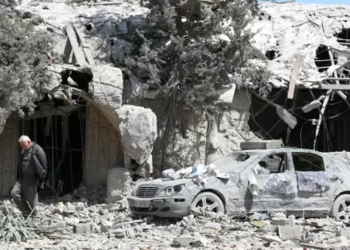 Netanyahu Vows Continued Lebanon Strikes Amid Peace Talks
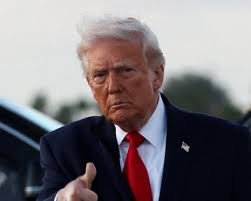 UK Holds Firm on Strait of Hormuz Amid Trump Pressure
 Rory McIlroy Eyes New Horizons After Masters Defence
 Trump Signals Hope for New Iran Talks as Ceasefire Fades
 Reeves Slams Trump Over Iran War Lack Of Exit Plan
 US and Iran Pursue Extension of Ceasefire via Pakistan
 Trump’s Islamabad Gamble: The High Stakes of a New Iran Deal
 Wall Street Hits Historic High Amid Hopes for Iranian Peace
 Ian Katz to Step Down as Channel 4 Content Chief
 Middle East Conflict Risks UK Food Supply Chains This Summer
 The General’s Gambit: Pakistan’s New Role in Global Peace