Published: 20 April 2026. The English Chronicle Desk. The English Chronicle Online
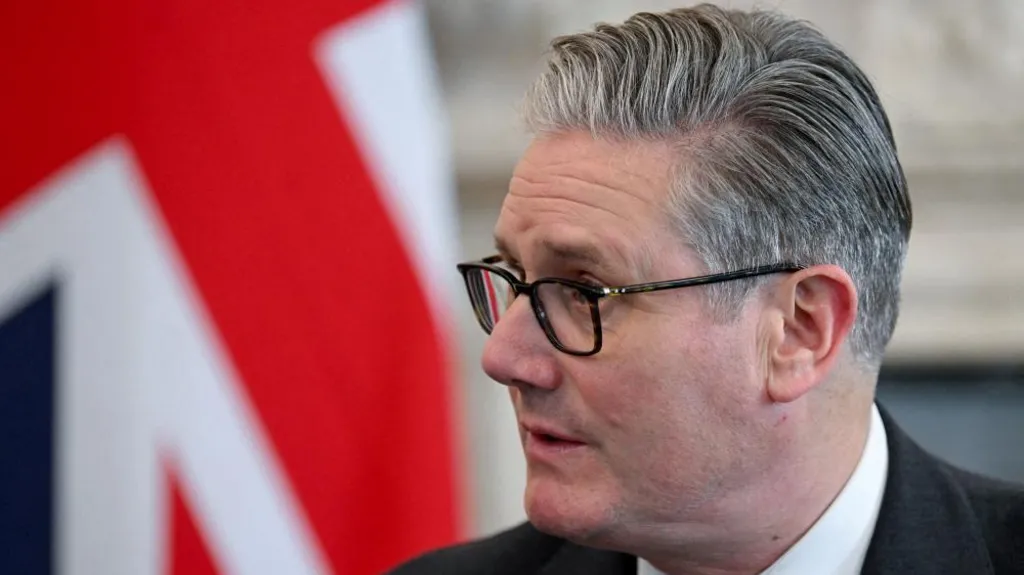
As Prime Minister Keir Starmer prepares to take his place at the dispatch box this afternoon, the atmosphere in the House of Commons is described by many as “febrile.” The scandal surrounding Peter Mandelson—the former “Prince of Darkness” whose brief tenure as Washington Ambassador ended in disgrace—has morphed from a controversy over a controversial appointment into a full-blown constitutional crisis. With the sacking of top diplomat Sir Olly Robbins and allegations of a Foreign Office “cover-up” over failed security vetting, the Prime Minister’s authority is under its severest test.
The “Mandelson Debacle” has left the government in a tailspin. Here are the five critical questions that Starmer must answer if he is to survive the afternoon’s grilling.

It is now established that United Kingdom Security Vetting (UKSV) recommended that Lord Mandelson be denied “Developed Vetting” (DV) clearance due to his historic and continued associations with Jeffrey Epstein. However, officials in the Foreign, Commonwealth and Development Office (FCDO) reportedly overruled this, granting clearance anyway. Starmer must name the individuals who made this call. Was it a rogue civil servant, or was there implicit political pressure to “make it work” for the Prime Minister’s chosen man?
Downing Street maintains that Starmer only learned of the vetting override last Tuesday. Yet, reports suggest that journalists were asking No. 10 about Mandelson’s failed vetting as far back as September 2025.
The Disconnect: If No. 10’s press office knew of the rumors, why did they not “verify the facts” with the FCDO?
The Implications: If Starmer was aware of the failed vetting and still told MPs in September that “due process was followed,” he faces the potentially fatal charge of intentionally misleading Parliament.
During a 4 February Commons session, Starmer admitted that Mandelson’s vetting did mention his relationship with Epstein. The question today is how that information was weighted. If the vetting file described Mandelson as a “high concern” due to alleged leaks of government information to Epstein in 2009—as recently leaked DOJ documents suggest—how could any Prime Minister justify the appointment to the UK’s most sensitive diplomatic post?
The summary dismissal of Sir Olly Robbins, the FCDO’s permanent under-secretary, has sent a “chill through Whitehall.”
| Name | Role | Status |
| Peter Mandelson | Former Ambassador | Resigned; Under Police Investigation |
| Sir Olly Robbins | FCDO Permanent Secretary | Sacked (April 16) |
| David Lammy | Deputy PM / Former Foreign Sec | Under Intense Scrutiny |
| Keir Starmer | Prime Minister | Facing Commons Statement |
MPs will ask why the political heads—specifically then-Foreign Secretary David Lammy—remain in post while the civil service takes the blame for a decision that was, at its heart, a political appointment.

In February, Parliament passed a binding “Humble Address” requiring the government to publish all papers relating to Mandelson’s appointment. Thus far, the Cabinet Office has released only “templates” of vetting forms. Starmer will be asked today if he will authorize the “unprecedented” disclosure of the specific FCDO document that overruled the security services. Transparency is his only shield, but the contents of that document may provide the sword his opponents are looking for.
As the clock ticks toward 3:30 p.m., Starmer’s “Stalingrad defense” is reaching its limit. He has promised to set out “all relevant facts,” but in the Commons, it is often the facts left unsaid that prove the most dangerous.
Related News:
 Tasers Introduced in UK Prisons to Combat Rising Violence and Protect Staff
 David Lammy Faces Possible Legal Challenge Over Foreign Office Secondment Scheme
 Ministers Accused of Defamation Over Palestine Action Ban and Mass Arrests
 Police Advised to Disclose Ethnicity of Suspects in High-Profile Cases
 Sally Rooney Pledges BBC Royalties to Support Palestine Action Despite UK Terror Ban
 UK’s First Transgender Judge Seeks Rehearing of Supreme Court Ruling on Biological Sex
 Government Signs Deal with Iraq to Return Illegal Migrants in Latest Bid to Deter Small Boats
 Migrant Hotel Chaos as Councils Consider Legal Action to Ban Asylum Seekers
 DWP Launches Independent Review of Post Office Staff Prosecutions
 Angela Rayner Admits Underpaying Stamp Duty on £800,000 Seaside Flat
 Angela Rayner Faces Scrutiny as Stamp Duty Row Deepens
 Tanni Grey-Thompson Faces Abuse Over Opposition to Assisted Dying Bill
 First “One In, One Out” Deportation Flight Departs Without Migrants Amid Legal Challenges
 Hillsborough Law to Hold Public Officials Accountable, Promising Jail for Serious Misconduct
 Corbyn and Sultana Clash Over Membership Portal as Divisions Surface in New Leftwing Party
 Commons Speaker Warns UK Parliament Vulnerable to Foreign Espionage After China-Linked Case Dropped
 Mahmood Pledges Reform of Modern Slavery Laws After Court Blocks Deportation Appeal
 Migrants in UK May Need to Contribute or Face Removal, Home Secretary Signals
 Jailed Georgian Opposition Leaders Warn UK of Iranian Links to Ruling Party
 MPs’ pay watchdog seeks to give public greater voice in how politicians are funded
 Digital ID Plans Ignite Debate Over £600m Treasury Tax Boost and Privacy Concerns
 Boris Johnson Breached Rules on Post-Office Business Contacts
 Lucy Powell urged ministers to reconsider costly legal case for Labour donor’s firm
 Starmer Accused of Creating ‘Toxic Downing Street’
Johnson Approved China’s London ‘Super-Embassy’ in 2018
Starmer Accused of Creating ‘Toxic Downing Street’
Johnson Approved China’s London ‘Super-Embassy’ in 2018
 Phillipson urges careful review of gender recognition guidance
 French Taxi Driver Cleared in David Lammy Theft Case After Fare Dispute
 Met Police Culture Makes Racial Harm ‘Inevitable’
 Remaining rebel Labour MPs have whip restored
 Tim Davie resigns as BBC director general amid bias claims
 Palace to reinstate hyphen in Andrew’s surname
 Victims’ commissioner Baroness Newlove dies aged 63
 Major Rent Reform Ends No-Fault Evictions in England
 Peers Flood Assisted Dying Bill with 942 Amendments
 Nandy says BBC review to probe political board influence
 UK Unveils Fast-Track Deportation and Asylum Overhaul
 UK Asylum Overhaul Sparks Debate Over Human Rights and Deportations
 UK Asylum Reforms: Temporary Refugee Status and Faster Deportations
 Mahmood Defends Tough Overhaul of UK Asylum System
 Scottish Ministers Express Alarm Over UK Asylum Reforms
 Westminster Advances Legacy Bill Amid Criticism
 Minister Defends Tough New Asylum Reform Plan
 UK Net Migration Falls Sharply After ONS Revisions
 Peers Get Extra Time to Debate Assisted Dying Bill
 Plans to Limit Jury Trials Face Retreat After Mounting Opposition
 Starmer tariffs stance rejects US trade retaliation
 Tim Walz urges Trump to withdraw federal agents immediately
 Emails Show Epstein Funded Mandelson’s Husband After Jail
 Labour Attacks Reform Candidate Over Tommy Robinson Backing
 Police Probe Mandelson Over Alleged Epstein Leak
 Starmer Reverses Local Election Delay Plan
 Starmer Ally Investigated Over Smear Claims
 Last‑ditch Call to Save Police Front Counters in London
 Civil Service Pay: Union Urges Ministers to End ‘Barking Mad’ Limits
 How Much Could Andrew’s Arrest Hurt the Royal Family?
 Andrew Released Under Investigation After Arrest
 Major Changes to Asylum System Set to Come into Force
 Labour MP’s Partner Arrested on Suspicion of Spying for China
 Police Scotland Pays £8m Compensation to Staff
 Proposed Law Leaves Gap for Children of Convicted Paedophiles
 Labour Lawyers Blocked From Briefing MPs on Jury Trials
 Hereditary Peers to Lose Seats in House of Lords
 Mandelson’s Phone Messages Requested in Files Release
 Holyrood Campaign ‘In Meltdown’ as Fifth Reform UK Candidate Quits
 US Lawmaker Demands Testimony Over Sarah Ferguson’s ‘Close Epstein Ties’
 The Last of the Lords: Two Hereditary Peers to Retain Ceremonial Roles Amid Historic Ousting
 ‘My Daughter is Under the Rubble’: The Human Cost of the Tehran Strikes
 ‘Eye in the Sky’ Blinded: Photos Reveal Destroyed US Radar Jet at Saudi Base
 ‘Full and Immediate Access’: Netanyahu Reverses Palm Sunday Ban on Latin Patriarch
 ‘I Was Naive,’ Says Minister Who Quit Over Labour Together Claims
 ‘Policing Streets, Not Tweets’: Mahmood Scraps Non-Crime Hate Incidents
 Where are elections taking place in the South West in May 2026?
 Local Elections Profile: The Battle for Bexley’s 45 Seats
 Starmer Defends Workers’ Rights Amid Rising Green Threat
 ‘Seismic Change’: How Nationalist Wins in Celtic Nations Could Reshape the UK
 Case Closed: No Criminal Wrongdoing by Officer in Simpson Murder Investigation
 Mass Arrests at London Palestine Protest Spark Debate
 Former NATO Chief Warns UK’s National Security ‘In Peril’
 MoD Has Lost Track of Veteran Recall List, Says Adviser
 Starmer Faces Pressure Over Mandelson Vetting Scandal