Published: 22 April 2026. The English Chronicle Desk. The English Chronicle Online
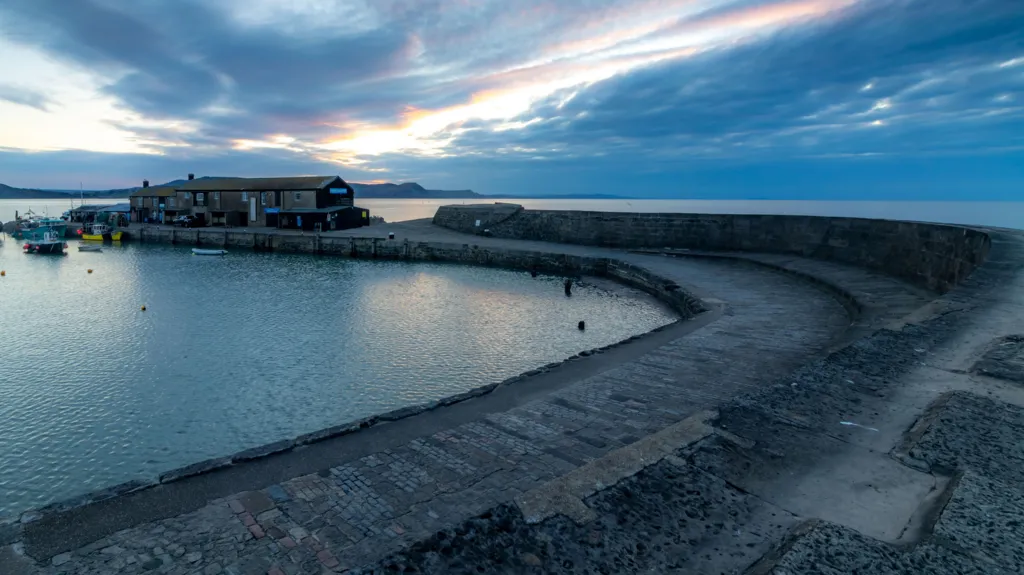
A landmark decision by regional authorities has cleared the way for a £6.2 million emergency investment to rescue a historic harbour wall currently on the brink of structural collapse. The ambitious engineering project is designed to safeguard both the maritime heritage and the commercial future of the coastal town, which has seen its primary defensive barrier battered by increasingly frequent North Atlantic storms. For local residents and businesses, the funding represents a hard-won victory after years of campaigning to protect the 19th-century stonework that serves as the town’s first line of defense against the rising tide.

The harbour wall, a Category A-listed structure built during the height of the Victorian industrial era, has been under “active monitoring” for over a decade. Recent underwater surveys using advanced sonar mapping revealed significant “scouring” at the base of the foundations, where centuries of tidal action have carved out dangerous hollows beneath the massive granite blocks. Engineers warned that without immediate intervention, a single major storm surge could trigger a catastrophic failure, potentially flooding the low-lying historic quay and devastating the local fishing fleet. The new investment will fund a “deep stabilization” process, involving the injection of specialized underwater concrete and the installation of steel reinforcement piles driven deep into the seabed.
Beyond the immediate structural repairs, the £6.2 million package includes a significant commitment to heritage preservation. Rather than replacing the historic granite with modern concrete, the project will utilize traditional masonry techniques to ensure the new reinforcements are virtually invisible to the naked eye. Expert stone-cutters will be brought in to repair the distinctive coping stones, maintaining the aesthetic character that draws thousands of tourists to the harbour each summer. Local heritage groups have praised the “sympathetic” approach, noting that the harbour is not just a piece of infrastructure, but a living monument to the generations of mariners who built the town’s prosperity.
The economic implications of the project are profound. The harbour currently supports over 200 jobs directly linked to the fishing and tourism industries, and the threat of closure had begun to stifle private investment in the area. With the structural integrity of the wall guaranteed for the next 75 years, the local council expects a “renaissance” of the waterfront. Plans are already in motion to upgrade the adjacent moorings and create a new pedestrian walkway atop the reinforced wall, providing a safe and scenic route for visitors to witness the working harbour in action.

Work on the site is scheduled to begin in late September to avoid disrupting the peak summer tourist season and the local seal breeding period. The project is expected to take eighteen months to complete, during which time a temporary cofferdam will be constructed to allow engineers to work in a dry environment several meters below the high-water mark. While the town prepares for some inevitable logistical disruption, the prevailing sentiment is one of immense relief. After years of watching the sea slowly reclaim the stones of their ancestors, the community finally has the resources to turn the tide and ensure the harbour remains a beacon of coastal resilience for the next century.
Related News:
 Gender Pay Gap Won’t Close for Another 30 Years, Warns Union
 Royal Mail Blames Poor Weather and Sickness for Delayed Deliveries
 Popular UK Service Station Announces Closures Amid Another’s Liquidation
 Store at Famous Shopping Village to Close After 18 Years Due to Rising Costs
 Tesco Announces New Rule for Customer Parking Spaces – ‘We Need These Everywhere!’
 Fury as Jobless-Migrant Households Receive Benefits Worth £10bn – ‘We Need to End This’
 Closing Factory Workers Paid to Help at Food Bank
 South East Water Faces £22m Fine for Supply Failures Affecting Hundreds of Thousands
 Sarah Ferguson Loses Another £1.5m Amid Financial Struggles
 Courier Firm Bust After 14 Years as Evri Deliveries Face ‘Temporary Disruption’
 Fuel Costs Are Rising — Drivers on the Frontline of the Price Surge
 ‘Heating Oil Suppliers Are Holding Us to Ransom’ as Prices and Cancellations Surge
 Disabled Girl ‘Felt Like Alien’ in Shoe Row
 Rising Costs Force Families to Rethink Days Out
 Glasgow Central Set for Full Reopening After Fire
 Fire Crews Battle Major Blaze at Coventry Car Dealership
 Gridlock Britain: Easter 2026 Set for Busiest Roads in Four Years
 ‘Empty Tanks’: UK Drivers Cry Foul as Petrol Prices Surge Amid $120 Oil Threat
 Debt Relief or Drop in the Ocean? UK Caps Student Loan Interest at 6%
 The ‘Shredder’ Syndrome: Why the 2026 Job Market is Breaking Entry-Level Spirits
 Property Peak? UK House Prices Dip Amid Geopolitical Jitters and ‘War Uncertainty’
 The Kitchen Table Crisis: How the 2026 Iran War Hits Your Wallet
 The Pre-School Lottery: Families Left in ‘Holding Pattern’ as Local Places Vanish
 The Silent Lifeline: Why the 2026 Digital Switchover has Millions Saying, ‘I Didn’t Realise How Much I Needed My Landline’
 The Cost of Compassion: Rising Fuel Prices Put ‘Seismic’ Strain on Transport Charity
 The Price of Help: Fuel Surge Threatens Charitable ‘Power Plant’
 The Liquid Gold Heist: Arrests Made After Man Found with ’20 Olive Oil Bottles’
 The Freedom Hub: Can a Former Women’s Jail Unlock This City’s Potential?
 The Green Mile: Country Lane Solar Farm Set to Power 13,000 Homes
 The Sustainable Departure: Crematorium Completes £5m ‘Green’ Transformation
 The Waiting Ward: ‘Month of Worry’ as Doctor Strikes Trigger Seismic Surgery Delays
 Powering the Future: Green Light for ‘Seismic’ Nuclear Project Promising 8,000 Jobs
 ‘The Triple-Shift Generation’: The 20-Somethings Juggling Three Jobs to Stay Afloat
 Statistical Mirage: UK Unemployment Dips to 4.9% as Students Exit the Workforce
 ‘A Beacon of Hope’: £3m Injection Set to Transform Town’s Community Hub
 ‘The Flyover Returns’: A40 Westway Reopens Overnight Following Month-Long Gridlock
 ‘The Tap is Turning’: Stormont Eyes £3bn Windfall Through Water Charges and Rate Hikes
 ‘The Logistics of Mercy’: Charities Pushed to Breaking Point by 190p Fuel Spike
 ‘Economic Sandbags’: UK Retailers Activate Price Rise Contingency Plans as Supply Chain Strains Mount
 ‘The Cost of a Life’: Air Ambulances Fear Fuel Spikes May Force Operational Grounding
 McDonald’s Leadership Under Fire Over Stance on Workplace Misconduct
 UK Pub Price Hikes: Landlady Calls Drink Increases Last Resort
 Great Britain’s Energy Operator Commits to Strengthening Grid to Prevent Blackouts
 UK House Price Growth Slows as Buyers Exercise Caution Ahead of Autumn Budget
 Kemi Badenoch Unveils ‘Golden Rule’ to Halve Spending Cuts for Deficit Reduction at Tory Conference
 New V-Level qualification to transform post-16 education
 Real living wage set to rise nearly 7% for UK workers in 2026
 Reeves Faces Setback as Labour May Miss Homes Target
 Trump’s UK Ambassador Urges North Sea Drilling to Strengthen US Ties
M&S Profits More Than Halve After Cyber-Attack
Trump’s UK Ambassador Urges North Sea Drilling to Strengthen US Ties
M&S Profits More Than Halve After Cyber-Attack
 Millionaires group urge Reeves to introduce wealth tax to ‘lift kids out of poverty’
 Starmer Says Labour’s Economic Plan Needs Years to Deliver
 Historic £100-Weekly Pension Boost Brings Relief for UK Mineworkers
 UK New Car Discounts Near £6,000 as Prices Are Slashed
 Labour Utterly Humiliated by Straight-Talking Mum Who Cut Through Keir Starmer’s Insanity
 Pound Sinks and Borrowing Costs Rise as Starmer Fights for Job
 Major UK Clothing Firm Collapses into Administration — 109 Jobs at Risk
 Renters Furious as Decent Homes Standard Delayed Until 2035
 Could Manchester Lead the UK’s Economic Revival?
 Motorists Could Face ‘Mandatory’ Driving Ban for Road Offences Under Tougher Laws
 Snow and Rain Warnings as Cold Snap Continues in the UK
 Lloyds Boss Accepts Concern Over Use of Staff Data in Pay Talks
 UK Job Vacancies Hit Five-Year Pandemic Low
 UK Youth Unemployment Surges Amid Tax Changes
 Strong Rebound for UK Housing Market Sees 6% More Homes
 Calls Grow to Remove Billboard Following Lyra McKee Graffiti
 Father Dies by Suicide Weeks After Wedding in Clitheroe
 Teen Wins Payout After TRNSMT Crush Horror
 Charity Watchdog Takes Control of Learning Disability Care Home
 US Lawmaker Demands Testimony Over Sarah Ferguson’s ‘Close Epstein Ties’
 Woman Deported from China Over Manx Passport Mix-Up
 ‘My Hatred of Dogs is Ruining My Love Life’
 The 8 Million Dilemma: Why Britain’s Disability Safety Net is Facing a ‘2026 Reckoning’
 National Treasure: Raja Ravi Varma Masterpiece Smashes Indian Art Record with $17.9m Sale
 New UK Farm Inheritance Tax Rule Will Cause ‘Significant Challenges’, Say Accountants
 Paws on the Wheel: Driver Facing Fine After Dog Photographed on Lap
 The Miracle of Phoenix: ‘Half Dead’ Rescue Dog Defies the Odds in Worcestershire
 Roadside Reckoning: Nearly 160,000 Uninsured Vehicles Seized in National Crackdown
 ‘The Last of the Greatest’: UK’s Oldest WWII Veteran Passes Away Aged 109
 ‘Unviable and Unfair’: Private Hire Drivers Warn New 2026 Rules Will Decimate Local Trade