
Published: 27 April 2026. The English Chronicle Desk. The English Chronicle Online.
The state of national health in the United Kingdom is currently facing a significant and troubling deterioration. Recent comprehensive analysis indicates that citizens are spending fewer years in good health than they did a decade ago. This downward trend is generating profound concern among experts who fear the population’s overall wellbeing is now actively going backwards. Healthy life expectancy measures the total number of years an individual lives without suffering from chronic illness or debilitating physical disability. While many other wealthy nations have seen improvements, the United Kingdom finds itself trailing behind in a very concerning manner.
A detailed study from the Health Foundation thinktank examined healthy life expectancy across twenty-one different countries to assess current global trends. The findings reveal that the UK population is not experiencing the steady progress observed in places like Japan, Norway, and Spain. Across the twenty other comparable nations included in this analysis, healthy life expectancy actually increased by an average of four-tenths of a year. In stark contrast, the British experience has been defined by a sharp decline in time spent free from serious health conditions.
Statistical data from the Office for National Statistics highlights a clear reduction in healthy years for both men and women across the country. For men in the United Kingdom, healthy life expectancy dropped from sixty-two point nine years in the period of twenty-twelve to fourteen, down to just sixty point seven years during twenty-twenty-two to twenty-four. Women have experienced a similar decline, with their healthy life expectancy falling from sixty-three point seven years down to sixty point nine years over that same timeframe. These figures represent a significant reduction in the proportion of life that citizens are able to spend in good health.

The implications for daily life are severe, as the study shows that in over ninety percent of the United Kingdom, people now begin suffering from illness before reaching the state pension age of sixty-six. Dr. Jennifer Dixon, who serves as the chief executive of the Health Foundation, describes these findings as a very stark truth that suggests the nation’s health is moving in the wrong direction. She notes that the indicators on the national dashboard are flashing red, signaling a crisis that demands immediate attention from leadership. Britain currently holds the unfortunate title of being the most obese country throughout western Europe, which is contributing to this worsening situation.
Mental ill health has also surged to unprecedented levels, placing an immense burden on both individuals and the wider public health services. Furthermore, a growing number of people are living with chronic health conditions that significantly diminish their overall quality of life and long-term prospects. The thinktank identifies rising obesity rates, which directly lead to more cases of diabetes, heart disease, stroke, and cancer, as primary drivers of this crisis. High numbers of deaths attributed to alcohol consumption, drug usage, and suicide also help explain the substantial loss of two years of illness-free existence for the average citizen.
Beyond these specific medical factors, worsening self-reported health and deep, persistent health inequalities between wealthy and poorer regions remain essential components of this complex national problem. It is important to note that neither the global pandemic nor overall life expectancy, which has remained relatively stable, are responsible for this particular decline. This conclusion suggests that the deterioration observed in the United Kingdom is not an inevitable outcome but rather reflects specific factors inherent to the country. Health experts continue to view healthy life expectancy as the most effective method for measuring the true health status of any modern nation.
The United Kingdom is now one of only five countries where healthy life expectancy has declined according to the latest available international comparative data. Britain has slipped from fourteenth to twentieth place in the twenty-one-nation international league table, leaving only the United States positioned below it. These troubling findings help explain why a record number of two point eight million people are currently considered too sick to participate in the workforce. There is also a concerning rise in deaths among the population aged between twenty-five and forty-nine, alongside a growing number of young people between sixteen and twenty-four who are not in education, employment, or training due to physical or mental health conditions.

The Department of Health and Social Care has responded to this grim picture by describing the trend as a disgrace that reflects poor management over the last decade. Government officials point toward the upcoming tobacco and vapes bill, which is set to receive royal assent this week, as a crucial step forward. They also highlight a new ban on the advertising of junk food before nine o’clock in the evening as evidence of a more radical approach toward tackling these deep-rooted problems. Nevertheless, many experts argue that the fall in the length of time people enjoy good health carries a massive human and economic cost that continues to mount.
Dr. Dixon emphasizes that poor health is driving many people out of the workforce while simultaneously locking younger generations out of vital opportunities for education and employment. She further notes that this situation adds significantly to the rising cost of welfare, creating a cycle that is difficult for families and the state to break. Successive governments have reportedly failed to take the necessary action required to address the rising burden of often avoidable illness, despite having access to clear data about the problem for many years. Turning the tide will require a bold new approach that goes far beyond simply patching up the National Health Service to tackle the fundamental root causes of ill health.
Policy suggestions for ministers include forcing food companies to make their products healthier, introducing minimum unit pricing for alcohol across England, and taking more decisive action to tackle drug-related harm. Deep inequalities in healthy life expectancy remain a glaring issue, with significant gaps between wealthy areas like Richmond upon Thames and poorer areas like Blackpool and Hartlepool. While the government maintains that it is committed to building a healthier Britain and creating an health service fit for the future, the scale of the challenge remains substantial. Addressing these disparities will be a critical test for policymakers in the years ahead as they strive to help people live well for longer, regardless of their background or geographic location.
Related News:
 Hospice Cuts Raise Alarm Across England Amid Funding Crisis
 Celebrities and Charities Demand UK Government Act on Child Poverty
 Patients to Test Health at Home to Ease NHS Winter Pressure
 London’s Childlessness Crisis: Schools Closing as Families Shrink
 Shouting Works Best to Deter Gulls, UK Study Finds
 Reeves rejects £1bn plea for NHS redundancy payouts
 Working-Class Men with Prostate Cancer Left Behind by NHS
 Senator John Fetterman Hospitalized After Fall from Heart Flare-Up, Keeps Sense of Humor
 New AI tool could cut wasted efforts in organ transplants
 Stroke Patient Mistaken for Drunk, Care Delayed
 ‘Traumatic Wait’: Northern Ireland Women Face Breast Cancer Delays
 Healthy Habits in Your 30s That Boost Life in Your 70s
 Scottish Families Take Legal Action Over School CO Leak
 Coffins Now Too Large to Cremate Amid Rising Obesity Crisis
 Vicki Fears Losing Motability Car
 Delhi’s Toxic Air Crisis Leaves Children Sick and Vulnerable
 Five-Year-Old Dies After Rare Tonsil Surgery Complication
 Fibromyalgia Patients Struggle as NHS Fails to Provide Care
 More Patients Now Contacting GPs Online, Data Shows
 Kenya Signs $2.5bn Health Deal with US Amid Data Concerns
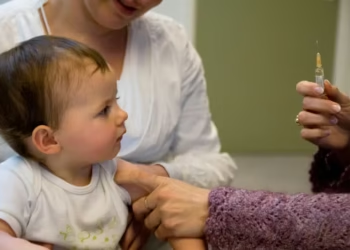 Children to Receive Home Vaccines as England Acts
 Childhood Hypertension Sparks Urgent UK Testing Calls
 UK Enforces Junk Food Ad Ban Before 9pm
 Patients Collapsing in NHS Corridors, Watchdog Warns
 Google Removes Some AI Health Summaries Over Safety Concerns
 Polycrisis Anxiety Leaves Many Feeling Trapped in the Present
 UK Mothers Overloaded: Mental Health Pressures Worsen
 Small risk warning raised over weight-loss jabs in UK review
 Streeting moves on doctor pay to end strike dispute
 Autistic Girls Often Missed in Childhood Diagnoses, Study Finds
 UK reports baby formula toxin poisoning cases across the country
 Most Statin Side-Effects Are Not Caused by Drugs, Study Confirms
 UK, US Medics Barred from Gaza Amid Rising Aid Concerns
 Chikungunya Spread in Europe Climbs as Climate Warms
 Placenta Accreta Warning as Hunt Urges Action
 Half of Britons Avoid GP When Ill, Survey Reveals Growing Concern
 The rise of rejection sensitive dysphoria: How it shapes lives
 Sudden Blindness 2,000 Miles from Home – Alone and Penniless
 NHS Maternity Units Cover Up Harmful Childbirth Errors
 Weight-loss drugs may transform heart attack recovery
 Zorevunersen Breakthrough for Dravet Syndrome
 Cancer Death Rate in Britain Falls by Nearly a Third
 New Zealand Covid Response Praised Despite Lingering Scars
 Taking Multivitamins Daily Could Slightly Slow Ageing, Study Finds
 Canada Plasma Deaths Raise Safety Concerns After Two Donors Die
 ‘Drinking from a Fetid Pond’: Superbug Genes in Lough Neagh
 UK Biobank Health Data Leaks Raise Privacy Concerns
 NHS Plans to Cut Overseas Workers Labeled Overambitious
 Palantir Boss Defends NHS Deal Amid Government Break Clause
 Reformer Pilates Boom Sparks Surge in Injuries, Experts Warn
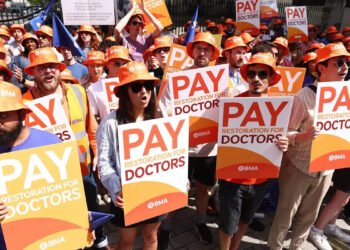 Unions Raise Concerns Over Doctors’ Pay Dispute
 Blue Badge Surge Prompts Calls for Urgent Fraud Crackdown
 Private Profits From NHS Contracts Spark Urgent National Debate
 Crisis in NHS Surgery Scheduling Hits Patients Hard
 New Scan Offers Hope for Faster Endometriosis Diagnosis
 New AI Tool To Target Obesity Risk And Transform NHS Care
 WHO approves first malaria drug for babies
 The Hidden Danger Facing Mothers in British Hospitals
 Hantavirus Cruise: Britons Face 45-Day Isolation Order
 Florida Surgeon ‘Devastated’ Over Fatal Surgery Error
 Crisis in the Canary Islands as Cruise Ship Evacuated
 Mission to the World’s Edge: A Heroic Rescue in Tristan
 UK Experts Urge Four-Day Week to Combat National Obesity
 French Patient Told Hantavirus Was Just Anxiety
 Heavy Caring Burden Linked to Faster Mental Decline
 NHS Drug Deal Faces Legal Threat Over US Trade Agreement
 Ebola Returns to the DRC: A Crisis of Panic and Hope
 Pope Meets Families in Italy Toxic Waste Zone
 Record Spending Highlights Growing Crisis In National Health Service
 The Hidden Perils of Online Health Advice for Women
 NHS to Tell Minor A&E Patients to Return Later
 Clean Air Initiatives Spark Major Fall in London Hospital Admissions
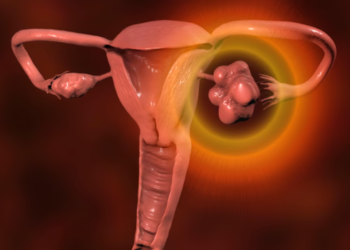 NHS Urges Investigation For Irregular Periods
 Deadly H5 Bird Flu Reaches Australia’s East Coast
 UK Heatwaves Ignite Crisis of Sleep and Public Safety
 Arizona Toddler Found Alive in Hospital Cold Room
 Trump Immigration Cuts Threaten US Caregiver Stability
 UK Schools Struggle as Classrooms Top 40C
 London Tube Heat Reaches Dangerous Levels
 Weight-Loss Drugs Offer Food Savings Mainly to High Earners