
Published: 27 April 2026. The English Chronicle Desk. The English Chronicle Online
In an extraordinary act of mentorship that has resonated throughout the UK’s classical music scene, a world-renowned professional horn player has purchased a professional-grade £8,500 euphonium for a teenage “prodigy” who had been struggling to compete on a borrowed school instrument. The donor, who has chosen to remain anonymous to keep the focus on the student’s talent, presented the silver-plated instrument to 16-year-old Leo during a surprise masterclass in Manchester this weekend.

The gift comes at a critical juncture for the young musician, who recently secured a place at the Junior Royal Northern College of Music. Despite his “once-in-a-generation” talent, Leo’s progress was reportedly being hindered by an aging student-model instrument that lacked the tonal range and mechanical precision required for the professional circuit.
The story has highlighted the staggering financial barriers facing young musicians from low-income backgrounds in 2026.
The Cost of Excellence: A professional-standard euphonium, such as the Besson Prestige or Yamaha Neo, now retails for between £8,000 and £10,000. For many working-class families, this is an impossible sum—roughly equivalent to the price of a used car.
The “Borrowed” Plateau: Leo had been using a battered school euphonium for four years. His teacher noted that while Leo’s technique was flawless, the instrument’s “stuffy” valves and poor intonation were preventing him from reaching the “soloist quality” required for conservatory auditions.
The Anonymous Benefactor: The donor, a principal horn player for a major UK orchestra, reportedly heard Leo perform at a regional youth brass band competition. “I saw a reflection of myself forty years ago,” the donor said in a brief statement. “Talent is everywhere, but opportunity is expensive. This wasn’t a gift; it was an investment in the future of British brass.“
The new instrument—a top-of-the-line model featuring gold-plated triggers and a specialized “compensating” valve system—was handed over during a rehearsal of the National Youth Brass Band.
“I couldn’t believe it when I opened the case,” Leo said, visibly overwhelmed. “I’ve spent years trying to make my old instrument sound like the ones I heard on recordings. With this, the sound just… happens. It feels like I’ve finally been given my true voice.”
The £8,500 gift has sparked a wider conversation about the decline of state-funded music education.
Funding Cuts: Arts council funding for regional music hubs has seen a 15% real-terms cut since 2024, leading to a shortage of high-quality instruments available for loan.
The “Elite” Drift: Campaigners argue that classical music is becoming increasingly “gentrified,” as only the children of wealthy families can afford the instruments and private tuition necessary to reach the highest levels.
Charitable Intervention: Groups like the Benslow Music Instrument Loan Scheme are seeing record demand, with waiting lists for professional-standard brass and woodwind instruments now stretching to over two years.
Leo is now preparing for a summer of high-profile performances, including a solo appearance at the Whit Friday Marches and an upcoming audition for the European Youth Orchestra. His mentors believe the new euphonium will be the “catalyst” that takes him from a local talent to an international soloist.

As the King begins his state visit to Washington—a trip celebrating “special relationships”—this individual act of generosity serves as a reminder of a different kind of bond: the one between the masters of today and the prodigies of tomorrow. For Leo, the “Golden Tone” of his new euphonium isn’t just a sound; it’s the sound of a door finally opening.
Related News:
 Teacher Who Lied About Cambridge Degree Banned From Profession
 Britain’s Special Needs Spending Crisis Will Be Labour’s Ruin
 ‘Don’t Make Us Security Guards,’ Says Teacher Stabbed by Pupil
 Schools in England to Get Budget for Children with Special Needs as Part of SEND Overhaul
 Toddlers in Finland Lead the Fight to Save Sámi Language
 Only 10% of Boys Aged 14–16 Read Daily for Pleasure, National Literacy Trust Finds
 Karen Gillan Reveals What She Misses Most About Scotland’s Food and People
 BBC Apologises After Racial Slur Aired at BAFTAs by Guest With Tourette’s
 Sadistic Pair Jailed for Blowing Up Sheep
 Will the New SEND Reforms in England Work? You Have Your Say
 After Decades of Decline, Why Welsh Male Voice Choirs Are Back
 Allergy Training to Become Compulsory in Schools in England
 Yorkshire School Issues Warning Over Social Media Trend Targeting Pupils
 Beloved Teacher Dies After Student Prank Turns Tragic
 Scots Head Teacher Pays Tribute to Teen Who Died in Car Fire
 Schools Lack Staff to Make SEND Reforms Work, Union Warns
 The Pre-School Lottery: Families Left in ‘Holding Pattern’ as Local Places Vanish
 The Lough’s Lament: Can Fiction Spark a ‘Seismic’ Rescue for Lough Neagh?
 The Hidden Hoard of 1692: Glencoe Massacre Coins to be Displayed at Folk Museum
 Exhibition Revisits Life of 18th-Century Black Court Figure
 Campus Lockdown: School Shuts Following ‘Serious Incident’ in Local Area
 Youth in Crisis: ‘Seismic’ Rise in Children as Young as 10 Carrying Weapons
 ‘Disconnected to Reconnect’: England to Enact Statutory Ban on School Mobile Phone Use
 Shaken, Stirred, and Syncopated: 2026 BBC Proms Unveils Boldest Lineup Yet
 ‘The Kings of the Rave’: Carl Cox ‘Humbled’ by Towering Mural Marking Prodigy Tour
 ‘A Lifeline Thrown’: 22,000 Students Spared Immediate Repayment After Loan ‘Incompetence’
 NHS Safety Fears as Nurses Cover Doctor Gaps
 “A Magnet for People”: Hundreds Gather as Madness Star Sings at Primrose Hill Vigil
 “An Encyclopaedia in a Shirt”: Retired IT Analyst Becomes Seventh Millionaire Jackpot Winner
 A Century of Crust: The Family Pie Firm Celebrating 100 Years of Northern Soul
 Princess of Wales Launches Animated Video Series to Support Early Childhood Development
 Education Leaders Call for End to Compulsory GCSE Resits in English and Maths
 Thousands of New School Nursery Places to Be Rolled Out Across England
 Growing Crisis in UK Schools: One in Three Parents Seek Special Needs Assessments
 White Low-Income Pupils in England Show Lowest Levels of School Engagement, Study Finds
 Teacher Permanently Banned After Slapping Pupil Over Classroom Incident
 New V-Level qualification to transform post-16 education
 Children to Learn Local History in Major Curriculum Overhaul
 Christmas Code-Crackers: GCHQ Unveils Annual Festive Puzzle Card
 Cambridge College Faces Backlash Over Private School Recruitment
 UK Ministers Drop Foreign Student Targets for Global Education Push
 Labour Utterly Humiliated by Straight-Talking Mum Who Cut Through Keir Starmer’s Insanity
 Send spending gap leaves deprived areas behind
 Renters Furious as Decent Homes Standard Delayed Until 2035
 Motorists Could Face ‘Mandatory’ Driving Ban for Road Offences Under Tougher Laws
 Students Begin Covid Compensation Claim Against 36 More Universities
 Snow and Rain Warnings as Cold Snap Continues in the UK
 With Scottish Freebies Under Threat, University Tuition Is on the ‘Hit List’
 ‘We Pray for Peace’: Indian Filmmaker From Troubled State Who Won a BAFTA
 ‘I Almost Died After a Touch‑and‑Go C‑Section’
 Calls Grow to Remove Billboard Following Lyra McKee Graffiti
 Father Dies by Suicide Weeks After Wedding in Clitheroe
 Sarah Ferguson Loses Another £1.5m Amid Financial Struggles
 Teen Wins Payout After TRNSMT Crush Horror
 Biker Suffers Fractured Spine After Hitting Pothole in Edinburgh
 ‘Heating Oil Suppliers Are Holding Us to Ransom’ as Prices and Cancellations Surge
 Rare Glimpse of Historic Bridge Thanks to Low Tide
 Families Tortured by Authorities During Investigations Inquiry Told
 Watchdog Probes Police Handling of Andrew Tate Abuse Claims
 The High Cost of Survival: How the 2026 Fiscal Outlook is Redefining British Life
 US Lawmaker Demands Testimony Over Sarah Ferguson’s ‘Close Epstein Ties’
 The Last of the Lords: Two Hereditary Peers to Retain Ceremonial Roles Amid Historic Ousting
 Keir Starmer Vows Strong Action Against Online Tech Giants
 ‘Eye in the Sky’ Blinded: Photos Reveal Destroyed US Radar Jet at Saudi Base
 Four Teens Charged After Assault on Rescue Volunteer and Dog
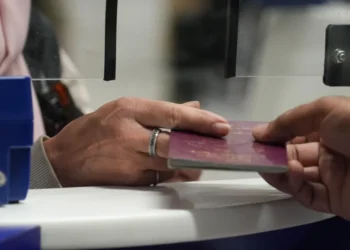 Woman Deported from China Over Manx Passport Mix-Up
 ‘My Hatred of Dogs is Ruining My Love Life’
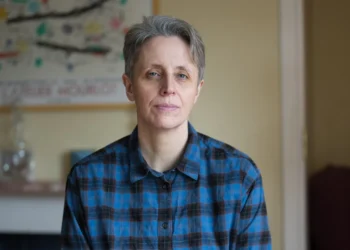 ‘The Final Word’: Kathleen Stock’s Polemic Against Assisted Dying Reshapes the UK Debate
 National Treasure: Raja Ravi Varma Masterpiece Smashes Indian Art Record with $17.9m Sale
 Heartbreak in Bournemouth: The Tragic Death of James Blanch
 Paws on the Wheel: Driver Facing Fine After Dog Photographed on Lap
 The Miracle of Phoenix: ‘Half Dead’ Rescue Dog Defies the Odds in Worcestershire
 Toxic Trail: Dog Owners Warned Over ‘Vile’ Poisoned Meat Found in Parks
 The Waiting Ward: ‘Month of Worry’ as Doctor Strikes Trigger Seismic Surgery Delays
 MoD Has Lost Track of Veteran Recall List, Says Adviser
 ‘The Last of the Greatest’: UK’s Oldest WWII Veteran Passes Away Aged 109
 ‘A Sacred Space Shattered’: Two Found Guilty in London Church Drive-By Murder Trial
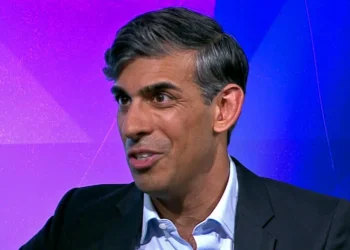 “Jobs Will Go”: Rishi Sunak Warns AI is Already Eroding Entry-Level Opportunities
 “Three-Wheeled Triumph”: Mayor of Erewash Completes 2,000-Mile European Charity Run
 The “Cancer Commute”: Patient Warns of Breaking Point Over 40-Mile Treatment Trek