Published: 30 April 2026. The English Chronicle Desk. The English Chronicle Online
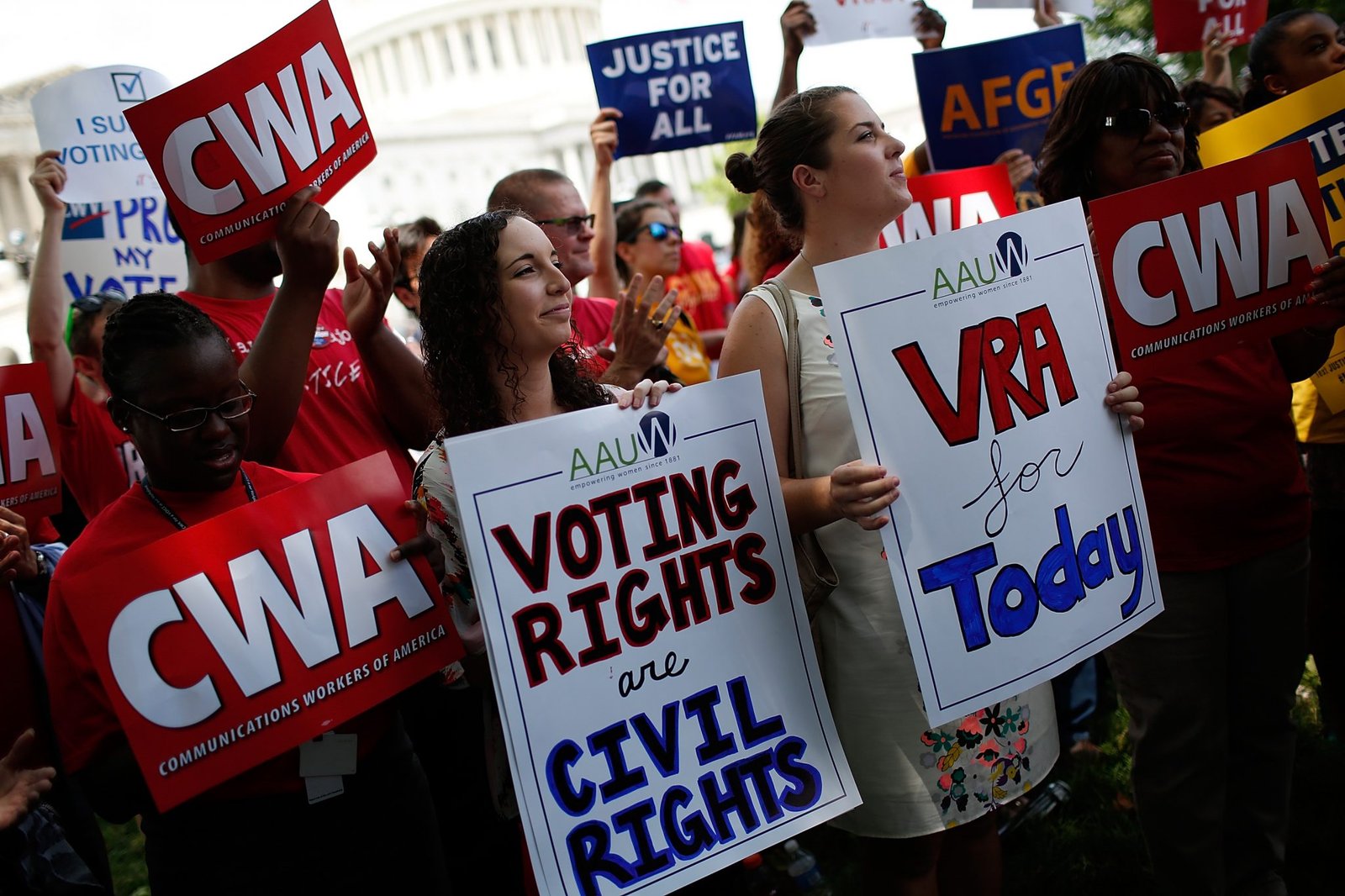
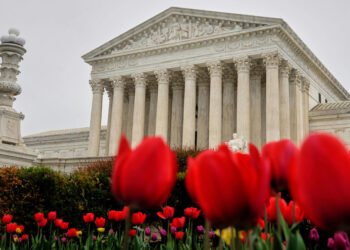
The United States political landscape has been shaken by a landmark Supreme Court ruling that has dramatically altered the interpretation of the Voting Rights Act, triggering sharply divided reactions across the political spectrum. The 6–3 decision, delivered along ideological lines, has been described by supporters as a major victory for state authority in elections, while critics argue it represents a significant setback for civil rights protections that have shaped American democracy for decades.
At the centre of the ruling is a directive involving Louisiana’s congressional map, which the Court ordered to be redrawn. In doing so, the majority opinion effectively weakened the practical enforcement of a key provision of the Voting Rights Act of 1965, long considered one of the most important legislative safeguards against racial discrimination in voting. The decision focuses particularly on how electoral districts can be drawn and challenges the legal framework that previously allowed courts to intervene when maps diluted the voting strength of minority communities.

The ruling has immediate implications for redistricting efforts across the United States, particularly as several states are preparing new congressional maps ahead of the upcoming midterm elections. Legal experts and political analysts suggest that the decision may encourage state legislatures to pursue more aggressive redistricting strategies, potentially reshaping the balance of political power in the House of Representatives. By limiting the ability of courts to strike down maps that weaken minority voting influence, the ruling could shift disputes over electoral fairness more firmly into the political arena.
Reactions from the White House were swift and strongly supportive of the decision. Administration officials described the ruling as a “complete and total victory,” framing it as a correction to what they see as overly restrictive interpretations of election law. White House spokesperson Abigail Jackson emphasised that race should not determine electoral boundaries or political representation, arguing that congressional districts should be drawn without racial considerations dominating the process.
President Donald Trump also responded directly to questions from reporters, indicating support for states revisiting their electoral maps in light of the ruling. His comments added further momentum to expectations that Republican-led legislatures may accelerate redistricting efforts. Political strategists aligned with the administration view the decision as an opportunity to reshape congressional districts in a way that could strengthen Republican representation in several key states ahead of the midterms.
However, the ruling has sparked immediate and intense criticism from civil rights organisations, Democratic lawmakers, and former political leaders. The National Association for the Advancement of Colored People (NAACP) issued a strong condemnation, describing the decision as a major setback for voting equality in the United States. Civil rights advocates argue that the ruling undermines decades of legal precedent designed to ensure that minority communities are not systematically disadvantaged in the drawing of electoral boundaries.
Former President Barack Obama also weighed in, warning that the decision could open the door to widespread partisan manipulation of electoral districts under the guise of neutral political redistricting. He argued that state legislatures may now feel empowered to dilute minority voting power as long as they avoid explicit racial justification in their maps. According to Obama, this shift risks weakening the ability of Black and other minority voters to influence election outcomes in meaningful ways, particularly in closely contested states.
The Supreme Court’s ruling effectively narrows the scope of Section 2 of the Voting Rights Act, which has historically been used to challenge district maps that reduce minority electoral influence. While the law remains in place, its enforcement has now been significantly restricted, with courts facing higher thresholds for proving that redistricting plans are discriminatory in effect rather than intent. Legal scholars note that this distinction could make it far more difficult for plaintiffs to successfully challenge future maps in federal court.
The decision comes at a politically sensitive moment, as several states are already engaged in redistricting processes based on the most recent census data. With population shifts and changing political alignments, both major parties have been seeking advantages through the drawing of new congressional boundaries. The ruling is expected to accelerate this process, particularly in states where legislatures have unified partisan control.
In practical terms, the outcome could reshape competitive districts across the country. Areas with diverse populations, especially urban and suburban regions, may see boundaries redrawn in ways that distribute voters differently, potentially reducing the concentration of minority voters in individual districts. Critics argue this could weaken representation for historically marginalised communities, while supporters maintain it restores balance by focusing on geographic rather than racial considerations.

The political impact of the ruling is likely to extend beyond immediate redistricting battles. Analysts suggest it could influence campaign strategies, voter mobilisation efforts, and legal challenges leading up to the midterm elections. Both parties are expected to closely monitor how state legislatures respond, particularly in battleground states where small changes in district composition can determine control of congressional seats.
Despite the strong partisan reactions, the Supreme Court majority defended the ruling as a clarification of existing law rather than a radical departure from precedent. According to the opinion, the decision seeks to ensure that electoral maps are judged on neutral legal standards rather than race-based outcomes. However, dissenting justices warned that the ruling risks eroding one of the foundational protections established during the civil rights era.
As the political and legal consequences unfold, attention is now turning to how state governments will implement new maps and how courts will interpret challenges under the revised legal framework. Civil rights groups have already signalled their intention to pursue litigation where possible, although the success of such efforts remains uncertain under the new ruling.
The coming months are expected to be critical in determining the long-term impact of the decision, as states move quickly to finalise electoral boundaries ahead of national elections. What remains clear is that the ruling has intensified an already polarised debate over voting rights, representation, and the future of American democracy.
Related News:
 US National Guard Member Killed in DC Shooting
 Trump to pause migration from ‘third-world countries’
 Franklin Turtle, Sabrina Carpenter Slam US Social Media Use
 Trump officials continue false claims after Alex Pretti shooting
 Partial US Government Shutdown Hits Homeland Security Funding
 Thousands Protest ICE Operations in Nationwide US Day of Action
 Swalwell Faces Pressure to Quit Governor Race
 Harmeet Dhillon Faces Scrutiny in DOJ Role Debate
 Trump at Press Dinner Sparks Tension
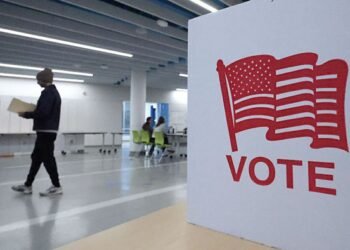 Judge Blocks Trump Bid for Arizona Voter Data
 US Court Weighs Fate of TPS for Migrants
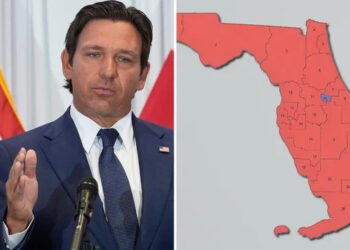 Florida Redistricting Map Sparks Major US Political Battle
 US Court Ruling Reshapes Voting Rights Landscape
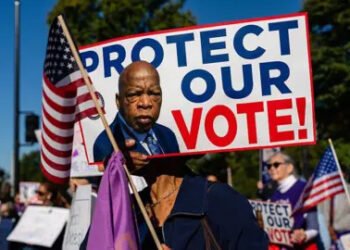 US states redraw maps after voting rights ruling
 Judge halts deportation of Yemeni refugees in US
 White House Security Case Sparks Political Firestorm
 Trump warns Iran as Middle East tensions surge again
 US Supreme Court fast-tracks Voting Rights ruling
 US Court Restores Abortion Pill Access Temporarily
 Immigration Judges Fear Pressure in Trump Era
 FDA Chaos Deepens as Trump Eyes Makary Exit
 US judge dismisses Kilmar Abrego Garcia indictment
 US green card applicants must apply from abroad, DHS says
 Tulsi Gabbard exits after turbulent intelligence tenure
 Trump’s Revenge Drive Deepens GOP Divide
 Former ICC prosecutor condemns US sanctions
 Gunman Killed After White House Security Shootout
 Prosecutor Proposes Law to Combat Election Deceit
 Trump Weighs Retreat from Controversial $1.8bn Slush Fund
 Mystery Grows Over Mitch McConnell’s Health
 Trump Refuses to Sign Housing Bill, But Law Takes Effect
 Trump Orders Signs Criticising Smithsonian Museum
 French Taxi Driver Cleared in David Lammy Theft Case After Fare Dispute
 Major Rent Reform Ends No-Fault Evictions in England
 Peers Flood Assisted Dying Bill with 942 Amendments
 US Justice Department Files Lawsuit Against California Over Partisan Voting Maps
 Trump Deploys DHS to Charlotte in Major Arrest Operation
 Peers Get Extra Time to Debate Assisted Dying Bill
 ICC to Rule on Duterte’s Provisional Release
 Australia grants Asio powers to designate hate groups under new laws
 Government Unveils Northern Powerhouse Rail Plans
 Trump press secretary attacks reporter over ICE question
 Kyrsten Sinema Faces High-Profile Lawsuit Over Marriage Interference
 Criticism of Netanyahu Risks Offence Under Australia Law
 Trump Fed bid heads to Supreme Court
 Tim Walz urges Trump to withdraw federal agents immediately
 Epstein Files Reveal Trump Officials’ Emails with Financier
 Sinema payment row deepens after $9,000 transfer claim
 Nurses’ families fear breakup under UK immigration crackdown
 California Democrats Vow Trump Reckoning
 Trump’s Surgeon General Pick Evades Vaccine Questions
 Adelaide University Faces Backlash Over Event Cancellation
 Proposed Law Leaves Gap for Children of Convicted Paedophiles
 Report Says Pezzullo Acted ‘Recklessly’ in Dealings
 Hungary election: Orbán faces biggest test amid scandal
 Melania Trump Epstein remarks spark survivor backlash
 Suspected Plot Targets Pipeline Before Hungary Vote
 Trump Signals Hope for New Iran Talks as Ceasefire Fades
 US Catholics Caught Between President and the Pope
 GOP Senator Criticizes Trump’s Feud With Pope Leo XIV
 UK Stands Firm on Falklands Amid US Rift
 Crackdown Backfires on UK Climate Protesters
 Investigation Into Anti-Trump Motives After Gala Shooting
 Trump Defiant After Washington Hotel Shooting
 Identity Revealed: Suspected Washington Gunman Named
 Trump approval plunges amid Iran war fears
 Ohio’s Battle for Trust: Democrats Vying to Flip the Buckeye State
 US ‘Narco Boat’ Strikes Draw Global Outcry
 Ohio Primaries Set Stage for Crucial Midterms
 Afghan Families Left in Limbo Face Risk of Deportation
 Florida Surgeon ‘Devastated’ Over Fatal Surgery Error
 Tensions Emerge in Netanyahu-Trump Alliance
 US Awaits Iran Reply on New Ceasefire Proposal
 Hormuz Talks Near Critical Stage
 DeSantis’s ‘Alligator Alcatraz’ Faces Final Shutdown
 House Curbs Trump’s War Powers in Rare Rebellion
 US Courts Back Trump on Park Signage Removals
 Trump’s Mount Rushmore Speech: A Divisive Anniversary
 Le Pen’s Popularity Holds Despite Conviction
 Houthis Strike Saudi Arabia as Middle East Tensions Rise