Published: 30 April 2026. The English Chronicle Desk. The English Chronicle Online
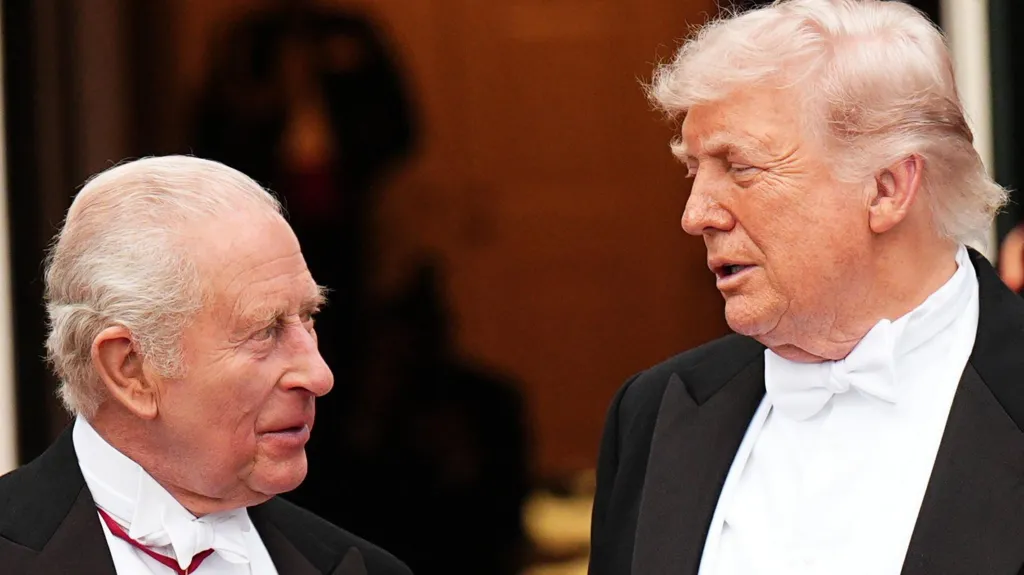
As King Charles III and Queen Camilla conclude their high-stakes four-day state visit to the United States today, the verdict from both sides of the Atlantic seems to be a resounding “Yes.” In a trip described by royal editors as the most “diplomatically risky” of his reign, the King managed to navigate the turbulent waters of a second Trump presidency with a blend of historic gravitas and unexpected wit, leaving many to wonder if the House of Windsor has finally rediscovered its global “mojo.”
From the red carpets of the South Lawn to a historic address before a joint meeting of Congress—the first by a British monarch in 35 years—the visit was designed to celebrate the U.S. Semiquincentennial (250th anniversary). However, beneath the pageantry lay a critical mission: mending a “special relationship” frayed by trade tariffs and clashing views on the ongoing Iran conflict.
Perhaps the most discussed moment of the visit was the King’s address to Congress on Tuesday. In a rare display of American political unity, Charles received multiple standing ovations from both Democrats and Republicans.
The “Trump Joke”: President Trump, hosting the state dinner that evening, joked that the King had achieved something he never could: “He got the Democrats to stand.”
The “Canadian” Reminder: In a move hailed by constitutional experts as “remarkably bold,” Charles playfully reminded the President that he remains Canada’s Head of State—a subtle nudge amid recent tensions over North American border policy.
The Gift of History: The King presented President Trump with an original historic naval bell, quipping, “Just give us a ring,” a moment of levity that reportedly charmed the President, who has often spoken of his “deep respect” for the British monarchy.
The visit wasn’t all jokes and bells. The King used his platform to deliver a serious message on global security.
The NATO Affirmation: During his White House toast, Charles underscored the “unyielding resolve” required to protect Ukraine and the foundational importance of the NATO alliance—a pointed message given the President’s past skepticism of the pact.
The Middle East Tightrope: While Prime Minister Keir Starmer has clashed with Washington over “aggressive” stances toward Iran, the King acted as a “soft power” bridge, speaking of shared values and a “just and lasting peace” without overstepping his constitutional bounds.
The New York Tribute: Yesterday, the royal couple traveled to New York to lay a wreath at the September 11 memorial, meeting first responders ahead of the 25th anniversary of the attacks.
While the media coverage has been overwhelmingly positive, some critics argue the visit was a carefully curated mask for deeper systemic issues.
“The pageantry is world-class, but it doesn’t erase the £118-a-barrel oil or the trade tariffs,” noted one political analyst. “The King has found his mojo as a diplomat, but whether that translates into a better deal for the British taxpayer remains to be seen.”
Furthermore, the visit was not without its “ghosts.” The King faced calls from some activists to address historical grievances, and the deliberate absence of a meeting with Prince Harry in California served as a silent reminder of the family’s ongoing internal fractures.

As the King and Queen participate in a final wreath-laying ceremony in Virginia today before heading home, the “Charles Charm” has undeniably revitalized the brand. By positioning himself as a “bridge-builder” between a populist White House and a cautious Downing Street, Charles has proven that the monarchy remains Britain’s most potent—and perhaps most elegant—diplomatic weapon.
The royals may have arrived in D.C. under a cloud of uncertainty, but they leave with their status as the world’s premier “soft power” players firmly intact. The “mojo,” it seems, is back.
Related News:
 Police Assessing Stansted Airport Private Flights Over Epstein Ties
 Muslim Group Wants Mosques to Be Used as Polling Stations Ahead of UK Elections
 Manchester Students Mourn Ayatollah Amid Protest
 ‘Seismic Change’: How Nationalist Wins in Celtic Nations Could Reshape the UK
 UK Must Act with Courage and Clarity on Israel-Palestine Conflict, Says Foreign Affairs Committee Report
 MPs Call on UK Government to Delay Biometric Visa Checks for Gaza Students Amid Humanitarian Crisis
 Radioactive Leak at UK’s Nuclear Warhead Base Sparks Outcry Over Safety and Secrecy
 Mutual Inconvenience: Why Alaska Was Chosen for the Trump-Putin Summit on Ukraine
 Is the UK Ready to Put Boots on the Ground in Ukraine? Assessing Military Capacity and Challenges
 Protests Expected as Israeli Arms Firms Join Global Defence Trade Fair in London
 Thousands Gather in London to Protest Donald Trump’s Second UK State Visit
 Trump Urges UK to “Call Out the Military” to Secure Borders Amid State Visit
 UK Fighter Jet Purchase Could Breach Nuclear Treaty, Warns CND
 A Third of EU Citizens in UK Report Discrimination by Public Bodies Post-Brexit
 Jailed Georgian Opposition Leaders Warn UK of Iranian Links to Ruling Party
 Public Trust in SNP Hits Historic Low Amid NHS Concerns
 Johnson Suggests Mandelson Linked to China Spy Controversy
 Witness statements reveal the CPS China spy row collapse in the UK
 Rachel Reeves signals welfare reform ahead of key budget
 Kosovo agrees to host Britain’s refused asylum seekers
 British Woman in Iran ‘Losing Hope’ Amid Ongoing Detention
 Johnson Approved China’s London ‘Super-Embassy’ in 2018
 BBC Journalist Held and Interrogated in Vietnam
 Rama Rebukes Mahmood for Targeting Albanian Families
 Starmer China visit raises human rights pressure on Beijing
 Starmer Weighs Fast-Tracking Defence Boost
 Snow and Rain Warnings as Cold Snap Continues in the UK
 Last‑ditch Call to Save Police Front Counters in London
 Trump and Chagos Deal Rift Over Iran Strikes
 How Much Could Andrew’s Arrest Hurt the Royal Family?
 Andrew Mountbatten-Windsor Arrest After FBI Radar
 Australian PM Says Former Prince Andrew Has Suffered ‘Extraordinary Fall’ but That Won’t Prompt Republic Referendum
 Schools in England to Get Budget for Children with Special Needs as Part of SEND Overhaul
 Farage Chagos Islands Row Sparks Fury
 Trump Tariffs Threat Spark UK and EU Alarm
 Starmer Speaks to Trump After UK Joins Defensive Operation
 UK Will Allow US to Use Bases to Strike Iranian Missile Sites, PM Says
 Sarwar Rejects Father’s Tribute to Iran’s Supreme Leader
 Trump Rebukes Starmer Over Iran Strikes Row
 Why Aren’t Our Dirtiest Roads Getting Cleaned?
 Minister Meets Crews Who Will ‘Take Out’ Iranian Drones
 UK Prepares Aircraft Carrier for Middle East Crisis
 UK–US Tensions Ease as Starmer and Trump Hold First Call Since Iran Row
 Labour Faces Backlash Over Conscription Warning
 SNP Health Secretary Criticised Over NHS Failures Locally
 Yvette Cooper: UK Must Follow Principles, Not US Pressure
 Missing Cuba-Bound Aid Ships Spark Urgent Search
 UK Forces Ready to Seize Russian Shadow Fleet Vessels
 ‘Teenage Me Could Not Have Imagined This’ Says First Female Archbishop
 US Lawmaker Demands Testimony Over Sarah Ferguson’s ‘Close Epstein Ties’
 The Last of the Lords: Two Hereditary Peers to Retain Ceremonial Roles Amid Historic Ousting
 ‘My Daughter is Under the Rubble’: The Human Cost of the Tehran Strikes
 ‘No Surprise’: Ramaphosa Downplays South Africa’s Exclusion from Emergency G7 Summit
 ‘Eye in the Sky’ Blinded: Photos Reveal Destroyed US Radar Jet at Saudi Base
 ‘Full and Immediate Access’: Netanyahu Reverses Palm Sunday Ban on Latin Patriarch
 How the King Became the Jewish Community’s Greatest Ally
 No, the RNLI is Not a ‘Taxi Service’ for Migrants – I Would Know
 Status Quo Restored: Netanyahu Intervenes After Police Block Latin Patriarch from Holy Sepulchre
 ‘The Final Word’: Kathleen Stock’s Polemic Against Assisted Dying Reshapes the UK Debate
 India Begins Mammoth Census for 1.4 Billion People
 Pope Leo Urges Peace in First Easter Mass Address
 ‘I Will Not Abandon Him’: Pauline Hanson Stands by Ben Roberts-Smith After War Crime Charges
 ‘The Soul of Spain’: Politicians Clash Over Renewed Push to Move Picasso’s Guernica
 Debt Relief or Drop in the Ocean? UK Caps Student Loan Interest at 6%
 The $100 Billion Peace: Trump’s ‘Grand Bargain’ Ends Iran Conflict at a Staggering Cost
 Global Commerce Crisis: Cooper Demands Immediate, Toll-Free Access to Hormuz
 Moldova River Crisis Exposes War’s Hidden Cost
 Relief at the Pump: Irish PM Unveils €505m Package to Stem Fuel Crisis
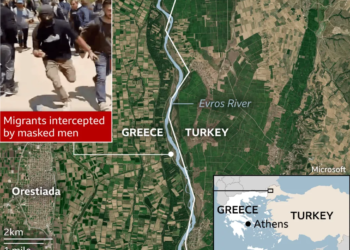 The Masked Frontier: Allegations of Greek Police Using Proxies for ‘Seismic’ Border Pushbacks
 MoD Has Lost Track of Veteran Recall List, Says Adviser
 Canadian astronaut French words ease language row
 The ‘Machli’ Manifesto: Why Indian Politicians are Trading Rallies for Fish Markets
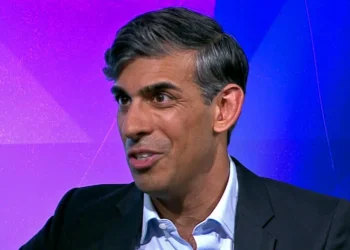 “Jobs Will Go”: Rishi Sunak Warns AI is Already Eroding Entry-Level Opportunities
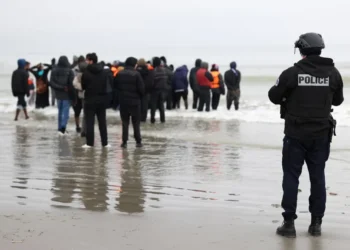 Border Breakthrough: UK and France Finalize New £662m Small Boats Deal
 NHS Safety Fears as Nurses Cover Doctor Gaps
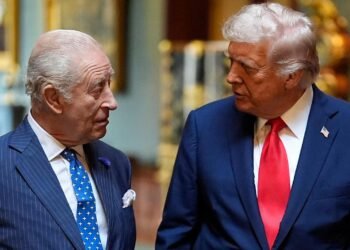 Charles Faces Trump Test in High-Stakes US Visit
 A Nation in Flux: UK Healthy Life Expectancy Plummets to Record Lows
 “Three-Wheeled Triumph”: Mayor of Erewash Completes 2,000-Mile European Charity Run
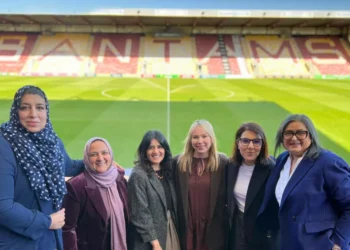 Breaking the “Glass Turnstile”: Bradford City Leads Charge for Greater Gender Diversity
 “A Pint-Sized Crisis”: Publicans Warn of Industry ‘Carnage’ as Energy and Tax Hikes Loom