Published: 30 April 2026. The English Chronicle Desk. The English Chronicle Online
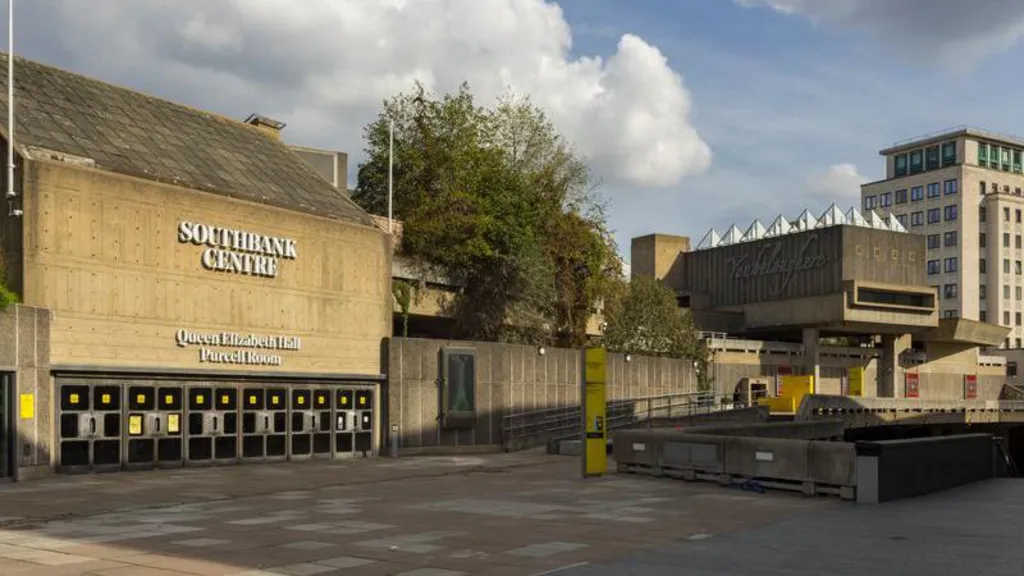
Seventy-five years ago, the South Bank was transformed from a bomb-damaged industrial wasteland into a “technicolor” beacon of post-war optimism for the 1951 Festival of Britain. Today, the Southbank Centre—Europe’s largest arts complex—has officially launched its diamond anniversary celebrations, trading nostalgic retrospection for a radical, forward-looking program that explores the next 75 years of British creativity.

While the Royal Festival Hall stands as the only permanent building remaining from the original 1951 site, the 2026 anniversary is being marked by site-wide “takeovers,” immersive technology, and a massive investment in youth culture that the Centre’s Artistic Director, Mark Ball, calls “vibrant, optimistic, and vital.”
The anniversary’s headline event, “You Are Here,” kicks off this weekend (May 3–4). Created by an “Avengers-style” team of British creatives—including Oscar-winning director Danny Boyle, designer Gareth Pugh, and director Paulette Randall—the production is described as a “kaleidoscopic journey” through 75 years of rebellion.
The Experience: Thousands of performers will spill across the entire 11-acre site, tracing the through-lines from 1950s tea dances to punk, northern soul, and modern-day grime.
Invisible Architecture: Audiences will be invited into “hidden and reimagined” spaces within the Royal Festival Hall and the Hayward Gallery, using the buildings themselves as a canvas for large-scale art installations.
The Youth Mandate: Coinciding with the launch of the Centre’s new “Under-30s” scheme, the event is heavily subsidized to ensure the “next generation of rebels” can lead the celebration.
The 2026 program isn’t just about looking back at the past; it’s about pushing the boundaries of how we experience art today.
Classical Mixtape: Earlier this year, all six resident orchestras (including the London Philharmonic and Chineke!) united for a “roam-as-you-like” experience, allowing audiences to create their own live “mixtape” across multiple stages.
Anish Kapoor’s Return: This summer, the Hayward Gallery welcomes back Anish Kapoor for a landmark immersive exhibition. It is a full-circle moment for the artist, whose first major UK show was hosted by the Hayward in 1998.
Steel Scenes: In July, the Centre will commemorate the 1951 performance of the Trinidad All-Steel Percussion Orchestra—the first time steel pans were heard live in the UK—with a “Steel Pan Weekender” featuring new commissions and mass performances.
The celebrations come at a complex time for London. With the government declaring an “antisemitism national security emergency” and police still investigating the Golders Green stabbing, security at the Southbank Centre has been significantly increased.
“Art has always been our best defense against discord,” said one Southbank curator. “In 1951, we were a tonic for a nation recovering from war. In 2026, we are a space for a nation trying to find its common ground again.”
As the King concludes his visit to Washington—where he has been highlighting the “special relationship”—the Southbank Centre’s anniversary serves as a potent reminder of Britain’s “soft power” dominance.
Podcast Revolution: In September, the Centre will host “The Rest Is Fest,” a collaboration with Goalhanger Podcasts that will bring live editions of The Rest Is History and The Rest Is Politics to the stage for the first time.
South Asian Sounds: Just today, the lineup for the “South Asian Sounds” festival was unveiled, celebrating the massive contribution of South Asian artists to British cultural life over the last seven decades.

The Southbank Centre at 75 is a far cry from the “concrete monstrosity” critics once labeled it. Through pedestrianization, the removal of the 1960s walkways, and a relentless focus on accessibility, it has become the “village square” of London. As the WW2 bomb in Plymouth reminded us this week of the era the Southbank was built to replace, the 75th anniversary is a defiant statement that, even in an age of digital fraud and high-street decline, the “communal joy” of the arts remains Britain’s most resilient asset.
Related News:
 The Hidden Hoard of 1692: Glencoe Massacre Coins to be Displayed at Folk Museum
 The Victorian aristocrat who became Britain’s first Muslim lord
 Karen Gillan Reveals What She Misses Most About Scotland’s Food and People
 BBC Apologises After Racial Slur Aired at BAFTAs by Guest With Tourette’s
 After Decades of Decline, Why Welsh Male Voice Choirs Are Back
 Rare Glimpse of Historic Bridge Thanks to Low Tide
 Locked Away: The ‘Complete Nightmare’ Facing the Blair Mayne Archive
 ‘Significant and Poignant’: Families Gather for 35th Anniversary of IRA Musgrave Bombing
 Legacy of the Landscape: Vicar’s Gift Secures Future of South West Coast Path
 A Gentle Light Extinguished: Tributes Pour in for Sister Genevieve After Fatal Newport Collision
 The Lough’s Lament: Can Fiction Spark a ‘Seismic’ Rescue for Lough Neagh?
 Dippy’s Sacred Sojourn: ‘Landmark’ Dinosaur Cast Arrives at Cathedral
 The Freedom Hub: Can a Former Women’s Jail Unlock This City’s Potential?
 Mediterranean Spirit in the Met: London’s Moroccan Jews Celebrate Mimouna
 Justice on Hold: Further Delay in Chloe Mitchell Murder Trial Sparks Local Frustration
 ‘The Last of the Greatest’: UK’s Oldest WWII Veteran Passes Away Aged 109
 ‘On Freedom’s Wings’: Final Touches for the ‘East Midlands’ Angel of the North’
 Shaken, Stirred, and Syncopated: 2026 BBC Proms Unveils Boldest Lineup Yet
 ‘The Kings of the Rave’: Carl Cox ‘Humbled’ by Towering Mural Marking Prodigy Tour
 “A Magnet for People”: Hundreds Gather as Madness Star Sings at Primrose Hill Vigil
 “An Encyclopaedia in a Shirt”: Retired IT Analyst Becomes Seventh Millionaire Jackpot Winner
 A Century of Crust: The Family Pie Firm Celebrating 100 Years of Northern Soul
 The “Golden Tone”: Horn Virtuoso Invests £8,500 in Future Prodigy’s Dreams
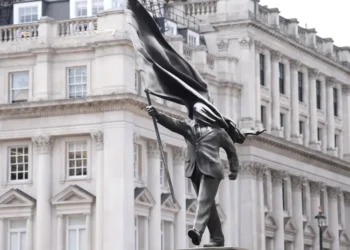 The “Invisible” Masterpiece: Banksy-Signed Statue Stuns London Commuters
 The Shadow of the Blitz: 1,200 Plymouth Homes Evacuated as “Very Large” WW2 Bomb Unearthed
 Labour Utterly Humiliated by Straight-Talking Mum Who Cut Through Keir Starmer’s Insanity
 Renters Furious as Decent Homes Standard Delayed Until 2035
 Motorists Could Face ‘Mandatory’ Driving Ban for Road Offences Under Tougher Laws
 Snow and Rain Warnings as Cold Snap Continues in the UK
 Flooding May Worsen Before It Improves as More Rain Forecast for the UK
 Dad Found in Bed with Daughter 16 Years After Abandoning Her as a Child
 ‘Don’t Make Us Security Guards,’ Says Teacher Stabbed by Pupil
 Toddlers in Finland Lead the Fight to Save Sámi Language
 ‘We Pray for Peace’: Indian Filmmaker From Troubled State Who Won a BAFTA
 Will the New SEND Reforms in England Work? You Have Your Say
 BBC Edited a Second Racial Slur Out of BAFTA Ceremony
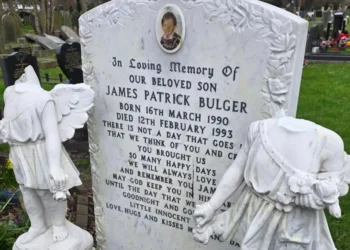 Grave of Murdered Toddler James Bulger Vandalised
 ‘I Almost Died After a Touch‑and‑Go C‑Section’
 Calls Grow to Remove Billboard Following Lyra McKee Graffiti
 Woman, 29, ‘Chucked’ Into Care Home 100 Miles Away
 Labour Faces Backlash Over Conscription Warning
 Father Dies by Suicide Weeks After Wedding in Clitheroe
 Sarah Ferguson Loses Another £1.5m Amid Financial Struggles
 Teen Wins Payout After TRNSMT Crush Horror
 Biker Suffers Fractured Spine After Hitting Pothole in Edinburgh
 ‘Heating Oil Suppliers Are Holding Us to Ransom’ as Prices and Cancellations Surge
 Second Man Arrested Over ‘Gunshot’ Death of Young Dad in Motherwell Home
 Families Tortured by Authorities During Investigations Inquiry Told
 Watchdog Probes Police Handling of Andrew Tate Abuse Claims
 The High Cost of Survival: How the 2026 Fiscal Outlook is Redefining British Life
 Safety Fears at New £200m Maternity Unit: Mums-to-Be ‘Put at Risk’
 US Lawmaker Demands Testimony Over Sarah Ferguson’s ‘Close Epstein Ties’
 The Last of the Lords: Two Hereditary Peers to Retain Ceremonial Roles Amid Historic Ousting
 Fuel Famine: How African Nations are Rationing Power and ‘Diluting’ Petrol to Survive
 ‘Eye in the Sky’ Blinded: Photos Reveal Destroyed US Radar Jet at Saudi Base
 ‘Full and Immediate Access’: Netanyahu Reverses Palm Sunday Ban on Latin Patriarch
 Four Teens Charged After Assault on Rescue Volunteer and Dog
 Woman Deported from China Over Manx Passport Mix-Up
 ‘My Hatred of Dogs is Ruining My Love Life’
 ‘The Final Word’: Kathleen Stock’s Polemic Against Assisted Dying Reshapes the UK Debate
 National Treasure: Raja Ravi Varma Masterpiece Smashes Indian Art Record with $17.9m Sale
 Heartbreak in Bournemouth: The Tragic Death of James Blanch
 Rebranded or Reclaimed? Seized Tate Assets to Fund Domestic Abuse Support
 Paws on the Wheel: Driver Facing Fine After Dog Photographed on Lap
 The Miracle of Phoenix: ‘Half Dead’ Rescue Dog Defies the Odds in Worcestershire
 The Hidden Hurdle: Breaking the Silence on Athletic Incontinence
 The Pre-School Lottery: Families Left in ‘Holding Pattern’ as Local Places Vanish
 Toxic Trail: Dog Owners Warned Over ‘Vile’ Poisoned Meat Found in Parks
 The Waiting Ward: ‘Month of Worry’ as Doctor Strikes Trigger Seismic Surgery Delays
 MoD Has Lost Track of Veteran Recall List, Says Adviser
 ‘Is Nowhere Safe?’: British Jews Describe Living Under ‘State of Siege’ as Antisemitism Hits Record Highs
 ‘A Sacred Space Shattered’: Two Found Guilty in London Church Drive-By Murder Trial
 “Jobs Will Go”: Rishi Sunak Warns AI is Already Eroding Entry-Level Opportunities
 Human Capital for AI Infrastructure: Meta Cuts 8,000 Staff to Fuel $135bn Bet
 “Three-Wheeled Triumph”: Mayor of Erewash Completes 2,000-Mile European Charity Run
 The “Cancer Commute”: Patient Warns of Breaking Point Over 40-Mile Treatment Trek
 The “Charles Charm” Offensive: Did the Royals Find Their Mojo in D.C.?
 Reality Check on Reform: Minister Says Outright Abolition of Leasehold “Impossible”
 A “Breaking Point” for Britain: Terror Adviser Warns Antisemitism is Now a National Security Emergency
 End of the “Beefeater” Era: Whitbread to Cut 3,800 Jobs in Radical Strategic Reset