
Published: 4 May 2026. The English Chronicle Desk. The English Chronicle Online
In a move designed to preempt a “national security emergency” at Britain’s departure gates, the Department for Transport has unveiled a series of temporary measures to safeguard summer holidays from the deepening global jet fuel crisis. With Brent crude touching $126 a barrel and the Strait of Hormuz effectively shuttered by the ongoing Iran war, Transport Secretary Heidi Alexander has granted airlines the power to “consolidate” their schedules—a bureaucratic term that means thousands of passengers may soon find their flights merged, moved, or rescheduled to save precious kerosene.
The announcement comes as the International Energy Agency (IEA) warned that Europe is “edging closer to physical shortages,” with some nations now relying on less than 20 days of fuel coverage.

To prevent the kind of “ghost flight” insanity seen during the pandemic, the government has suspended the “use it or lose it” rule for airport slots.
The “Consolidation” Strategy: Airlines are now encouraged to merge half-empty flights to the same destination. Instead of three planes flying to Palma on a Tuesday, carriers can now “herd” passengers onto a single, fully-laden aircraft without losing their valuable landing rights for 2027.
The “Hormuz Hook”: Because the Strait handles 40% of Europe’s jet fuel imports, the UK has been forced to pivot, rapidly increasing imports from the United States and amping up domestic refinery production to bridge the gap.
A “Necessary Evil”: While the move prevents last-minute “departure gate heartbreak,” consumer groups like Which? have warned that the rules are being “bent in favor of airlines,” leaving travelers with less choice and potentially longer layovers.
Even if your flight takes off, the “dopamine desert” of cheap travel is officially over.
The “Fuel Surcharge” Spike: Major carriers have begun implementing emergency surcharges of up to £280 per ticket to cover the 84% rise in fuel costs since hostilities began in February.
The “Postcode Lottery” of Availability: Regional hubs like London Oxford Airport are already feeling the strain, with fuel-rationing rules prioritizing long-haul “essential” services over short-haul leisure and general aviation.
The “Accountability Rot”: Shadow Transport Secretary Richard Holden has slammed the government, arguing that the UK’s exposure to these risks is proof of a failed energy security policy. “Families shouldn’t be paying the price for a decade of under-investment,” he noted.
Despite the grim statistics, the Transport Secretary insisted this morning that “the majority of people” will still get their summer break.
The “Golden Tone” of Resilience: “I am confident that people will have a similar experience to last year,” Alexander told reporters, though she urged travelers to ensure they have “appropriate travel insurance” that covers geopolitical disruption.
The “Divergent” Experience: While Ryanair and Wizz Air claim they have enough hedges to weather the storm, easyJet and TUI have already issued profit warnings, suggesting the “summer of 2026” will be a tale of two different types of airline.
As King Charles concludes his Washington visit—where energy security was a top-tier agenda item—the threat to the “Great British Summer” serves as a stark reminder of how a war thousands of miles away can ground a family in Gatwick.

The Milestone: For many, the ability of the UK to keep its planes in the air through the “Strait of Hormuz Blockade” will be the ultimate test of post-Brexit resilience.
The Road Ahead: With the King’s Speech on May 13 expected to touch on “Medical Sovereignty” and “National Security,” the aviation crisis has proven that “fuel sovereignty” is just as critical.
As the RHS Wisley wisteria blooms and the Southbank Centre celebrates 75 years of the Festival of Britain, the nation is holding its breath. We may be “staying ahead of the problems” for now, but in the 2026 “Medication Desert” and “Fuel Drought,” the only certainty is that getting away from it all has never been more expensive—or more complicated.
Related News:
 Jet2 Hands Passengers Life Ban After Mid‑Air Brawl
 Dual Nationals Face Scramble for UK Passports as New Rules Come Into Force
 Storm Hernando: Edinburgh Airport Flights Cancelled in US Travel Chaos
 Storm Hernando: Edinburgh Airport Flights Cancelled in US Travel Chaos
 UK’s New Travel System: What It Is and How Dual Nationals Are Impacted
 Islanders Advised on Travel to Middle East Amid Escalation
 UK Government’s First Repatriation Flight to Leave Middle East, More Planned
 Boy, 12, Home After Being Stranded in Middle East
 UK Wage Growth Slows as Jobs Market Holds Firm
 UK Forces Ready to Seize Russian Shadow Fleet Vessels
 The “Taiwan Exception”: China Unveils Historic Zero-Tariff Access for 53 African Nations
 UK Must Act with Courage and Clarity on Israel-Palestine Conflict, Says Foreign Affairs Committee Report
 Radioactive Leak at UK’s Nuclear Warhead Base Sparks Outcry Over Safety and Secrecy
 Mutual Inconvenience: Why Alaska Was Chosen for the Trump-Putin Summit on Ukraine
 Terence Stamp, ’60s British Film Legend and Star of Superman, Dies at 87
 Where Is Prince William and Kate Middleton’s New House? Inside the Historic Lodge Set to Become Their ‘Forever Home’
 FIFA Eyes Biennial Club World Cup from 2029, Plans Possible Expansion
 Is the UK Ready to Put Boots on the Ground in Ukraine? Assessing Military Capacity and Challenges
 Shein UK Faces Allegations of Shifting Majority of Profits to Singapore to Reduce UK Tax
 British Couple Among 16 Killed in Lisbon Funicular Tragedy
 Protests Expected as Israeli Arms Firms Join Global Defence Trade Fair in London
 Thousands Gather in London to Protest Donald Trump’s Second UK State Visit
 British AI Startup Outshines Human Forecasters in Global Prediction Contest
 Liverpool Vs outhampton Set for Carabao Cup Clash at Anfield
 A Third of EU Citizens in UK Report Discrimination by Public Bodies Post-Brexit
 Public Trust in SNP Hits Historic Low Amid NHS Concerns
 Johnson Suggests Mandelson Linked to China Spy Controversy
 Rachel Reeves signals welfare reform ahead of key budget
 Just Stop Oil Protesters Convicted Amid Climate Defence Row
 I’m a Celebrity 2025 line-up revealed: Osbourne joins
 Palace May Restore Hyphen to Andrew Mountbatten-Windsor’s Name
 Royal Navy Shadows Russian Warships Entering the Channel
 Starmer China visit raises human rights pressure on Beijing
 UK New Car Discounts Near £6,000 as Prices Are Slashed
 Starmer Weighs Fast-Tracking Defence Boost
 Snow and Rain Warnings as Cold Snap Continues in the UK
 Trump and Chagos Deal Rift Over Iran Strikes
 Bumper Ski Season but Avalanches Threaten Scotland’s Snowy Hills
 Australian PM Says Former Prince Andrew Has Suffered ‘Extraordinary Fall’ but That Won’t Prompt Republic Referendum
 Farage Chagos Islands Row Sparks Fury
 US Will Not Back Out of Tariff Deals with UK and Others, Says Trump Trade Representative
 ‘We’ve been paying for happy endings for Andrew for years’: inside the royal disgrace, biographer says
 Rolling Hills and Heritage: A Car-Free Break in Leicestershire
 Australian GP Confident Amid Travel Disruption
 Limited Flights Leave UAE But Disruption Continues Amid Iran Strikes
 Brit ‘in Good Spirits’ Amid Dubai Missile Attacks, Stranded but Safe
 Trump rebukes Starmer over Iran strikes
 Stranger ‘On Drugs’ Stabbed Saudi Student to Death in Cambridge
 Petrol Prices Soar as Retailers Accused of Gouging Amid Global Tension
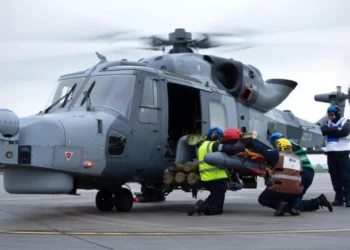 Minister Meets Crews Who Will ‘Take Out’ Iranian Drones
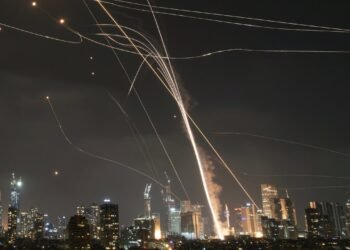 ‘We Must Finish This’: Israelis Rally Behind War Effort as Iran Strikes Tel Aviv
 UK–US Tensions Ease as Starmer and Trump Hold First Call Since Iran Row
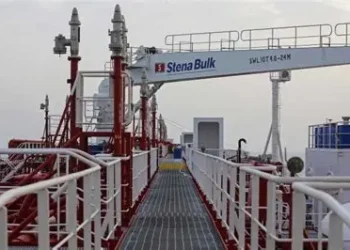 Iran War Puts Trump at Political Risk Amid Rising Prices
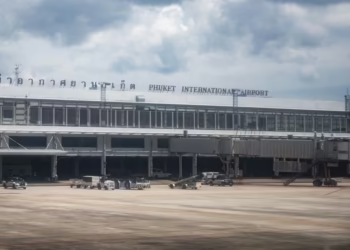 Air India Express Plane Damaged in Chaotic Landing at Phuket Airport
 Rare Glimpse of Historic Bridge Thanks to Low Tide
 Yvette Cooper: UK Must Follow Principles, Not US Pressure
 Iran War Warning: Starmer Backs Ukraine Visit
 Australia Imposes Sudden Travel Ban on Iranian Visitors
 UK Forecast to See Biggest Growth Hit from Iran War
 The High Cost of Survival: How the 2026 Fiscal Outlook is Redefining British Life
Fuel Famine: How African Nations are Rationing Power and ‘Diluting’ Petrol to Survive
The High Cost of Survival: How the 2026 Fiscal Outlook is Redefining British Life
Fuel Famine: How African Nations are Rationing Power and ‘Diluting’ Petrol to Survive
 ‘Eye in the Sky’ Blinded: Photos Reveal Destroyed US Radar Jet at Saudi Base
 Net Closes on Lyons Clan: Partner Arrested in Dubai as Crime Boss Snared in Bali
 ‘Better Off Not Planting’: UK Farmers Face 36% Fertiliser Spike as Gulf Crisis Bites
 ‘The Final Word’: Kathleen Stock’s Polemic Against Assisted Dying Reshapes the UK Debate
 The ‘Career Ceiling’: One in Five High Earners Say £100k Tax Trap is ‘Ruining’ Their Ambition
 Trump Signals US Exit From Iran as Tehran Eyes Peace
 Open Justice Prevails as Court Rejects Bondi Gunman’s Family Anonymity Bid
 The Banbridge Rescue: 300 Sheep Saved from Massive Hay Shed Inferno
 Benefits and Pensions Rise as Two-Child Cap Ends
 Paws on the Wheel: Driver Facing Fine After Dog Photographed on Lap
 ‘Unviable and Unfair’: Private Hire Drivers Warn New 2026 Rules Will Decimate Local Trade
 ‘The £100,000 Hammer’: War in Iran Forces UK Businesses to Absorb Historic Fuel Hikes
 Struggling to Survive: Millions of Iranian Jobs Lost to Conflict
 “Three-Wheeled Triumph”: Mayor of Erewash Completes 2,000-Mile European Charity Run
 The “Charles Charm” Offensive: Did the Royals Find Their Mojo in D.C.?
 The £3,000 License: Learners “Held Hostage” by Cancelled Tests and Shifting Goalposts
 “An Endurance Test for the Mind”: British Couple Sentenced to 10 Years in Tehran
 “A Medicine Desert”: Why the Battle for Basic Prescriptions is About to Intensify
 Premier League drama defines crucial weekend