Published: 12 May 2026. The English Chronicle Desk. The English Chronicle Online.
The political landscape in Westminster has reached a critical and highly sensitive turning point today. A prominent group of influential Labour lawmakers has issued a very stern and public warning. These members suggest the party needs a complete and urgent renewal of its economic strategy. They argue that the current approach merely offers voters a better managed version of decline. This bold statement comes at a time of significant personal and professional pressure for leadership. Prime Minister Keir Starmer is currently fighting hard to maintain his control over the party. He faces a growing threat from internal rivals who want a brand new political direction. The soft-left Tribune group has now published a collection of very detailed and provocative essays. These writings call for much bolder action to save the party’s remaining time in power. Former cabinet minister Louise Haigh joined forces with rising star Yuan Yang to lead this. They provided a foreword that many observers see as a direct challenge to the leader. Their message suggests that the existing economic status quo is no longer defensible for the nation. Trust in politics can only be regained if the government offers a much brighter future. The group insists that these ideas are meant for generation rather than a formal manifesto. However, the timing of the release suggests a deeper level of coordination among the critics. Recent local election defeats have created a very febrile and tense atmosphere within the ranks. Loyalists to Number Ten are now clashing with those who support various potential leadership rivals. The calls for change are growing louder as the economic reality for citizens becomes harder. Many backbenchers feel that the current fiscal path will lead to certain defeat very soon. They believe the public is exhausted by years of stagnant growth and rising living costs. This new publication serves as an open invitation to challenge every single existing policy assumption. The MPs want to build a much broader coalition for a genuine national economic renewal.
The specific proposals within the essays suggest a massive departure from the current Treasury rules. Louise Haigh has emerged as a very central figure in this growing movement for change. She previously served in the cabinet before stepping down during the early months of administration. Now she is viewed as a vital power broker for the left wing of party. Haigh suggests that the government must replace the strict fiscal rules set by Rachel Reeves. She wants a target for lower debt over ten years instead of just five years. This change would allow for much more flexible and long-term investment in public infrastructure projects. However, she remains cautious about the reaction of the volatile global bond market investors today. She suggests that this flexibility must follow a balanced budget for all daily government spending. Her ideas also include a massive overhaul of the domestic property tax system for everyone. She proposes scrapping stamp duty in favor of a much more proportional property tax model. This would be combined with a total reform of the existing and unpopular council tax. Furthermore, she argues for higher rates of capital gains tax to increase total national revenue. Perhaps her most radical idea is the total breakup of the powerful and traditional Treasury. She wants to move budget-setting powers directly into the hands of the Prime Minister’s office. The Treasury would then be transformed into a ministry focused solely on achieving economic growth. Such a move would represent the biggest shake-up of Whitehall in several decades of history. These ideas reflect a deep desire to move away from the cautiousness of the past. The authors believe that only radical structural change can solve the deep problems of Britain. They argue that the time for small adjustments and incremental shifts has long since passed.
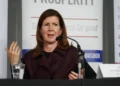
Yuan Yang has also contributed significant ideas regarding the immediate cost of living crisis today. As a member of the Treasury committee, she possesses a very deep understanding of finance. She urges the party to use the response to global conflict for domestic policy shifts. Her proposals include a brand new free minimum energy guarantee for every single British household. This model is based on a successful system currently being used within the nation of Austria. She also calls for further cuts to various green and social levies on energy bills. These measures are designed to provide immediate and tangible relief to struggling working-class families everywhere. Additionally, she suggests providing free bus fares for everyone who is under twenty-five years old. This benefit would also extend to all individuals currently receiving support through the universal credit. Yang represents a faction of the party that was once considered very loyal to Starmer. Her shift toward these bolder ideas indicates a broader trend of dissatisfaction among the youth. She notes that constituents are clearly unhappy with the current outcomes of the national economy. It is now time to dig into the structural reasons for this widespread public discontent. The group insists their work is focused on ideas rather than attacking specific individual people. Yet, the political reality of their message is impossible for the leadership to ignore now. More than seventy Labour lawmakers have now called for a clear exit timetable for Starmer. This group includes Yang herself and many other prominent figures from the recent election intake. The pressure is mounting as the party prepares for a series of make-or-break speeches.
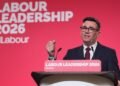
The Prime Minister has vowed to prove his many doubters wrong during his next speech. He remains determined to show that his leadership can still deliver the necessary economic results. However, the names of potential successors are already being discussed openly in the corridors of power. Health Secretary Wes Streeting is widely believed to be preparing for a potential leadership challenge. Many see him as a candidate who could bridge the gap between different party factions. Meanwhile, Andy Burnham continues to loom large as a very popular figure in the north. The Mayor of Greater Manchester is reportedly looking for a way back into the Parliament. His supporters believe he offers the charismatic and bold leadership that the country currently craves. The recent essay collection was published in a journal overseen by the thinktank called Compass. This group is led by Neal Lawson, who is known as a prominent Burnham supporter. The connection between these different groups suggests a very sophisticated and organized effort for change. While the Tribune group claims their timing was unplanned, many observers remain very skeptical today. The internal battle for the soul of the Labour Party is now fully out in the open. Voters are watching closely to see if the party can unite behind a single vision. The coming weeks will likely decide the future of the government and the Prime Minister. If the leadership cannot offer a convincing plan, the calls for resignation will only grow. The demand for an economic strategy that goes beyond managing decline is now very loud. Britain stands at a crossroads, and the governing party must choose its path very carefully. Every decision made now will have a lasting impact on the future of the nation. The political stakes have truly never been higher for Keir Starmer and his entire team.
Related News:
 Tories Push to Dilute Labour’s Workers’ Rights Bill
 Trump’s UK Ambassador Urges North Sea Drilling to Strengthen US Ties
 Rachel Reeves Set to Break Labour Pledge and Raise Income Tax
 Thinktanks Urge Rachel Reeves to Reform UK Tax System
 Company linked to Michelle Mone owes £39m in tax
MPs Press Rachel Reeves to Hike Gambling Taxes
Company linked to Michelle Mone owes £39m in tax
MPs Press Rachel Reeves to Hike Gambling Taxes
 Cuts to home insulation funding threaten UK climate goals
 Millionaires group urge Reeves to introduce wealth tax to ‘lift kids out of poverty’
 PM Highlights UK Business at G20 in South Africa
 English Mayors Set to Introduce Tourist Taxes
 Starmer Says Labour’s Economic Plan Needs Years to Deliver
BBC bosses ‘right to stick by their guns’ against Trump, says minister
Starmer Says Labour’s Economic Plan Needs Years to Deliver
BBC bosses ‘right to stick by their guns’ against Trump, says minister
 China Dependence Threatens UK Energy Supply Chains and Jobs
 MPs warn AI financial risks threaten UK stability
 MPs warn AI financial risks threaten UK stability
 UK Government Borrowing Drops to £11.6bn in December
 Labour Must Revive High Streets to Avoid Election Collapse
 Barclays drops Global Counsel after Mandelson link scrutiny
 Unsustainable gaps in franchise policing, MPs warn
 UK shelves £110m border project amid trade strain
 UK Sees Record £30.4bn Budget Surplus, Boosting Reeves’ Position
 Ministers Urged to Ban Crypto Political Donations
 Reeves Must Back Defence Plan or Face Dismissal, Says Unite Chief
 OBR Reform Row Deepens Before Spring Forecast
 UK Doubles Steel Tariffs to 50% to Protect Domestic Plants
 Starmer Adviser Urges New Profit Cap on Energy Firms
 Fuel Duty Relief Plea Amid Middle East Oil Crisis
 OpenAI Halts Stargate UK Project Amid Energy Crisis
 Reform UK funding: mystery billionaire revealed
 BBC News Faces Deep Cuts in 2,000 Job Plan
 Silent Tracks: Rail Line Without Passengers
 Labour Factions Propose Bold Tax Cuts Amid Leadership Storm
 Thames Water Rescue Package Hit by Downing Street Chaos
 UK Pushes for New EU Goods Trade Deal
 Reeves Fights to Keep Treasury Role Amid Labour Turmoil
 UK Urged to Build EU Rejoin Consensus, Says Miliband
 UK Supply Chains Face Major Risks From Global Instability
 Hospitality Traders to Exploit Summer VAT Cut Loophole
 Andy Burnham Enlists Economic Heavyweights for Leadership Bid
 Great Britain Faces £90bn Electricity Grid Rewire Bill
 Burnham Promises Relief on Cost of Living Crisis
 Burnham unveils £65m drought aid for farmers
 Kemi Badenoch Unveils ‘Golden Rule’ to Halve Spending Cuts for Deficit Reduction at Tory Conference
 Reeves Faces Setback as Labour May Miss Homes Target
M&S Profits More Than Halve After Cyber-Attack
Reeves Faces Setback as Labour May Miss Homes Target
M&S Profits More Than Halve After Cyber-Attack
 Reeves rejects £1bn plea for NHS redundancy payouts
 PM Condemns Leaks, Vows Loyalty to Ministers and Stability
 Starmer Faces Parliamentary Battles Over UK-EU ‘Reset’ Plan
 ScottishPower Tops List of Worst UK Energy Suppliers
 Trump Fed bid heads to Supreme Court
 Artificial intelligence will cost jobs, admits Liz Kendall
 Mandelson Faces Police Inquiry Over Epstein Leak
 Morgan McSweeney downfall shocks Labour leadership
 UK Unemployment Rate Climbs to 5.2% Peak
 Farage Unveils Reform UK Frontbench Team
 Wales Approves Assisted Dying Bill Consent
 Corbyn Leads Your Party in Coordinated Left-Flank Strategy
 Asylum Seekers to Work After Year-Long Wait
 Starmer Row as Greens Demand Apology
 Gordon Brown urges court for crimes against children
 Inquiry into HMRC child benefit errors launched by NAO
 Farage Faces Backlash Over Crypto Cameo Endorsements
 Rising Costs Force Families to Rethink Days Out
 Relationship with Trump may be beyond repair, Starmer warned
 Unions Raise Concerns Over Doctors’ Pay Dispute
 UK Government Poised to Revive Stalled Hillsborough Law
 UK Staycations Rise as Travel Fears Grow
 Welsh Labour Faces Potential Historic Election Defeat
 Major test for Labour as polls open in Great Britain
 UK Firms Freeze Spending as Iran Conflict Bites
 Reeves to Fast-Track Clean Energy Amid Iran Crisis
 Secret Role of UK Security Services in Troubles Amnesty Law
 Tube Strike Brings Capital to a Standstill Over Shift Disputes
 BP Stands Firm on Amanda Blanc Amid Boardroom Storm
 UK House Prices Drop For Third Month Due To War Fears
 The Hidden Crisis Eroding Trust in British Communities
 Deepfake Abuse on X Sparks Safety Concerns for Dissidents
 Sainsbury’s Boss Optimistic As Grocery Inflation Eases
 Farage Warns Sky News Following Financial Inquiry
 Ann Widdecombe, Formidable Political Figure, Dies at 78