Published: 19 May 2026. The English Chronicle Desk. The English Chronicle Online.
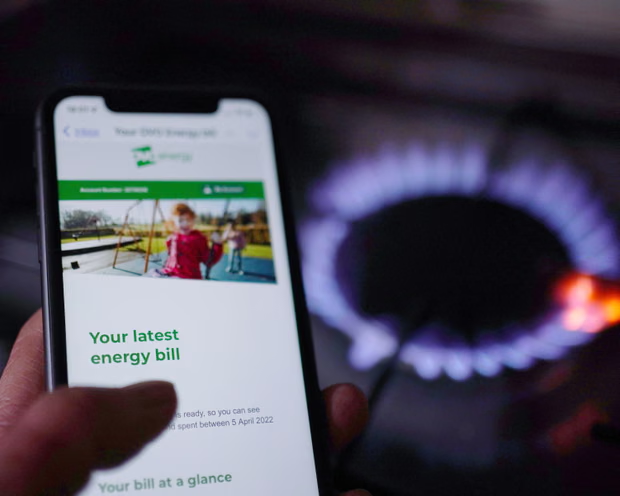
British households are facing another severe financial blow as summer approaches this year. Energy bills across Great Britain could surge by more than two hundred pounds soon. This looming increase represents a devastating setback for millions of struggling families nationwide. The ongoing cost of living crisis already stretches household budgets to their absolute limit.
A typical domestic gas and electricity bill is now forecast to spiral upward. Annual costs could reach a staggering eighteen hundred and fifty pounds this July. This worrying projection comes from the respected independent energy consultancy firm Cornwall Insight. Their latest detailed analysis examines the upcoming quarterly price cap from the regulator. Ofgem establishes this legal limit to protect consumers from unfair energy pricing practices.
The expected summer increase represents a massive rise of nearly thirteen per cent. This jump compares directly to the current cap set for April through June. That previous cap limited typical household energy bills to sixteen hundred and forty pounds. The new forecast effectively adds two hundred and nine pounds to yearly bills. This sudden escalation follows dramatic developments in international affairs earlier during this year. A major war involving Iran caused British gas market prices to double rapidly. The conflict triggered immediate panic across global financial and commodity trading markets everywhere. The primary driver for this upcoming domestic bill increase is wholesale energy prices. Cornwall Insight confirmed that wholesale markets experienced severe pressure during recent months. Trading prices climbed sharply and steadily throughout both February and March this year.
The geopolitical crisis deepened significantly when Tehran blocked crucial maritime shipping routes entirely. Iran effectively cut off vital Gulf energy supplies to the global economy. This drastic action involved shutting down the strategically critical Strait of Hormuz completely. The blockade came as a direct response to foreign military actions nearby. US-Israeli strikes on Iranian targets had escalated tensions across the entire region.
Ofgem determines the maximum domestic price for every single unit of energy. The regulator calculates these limits based on the actual costs of supply. This complex methodology includes tracking average wholesale market costs over several months prior. Therefore, the turbulent trading conditions of spring directly dictate our upcoming summer bills.
A temporary ceasefire eventually allowed global markets to retreat from their historic highs. Those terrifying record peaks were observed by anxious market analysts during mid-March. At that peak moment, Cornwall estimated the cap could hit two thousand pounds. Although the market softened slightly, prices still remain much higher than historical norms. This sustained high pricing deals a heavy blow to vulnerable British households.
Families are already desperately contending with the rising cost of everyday essentials. Local council tax rates have increased significantly for residents across the country. Water companies have also raised their tariffs, placing further strain on weekly budgets. Weekly supermarket shopping trips continue to demand more money from hard-pressed consumers.
Although the summer energy cap rise will be painful, winter looks worse. The bigger concern for experts is the subsequent price cap update in October. That chilly autumn period is when households naturally start using much more heating. Increased seasonal consumption combined with high rates creates a recipe for financial disaster.
The specialized consultancy firm delivered a very bleak assessment of the future. Even if the war in Iran ended tomorrow, prices would remain high. The physical damage to energy infrastructure requires extensive and costly repairs over time. Furthermore, the lingering effects of severely disrupted supply chains will persist for months. Consequently, a return to the lower April price cap levels looks highly unlikely.
Craig Lowrey serves as the principal consultant at the Cornwall Insight group. He stated that a prolonged high price cap demands urgent government intervention. If the cap stays at this elevated level, ministers must act decisively. The government will need to think seriously about providing targeted financial support. This assistance must specifically protect the most vulnerable members of our society.
Lowrey also emphasized that building renewable energy capacity is our only viable path. Transitioning to green power ensures bills are not exposed to distant global events. Geopolitical conflicts thousands of miles away should not dictate British domestic heating costs. Developing independent infrastructure will not be cheap or provide immediate financial relief. However, this is the necessary direction of travel for genuine long-term stability.
Prominent social justice and environmental campaigners have expressed deep anger over these forecasts. Danny Gross works as a dedicated energy campaigner at Friends of the Earth. He described the projected rise as a literal kick in the teeth. Millions of people are already facing impossible choices between heating and eating.
Gross argued that breaking free from fossil fuel dependence is now entirely mandatory. The United Kingdom must rapidly roll out clean, homegrown renewable energy systems. Modern green technology is now significantly cheaper than volatile oil and imported gas. The government must combine this energy transition with massive home insulation programs. Taking these steps can permanently lower household bills and protect citizens from crises.
In the short term, consumer champions urge immediate action from worried households. Popular switching websites are actively advising people to look at fixed-rate deals. A number of fixed tariffs currently undercut the predicted July price cap. Independent comparison service uSwitch reported several competitive options are currently available online. Securing a fixed deal could save households significant money on summer bills.
Furthermore, a fixed tariff might protect consumers from even worse winter hikes. If global markets remain volatile, a fixed rate provides welcome financial certainty. Consumers must carefully calculate their options before committing to long-term contracts, however. Breaking a fixed deal early often incurs expensive exit fees from suppliers.
The British public now faces a tense wait for Ofgem’s official announcement. The regulator will formally confirm the exact July price cap level quite soon. Meanwhile, charities are bracing for a massive surge in demand for advice. Debt advice helplines expect to hear from thousands of terrified callers weekly.
The government is facing intense political pressure to formulate an emergency response. Opposition politicians are demanding enhanced welfare support and expanded energy rebate schemes. Ministers insist they are monitoring the volatile situation in the Middle East closely. However, tangible plans to subsidize soaring household bills remain unconfirmed at present.
The intersection of international warfare and domestic hardship highlights a systemic vulnerability. Britain remains deeply tethered to international fossil fuel markets for its security. Until that fundamental relationship changes, household budgets remain at the mercy of conflict. For now, millions of citizens must prepare for a very expensive summer.
Related News:
 Reeves Faces Setback as Labour May Miss Homes Target
 Trump’s UK Ambassador Urges North Sea Drilling to Strengthen US Ties
 ABF May Split Primark from Food Division Amid Tough Market
 M&S Profits More Than Halve After Cyber-Attack
 Tony Blair think tank warns Rachel Reeves must cut taxes if manifesto broken
 Oprah enjoys Meghan’s jam on English muffins
 Millionaires group urge Reeves to introduce wealth tax to ‘lift kids out of poverty’
 UK toy market enjoys bumper year as ‘kidults’ fuel demand
 Global markets drop amid tech sell-off and China slowdown
 PM Highlights UK Business at G20 in South Africa
 Mossmorran Plant Closure Hits Cowdenbeath Hard
 UK Taskforce Unveils Plan to Streamline Nuclear Reactor Rules
 Steel billionaire Lakshmi Mittal reportedly leaves UK
 Starmer Says Labour’s Economic Plan Needs Years to Deliver
 Virgin Media Fined £23.8m Over Telecare Safety Failures
 Rising Water Bills Lift Troubled Thames Back to Profit
 Sainsbury’s CEO leads business honours in New Year list
 Starmer Faces Parliamentary Battles Over UK-EU ‘Reset’ Plan
 Phoenixism Costs UK Taxpayers Millions in Recruitment Sector
 ScottishPower Tops List of Worst UK Energy Suppliers
 City & Guilds pay surge sparks backlash amid £22m cuts
 UK Government Borrowing Drops to £11.6bn in December
 AI job losses UK: Britain faces sharper employment shock
 Most young adults in UK fear uncertain jobs and economic future
 Royal Mail delivery delays affect 16 million during Christmas
 UK Housing Market Shows Early Recovery Signs
 UK economy struggles as growth stalls at 0.1% in late 2025
 Bank of England Urged to Cut Rates to Spur Growth
 UK Unemployment Rate Climbs to 5.2% Peak
 UK shelves £110m border project amid trade strain
 UK Inflation Surprise Sparks Early Rate Cut Hopes
 Progress on gender equality at top UK firms ‘achingly slow’
 Reeves Must Back Defence Plan or Face Dismissal, Says Unite Chief
 Switching Energy Deal Can Save £200 as Price Cap Falls
 OBR Reform Row Deepens Before Spring Forecast
 UK Hotel Data Sharing Probe Shakes Global Chains
 Rachel Reeves Faces Middle East Conflict Test
 Grocery Inflation Rises Amid War Fears
 Peak Greggs fears as profits tumble sharply
 BrewDog sold Highland estate for knockdown price after abandoning reforestation plans
 Yorkshire Water Funding Sparks Debate Amid Fines and Pay Row
 New £10bn rescue plan offered for Thames Water
 UK Energy Reform Could Cut Bills by £200
 Rising Costs Force Families to Rethink Days Out
 Hospitality Sector Teeters on Brink as Costs Surge
 Iceland Boss Offers Role to Sacked Waitrose Employee
 Student Loan Interest May Rise Despite 6% Cap
 Aegon Sells Historic UK Arm to Standard Life for £2bn
 Major Housebuilder Cuts Land Buying Amid Global Unrest
 UK Staycations Rise as Travel Fears Grow
 City & Guilds Sale Sparks Fees and Pay Uproar
 Silent Tracks: Rail Line Without Passengers
 Heathrow Chair Seeks Peace to Save Third Runway
Carillion Executives Banned After Reckless Misconduct
Heathrow Chair Seeks Peace to Save Third Runway
Carillion Executives Banned After Reckless Misconduct
 Lotus Boss Pledges Future to Norfolk and Seeks State Support
 Millionaires Back Higher Taxes to Save UK Public Services
 UK Firms Freeze Spending as Iran Conflict Bites
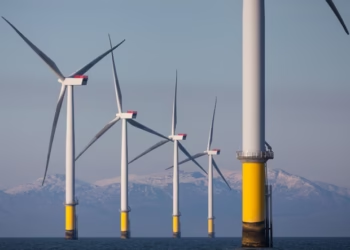 Reeves to Fast-Track Clean Energy Amid Iran Crisis
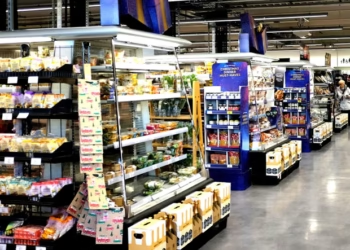 M&S Boss Slates Food Price Caps as ‘Preposterous’
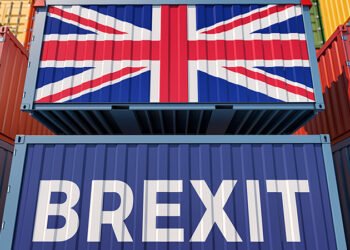 UK Pushes for New EU Goods Trade Deal
 UK Urged to Build EU Rejoin Consensus, Says Miliband
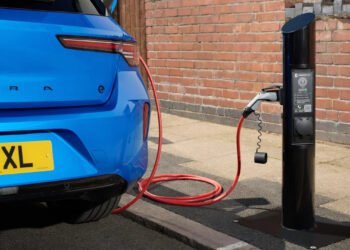 UK rejects EV charging VAT cut amid Treasury clash
 Tube Strike Brings Capital to a Standstill Over Shift Disputes
 BP Stands Firm on Amanda Blanc Amid Boardroom Storm
 Steel Tensions Rise Between United Kingdom and European Union
 UK House Prices Drop For Third Month Due To War Fears
 Top Chefs Back Andy Burnham to Save UK Hospitality Sector
 UK Steel Crisis: Jingye Demands Payout After Takeover
 Flutter to Cancel London Stock Exchange Share Listing
 AI Scams Push UK Investment Fraud Past £220m
 Whitehall Steps In: The Battle Over Thames Water Deepens
 Thames Water Nationalisation Pushes Closer After Rescue Objected
 John Lewis Invests £20m in Glasgow Store Upgrade
 Andy Burnham Enlists Economic Heavyweights for Leadership Bid
 Tories Clinch Shock Victory in Aberdeen South Byelection
 Rethinking the Blueprint for Youth Employment in Britain
 Sainsbury’s Boss Optimistic As Grocery Inflation Eases
 UK Households Suffer Squeeze As Disposable Incomes Drop
 Bank of England Eases Rules Despite Rising AI Risks
 BBC Faces Real Jeopardy as Licence Fee Income Declines