Published: 12 June 2026. The English Chronicle Desk. The English Chronicle Online.
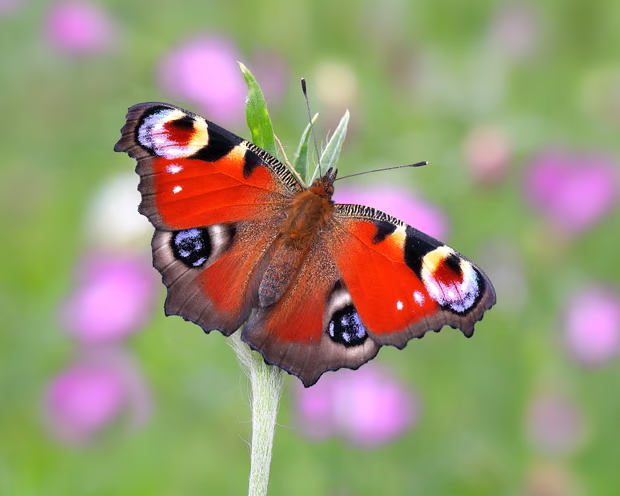
The British public has officially spoken to crown their most cherished flying insect. A familiar resident of our sunlit gardens has secured the top position today. The magnificent peacock butterfly has proudly claimed the ultimate title across the British Isles. This vibrant species won a massive nationwide poll organised by the Butterfly Conservation.
More than twenty thousand passionate nature lovers cast their votes in this competition. The triumphant winner managed to beat fifty-nine other unique native species this week. Our collective affection for this insect highlights a deep connection to local garden wildlife. People evidently adore the colourful creatures that they see outside their windows daily.
The stunning peacock butterfly is both completely ubiquitous and breathtakingly spectacular to observe closely. Its wings boast an exquisite combination of lavender, yellow, and deep maroon eye spots. These striking patterns are set against a rich backdrop of rusty red hues. Black borders frame the wings to create a truly dramatic look in flight. This resilient insect gracefully flies through the changing British spring, summer, and autumn seasons. It remains a comforting and familiar sight in almost every corner of Britain.
The definitive results of this extensive national poll revealed some very fascinating insights. The vibrant orange-tip butterfly successfully soared high to secure a wonderful second place finish. Meanwhile, the bold and beautiful red admiral claimed a very respectable third position overall. The delicate holly blue and the radiant sulphur-yellow brimstone completed the top five choices. All of these high-ranking insects share a common trait of being highly visible. They are widely seen in suburban gardens, urban parks, and countryside spaces nationwide.
In contrast, more elusive and highly endangered species fared much worse in voting. The majestic swallowtail is currently recognized as the largest butterfly species in Britain. This exotic-looking creature finished in a somewhat disappointing ninth place in the poll. Its low ranking likely stems from its extremely limited geographic distribution within Britain. Most people can only catch a glimpse of it within the Norfolk Broads.
The highly charismatic and iridescent purple emperor also suffered a surprisingly low finish. This magnificent insect is deeply adored by a vibrant subculture of dedicated wildlife enthusiasts. Yet it only managed to achieve an unexpectedly lowly fifteenth position in voting. British voters generally chose to eschew some of the rarest and showiest lepidoptera. Instead, they focused their attention on the comforting species they observe more regularly.
Moth-like skippers and less colourful butterflies unfortunately received very little support from voters. The bottom ten positions were entirely filled by less vibrant woodland and grassland insects. These species mostly feature grey, brown, golden-brown, or completely black-winged patterns on them. They lack the immediate visual punch that makes the peacock so incredibly memorable.
Kate Merry serves as the dedicated head of engagement at the charity. She expressed immense delight at the incredible public response to this wonderful poll. She noted that the massive turnout shows how deeply British people love butterflies. Citizens voted in their thousands to support the insects they cherish the most. Merry believes the peacock is an entirely worthy winner for the nation today. She described the creature as a true showstopper that people naturally picture first. Seeing the public get so deeply passionate about wildlife was truly special indeed.
The charity is now looking forward to the upcoming Big Butterfly Count event. This annual project allows citizens to contribute directly to vital conservation science work. The peacock is currently a major frontrunner to be the most sighted insect. Enthusiasts are already reporting vast numbers of its caterpillars on stinging nettle patches. This massive population should lead to a spectacular emergence of butterflies in July.
The famous count is currently celebrated as the largest butterfly survey on Earth. Participants simply spend fifteen minutes counting insects in any outdoor space they choose. They can easily submit their valuable sightings via a free smartphone application online. This massive citizen science project is officially scheduled to start on seventeenth July.
Another beautiful butterfly expected to appear in huge numbers is the painted lady. This resilient creature managed to finish in tenth place in the national poll. It is a legendary long-distance migrant that travels all the way from Africa. Countless individuals have arrived on British shores in recent weeks to breed here. Their hungry caterpillars are currently set to devour thousands of wild thistles soon. This intense feeding frenzy will eventually pave the way for a new generation.
The final top ten list features several other beloved British wildlife staples. The uniquely shaped comma butterfly secured a solid sixth place finish this year. The lovely common blue followed closely behind to claim the seventh spot proudly. Small tortoiseshells also made an appearance by capturing the eighth position on the list. These results clearly demonstrate our enduring love for classic British garden visitors today.
Conversely, the bottom of the table tells a rather melancholic story indeed. The grayling butterfly found itself sitting at a very lowly fifty-first position overall. The scarce Lulworth skipper and the white-letter hairstreak did not perform well either. Larger skipper variations and the Essex skipper also languished near the very bottom. The large heath and the rare chequered skipper failed to attract votes too. The black hairstreak and the silver-spotted skipper received very minimal public backing.
Finally, the small pearl-bordered fritillary unfortunately finished in the absolute last position. This specific ranking highlights how easily overlooked our rarer woodland species can be. Many of these struggling insects require urgent conservation efforts to survive long term. The Butterfly Conservation hopes this poll raises vital awareness for all British species. Raising awareness is the first major step toward protecting these fragile ecosystems effectively.
British gardens would certainly feel incredibly empty without these flashes of bright colour. The peacock butterfly perfectly embodies the wild spirit of the British summer season. Its victory is a joyful celebration of the nature thriving right outside. We must continue to protect these habitats for future generations to enjoy fully. As summer approaches, millions of eyes will be watching the sunny skies closely. Everyone will be eagerly waiting for the nation’s favourite butterfly to take flight.
Related News:
 British Woman in Iran ‘Losing Hope’ Amid Ongoing Detention
 BBC Journalist Held and Interrogated in Vietnam
 The diet that can significantly ease symptoms of IBS
 Trump Speaks on Prince Andrew’s Royal Scandal Fallout
 Pregnant UK Teen to Be Freed from Georgian Jail
 Zohran Mamdani becomes New York City’s first Muslim mayor
 Top Christmas Books Reads: Classics to Cozy Romcoms
 UPS Cargo Plane Crash in Kentucky Kills Seven
 Just Stop Oil Protesters Convicted Amid Climate Defence Row
Zohran Mamdani names all-female transition team for NYC mayoralty
Just Stop Oil Protesters Convicted Amid Climate Defence Row
Zohran Mamdani names all-female transition team for NYC mayoralty
 Tension and Turmoil at Aston Villa v Maccabi Match
 British Grandmother to Return Home After Death Sentence in Bali
 Parents Urge Home Office to Reunite Daughter After Hurricane
 Lando Norris Dominates Brazil GP to Strengthen F1 Title Bid
 Second world war veterans honoured as King leads Remembrance Sunday
 BBC director-general and news chief resign amid bias row
 Palace May Restore Hyphen to Andrew Mountbatten-Windsor’s Name
 Ronaldo Confirms Final World Cup and Plans Retirement
 Rama Rebukes Mahmood for Targeting Albanian Families
 Russian Vessel Used Lasers on RAF Pilots, UK Claims
 Royal Navy Shadows Russian Warships Entering the Channel
 Ireland Boosts Ukraine Aid as Zelensky Visits Dublin
 US Africa aid remarks spark anger after leaked State email
 Starmer China visit raises human rights pressure on Beijing
 UK and EU Signal Fresh Push for Defence Cooperation Talks
 UK New Car Discounts Near £6,000 as Prices Are Slashed
 Cory Bernardi joins One Nation for SA election
 Starmer Condemns ‘Depraved’ Russian Strikes on Ukraine
 Sydney Protest Pepper Spray Clash During Herzog Visit
 Mexico Challenges UK Asylum Decision
 Trump Warns Over Chagos Islands Deal
 NSW Mental Health Crisis: Escapes Spark Alarm
 Trump and Chagos Deal Rift Over Iran Strikes
 Andrew Mountbatten-Windsor Arrest After FBI Radar
 Farage Chagos Islands Row Sparks Fury
 Trump Tariffs Threat Spark UK and EU Alarm
 Mediterranean Storms: A New Era of Climate Tragedies
 UK Allows US Base Use Amid Iran Tensions
 Middle East evacuation plans for Britons
 Iranian Australian community divided after vigils
 Trump rebukes Starmer over Iran strikes
 Trump Rebukes Starmer Over Iran Strikes Row
 US Iran strikes strain special relationship
 Iran War Threatens Globalisation and UK Economy
 Gulf shipping crisis sparks food price fears
 UK Rescue Flight Delayed Amid Middle East War
 UK Rescue Flight Leaves Oman After Delay Amid Evacuation Effort
 UK Prepares Aircraft Carrier for Middle East Crisis
 Gordon Brown urges court for crimes against children
 Yvette Cooper: UK Must Follow Principles, Not US Pressure
 Iran War Warning: Starmer Backs Ukraine Visit
 UK Wage Growth Slows as Jobs Market Holds Firm
 UK Minister Denies Iran Missile Threat to Britain
 Australia Imposes Sudden Travel Ban on Iranian Visitors
 Middle East Conflict to Hit UK Economy Hardest
 Army Probes Apache Flyover at Kid Rock’s Nashville Estate
 Relationship with Trump may be beyond repair, Starmer warned
 ICE Detains Soldier’s Bride Days After Louisiana Wedding
 Zelenskyy Warns US Trust in Putin Risks Middle East Safety
 Charles Faces Trump Test in High-Stakes US Visit
 UK Stands Firm on Falklands Amid US Rift
 Premier League drama defines crucial weekend
 Ceasefire Standoff Deepens in Ukraine War
 Koh-i-noor Diamond Row Reignites Colonial Debate
 RFU Backs Borthwick Despite England’s Poor Six Nations
 Starmer Faces Revolt After Crushing Election Losses
 Fear and Betrayal: The Chilling Case of Kouri Richins
 Tragedy in the Maldives: Inside the Deep Sea Rescue
 US Ebola Case Sparks Urgent Global Screening Measures
 UK Pushes for New EU Goods Trade Deal
 Reeves Fights to Keep Treasury Role Amid Labour Turmoil
 Farage and Reform UK Reshape British Politics
 Starmer Leadership Under Pressure After Setbacks
 Deadly Russian Air Raids Strike Across Ukraine
 Russian Frigate Fires Warning Shots Near British Yacht
 UK Government Cancels Higher Education Programme for Women and Girls
 New South Wales Premier Chris Minns Signals Tough Road Ahead for Labor
 Violent London Clash After World Cup Semi-Final Match
 Labour MPs Urge Burnham to Revive UK Aid Target
 UK’s Largest Muslim Convention Scales Up Security Amid Rising Bigotry