Published: 15 June 2026. The English Chronicle Desk. The English Chronicle Online.
The Court of Appeal has delivered a monumental verdict regarding national security legislation. This decisive judgment completely overturns a previous ruling issued by the High Court. That lower court had previously deemed the government ban on Palestine Action unlawful. Five senior judges meticulously reviewed the extensive legal arguments presented during this appeal. Their final conclusion marks a significant victory for the current Home Office administration. The original proscription of this direct action group was deemed entirely valid. This particular organisation represents the first group banned under specific modern counter-terrorism powers.
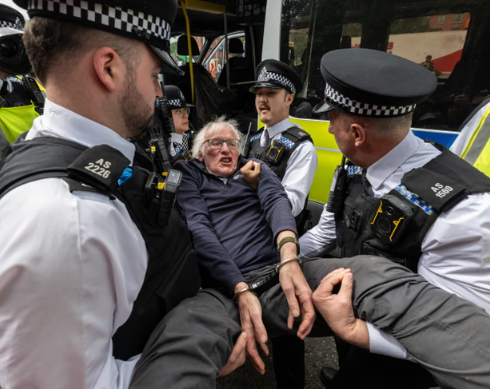
Government officials have expressed immense relief following the announcement of this judicial decision. The initial decision to proscribe the activist network had sparked intense political debate. Widespread condemnation followed the enforcement of these stringent anti-terrorism measures across the country. Activists immediately initiated a massive civil disobedience campaign to protest the official ban. This sustained public resistance resulted in the arrest of over three thousand individuals. Peaceful demonstrators and radical activists alike faced severe legal consequences during these protests. The atmosphere surrounding British courts remained highly charged throughout this lengthy legal process.
Legal consequences for supporting the activist group remain exceptionally severe under current legislation. Since July of last year, maintaining active membership has constituted a criminal offence. Individuals found guilty of supporting the network face up to fourteen years imprisonment. The state has actively prosecuted citizens who publicly display allegiance to the group. A significant majority of recent arrests involved individuals holding specific protest placards. These signs expressed opposition to genocide alongside explicit support for Palestine Action. The widespread public demonstrations were heavily coordinated by the advocacy group Defend Our Juries.
The judicial panel responsible for this landmark decision featured the highest legal authorities. Lady Chief Justice Sue Carr led the prestigious five-strong cohort of senior judges. Master of the Rolls Geoffrey Vos also contributed his significant expertise to this case. Their joint ruling emphasized the legal boundaries of state power regarding national security. The judges focused heavily on interpreting statutory definitions within the Terrorism Act itself. They ultimately determined that the Home Secretary acted well within appropriate legal limits. This judgment effectively reinstates the full statutory prohibition against the activist network.
Public reaction to the appellate court decision has been deeply divided across Britain. Human rights organisations argue that this ruling severely restricts legitimate political expression. They claim that traditional rights to peaceful protest are being systematically eroded here. Conversely, legal representatives for the government argued that public safety required intervention. They maintained that the group crossed the line from protest into criminal disruption. The appeals court ultimately favored the strict state interpretation of these security laws. This decision establishes a powerful legal precedent for future political activist groups.
The operational history of Palestine Action involves numerous high-profile direct action campaigns. Members frequently targeted multinational defense corporations operating manufacturing facilities inside the United Kingdom. These activists routinely occupied factory roofs to disrupt the production of military hardware. They argued their disruptive actions were necessary to prevent international human rights abuses. Such high-profile incidents caused significant financial damage to major aerospace and defense firms. These escalating tactics eventually prompted the government to consider formal proscription measures. The Home Office argued that these repeated disruptions constituted acts of political terrorism.
The High Court had previously agreed with activists during the legal challenge last February. That initial ruling suggested the government had overstepped its legal authority during proscription. It argued that political dissent should not be classified under counter-terrorism definitions. That lower court decision briefly re-opened the door for legal public campaigning. However, government lawyers immediately lodged an appeal to reverse that controversial judicial finding. The higher court has now firmly shut that door after thorough review. This new ruling solidifies the state power to ban disruptive political groups.
Police forces across the United Kingdom are now preparing for continued operational enforcement. Authorities will maintain a strict zero-tolerance approach toward any public displays of support. Wearing specific badges or carrying banned banners will result in immediate police detention. Legal experts suggest this ruling will deter future large-scale public demonstrations for now. However, dedicated core members of the movement vow to continue their campaign underground. They argue that moral obligations supersede the rulings of the British judicial system. This ongoing ideological conflict seems destined to challenge British policing for years.
The broader implications for British civil liberties remain a subject of intense scrutiny. Academics suggest the ruling creates a chilling effect on alternative political movements. Future environmental and social justice groups might face similar state proscription methods now. The legal definition of terrorism appears wider following this significant appellate court judgment. Defense lawyers are currently exploring potential avenues for an appeal to the Supreme Court. Such a move would require permission from the justices to proceed further. For now, the stringent ban remains fully enforceable across the entire nation.
The political atmosphere inside Westminster has shifted noticeably following this conclusive judicial announcement. Conservative politicians have welcomed the decision as a triumph for public law and order. They argue that businesses must be protected from malicious ideological property damage campaigns. Meanwhile, some progressive politicians express deep concern over the expanding definitions of terrorism. They fear that legitimate political expression is being criminalised by the state apparatus. This judicial victory provides the current government with substantial leverage in future debates. The fine balance between liberty and security remains a central political issue.
The legal arguments focused heavily on the precise wording of the Terrorism Act. Government prosecutors successfully demonstrated that the group planned systematic property damage campaigns. They argued that such coordinated economic disruption falls within the scope of terrorism. The defense maintained that the group lacked any intent to harm human lives. They insisted that damaging factory machinery does not constitute a traditional terrorist threat. The Court of Appeal rejected this narrow interpretation during their final deliberations. They ruled that significant economic warfare can indeed justify a formal group proscription.
This historic case will undoubtedly influence British jurisprudence for several generations to come. It clarifies the extensive reach of executive power when tackling unconventional political movements. The decision reinforces the authority of the Home Secretary during national security crises. It also signals a more conservative approach from the highest British appellate courts. Activists must now navigate a significantly more hazardous legal landscape going forward here. The English Chronicle will continue to monitor all subsequent developments regarding this matter. For now, the controversial ban stands as a fully lawful exercise of power.
Related News:
 It’s time to come clean on the China spy case
 Five More Prisoners Freed by Mistake in Essex Week
 Nearly 48,000 Zombie Knives Removed from UK Streets in a Year
 Afghan man charged with murder after west London knife attack
 Experts Question HMRC Over Possible Child Benefit Privacy Breach
 Man Charged Over Cambridgeshire Train Stabbing
 Phillipson urges careful review of gender recognition guidance
 French Taxi Driver Cleared in David Lammy Theft Case After Fare Dispute
 Just Stop Oil Protesters Convicted Amid Climate Defence Row
 Met Police Culture Makes Racial Harm ‘Inevitable’
 Newcastle United Lifts Ban on Fan Over Gender-Critical Views
 British Grandmother to Return Home After Death Sentence in Bali
 Remaining rebel Labour MPs have whip restored
 King Charles to Lead Nation in Remembrance Sunday Service
 Tim Davie resigns as BBC director general amid bias claims
 Bar Council urges legal aid for all domestic abuse family cases
 Government urges schools to ban phones to curb classroom disruption
 Palace to reinstate hyphen in Andrew’s surname
 NHS trust fined after woman takes life in mental health unit
 Pop Stars Call on UK Government to Cap Resale Prices for Fans
 Reeves Rejects £1bn NHS Payout Plea from Streeting
 Major Rent Reform Ends No-Fault Evictions in England
 Peers Flood Assisted Dying Bill with 942 Amendments
 ‘Fake Admiral’ Sparks Outrage at Remembrance Event
 Your Party Turmoil Deepens Over Withheld Donations
 UK Unveils Fast-Track Deportation and Asylum Overhaul
 Couple Win Damages Over Arrest Linked to WhatsApp Chat
 UK Asylum Overhaul Sparks Debate Over Human Rights and Deportations
 UK Asylum Reforms: Temporary Refugee Status and Faster Deportations
 Mahmood Defends Tough Overhaul of UK Asylum System
 Paralegal Fired After Exposé on Illegal Worker Scam
 Dan Wootton Rejects Catfishing Allegation in Court
 Mahmood Announces Temporary Refugee Status Plan
 UK Government to Ban Reselling Tickets Above Face Value
 Scottish Ministers Express Alarm Over UK Asylum Reforms
 Westminster Advances Legacy Bill Amid Criticism
 Minister Defends Tough New Asylum Reform Plan
 UK Net Migration Falls Sharply After ONS Revisions
 Court to Hear Challenge to Wimbledon Expansion Plan
 Serial Rapist and Former Cop Found Guilty Again
 Gardener Guilty of Brutal Attack on Teacher Partner
 Peers Get Extra Time to Debate Assisted Dying Bill
 Second homes curbs quashed in Gwynedd legal ruling
 Virgin Media Fined £23.8m Over Telecare Safety Failures
 Twelve Prisoners Released in Error, Two Still Missing
 Starmer’s communications chief to outline media strategy overhaul
 UK Police Plan to Scrap ‘Non-Crime Hate Incidents’
 Google Employee Claims Redundancy After Harassment Report
 Plans to Limit Jury Trials Face Retreat After Mounting Opposition
 TikTok to Strengthen Age Verification Across the EU
 Woman Jailed for Life After Killing E-Bike Rider in Tragic Mistaken Identity Case
 Tim Walz urges Trump to withdraw federal agents immediately
 UK and EU Signal Fresh Push for Defence Cooperation Talks
 Study Finds One in Seven England Takeaways Are Dark Kitchens
 Civil Service Pay: Union Urges Ministers to End ‘Barking Mad’ Limits
 Met police to trial handheld facial recognition checks in London
 DHS Probe Into Border Official Sparks National Debate
 UK Child Abuse Case Moves Forward After Court Decision
 Proposed Law Leaves Gap for Children of Convicted Paedophiles
 Labour Lawyers Blocked From Briefing MPs on Jury Trials
 Police Chiefs Under Fire for Failing to Address Racism
 Flag Campaign Leader Arrested Following Oxfordshire Dispute
 Starmer Defends Workers’ Rights Amid Rising Green Threat
 RSPB Urges Summer Bird Feeder Removal to Curb Disease
 Prevent Failings Exposed After Southport Attack
 Mass Arrests at London Palestine Protest Spark Debate
 Synagogue Arson Attempt Sparks Security Fears
 City & Guilds Sale Sparks Fees and Pay Uproar
 Crackdown Backfires on UK Climate Protesters
 Asylum deal sparks fears over Syria deportations
 UK may ban protests amid rising antisemitism fears
 Greens Face Internal Row Over Antisemitism Claims
 Met Officers Probed Over Al Fayed Abuse Allegations
 Barrister Criticises Trial After Suicide Case Verdict
 Victim says non-custodial rape sentence ‘rock in my face’
 Cornwall Van Dwellers Face Eviction in Housing Crisis
 Murder Probe Continues After Arrest Release
 Westminster Council Threatens Charing Cross Soup Kitchen
 BBC Warned About Missing Clothes of Murder Victim
 Cambridge Professor Jason Arday Found Dead at Home