Published: 29 June 2026
The English Chronicle Desk
The English Chronicle Online
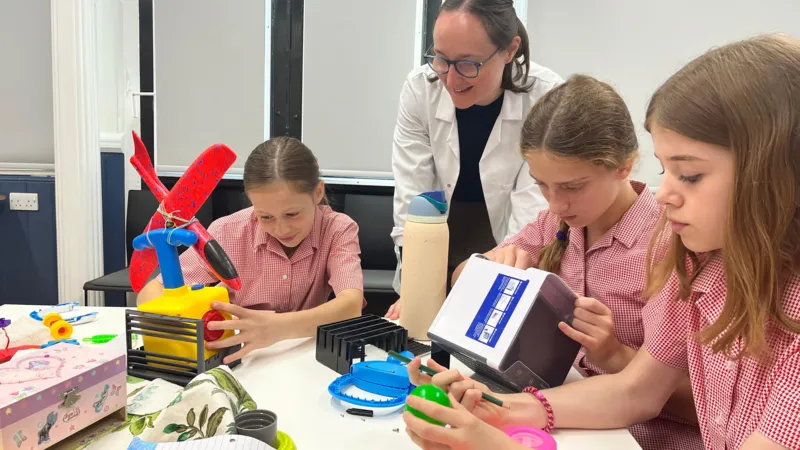
Hundreds of pupils across London are helping to tackle waste and learn valuable practical skills by repairing and rebuilding broken toys that might otherwise have ended up in landfill.
The initiative, which has been introduced in several schools and community projects, encourages children to give damaged toys a second life through repair, refurbishment and creative redesign. Supporters say the programme not only reduces waste but also teaches young people about sustainability, problem-solving and responsible consumption.
At a time when concerns about environmental damage and excessive consumer waste continue to grow, educators believe projects such as these can help children better understand the importance of reusing materials and reducing unnecessary disposal.

Under the scheme, pupils collect unwanted or broken toys from local families, schools and community groups. Working with teachers, volunteers and repair specialists, they examine damaged items, identify faults and attempt to restore them using simple tools and recycled components.
Some toys are repaired and returned to use, while others are creatively transformed into entirely new items.
Organisers say the programme aims to challenge the idea that damaged products should automatically be thrown away.
Instead, children are encouraged to see repair as a practical and environmentally friendly alternative to replacement.
Many pupils involved in the project have expressed surprise at how many toys can be fixed with relatively simple repairs.
Teachers report that children quickly become enthusiastic about taking apart objects, understanding how they work and finding solutions to mechanical problems.
The initiative also supports educational goals beyond environmental awareness.
Students are introduced to basic engineering concepts, design thinking and teamwork while developing patience and attention to detail.
Many schools have incorporated the activities into science, technology and design lessons.
Educators say the hands-on approach often engages pupils who learn best through practical experiences rather than traditional classroom instruction.
Environmental campaigners have welcomed the programme, arguing that Britain generates significant amounts of waste from discarded consumer products each year.
Many items that are thrown away could potentially be repaired, reused or recycled instead of being sent to landfill sites.
According to sustainability advocates, encouraging repair culture from a young age can help foster lifelong habits that reduce environmental impact.
The toy repair projects also highlight broader concerns about the growing volume of plastic waste.
Many children’s toys contain plastic components that can take decades or even centuries to break down naturally.
By extending the lifespan of these products, organisers hope to reduce demand for replacements and limit unnecessary waste generation.
Community groups involved in the initiative say the benefits extend beyond environmental outcomes.
Refurbished toys are often donated to charities, nurseries and families facing financial hardship, providing affordable or free resources for children who may otherwise go without.
This aspect of the programme has strengthened links between schools and local communities.
Parents have largely praised the initiative, describing it as a creative way to combine environmental education with practical learning.
Many families report that children have become more conscious about repairing household items rather than immediately replacing them.
Some parents say the project has even encouraged wider discussions at home about recycling, waste reduction and responsible consumption.
The initiative reflects growing interest in the so-called “repair economy,” a movement that promotes fixing products rather than discarding them.
Across the UK, repair cafés, community workshops and sustainability projects have become increasingly popular as consumers seek ways to reduce waste and save money.
Supporters argue that these efforts can help counter a culture of disposable consumption that has become common in many modern societies.
Experts say young people have an important role to play in environmental action.
While major challenges such as climate change require large-scale policy responses, small community-based initiatives can help build awareness and encourage behavioural change.
Projects that involve children directly often have a lasting impact because lessons learned at school can influence attitudes and habits well into adulthood.
Several London councils have expressed support for programmes promoting repair and reuse.
Local authorities are increasingly exploring ways to reduce waste, improve recycling rates and encourage more sustainable lifestyles among residents.
School-based initiatives are viewed as an important part of those efforts.
Organisers hope the toy repair programme can be expanded to more schools in the future.
Some are already exploring opportunities to introduce similar projects involving electronics, bicycles, household items and other products that are commonly discarded.
The goal is to equip young people with practical skills while fostering a greater appreciation for sustainability.
For the pupils taking part, the experience often provides a sense of achievement that goes beyond environmental benefits.

Many describe satisfaction in seeing a broken toy restored to working condition and knowing that it can be enjoyed again rather than thrown away.
As communities search for innovative ways to reduce waste and promote sustainable living, London’s toy repair projects demonstrate how education, creativity and environmental responsibility can work together to create positive change.
By teaching children the value of repair, schools are helping to build a generation that may think differently about consumption, waste and the resources that shape everyday life.
Related News:
 Princess of Wales Launches Animated Video Series to Support Early Childhood Development
 University Education Faces New Challenges as Students Question Its Value
 More than a Quarter of A-Level Students Poised to Achieve Top Grades Across UK
 Why Where You Live Can Affect Your School Grades – And the Gap Between Areas Is Only Widening
 Education Leaders Call for End to Compulsory GCSE Resits in English and Maths
 Thousands of New School Nursery Places to Be Rolled Out Across England
 University of Edinburgh Lecturers Launch Five-Day Strike Amid £140m Budget Cuts
 UK Graduates in Healthcare Report Highest Satisfaction with Degree Choices
 Growing Crisis in UK Schools: One in Three Parents Seek Special Needs Assessments
 UK Launches Initiative to Teach Democracy to Toddlers in Memory of Sir David Amess
 UK Confronts Rising Crisis of Child-on-Child Sexual Abuse as Patterns Shift
 It Changed My View’: Campaign Encourages Pupils in Deprived Areas to Consider University
 White Low-Income Pupils in England Show Lowest Levels of School Engagement, Study Finds
 UK Home Office approves extra visas for UCL international students amid deferred admission concerns
 Teacher Permanently Banned After Slapping Pupil Over Classroom Incident
 Parents spending £5,000 on special school assessments in England
 New V-Level qualification to transform post-16 education
 The debate over England’s compulsory reading test for 13-year-olds
 One in 12 Secondary Pupils Sent to Isolation Weekly
 Is a two-week half-term a good deal? Some parents in England aren’t so sure
 Children to Learn Local History in Major Curriculum Overhaul
 Top Christmas Books Reads: Classics to Cozy Romcoms
 Greta Thunberg Backs Student Facing UK Visa Revocation
 Audio Books deals and promo codes to explore in November 2025
 London’s Childlessness Crisis: Schools Closing as Families Shrink
 Government urges schools to ban phones to curb classroom disruption
 England’s Special Needs Support Faces Breaking Point
 “Enough is Enough”: Local MP Vows to Fight Rainham Quarry Plans
 Oxford Names ‘Rage Bait’ Word of the Year
 Christmas Code-Crackers: GCHQ Unveils Annual Festive Puzzle Card
 Local Fish Could Boost UK Health and Economy Significantly
 Cambridge College Faces Backlash Over Private School Recruitment
 Storm Goretti leaves Cornwall homes without power
 Robo-Vaccination Could Transform Fight Against Bovine TB
 UK Ministers Drop Foreign Student Targets for Global Education Push
 No Gas Boiler Ban as UK Warm Homes Plan Backs Heat Pumps
 UK joins North Sea wind grid pact with nine European nations
 Devon hosts first high-density hydro power system
 Harvey Willgoose School Stabbing Red Flags Missed
 Wigan Dump Crisis Sparks Health and Safety Alarm
 What is Groundwater Flooding and Why Dorset is Seeing ‘Historical Highs’
 Dozens of Flood Warnings in England After Days of Non-Stop Rain
 Send spending gap leaves deprived areas behind
 Temperatures Dip Below Freezing as Arctic Air Sweeps Across the UK
 Students Begin Covid Compensation Claim Against 36 More Universities
 Flooding May Worsen Before It Improves as More Rain Forecast for the UK
 Teacher Who Lied About Cambridge Degree Banned From Profession
 With Scottish Freebies Under Threat, University Tuition Is on the ‘Hit List’
 Fly-Tippers to Be Hunted by ‘Drone Squad’ in Crackdown from the Sky
 ‘Don’t Make Us Security Guards,’ Says Teacher Stabbed by Pupil
 £4bn Overhaul Announced for Special Needs Support in England
 Storm Hernando: Edinburgh Airport Flights Cancelled in US Travel Chaos
 Sadistic Pair Jailed for Blowing Up Sheep
 Will the New SEND Reforms in England Work? You Have Your Say
 Group Expands Legal Claim Over South West Water Pollution
 New Era for UK Special Needs Support
 Scotland Braces for 80mph Gales and ‘Intense Rain’
 Scots Head Teacher Pays Tribute to Teen Who Died in Car Fire
 London Considers New SUV Charges to Improve Road Safety
 MPs Slam Agency Over Failing Fight Against Waste Dumping
 Keir Starmer Vows Strong Action Against Online Tech Giants
 Schools Lack Staff to Make SEND Reforms Work, Union Warns
 The Banbridge Rescue: 300 Sheep Saved from Massive Hay Shed Inferno
 Country Diary: The Eagle’s Shadow Over the Lambing Shed
 RSPB Urges Summer Bird Feeder Removal to Curb Disease
 The Pre-School Lottery: Families Left in ‘Holding Pattern’ as Local Places Vanish
 Southern Skies: High Turnout and Surprise Visitors in Birdwatch 2026
 NHS Safety Fears as Nurses Cover Doctor Gaps
 “A Canvas of Spring”: Readers Capture Scotland’s Golden Hour and New Life
 Tractor Breakdown Tests Lincolnshire Farmers
 Father’s diaries reveal doubts over Hawking
 Saving Our Lost Rainforests: The Battle for Dartmoor
 Tech Trends and the Battle Against Exam Hall Cheating
 Japanese City Closes Nearly 100 Schools After Rare Bear Sighting
 Whitehall Steps In: The Battle Over Thames Water Deepens
 Prince George Set to Begin Studies at Eton This September
 Woman Appears in Court Over Fatal Wimbledon School Crash
 The Hybrid School Revolution Defying the Social Media Ban
 White Working-Class Children Being Failed by Education System, Major Inquiry Warns
 Temperatures Set to Fall This Week, But Forecasters Warn Heat Could Return Soon