Published: 03 July 2026. The English Chronicle Desk. The English Chronicle Online.
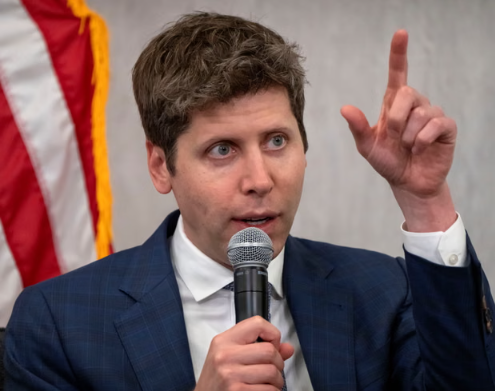
The landscape of artificial intelligence is currently undergoing a massive structural shift in Washington. OpenAI is reportedly engaged in early-stage discussions regarding a significant proposal for the US government. The company is considering offering a five percent equity stake to the American federal administration. This move aims to reshape the relationship between powerful technology firms and national political leaders. Sam Altman has championed this idea as a method to distribute wealth more broadly. He believes the benefits of rapid AI development should reach the entire American public directly. The Financial Times first reported these delicate discussions citing two people familiar with the matter. This proposal appears to be part of a broader strategy to navigate complex political terrain. OpenAI hopes to foster goodwill while demonstrating responsibility in an era of intense regulatory scrutiny. The implications for the wider technology sector could be profound if this model gains real traction. Other major AI developers might eventually face pressure to follow this unique precedent established by OpenAI.
The proposal envisions that several leading American AI corporations would offer similar stakes to the state. It remains uncertain whether industry giants like Google or Meta would ever accept such a plan. These firms currently operate under different strategic priorities and have their own unique governance structures to manage. A deal of this magnitude would certainly help improve relations with the current Trump administration today. By sharing the wealth generated by the AI boom, companies might secure much needed political support. This approach could effectively mitigate some of the growing tensions found between Washington and Silicon Valley. The industry currently faces increasing pressure regarding safety, national security, and the control of information. Last month, Anthropic was forced to suspend its newest model following a specific government order. Federal officials demanded restricted access for foreign nationals citing serious concerns about national security risks. Anthropic successfully resolved these safety issues and restored customer access to its services this week. Such incidents highlight the difficult environment in which these influential technology companies currently conduct their business.
Altman and other executives have suggested creating an investment vehicle similar to the Alaska Permanent Fund. This established sovereign fund manages state oil wealth by investing in various stocks for citizens. It distributes dividends to the state population, creating a shared financial stake in natural resource wealth. Supporters believe a similar model could be applied to the rapid growth of artificial intelligence technology. The current discussions are described as purely conceptual and remain in the very early stages today. Any formal implementation of such a radical plan would likely require an act of Congress soon. The complexity of federal legislation means that any final agreement faces a long and difficult road. Both OpenAI and Anthropic have previously published policy papers discussing the merits of such a fund. They argued that public or sovereign wealth funds might be necessary to distribute shares to citizens. OpenAI stated in April that a public fund could provide every citizen with a clear stake. This would include people who are not normally invested in the current global financial markets today.
The potential for economic growth in the AI sector is driving this push for public participation. Both companies are currently preparing for major listings on the lucrative US stock market very soon. Some investors believe these companies could eventually be valued at more than one trillion dollars each. Such massive valuations make the question of wealth distribution a central topic in modern American politics. Sam Altman has reportedly been in direct talks with Donald Trump about this public ownership idea. He has also consulted with commerce secretary Howard Lutnick and treasury secretary Scott Bessent on this. These high-level meetings underscore the seriousness with which the administration is currently approaching AI industry regulation. Altman has also reached out to Democratic senator Bernie Sanders in the recent weeks as well. Senator Sanders has been a vocal advocate for creating a national sovereign wealth fund for years. His own proposal suggests financing this fund through a one-time fifty percent tax on stock. This tax would target the largest AI companies to ensure the public benefits from their success.
The political dynamics surrounding this proposal are complex and involve many different interests across the board. While the idea of public ownership is gaining traction, the execution remains a highly debated topic. Critics might argue that equity stakes could compromise the independence and innovation of these private technology firms. Proponents believe that a closer partnership with the government is the only way to avoid heavy-handed regulation. By proactively offering a stake, companies are attempting to frame the conversation on their own favorable terms. This could create a more stable environment for long-term investment in cutting-edge artificial intelligence projects nationwide. The coming months will likely see intense debates about the role of the government in the sector. Investors and policymakers will be watching these developments with significant interest to see what happens next. The outcome of these talks could define how future technology companies engage with the American federal government. Ensuring that the technological revolution benefits the general public is now a primary goal for many. This reflects a broader shift toward corporate accountability and social responsibility in the modern digital age today. Whether this specific proposal succeeds or fails, it signals a new chapter for the AI industry. The intersection of politics and technology is becoming increasingly blurred as these tools become more powerful daily. OpenAI remains at the forefront of these challenges as it seeks to define the future of AI. The world waits to see if this ambitious plan can truly balance private innovation with public interest.
Related News:
 Britain deploys RAF specialists to assist Belgium with drone threats
 Night after night, Belgium is on high alert.
 Ukraine to Get 100 French Rafale Jets in Historic Deal
 BP’s Influence Sparks Controversy in UK STEM Education
MPs warn AI financial risks threaten UK stability
BP’s Influence Sparks Controversy in UK STEM Education
MPs warn AI financial risks threaten UK stability
 MPs warn AI financial risks threaten UK stability
 Starmer Targets AI Chatbots Over Child Safety Concerns
 AI FOMO Warning as Osborne Urges Action
 Treasury AI plans spark influence concerns
 UK Social Media Ban for Under-16s Gains Momentum
 UK Teen Social Media Ban Trials Begin
 Ministers Urged to Act Faster on Deepfakes Threat
 MPs Reject Ban on Social Media for Under-16s
 Iran Social Media Strategy Shifts to Information War
 Cluster Strikes Test Israel’s Missile Defences
 House of Lords Backs Landmark Social Media Ban for Youth
 Lords Back New Age Ban for Children on Social Media
 OpenAI Halts Stargate UK Project Amid Energy Crisis
 Big Tech Lobbies EU to Hide Massive Datacentre Emissions
 Canadian astronaut French words ease language row
 Reform UK funding: mystery billionaire revealed
 RAF Typhoons scrambled amid Russian drone threat near Nato
 Starmer’s Top Aide Held 16 Private Meetings With Tech Giants
 Doomsday Clock Nears Midnight Amid Global Crises
 FDA Chaos Deepens as Trump Eyes Makary Exit
 UK Ministers Lobby Trump Over Under-16s Social Media Ban
 Trump Faces Backlash Over $2bn Earnings Since Return
 Lanarkshire AI Hub Fails Energy Promises
 Reeves Launches City AI Skills Compact
 Meta Under Fire: The Battle Over Addictive Social Media Design
 Trump’s UK Ambassador Urges North Sea Drilling to Strengthen US Ties
 UK Bans Fake Numbers: Scammers Lose Their Trick
 Vibe coding’ named Collins dictionary’s word of the year
BBC to Apologise Over Edited Trump Speech Amid Backlash
Vibe coding’ named Collins dictionary’s word of the year
BBC to Apologise Over Edited Trump Speech Amid Backlash
 Millionaires group urge Reeves to introduce wealth tax to ‘lift kids out of poverty’
 Reeves rejects £1bn plea for NHS redundancy payouts
 PM Condemns Leaks, Vows Loyalty to Ministers and Stability
 Greene Pushes Epstein Files Amid Trump Fallout
 December Run-Off in Chile as Election Produces No Winner
 Sundar Pichai Cautions on AI Hype and Market Risks
 Shadow Fleet at Sea: Europe’s Battle Against Illicit Oil Shipping
 Georgians Defy Government Crackdown After Year of Protests
 ICC to Rule on Duterte’s Provisional Release
 Starmer Says Labour’s Economic Plan Needs Years to Deliver
 Australia grants Asio powers to designate hate groups under new laws
 Trump press secretary attacks reporter over ICE question
 Spoof “Make America Go Away” Caps Rally Denmark Over Greenland
 ABC Facebook Page Briefly Hacked, Adult Photos Posted
 Artificial intelligence will cost jobs, admits Liz Kendall
 Meta trial over child exploitation claims begins
 UK and US Drop in Global Corruption Index Rankings
 Canberra Poster Seizure Sparks Free Speech Row
 Wales Approves Assisted Dying Bill Consent
 Stewart Brand on Musk, Bezos and a Life of Long Thinking
 Jacinda Ardern Move Sparks Kiwi Reflection
 Asylum Seekers to Work After Year-Long Wait
 New Zealand Covid Response Praised Despite Lingering Scars
 Injured Mojtaba Khamenei Elevated as Iran Leader
 The Kill Line: A Shifting Vision of the American Dream
 Inquiry into HMRC child benefit errors launched by NAO
 Air Canada CEO Faces Outcry Over Recent Language Misstep
 Relationship with Trump may be beyond repair, Starmer warned
 UK Government Poised to Revive Stalled Hillsborough Law
 Democrats Move to Impeach Defense Secretary Pete Hegseth
 Investigation Into Anti-Trump Motives After Gala Shooting
 Silent Tracks: Rail Line Without Passengers
 Major test for Labour as polls open in Great Britain
 Wes Streeting faces narrow road to Labour members’ favour
 Keir Starmer Struggles to Secure His Grip on Downing Street
 Farage Faces Standards Probe Over Cash Property Purchase
 Makerfield Voters Demand Real Change as Election Looms
 From Pocket Monsters to the Frontline
 Labour MP Revives Blocked Assisted Dying Bill in Commons
 Starmer Set to Announce Exit Plan as Burnham Eyes No 10
 AOC Backs El-Sayed in Tight Michigan Senate Primary
 Trump’s Mount Rushmore Speech: A Divisive Anniversary
 Trump’s Red-Card Intervention Hurts the US World Cup
 Trump Swaps Planes Amid Iran Tensions
 Ann Widdecombe, Formidable Political Figure, Dies at 78
 Houthis Strike Saudi Arabia as Middle East Tensions Rise