Published: 04 July 2026. The English Chronicle Desk. The English Chronicle Online
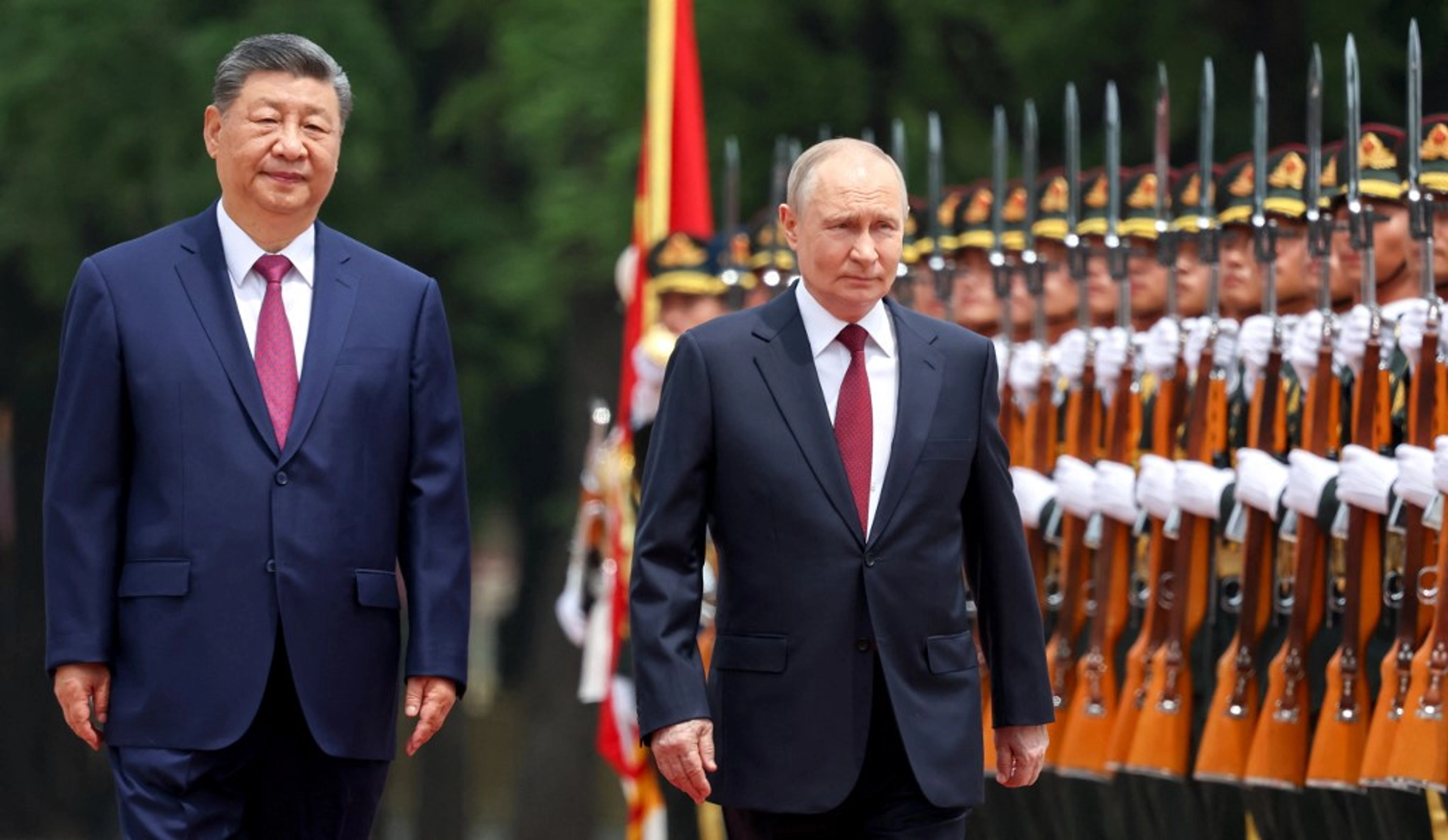
Tensions between Berlin and Beijing have escalated significantly following alarming reports of Chinese military involvement in the ongoing conflict in Ukraine. The German Foreign Ministry confirmed on Friday that it has summoned China’s ambassador for urgent consultations regarding allegations that Russian soldiers are receiving training on Chinese soil. This diplomatic maneuver underscores the mounting concern within European capitals regarding the extent of Beijing’s support for Moscow. Berlin’s stance remains firm: any form of assistance that enables Russia to sustain its war of aggression constitutes a direct threat to German and European security. The allegations first surfaced in late May through the German daily newspaper Die Welt, which cited classified European intelligence documents detailing how the Chinese People’s Liberation Army reportedly conducted secret training sessions for hundreds of Russian personnel, some of whom have since been deployed to the frontlines in Ukraine.

The revelation has sent shockwaves through diplomatic channels, as it challenges China’s officially maintained position of neutrality regarding the Ukraine conflict. For Germany, a country that has been instrumental in providing military and humanitarian support to Kyiv, the prospect of an adversarial military power providing training to Russian combatants is viewed as a dangerous escalation. Berlin is now leading a push among European Union members to seek greater transparency from Beijing. The German Foreign Ministry’s statement was unequivocal, emphasizing that providing such capabilities to Russia not only prolongs the suffering in Ukraine but also undermines the fragile security architecture of the entire European continent. As investigations into these reports continue, the diplomatic pressure on the Chinese government to explain its military interactions with Moscow is expected to intensify, potentially leading to further strain on already complicated EU-China economic and political relations.
On the ground in Ukraine, the military situation remains harrowing. The Russian Defence Ministry declared on Friday that its forces had achieved a significant strategic objective by seizing complete control of Kostiantynivka in the Donetsk region. This industrial city, which boasted a population of nearly 78,000 before the devastation of the war, has been a focal point of intense fighting since late 2025. Kremlin spokesperson Dmitry Peskov heralded the capture as a major success, claiming the city is now entirely under Russian administration. However, independent verification remains elusive, and Ukrainian officials have continued to emphasize the fluidity of the frontlines. The battle for Kostiantynivka has been characterized by brutal attrition, serving as the centerpiece of Moscow’s broader offensive strategy along a staggering thousand-kilometer front.
The human cost of the conflict was once again laid bare on Friday when a massive Russian glide bomb strike decimated the center of Sumy. The attack resulted in the deaths of at least four individuals, including a child, while leaving 27 others wounded. Regional governor Oleh Hryhorov described the scene as one of devastation, noting that the strike was part of a broader wave of violence across the Sumy region and southeastern Ukraine. President Volodymyr Zelenskyy seized upon the tragedy to issue an urgent plea to international allies, calling for intensified pressure on the Kremlin to halt what he described as a campaign of terror. The border region of Sumy has endured relentless bombardment, as Russian forces appear intent on establishing a buffer zone that would require the displacement of civilians and the destruction of remaining local infrastructure.
Amidst these military developments, diplomatic efforts are also underway to mend frayed relations between Ukraine and Poland. Prime Minister Donald Tusk of Poland has expressed an earnest desire to lower the temperature of recent disagreements, particularly those concerning historical grievances from the Second World War. Relations between Warsaw and Kyiv had recently soured after Polish President Karol Nawrocki stripped President Zelenskyy of his country’s highest honor in response to the naming of a Ukrainian army unit after historical figures associated with past massacres. Tusk, who maintains a complex relationship with the Polish presidency, has been working behind the scenes to foster reconciliation. Following a positive meeting between the two nations’ foreign ministers in Warsaw, there is renewed hope that consultations between historians and religious leaders might pave the way for a more stable partnership, a prerequisite for Ukraine’s eventual integration into the European Union.

Meanwhile, the geopolitical landscape of deterrence is shifting in the Baltic states. Lithuania’s President Gitanas Nauseda has initiated a constitutional amendment aimed at removing the long-standing ban on the deployment of nuclear weapons within his nation’s borders. During a press conference in Berlin, Nauseda articulated his government’s ambition to become an integrated component of western nuclear deterrence strategies against Russia. The proposal, which has been formally submitted by a group of fifty lawmakers, reflects the heightening anxiety in the Baltics regarding Russian aggression. Simultaneously, the international sporting community has reaffirmed its stance against Russian and Belarusian participation. World Athletics Council President Seb Coe announced on Friday that the exclusion of Russian and Belarusian athletes from international competitions will remain in place, citing a lack of tangible progress toward peace negotiations as the primary driver for maintaining the integrity and fairness of global athletic events.
Related News:
 Capitalism ‘Suicidal’, Warns Petro at Climate Summit
 Norway Doubles Down on Oil and Gas for Europe Energy Security
 Doomsday Clock Nears Midnight Amid Global Crises
 Venezuela Quake Death Toll Surpasses 4,000
 BBC to Apologise Over Edited Trump Speech Amid Backlash
 Britain deploys RAF specialists to assist Belgium with drone threats
 US Justice Department Files Lawsuit Against California Over Partisan Voting Maps
 Greene Pushes Epstein Files Amid Trump Fallout
 Trump Deploys DHS to Charlotte in Major Arrest Operation
 December Run-Off in Chile as Election Produces No Winner
 Canada Passes Carney’s First Budget in Tight Parliamentary Vote
 Shadow Fleet at Sea: Europe’s Battle Against Illicit Oil Shipping
 Pentagon Officials in Ukraine to Discuss War End
 Venezuela Threatens Nobel Winner Machado with Fugitive Status
 Georgians Defy Government Crackdown After Year of Protests
 EU plans $105bn Ukraine aid using frozen Russian assets
 Global campaign launched to free Palestinian leader Barghouti
 Trump Policies Boost China’s Global Rise, Survey Finds
 Iran unrest slows under brutal crackdown and global tensions
 Pentagon Signals Reduced Role in Deterring North Korea
 Thousands Protest ICE Operations in Nationwide US Day of Action
 Epstein Files Reveal Trump Officials’ Emails with Financier
 Starmer Condemns ‘Depraved’ Russian Strikes on Ukraine
 Herzog visit sparks protests across Australian cities
 UK and US Drop in Global Corruption Index Rankings
 Sydney Protest Escalates and Elderly Woman Suffers Severe Injury
 Tarique Rahman’s Rise Toward Bangladesh’s Top Job
 Canberra Poster Seizure Sparks Free Speech Row
 Evo Morales Returns After Mysterious Absence
 AFP Reviews Pauline Hanson Comments
 Duterte ICC Hearing Begins Amid Defiance
 Trump Tariffs Threat Spark UK and EU Alarm
 The Dangerous Rise of Remigration Across Modern Europe
 Trump’s Marathon Speech Fails to Mask a Growing National Disconnect
 Jacinda Ardern Moves To Australia Following Her US Fellowships
 US to offer passport services in West Bank settlements
 Jacinda Ardern Move Sparks Kiwi Reflection
 Health Funding Row Rocks US‑Africa Relations
 Nick Greiner Warns Over Election Review Fallout
 New UK-EU Reset Faces Criticism from Parliament
 Iran Defiance Grows Amid US-Israel War Pressure
 Injured Mojtaba Khamenei Elevated as Iran Leader
 Gordon Brown urges court for crimes against children
 Oil Prices Jump After Trump Claims Iran Oil Hub Destroyed
 Pakistan Targets Militant Hideouts in Afghanistan
 Danish Election Deadlock Shakes Frederiksen’s Grip
 Air Canada CEO Faces Outcry Over Recent Language Misstep
 Trump to Visit China in May After Iran War Delay
 Pope Rebukes Leaders for War as Middle East Tensions Rise
 Trump to Deploy “God Squad” Over Gulf Wildlife Protections
 Army Probes Apache Flyover at Kid Rock’s Nashville Estate
 Relationship with Trump may be beyond repair, Starmer warned
 Italian Town Buys Mussolini Villa to Keep Away Fascist Fans
 Report Says Pezzullo Acted ‘Recklessly’ in Dealings
 Trump Employs Nixon’s Madman Theory Amid Iran Crisis
 Hungary election: Orbán faces biggest test amid scandal
 Suspected Plot Targets Pipeline Before Hungary Vote
 Trump Brokers Landmark Lebanon Ceasefire Amid Regional Hopes
 UK Stands Firm on Falklands Amid US Rift
 Crackdown Backfires on UK Climate Protesters
 Oil Prices Surge Above $120 Amid Iran Blockade Fears
 Coalition pushes fossil fuel phaseout plan
 Trump orders US troop pullout from Germany
 Trump approval plunges amid Iran war fears
 Ohio’s Battle for Trust: Democrats Vying to Flip the Buckeye State
 US ‘Narco Boat’ Strikes Draw Global Outcry
 Afghan Families Left in Limbo Face Risk of Deportation
 Trump Announces 3-Day Russia–Ukraine Ceasefire Deal
 US Awaits Iran Reply on New Ceasefire Proposal
 Pope Meets Families in Italy Toxic Waste Zone
 Discontent grows around Putin amid war strain
 Farage and Reform UK Reshape British Politics
 Starmer Leadership Under Pressure After Setbacks
 House Curbs Trump’s War Powers in Rare Rebellion
 New South Wales Premier Chris Minns Signals Tough Road Ahead for Labor
 Le Pen to Run for President Despite Embezzlement Conviction
 Ukraine Creates Long-Range Strike Command
 Le Pen’s Popularity Holds Despite Conviction
 Houthis Strike Saudi Arabia as Middle East Tensions Rise
 Wildfires Force Mass Evacuations in France And Spain