Published: 10 July 2026. The English Chronicle Desk. The English Chronicle Online.
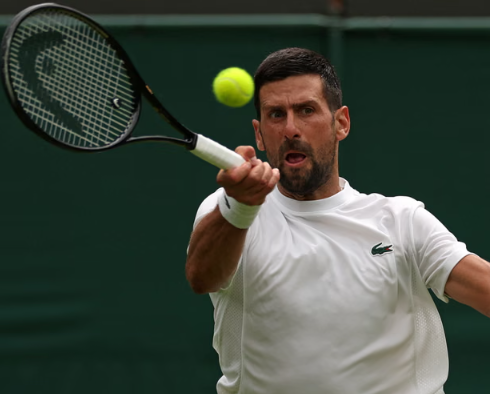
Novak Djokovic has participated in countless press conferences throughout his legendary tennis career. He understands the standard procedure following a significant victory at a major tournament. Journalists typically ask him to provide an analysis of his upcoming high-stakes opponent. He is always prepared with an expansive, detailed response regarding his next challenge. He has mastered the art of speaking while maintaining a professional, guarded demeanor. He is skilled at keeping his specific tactical cards close to his chest.
As the clock struck early Wednesday morning after his marathon match, he paused. He had just finished an exhausting five-hour battle against the talented Felix Auger-Aliassime. The Serbian veteran seemed uncharacteristically quiet when asked about his physical recovery process. He remained tight-lipped regarding his specific plans for facing the formidable Jannik Sinner. He simply noted that he had an extra day for rest and healing. He concluded his thoughts by suggesting that the future would eventually reveal everything.
There are many compelling themes to examine in such a massive sporting encounter. However, the most urgent question involves the physical state of the aging champion. Much of this match depends on how the thirty-nine-year-old body handles recovery. Djokovic has endured a significant physical load since the tournament began this summer. He continues to strike the tennis ball at an incredibly high performance level. He is moving across the court better than players twenty years his junior.
His trademark mental toughness remains a core pillar of his professional tennis identity. Yet, the physical toll of grand slam tennis is undeniably difficult to manage. He has reached the semi-finals or better in six of his recent tournaments. This is a truly remarkable achievement for a player at his current age. By the end of these events, his body often shows signs of exhaustion. The gruelling fortnight of best-of-five-set matches takes a heavy toll on him.
Last year, the results against Sinner and Alcaraz felt somewhat predictable for observers. He lost several consecutive sets against Sinner at both Roland Garros and Wimbledon. However, he broke that difficult losing streak at the Australian Open this year. He toppled the Italian after four hours in a monumental five-set match. This victory remains one of the most incredible highlights of his storied career. That match in Melbourne serves as their most recent professional head-to-head meeting.
The outlook for Djokovic heading into this tournament was initially very straightforward indeed. He remains capable of winning Wimbledon, but he requires peak physical energy efficiency. He struggled to conserve his strength during the early rounds of this championship. His relatively simple victory over Stefanos Tsitsipas was his only straight-sets win. One positive takeaway from the marathon match was his overall physical durability today. He finished that contest without any signs of obvious physical pain or discomfort.
If the veteran remains healthy, this semi-final promises to be a tight match. He has always acknowledged the stylistic similarities between his game and Sinner’s approach. Both players share a desperate need to hug the baseline during every rally. They prioritize taking the ball early to dictate the pace of every point. They time the ball beautifully and change directions with ease off both wings. Both are elite returners who have developed into highly dangerous, consistent servers today.
They both rely on impressive flexibility and a sliding stance on all surfaces. Their court positioning remains a foundational aspect of their respective game plans for success. The primary difference is that Sinner naturally generates greater pace from his groundstrokes. Meanwhile, Djokovic remains faster and more resourceful, offering a greater variety of shots. It took a legendary serving performance from the Serb to defeat Sinner previously. His forehand was absolutely monstrous during those crucial, high-pressure points in Melbourne.
He saved sixteen of eighteen break points during that intense Australian Open clash. It will require a similar, near-perfect performance to triumph over the Italian again. The Serbian icon has spent his entire life willing himself to reach such heights. All eyes will be focused on his physical condition during the early stages. However, the world number one himself has some important questions to answer now. The young Italian is known to be an incredibly resilient and focused character.
He suffered a difficult collapse during the French Open earlier this season already. He was a heavy favourite to win that title before he unexpectedly faltered. He has bounced back with five consecutive wins since that challenging period ended. He started this grass-court event with a difficult five-set win over Kecmanovic. Since that opening test, he has not dropped a single set in four. His serve is better than ever, and he has maintained excellent form throughout.
However, his forehand has looked slightly more erratic than his usual high standards. It is currently difficult to gauge his exact mental and tactical level. He has not faced a single seeded player during his path here. Few of his recent opponents had any realistic chance of pushing him hard. Seeing the greatest player of all time across the net will change everything. Friday will finally reveal his true readiness for a second Wimbledon title glory.
Related News:
 Granit Xhaka Rescue Earns Everton Draw at Sunderland
 Bellingham has ‘the edge’ among England No 10s
 Man City Masterclass on Guardiola’s Milestone Day Exposes Liverpool Woes
 VAR Must Rein Its Neck In to Save Football’s Spirit
 Mary Earps’s Manchester United Return Faces Mixed Reception
 UK and Ireland Announce Venues for Euro 2028 Tournament
 Saka Solidifies Role as Tuchel’s Key England Lieutenant
 Former Lion Heskey Warns of Shortage of England Strikers
 Tiny Curacao Makes History as Smallest Nation to Reach World Cup
 Haiti Qualifies for World Cup Despite Coach Never Visiting Country
 Australia Face Big Changes as Cummins and Lyon Ruled Out of Ashes
 Van de Ven Tackle Leaves Isak with Fractured Leg
 ECB powerless to halt England’s recurring Ashes failures
 Stokes urges empathy for England players amid Ashes struggles
 Aston Villa Remain Arsenal’s Key Obstacle in Title Pursuit
 Salah Shines as Egypt Knock Out Ivory Coast at Afcon
 Raphinha doubles up as Barcelona beat Real Madrid in Super Cup
 Xabi Alonso leaves Real Madrid, Arbeloa Takes Over
 Maya Joint stunned by Valentová in Australian Open upset
 Chelsea warn fans of danger in Naples after hospital incidents
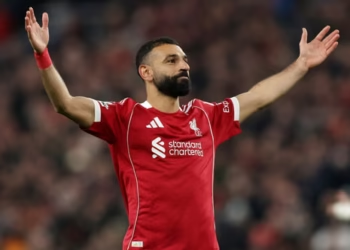 Liverpool Chase Champions Glory With Stunning Qarabag Victory
 Ben Stokes injury joke after brutal ball strike
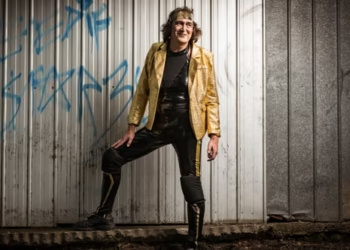 Wrestler at 60: A Powerful New Start in the Ring
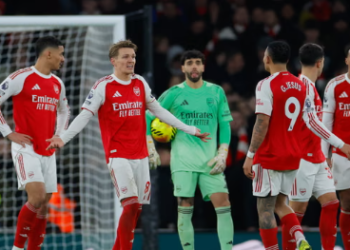 Arsenal blow lead as Arteta rues Wolves draw
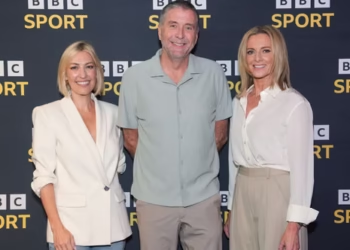 BBC World Cup Presenting Duties Shared Among Trio
 Craig Tiley Leaves Australian Open Legacy
 English Cricket Faces Moral Crisis Over Indian Investment
 Hudson-Odoi Sends Nottingham Forest Into Europa Last 16
 Buttler Eyes Vital Run Surge as England Face New Zealand
 World Cup Drinks Breaks Could Bring ITV Ad Debate
 Saka criticism response: Arsenal star dismisses outside noise
 Spurs Coach Defends Early Kinsky Substitution at Atlético
 Abramovich Chelsea Sale Cash Faces Jersey Probe
 Champions League Failure Sparking Premier League Crisis
 African World Cup Fans Face $15,000 Entry Bond Fee
 Teenage Titan: Sooryavanshi Smashes IPL Records
 Sam Konstas Dropped as Australia Unveils New Contract List
 ECB Faces Backlash Over Disability Premier League Inclusion
 The Wildest Plastico: Leverkusen and Wolfsburg Thriller
 Maguire Commits Future to Manchester United with New Deal
 Can De Zerbi Restore Belief to Save Spurs From the Drop?
 Robots Outpace Humans in Beijing Half-Marathon
 Ashley Cole: Finding His Voice and Vision in Italy
 A Nine-Goal Thriller Redefines European Football Brilliance
 Scott Parker Leaves Burnley After Premier League Drop
 $13bn World Cup Set to Break All Revenue Records
 Arteta urges Arsenal to step up in Atlético semi-final
 RFU Backs Borthwick Despite England’s Poor Six Nations
 Infantino Defends Soaring World Cup 2026 Ticket Costs
 FIFA Confirms Global Ban for Benfica Star Prestianni
 England Call Up Janse van Rensburg for Nations Campaign
 Guardiola to Exit Man City; Maresca Lineup Nears
 Bracing for the Cherries: Guardiola Likens Vital Bournemouth Trip to the Dentist
 Alice Capsey Sparks England Win With Brilliant Fifty
 The Battle for Wembley Sparking Unprecedented Legal Warfare
 Chasing Glory: The Quest for a New World Cup Champion
 Tuchel Defends Tough England Squad Decisions
 Ben Proud Defends Enhanced Games Participation
 Chasing Paris Glory Amid Familiar Echoes
 Man City Threaten Legal Action Over Haaland Real Madrid Shirt
 Is Ollie Robinson the Chaos English Cricket Needs Today?
 Captain in the Spotlight: The Future of England Cricket
 Saka Playing Through Pain As England World Cup Campaign Looms
 Fifa Official Under Investigation Over Hand Gesture Controversy
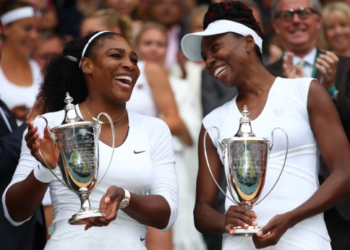 Williams Sisters Reunite for Wimbledon Icon Return
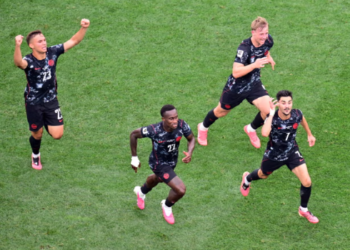 Canada Secure Historic Last 16 Spot with Late Goal
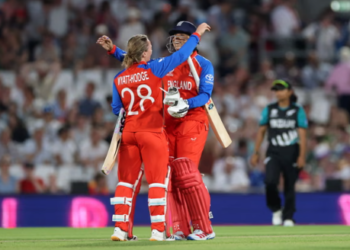 Women’s T20 World Cup Breaks Records But Gaps Remain
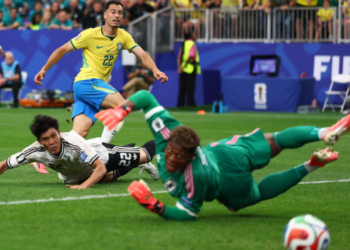 Martinelli Strikes Late as Brazil Edge Past Brave Japan
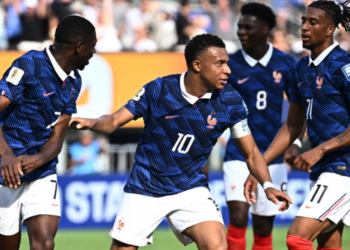 France Dominate Sweden as Deschamps’ New Era Takes Shape
 US Advance Past Bosnia in World Cup Thriller
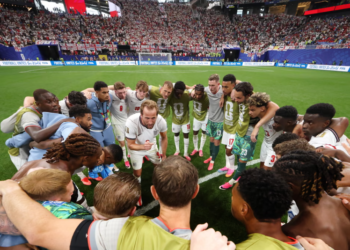 Kane Saves Tuchel as England Survive Dramatic Exit
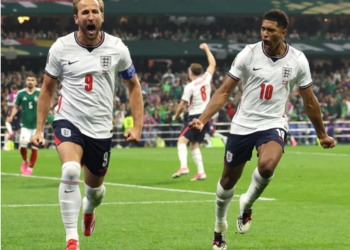 England Triumph in Azteca World Cup Thriller
 Trump’s Red-Card Intervention Hurts the US World Cup
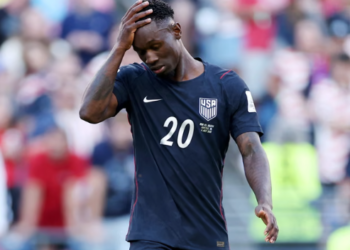 USA World Cup Heartbreak: Belgium Ends Their Dream
 Kylian Mbappé Slams Paraguayan Senator Over Racist Attack
 Sports, Women’s Cricket A Historic Lord’s Bow for Beaumont and England
 Wallabies Call Upon Meredith Amid Injury Crisis
 Mbappé Brilliance Leads France Into Semi-Finals
 Spain’s Superstar Fan: Keyne Yamal Steals the Spotlight
 Lamine Yamal’s Birthday: Football, Fame, and France